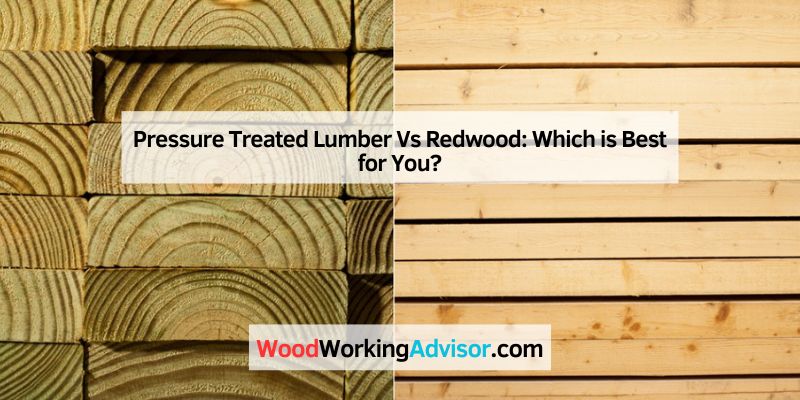
Pressure Treated Lumber Vs Redwood: Which is Best for You?
Choosing between pressure treated lumber and redwood can be challenging. Both materials have unique benefits and uses.
Comparing them helps you understand which option suits your project best. When starting a new woodworking project, material choice is crucial. Pressure treated lumber and redwood are popular options. Each offers specific advantages. Pressure treated lumber is durable and resistant to insects.
Redwood is naturally beautiful and long-lasting. Understanding their differences helps you make an informed decision. This guide will compare their features, benefits, and ideal uses. Get ready to learn which wood type fits your needs.
What Is Pressure Treated Lumber?
Pressure treated lumber is wood treated with chemicals. This process protects it from rot and insects. The wood is placed in a large tank. The tank is filled with water and chemicals. Pressure forces the chemicals into the wood fibers. This makes the wood last longer. It is also resistant to moisture. The treatment process is safe for most outdoor uses.
Pressure treated lumber is used in many outdoor projects. It is great for building decks. It is also used for fences and playgrounds. Many people use it for garden beds too. It can handle harsh weather. This makes it a popular choice for outdoor furniture. It is also used in construction, like framing houses. The wood is strong and durable. It lasts a long time.
What Is Redwood?
Redwood is a type of wood from redwood trees. It is known for its rich color and natural beauty. This wood is resistant to decay and insects. It has natural oils that protect it. Redwood is also lightweight and easy to work with. It can last a long time if cared for properly.
Redwood is often used for outdoor furniture and decks. It is also popular for fences and garden structures. Many people use it for siding on houses. It can be used for picnic tables and benches too. Redwood adds a touch of elegance to any outdoor space.
Durability Comparison
Pressure treated lumber and redwood both offer great durability. Pressure treated lumber resists decay and pests effectively. Redwood naturally withstands weather and insects, lasting for years.
Longevity Factors
Pressure treated lumber lasts long. It resists rot and insects. Chemicals help it stay strong. Redwood is natural and strong. It has oils that fight decay. Redwood is less likely to warp. Both woods have good durability.
Resistance To Elements
Pressure treated lumber handles wet conditions well. It can survive heavy rain. Redwood also resists water. It stays firm in wet weather. Redwood handles sun exposure better. It does not fade easily. Both woods resist elements well.
Cost Analysis
Pressure-treated lumber is cheaper but needs regular maintenance. Redwood costs more upfront but lasts longer and requires less upkeep.
Initial Costs
Pressure treated lumber costs less to buy. It is budget-friendly. On the other hand, Redwood is more expensive. It is a premium choice. You pay more for beauty and quality.
Long-term Value
Pressure treated lumber lasts a long time. It can resist bugs and rot. But, it may need more care. Redwood ages well. It has natural oils. These oils protect the wood. So, less upkeep is needed. In the long run, both options offer value. It depends on your needs and budget.
Environmental Impact
Redwood grows quickly and is often managed in a sustainable way. It is a renewable resource. Pressure treated lumber comes from various wood types. Its sustainability depends on the source. Using certified wood helps reduce environmental impact.
Pressure treated lumber has chemicals to resist rot and insects. These chemicals can be harmful. Proper disposal is important. Redwood does not need chemicals for durability. It is naturally resistant to decay and pests. This makes it a safer choice for the environment.

Credit: www.familyhandyman.com
Maintenance Requirements
Pressure treated lumber needs sealing every year. It can rot if not sealed. Redwood is more resistant to rot. It does not need sealing often. Both types need cleaning. Pressure treated wood can be washed with water and soap. Redwood needs special wood cleaner.
Pressure treated lumber may warp over time. It can also crack. Redwood is less likely to warp. It is also less likely to crack. Both types may need replacement of damaged boards. Redwood repairs can be more expensive. Pressure treated wood is more affordable for repairs.
Aesthetic Appeal
Pressure treated lumber often has a pale or greenish look. Redwood has a rich, warm color. The grain in redwood is more distinct and attractive. Many people find redwood beautiful for decks and fences. Pressure treated lumber can look less natural. It is more uniform in texture.
Redwood ages gracefully, turning a nice gray. Pressure treated lumber can become rough and splintery. Redwood keeps its charm as it weathers. Pressure treated lumber may need more care to stay smooth. Redwood requires less maintenance.

Credit: sbcbuild.com
Frequently Asked Questions
Which Lasts Longer, Redwood Or Pressure-treated Wood?
Redwood generally lasts longer than pressure-treated wood. Redwood is naturally resistant to decay and insects, offering superior longevity. Pressure-treated wood also resists rot but may require more maintenance over time. Choose redwood for durability and natural beauty.
Is Redwood Better Than Pressure Treated Lumber?
Redwood is naturally resistant to decay and insects, making it durable. Pressure treated lumber is chemically treated for longevity. Redwood offers a natural look, while pressure treated lumber is cost-effective. Choose based on your budget and aesthetic preference.
Why Not To Use Pressure-treated Wood?
Pressure-treated wood contains chemicals that can be harmful. It may warp, crack, and isn’t environmentally friendly.
What Are The Disadvantages Of Redwood Wood?
Redwood wood can be expensive. It is prone to scratches and dents. Requires regular maintenance to prevent decay. Limited availability outside certain regions.
Conclusion
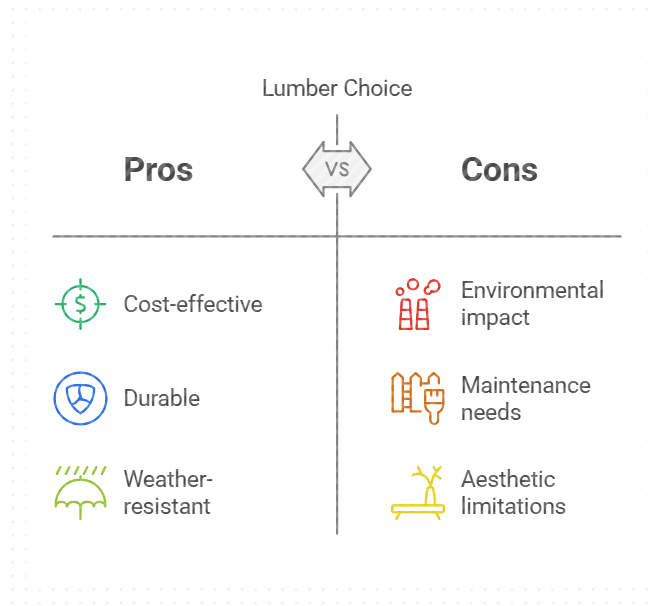
Choosing between pressure treated lumber and redwood depends on your needs. Pressure treated lumber offers durability and affordability. Redwood provides natural beauty and resistance to decay. Consider your budget, project, and climate. Both options have their advantages. Make an informed decision for your woodworking projects.
Your satisfaction and the longevity of your build are key.