Best Wood for Canvas Frames: Kiln-Dried Pine or Poplar
Kiln-dried pine and poplar are the best woods for canvas frames, with basswood a lighter option. A canvas pulls on its frame for decades, so a bowed bar ruins the painting no matter how nice the wood looks. This guide compares the species with real numbers, explains why oak and MDF are poor choices for stretcher bars, and shows when you need a cross brace.
Best Wood for Canvas Frames: The Short Answer
 |
Best Stretcher Bar Pick Jack Richeson Best Heavy Duty Stretcher Bar, 24-Inch ($11.23) Finger-jointed pine bars, the same species and approach this guide recommends for a straight, stable frame. Buy them in pairs cut to your canvas size.
|
As an Amazon Associate we earn from qualifying purchases.
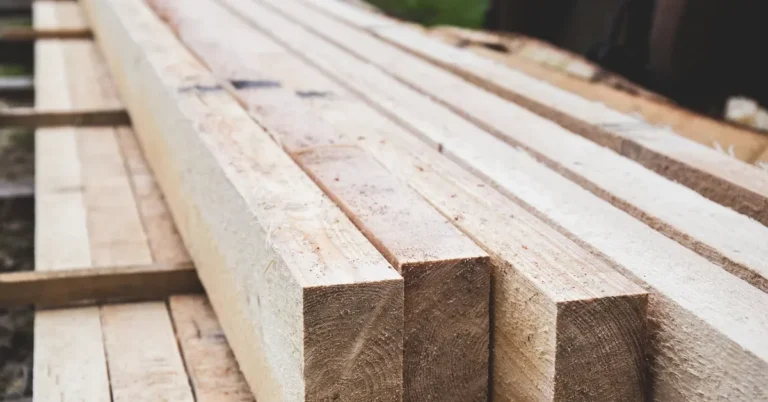
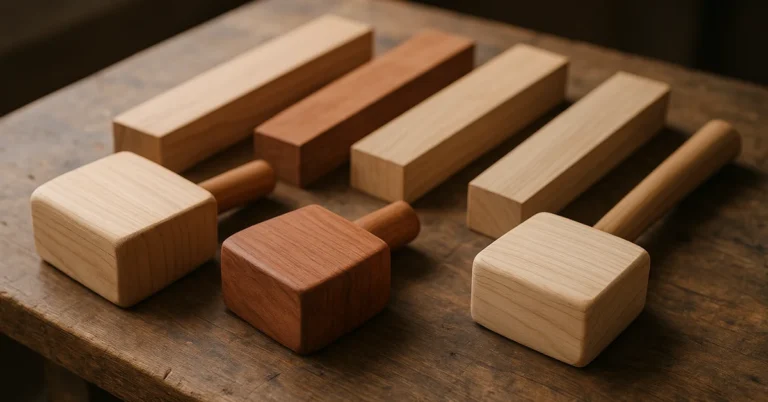
For the stretcher bars that sit behind the canvas, choose kiln-dried, clear, straight-grained pine or poplar. Most commercial stretchers are made from well-dried softwood such as pine for exactly this reason: it is light and easy to keep flat. Basswood works too, but conservation guidance rates it as more likely to warp than poplar or white pine (details below).
If you mean the decorative outer frame around a finished canvas, the wood matters less for stability because the stretcher bars carry the tension. There you can pick for looks. Our picture frame building guide covers the joinery for that job.
Wood Species Compared: Real Numbers
The figures below come from the Wood Database. The two columns that matter most for a canvas frame are weight (you are hanging it on a wall) and shrinkage (movement is what bends a bar).
| Wood | Janka hardness | Dried weight | Shrinkage radial / tangential |
|---|---|---|---|
| Eastern white pine | 380 lbf | 25 lbs/ft3 | 2.1% / 6.1% |
| Basswood | 410 lbf | 26 lbs/ft3 | 6.6% / 9.3% |
| Yellow poplar | 540 lbf | 29 lbs/ft3 | 4.6% / 8.2% |
| Douglas fir | 620 lbf | 32 lbs/ft3 | 4.5% / 7.3% |
Source: the Wood Database entries for yellow poplar, basswood, eastern white pine and Douglas fir. Numbers describe the species in general, not any one board.
What the table tells you
- White pine moves the least. It has the lowest shrinkage in both directions here and is also the lightest, which fits its long use for stretcher bars.
- Basswood shrinks the most. Its 6.6% radial and 9.3% tangential figures are the highest in the table, and the Wood Database notes it has poor nail-holding characteristics. It is a fine carving wood, but it is not the stability pick.
- Poplar sits in the middle on movement but is harder than pine or basswood, so thin bars resist denting from clamps better.
- Douglas fir is the heaviest and hardest wood on the list. It is usable, but you add weight without adding stability.
📊 Paintings larger than roughly 30 to 36 inches in their longest direction may need a cross-member to keep the stretcher from twisting out of plane. Source: AIC Conservation Wiki
Why Kiln-Dried Matters More Than the Species
Conservation guidance on stretcher wood rates sugar pine, white pine, cedars and poplar as having a low tendency to warp during seasoning, while Douglas fir, other pines and basswood have an intermediate tendency. That ranking helps, but the drying is the bigger variable. Kiln drying lets the atmosphere be controlled so green wood dries slowly and evenly, which minimizes warping and checking.
In practice, pick your boards carefully. Framing lumber is sold for construction, and woodworkers building their own bars often report better results from boards dried to interior-furniture moisture levels, commonly quoted at roughly 6 to 8 percent. Let the boards sit in the room where the painting will hang for a week or two before you cut them. Our wood shrinkage calculator shows how much a board can still move if it dries further after you build.
The Myth That Harder Wood Makes a Better Canvas Frame
Many articles, including an earlier version of this one, list oak, walnut and mahogany as top picks for canvas frames. For a visible outer frame that is a style choice, and those woods look great. For the stretcher bars, harder is not better. The job is to stay flat under constant tension while adding as little weight as possible, and light, low-movement softwoods and poplar do that job. Dense hardwoods add weight and cost. For more on how species differ, see our types of wood guide.
Woods and materials to skip for stretcher bars
- Wet or unseasoned lumber: it can bow and twist as it dries with the canvas pulling on it.
- Knotty boards: a knot near the middle of a long bar is a likely weak point.
- MDF: better suited to flat panel backing than to a slim, rounded-edge bar that canvas wraps over.
- Reclaimed barn wood: characterful for an outer frame, but old boards can hide cracks, nails and residual movement. Use it for decoration, not tension.
How Big Can the Bars Be? Cross Braces and Sizing
Longer bars bow more, so size decides whether you need a brace. Sources differ slightly, which is normal because bar thickness and wood quality change the answer.
| Source | Cross brace recommended when |
|---|---|
| AIC Conservation Wiki | Longest side over about 30 to 36 inches (commercial makers quote 24 to 40 inches) |
| Wikipedia, Stretcher bar | Lengths over 40 inches (1 meter) |
| Jack Richeson product listing (Amazon) | Bars over 36 inches |
A safe working rule: add a brace at about 30 inches and never skip it past 36. Place it perpendicular to the long bar, halfway along. Also note the profile: Wikipedia’s stretcher bar entry says the bar edges should be slightly rounded so the canvas rolls over them instead of creasing.
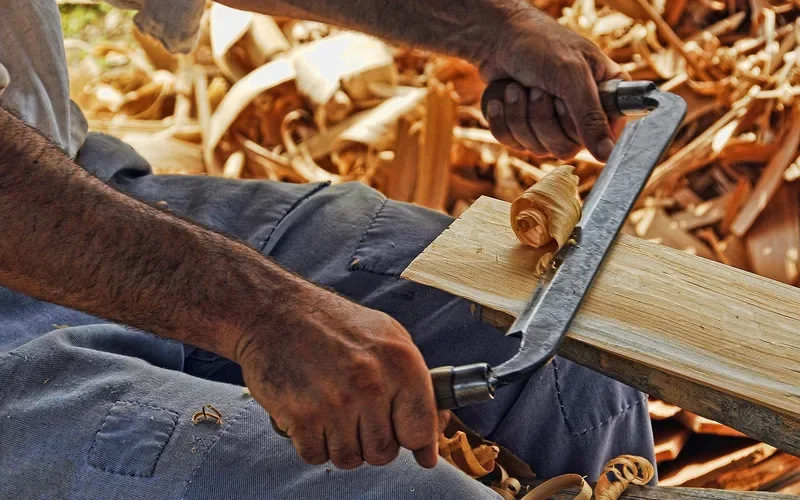
Build Your Own Stretcher Bars: Basic Steps
A basic set is four bars, simple joints and a brace for large sizes. Simple stretchers use butt joints at the corners, while French-style stretchers use mitre joints and small wedges called keys that you tap in after stretching to add tension.
- Pick straight stock: sight down each board and reject any with bow, twist or large knots.
- Mill the bars: rip them to a slim profile and ease the top edge with a plane or sandpaper so the canvas will not crease.
- Cut the corners: a miter saw gives clean 45 degree cuts, or cut simple butt joints if you prefer.
- Glue and clamp square: use a good wood glue and check that the two diagonals match. See our wood glue buying guide and clamp time chart.
- Add a cross brace if the longest side passes about 30 inches.
- Check flatness on a table before stretching, then stretch, staple and, if you cut keys, tap them in.
If you want stronger corners than butt joints, our guides to mortise and tenon joints and hand-cut dovetails cover the traditional options.
Buy Ready-Made or Build?
For most painters, ready-made bars are the easier route at small and medium sizes because the milling is already done. Building your own makes sense for odd sizes, very large works, or when you want to match a specific depth. Either way the same rules apply: kiln-dried pine or poplar, straight grain, and a brace once the canvas gets big.
Finishing and Caring for the Wood
Stretcher bars are usually left bare because they sit behind the canvas. If you finish a decorative outer frame in pine, see our notes on the best finish for pine wood. Hang canvases away from radiators, direct sun and damp walls, since humidity swings are what make wood move.
Frequently Asked Questions
What wood is best for canvas stretcher bars?
Kiln-dried, straight-grained pine or poplar. Both are light and stable, and white pine has the lowest shrinkage of the common options. Choose clear boards without knots, and add a cross brace once the longest side passes about 30 to 36 inches.
Is pine or poplar better for canvas frames?
Pine is lighter and moves less, so it is the traditional choice for stretcher bars. Poplar is harder, which resists dents better. For bars behind a canvas, both work if the wood is properly kiln-dried and free of knots.
Can you use plywood or MDF for canvas frames?
Plywood or MDF is better as a rigid panel backing than as stretcher bars. A stretcher needs a slim, rounded-edge bar that canvas can wrap over, which solid, kiln-dried softwood provides more easily.
Do canvas stretcher bars need a cross brace?
Yes for larger canvases. Sources put the threshold between about 24 and 40 inches on the longest side, with 30 to 36 inches typical. Place the brace perpendicular to the long bar, halfway along, to stop the frame twisting.
Conclusion
For canvas frames, choose kiln-dried, clear pine or poplar, keep basswood for lighter jobs, and save oak and walnut for decorative outer frames. Add a cross brace once the canvas passes roughly 30 inches, and give the boards time to settle in your room before you cut them.
Sponsored / affiliate links. As an Amazon Associate I earn from qualifying purchases. I may earn additional commission from eligible campaigns.