Is Poplar Food Safe? Not Toxic, but Too Porous for Cutting Boards
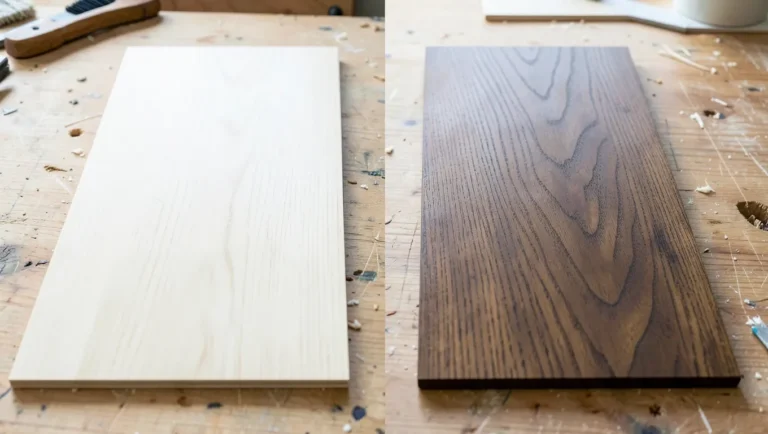
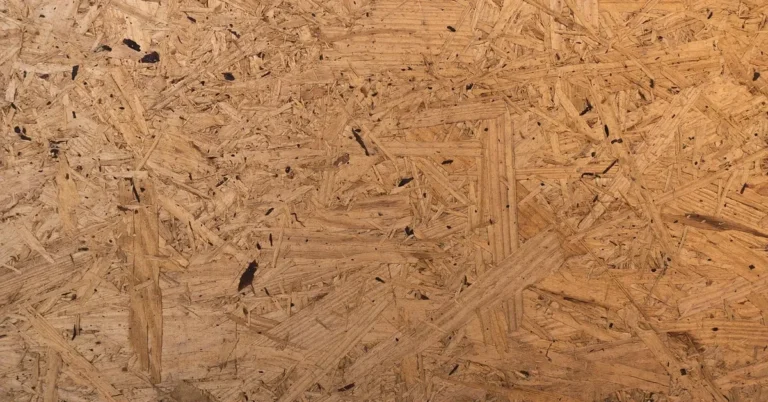
Poplar wood is not toxic and carries no inherent food-safety hazard — it isn’t going to leach harmful compounds into food. The real issue is structural: poplar’s soft, open grain (Janka hardness around 540 lbf, much softer than maple’s 1,450 lbf) absorbs moisture and knife-mark bacteria more readily than a dense, closed-grain hardwood, which is why it’s a poor choice specifically for a heavily-used cutting surface, not because it’s poisonous.
Why Grain Density Actually Matters for Food Contact
The Actual Recommended Wood for Cutting
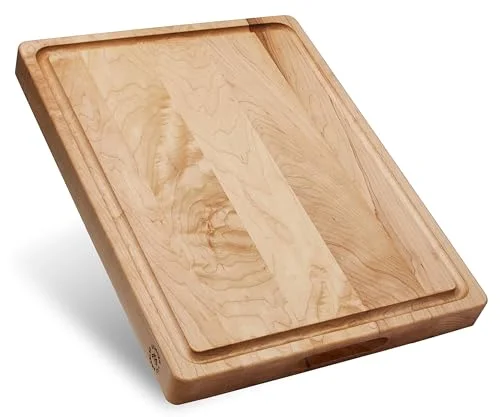 |
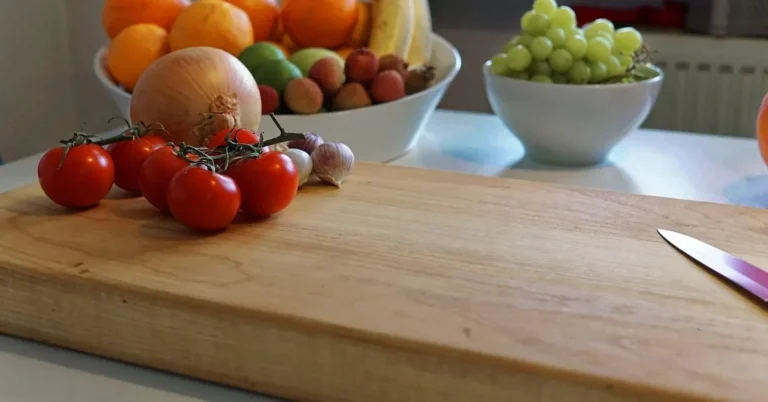
Sonder Los Angeles Hard Maple Wood Cutting Board – $99.99 Maple’s tight, closed grain is what food-safety guidance actually recommends over poplar for a real cutting surface.
|
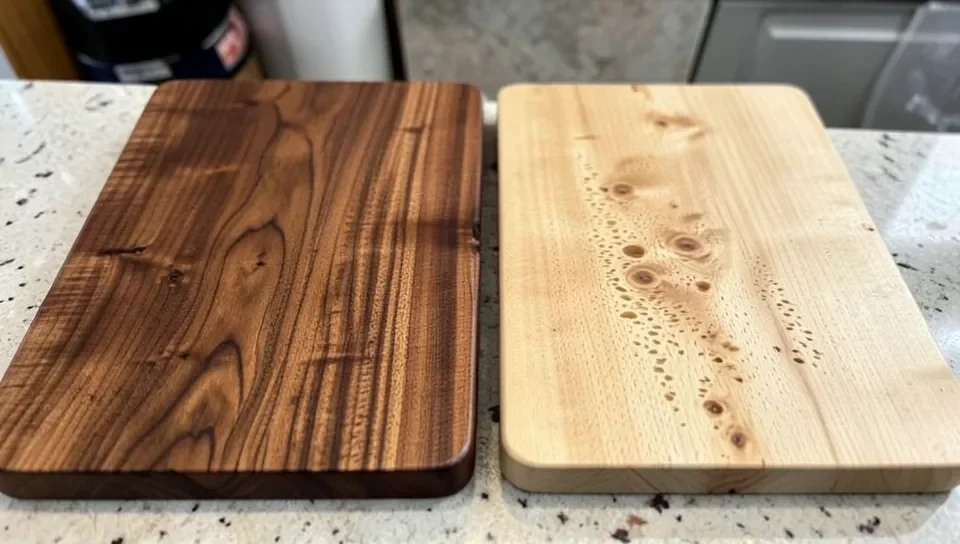
A cutting board’s real food-safety performance comes down to how well its surface resists trapping bacteria in knife scars, and that’s directly tied to wood density and grain structure — a dense, tight-grained wood like maple closes back up after a knife cut more than a soft, open-grained wood like poplar does. This is well-established in food-service wood science and is the actual reason maple and walnut dominate professional cutting board recommendations, not an arbitrary preference.
What Poplar Is Actually Fine For
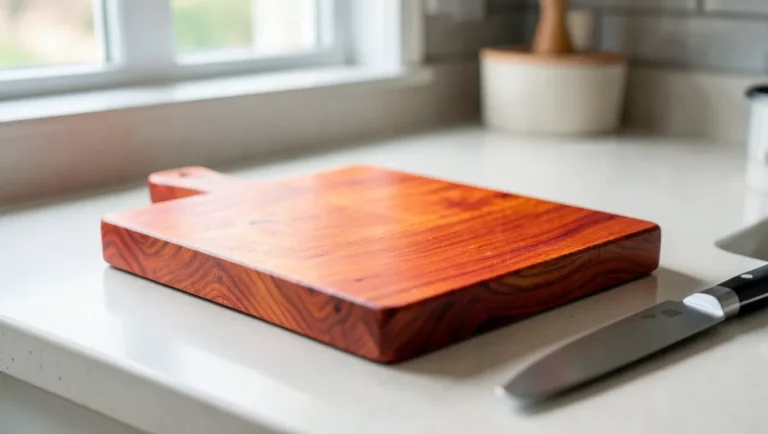
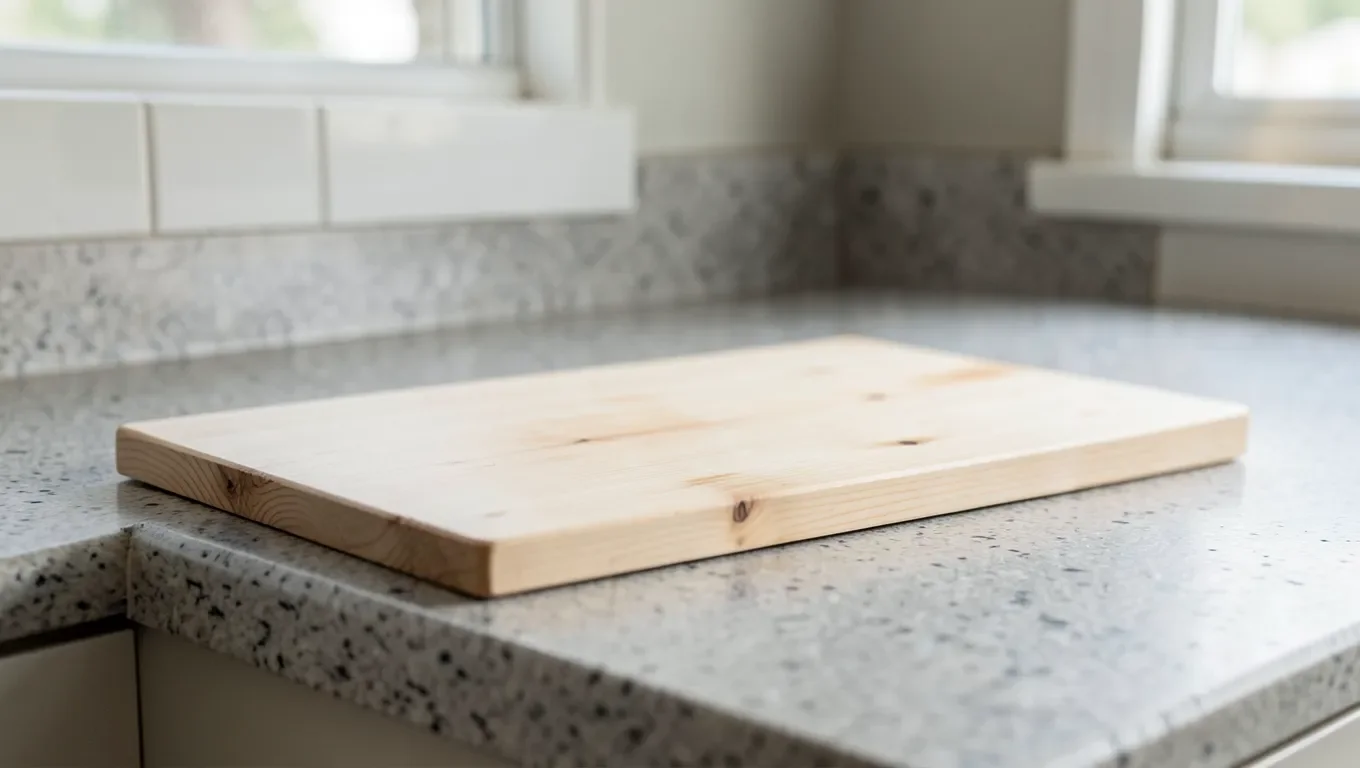
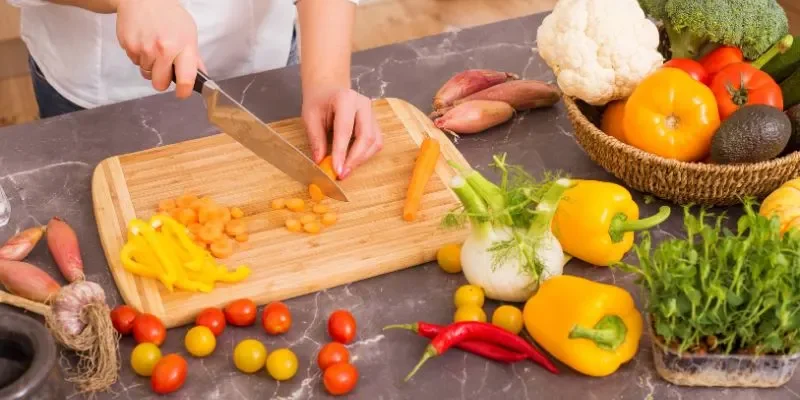
Poplar is genuinely fine for light-duty or decorative kitchen use — a serving board, a cheese presentation board, or a cutting board used occasionally and washed promptly — where heavy, repeated knife contact isn’t the main use case. It’s not banned or hazardous; it’s simply outperformed by denser hardwoods for a board that sees daily heavy chopping.
There’s No Special “Food Safe Wood” Certification
There isn’t an FDA-specific “food safe wood species” list — the FDA’s food-contact guidance focuses more on finish (using a food-safe mineral oil or wax, not a wood species restriction) and general sanitary practice than banning specific species. Any hardwood without inherent toxins (walnut, maple, cherry, birch, poplar included) is broadly acceptable for food contact when finished appropriately; the practical difference between species is durability and bacteria resistance, not a legal food-safety distinction.
Frequently Asked Questions
Is poplar wood toxic?
No. Poplar isn’t toxic and doesn’t leach harmful compounds into food. Its drawback for cutting boards is structural (soft, open grain), not a toxicity concern.
Why is maple recommended over poplar for cutting boards?
Maple’s denser, tighter grain resists trapping bacteria in knife marks better than poplar’s softer, more open grain, making it more sanitary for heavy daily cutting use.
Is there an official list of food-safe wood species?
No specific FDA species list exists. Guidance focuses more on using a food-safe finish and sanitary practice than restricting particular non-toxic wood species.
Conclusion
Poplar is not toxic and is a reasonable choice for light or decorative kitchen use, but its soft, open grain makes it a weaker choice than maple or walnut for a heavily-used cutting board. This is a durability and hygiene question, not a safety hazard.
Sponsored / affiliate links. As an Amazon Associate I earn from qualifying purchases. I may earn additional commission from eligible campaigns.