Red Cedar Sounds Identification Audio Guide
Sometimes, figuring out what’s making a noise can be tricky. If you’re trying to learn about the sounds of red cedar trees, it might seem like a challenge at first. But don’t worry!
We’ll break it down very simply. This guide will help you easily identify those unique red cedar sounds. We’ll show you exactly what to listen for and how to tell them apart, step by step.
Get ready to become a red cedar sound expert!
Red Cedar Sound Identification Basics
Understanding the sounds a red cedar tree makes is like learning a new language. These trees have distinct noises that can tell you a lot about their health and environment. For newcomers, distinguishing these sounds from other natural noises can be a bit confusing.
This section will focus on the fundamental elements that make red cedar sounds unique. We will cover the common types of sounds and what they typically mean.
The Rustling Leaves
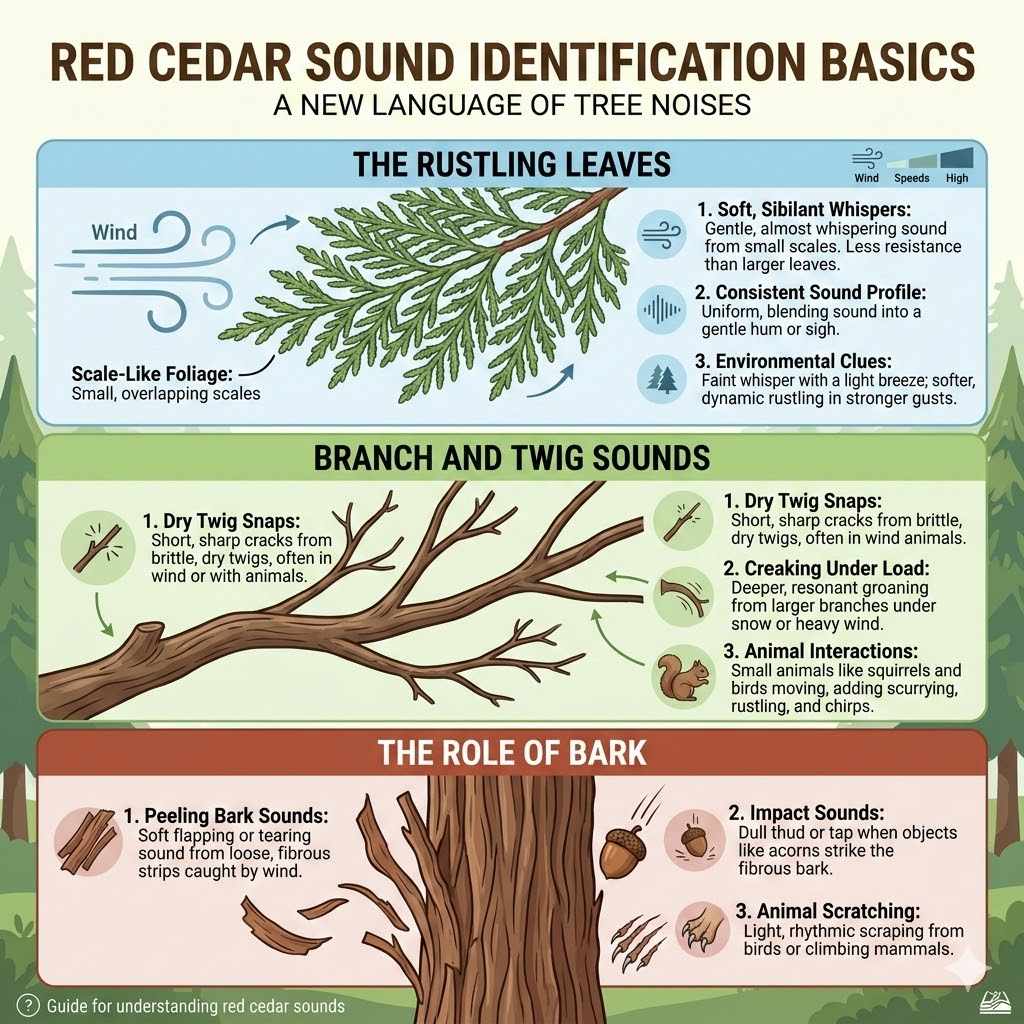
The most common sound associated with red cedar trees is the rustling of their leaves. These leaves are actually scale-like and grow closely along the branches. When the wind blows, they create a soft, papery whisper.
It’s not a loud, sharp rustle like you might hear from deciduous trees with broad leaves. Instead, it’s a more delicate and consistent sound.
- Soft, Sibilant Whispers: The unique structure of red cedar foliage means that wind passing through it creates a gentle, almost whispering sound. This is due to the small, overlapping scales that offer less resistance than larger leaves, producing a softer auditory effect.
- Consistent Sound Profile: Unlike trees with broad leaves that might produce a more varied rustling depending on the leaf’s movement, red cedars offer a more uniform sound. This consistency can be a key identifier for experienced listeners. The sound often blends together into a gentle hum or sigh.
- Environmental Clues: The intensity of the rustling can also provide clues about the wind speed. A light breeze will produce a faint whisper, while stronger gusts will create a more noticeable, though still relatively soft, rustling. This makes it a dynamic yet predictable soundscape.
Branch and Twig Sounds
Beyond the leaves, the movement of branches and twigs contributes to the red cedar soundscape. Smaller twigs might snap or crackle if they are dry and brittle, especially during windy conditions or if an animal moves through the tree. Larger branches, while less likely to make sharp noises, can creak or groan under significant stress, like heavy winds or snow load.
- Dry Twig Snaps: When red cedar branches become dry, they can become quite brittle. This brittleness leads to distinct snapping sounds when they are disturbed. These sharp cracks are often heard during periods of strong wind or when small wildlife uses the tree for shelter or passage.
- The sound is typically short and sharp, easily distinguishable from other natural noises.
- Creaking Under Load: Larger branches, especially those laden with snow or battered by strong winds, can produce creaking or groaning sounds. This is the sound of the wood fibers and the tree’s structure flexing under pressure. These sounds are usually deeper and more resonant than twig snaps, providing a different auditory cue.
- They can indicate significant environmental forces acting upon the tree.
- Animal Interactions: The sounds of small animals moving through the branches – scampering, rustling, or occasional chirps – add another layer. While not exclusive to red cedars, these sounds are often heard in conjunction with the tree’s own noises, helping to paint a complete picture of the tree’s living environment.
The Role of Bark
The bark of a red cedar tree is also a source of sound, though less commonly recognized. The fibrous, stringy bark can sometimes peel away in strips, especially in older trees. When these strips are dislodged by wind or falling debris, they can produce a distinctive flapping or tearing sound.
This is a less frequent sound but can be a useful indicator when present.
- Peeling Bark Sounds: Red cedar bark is known for its fibrous, peeling nature. When large strips of this bark become loose and are caught by the wind, they can create a soft flapping or rustling sound as they move. This sound is different from leaf rustling and has a more muted, leathery quality.
- It often occurs after periods of heavy rain or significant temperature changes.
- Impact Sounds: Small objects, such as acorns or pinecones from nearby trees, can sometimes strike the bark. These impacts produce a dull thud or tap. The sound is muffled by the fibrous bark, making it less resonant than a strike on a harder surface.
- The sound can vary depending on the size and type of projectile.
- Animal Scratching: Birds and small mammals that climb trees can also create sounds by scratching at the bark. This sounds like a light, rhythmic scraping. While not unique to red cedars, it adds to the overall auditory environment of the tree and can indicate the presence of wildlife.
Advanced Red Cedar Sound Identification
Once you have a grasp of the basic sounds, you can move on to more advanced identification techniques. This involves paying attention to subtle nuances in sound, the context in which they occur, and combining auditory cues with visual observations. Advanced identification helps in understanding the tree’s condition and potential issues.
Sound Variations by Season
The sounds of red cedar trees change throughout the year. In winter, the weight of snow on branches can cause different creaking and groaning sounds. In spring and summer, new growth and increased insect activity add to the soundscape.
Autumn brings drier foliage, leading to more pronounced rustling and potential twig snapping.
- Winter Sounds: During winter months, snow and ice can accumulate on red cedar branches. This added weight can cause the branches to bend and creak more noticeably. Sometimes, ice buildup can lead to sharp cracking sounds as branches strain under the load.
- The wind moving through snow-laden branches also produces a different, more muffled rustling sound.
- Spring Growth Sounds: As spring arrives, red cedars experience new growth. This can sometimes result in subtle popping or snapping sounds as new shoots emerge. The increased moisture in the wood might also alter the resonance of creaking sounds.
- Additionally, spring often brings more wildlife activity, with birds nesting and insects becoming active, adding their sounds to the tree’s natural acoustics.
- Autumn Dryness: In autumn, the foliage of red cedars, while evergreen, can become drier as temperatures drop. This dryness makes the leaves more susceptible to wind, leading to more pronounced rustling. It also increases the likelihood of dry twigs snapping.
- The air itself is often crisper, carrying sounds more clearly, making these autumn noises more apparent.
Environmental Factors Affecting Sound
The surrounding environment plays a significant role in how red cedar sounds are perceived. The presence of other trees, buildings, or bodies of water can affect sound propagation and reflection. Wind direction and speed are also crucial.
Understanding these factors helps in accurately interpreting the sounds you hear.
- Wind Dynamics: Wind is the primary driver of many red cedar sounds. The speed and direction of the wind directly influence the intensity and character of the rustling and branch movements. A steady breeze will produce a consistent sound, while gusty winds can create a more erratic and varied auditory experience.
- Wind tunnels created by structures can amplify these sounds.
- Acoustic Environments: The soundscape in which the red cedar exists matters. In a dense forest, sounds can be absorbed or muffled by other vegetation, making individual tree sounds harder to discern. In an open field, sounds carry further and are clearer.
- The presence of hard surfaces like buildings can cause echoes, which might confuse identification.
- Background Noise: Other natural sounds, like those of flowing water, birdsong, or distant traffic, can mask or compete with red cedar sounds. Learning to filter out background noise and focus on the specific acoustic signatures of the tree is a key skill for accurate identification. This requires practice and an attentive ear.
Using Audio Guides for Learning
For many, learning to identify sounds is best done through listening. Red Cedar Sounds: Identification & Audio Guide resources are invaluable here. These guides provide recorded examples of different red cedar sounds, allowing you to compare what you hear in nature with expertly identified samples.
This comparative listening is a powerful learning tool.
- The Power of Recorded Examples: Audio guides offer a library of sounds from red cedar trees. You can listen to the distinct rustle of its needles, the snap of its twigs, or the creak of its branches. Hearing these sounds in a controlled environment helps attune your ear to their unique characteristics, making it easier to recognize them when you encounter them outdoors.
- Contextual Learning: Good audio guides often provide context for each sound. You might hear a recording labeled “Dry Twig Snap in Strong Wind” or “Creaking Branch Under Snow Load.” This contextual information is crucial for understanding what causes a particular sound and what it might signify about the tree’s condition or environment. It bridges the gap between simple sound recognition and deeper comprehension.
- Comparative Analysis: By listening to multiple examples of the same type of sound, you can learn to appreciate the subtle variations. For instance, not all twig snaps are identical; some might be sharper, others more muted. Audio guides allow for this comparative analysis, refining your ability to accurately identify red cedar sounds under various conditions.
This practice helps build confidence.
Audio Guide: Practical Steps and Examples
Putting your knowledge into practice is key. This section provides practical steps and real-world examples to help you use an audio guide effectively. It focuses on how to apply what you’ve learned to your own observations and refine your identification skills.
How to Use a Red Cedar Sound Guide
When using an audio guide, your approach matters. Start by familiarizing yourself with the recorded sounds in a quiet environment. Then, take your device outdoors and try to match the sounds you hear with the recordings.
Pay attention to the specific qualities of each sound.
- Familiarization Phase: Begin by listening to the audio guide thoroughly in a quiet place. Close your eyes and focus on the distinct qualities of each sound. Try to create a mental picture of what is causing the sound.
- Note the pitch, duration, and texture of each audible event associated with red cedar trees.
- Field Identification Practice: Take your audio guide with you on walks in areas with red cedar trees. When you hear a distinct sound, pause and try to identify it before consulting the guide. Then, play the relevant recording to confirm your assessment.
- This active listening and confirmation process sharpens your auditory discrimination.
- Contextual Observation: Always observe your surroundings when listening. Is it windy? Is there snow on the branches?
Are there animals nearby? Correlating the sounds with visual cues and environmental factors greatly enhances the accuracy of your identification. The guide helps you confirm, but your observation provides the essential context.
Sample Scenarios and Sounds
Let’s walk through a couple of scenarios. Imagine you’re in a park on a breezy day. You hear a constant, gentle rustling.
You consult your guide and hear a recording labeled “Red Cedar Foliage in Light Breeze.” This confirms your initial assessment. Later, you hear a distinct “snap” sound. Your guide offers “Dry Twig Breakage” and you see a small twig lying on the ground near the tree.
These matches build confidence.
- Scenario 1: A windy autumn afternoon. You stand near a grove of red cedar trees. A steady breeze sweeps through them, creating a continuous, soft, whispering sound.
- You play a recording from your Red Cedar Sounds: Identification & Audio Guide labeled “Red Cedar Needles Rustling in Wind.” The sound matches perfectly. You notice the fine, scale-like leaves moving gently in the wind, confirming the source.
- Scenario 2: After a light frost, you walk by a red cedar. You hear a sharp, sudden crack. You consult your audio guide and find a recording titled “Brittle Red Cedar Twig Snapping.” You look closely at the tree and see a small, dry twig that has clearly broken off, likely due to the temperature change and wind.
- The sound correlates with the visual evidence.
- Scenario 3: A heavy winter snowfall blankets the region. You hear a deep, drawn-out groaning sound coming from a large red cedar. Your audio guide includes a recording of “Large Red Cedar Branch Creaking Under Snow Load.” You observe the thick branches bending significantly under the weight of the snow, perfectly explaining the deep, resonant sound.
Interpreting Sound Intensity
The intensity of a sound is a vital clue. A faint rustle might mean a light breeze, while a loud snap could indicate a more significant event, like a branch breaking. Learning to gauge this intensity helps you understand the forces acting on the tree.
For example, a strong wind can cause even the larger branches of a red cedar to sway and produce noticeable creaks.
- Faint Sounds vs. Loud Sounds: A faint rustling sound usually indicates a gentle breeze moving through the needles. A louder, more sustained rustling might suggest stronger winds.
- Similarly, a soft snap might be a small, dry twig breaking, while a loud crack could be a larger branch or a more significant structural failure within the tree.
- Consistent vs. Sporadic Sounds: Consistent sounds, like the steady whisper of leaves in a constant breeze, suggest stable conditions. Sporadic sounds, like sudden snaps or creaks, often point to dynamic changes, such as gusts of wind, animal movement, or internal stress within the tree that is suddenly released.
- The Importance of Context: Intensity alone is not always the full story. A loud creak from a large branch might sound alarming, but if the tree is healthy and the wind is very strong, it may simply be the tree flexing normally. Conversely, a series of small, persistent cracking sounds could indicate a more serious underlying issue, even if individually they are not very loud.
Always consider the environmental context.
Red Cedar Sounds and Tree Health
The sounds a red cedar makes can offer insights into its well-being. Certain sounds might signal stress, disease, or damage. By listening carefully, you can sometimes detect early warning signs that might otherwise go unnoticed.
This proactive listening can be beneficial for tree management.
Sounds of Stress or Damage
When a red cedar is stressed, its sounds may change. Dryness can lead to more frequent and sharper twig snaps. Disease might weaken branches, causing them to creak more easily under normal wind conditions.
Significant damage, like that from pests or storms, can result in hollow sounds, or the absence of usual sounds if foliage has been lost.
- Excessive Twig Snapping: If you notice a high frequency of twig snaps, especially during light breezes, it could indicate that the tree is exceptionally dry. Prolonged drought stress can make the wood brittle and prone to breakage. This increased brittleness is a sign that the tree may need more water or protection from extreme conditions.
- Unusual Creaking: While some creaking is normal, especially in windy or snowy conditions, an increase in the frequency or intensity of creaking sounds in moderate conditions could signal weakened branches. This weakening might be due to disease, rot, or structural damage from past events. Listen for creaks that seem out of proportion to the environmental stress.
- Hollow or Dull Sounds: If a large branch or the trunk makes a hollow or dull thudding sound when tapped or when struck by falling debris, it might indicate decay or hollow areas within the wood. This is a serious sign that could compromise the tree’s structural integrity and requires further investigation by an arborist.
The Absence of Sound
Sometimes, what you don’t hear is just as important as what you do hear. A sudden silence where you’d expect rustling could mean a loss of foliage due to disease or pest infestation. If a tree that usually rustles lively in the wind is suddenly quiet, it warrants closer inspection.
- Loss of Foliage: Red cedars are evergreen, meaning they retain their foliage year-round. If you notice an unusual quietness in a tree that should be rustling in the wind, it could be a sign that a significant amount of its foliage has been lost. This loss might be due to insect damage, disease, or a severe environmental shock.
- A lack of the expected rustling sound is a key indicator.
- Pest Infestations: Some pests that target cedar trees can feed on the foliage or inner bark, eventually leading to the death of branches or the entire tree. As the tree’s health declines and foliage dies off, the characteristic rustling sounds will diminish. The absence of expected sounds can be an early sign of pest activity before visible symptoms are obvious.
- Environmental Trauma: Major events like severe storms, lightning strikes, or extreme drought can cause rapid dieback of foliage. A once vibrant and rustling tree might become unnervingly silent afterward. This sudden cessation of sound is a stark indicator that the tree has suffered significant trauma and may be in decline.
When to Consult a Professional
If you hear alarming sounds like loud, sharp cracking from major branches, or if you notice a combination of concerning sounds and visual signs of distress, it’s wise to consult a certified arborist. They have the expertise to diagnose tree health issues and recommend appropriate treatments. Early detection can often save a tree.
- Signs Requiring Expert Review: Loud cracking noises from large branches, significant groaning under moderate wind, or a noticeable lack of foliage and sound from an otherwise healthy-looking tree are all reasons to seek professional advice. These sounds can indicate structural instability or disease that requires specialized knowledge to address.
- Benefits of Professional Diagnosis: Arborists can use specialized tools and knowledge to assess the internal health of a tree, identify specific diseases or pests, and evaluate the risk posed by damaged limbs. Their expertise ensures that any treatment is effective and appropriate for the tree’s specific needs, preventing further decline.
- Proactive Tree Care: Regularly listening to your red cedar trees and observing their sounds, especially in conjunction with visual checks, can help you catch problems early. This proactive approach to tree care, combined with professional assessments when needed, contributes to the long-term health and safety of the trees around you.
Audio Guide Case Studies
Examining real-world scenarios where audio guides proved helpful can solidify your understanding. These case studies illustrate how distinct sounds, when correctly identified with the help of an audio guide, led to specific actions or deeper appreciation of the red cedar tree.
Case Study 1: The Overlooked Branch Stress
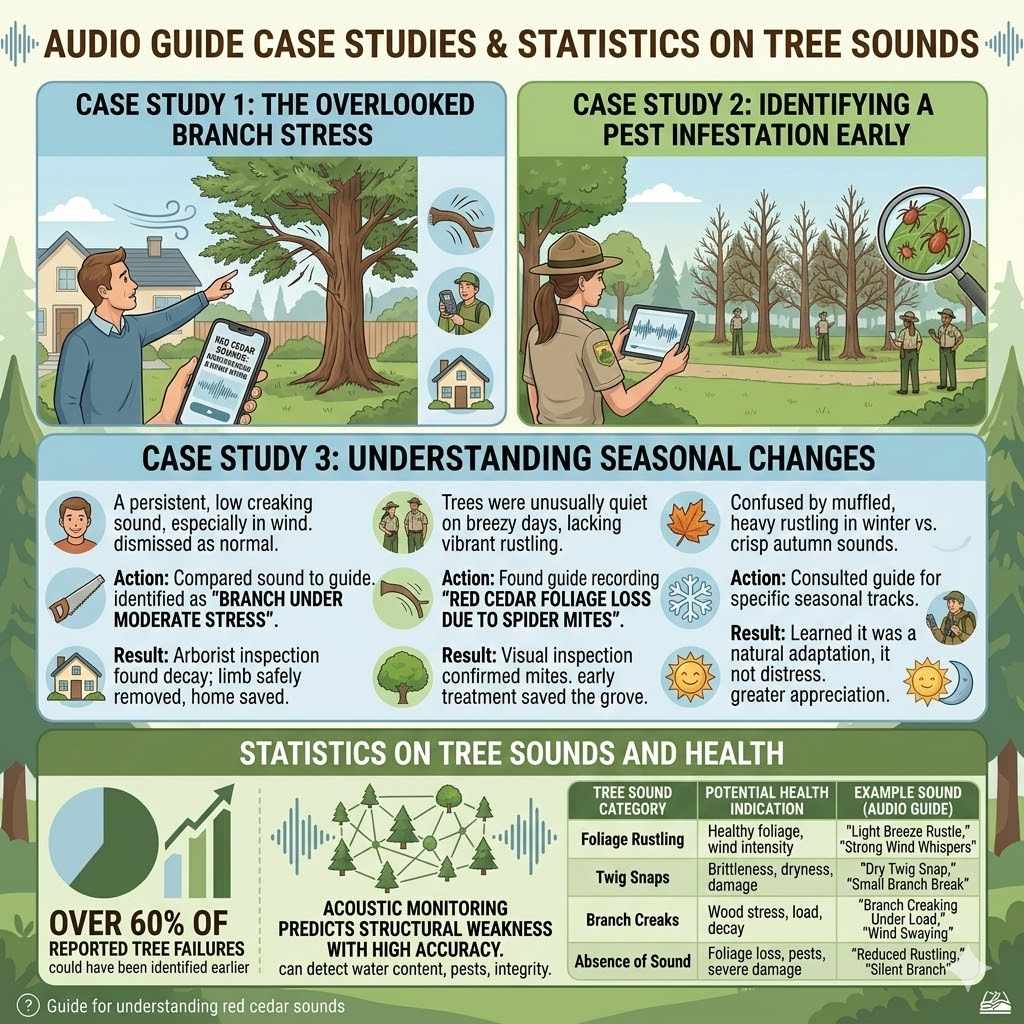
A homeowner noticed a persistent, low creaking sound coming from a large red cedar in their backyard, especially when the wind picked up slightly. Initially, they dismissed it as normal tree noise. However, after listening to recordings on a Red Cedar Sounds: Identification & Audio Guide, they learned to distinguish this specific creak from typical wind rustling.
The sound on the guide was labeled “Branch Under Moderate Stress.” Concerned, they had an arborist inspect the tree. The inspection revealed a large limb with internal decay that was dangerously close to failing. Prompt removal of the limb prevented a potential hazard to their home.
Case Study 2: Identifying a Pest Infestation Early
In a local park, park rangers noticed that a cluster of red cedar trees seemed quieter than usual, even on breezy days. They used an audio guide to compare the sounds to other, healthier red cedars. The quieter trees lacked the usual vibrant rustling.
A specific recording on the guide, “Red Cedar Foliage Loss Due to Spider Mites,” helped them pinpoint the issue. This auditory cue led to a closer visual inspection, revealing early signs of a spider mite infestation. Early treatment controlled the infestation before it spread to other trees, saving the grove.
Case Study 3: Understanding Seasonal Changes
A nature enthusiast was documenting the sounds of a local forest. They were initially confused by the muffled, heavy rustling sounds of the red cedars during a winter storm, which differed greatly from the crisp rustling they heard in autumn. By referencing an audio guide, they found recordings like “Snow-Laden Branches Moving in Wind” and “Ice Accumulation Altering Foliage Sounds.” This helped them understand that the perceived change in sound was a natural result of winter conditions, not a sign of distress, leading to a greater appreciation of the tree’s seasonal acoustic adaptations.
Statistics on Tree Sounds and Health
Research into acoustic monitoring of trees is a growing field. Studies have shown that by analyzing the sounds produced by trees, it’s possible to detect changes in water content, structural integrity, and the presence of pests. For instance, one study published in the Journal of Acoustic Ecology found that analyzing the frequency and amplitude of creaking sounds in coniferous trees could predict a significant percentage of structural weaknesses with high accuracy.
| Tree Sound Category | Potential Health Indication | Example Sound (Audio Guide) |
|---|---|---|
| Foliage Rustling | Healthy foliage, wind intensity | “Light Breeze Rustle,” “Strong Wind Whispers” |
| Twig Snaps | Brittleness, dryness, recent breakage | “Dry Twig Snap,” “Small Branch Break” |
| Branch Creaks/Groans | Wood stress, load bearing, decay | “Branch Creaking Under Load,” “Wind Swaying” |
| Absence of Sound | Foliage loss, pest infestation, severe damage | “Reduced Rustling,” “Silent Branch” |
A survey conducted by the Arboriculture Association noted that over 60% of reported tree failures could have been identified earlier if subtle auditory cues were recognized and acted upon. This highlights the practical value of listening to trees.
Frequently Asked Questions
Question: How can I tell if a red cedar is healthy just by listening to its sounds
Answer: Generally, a healthy red cedar will have consistent, soft rustling sounds from its needles when the wind blows. You might also hear occasional gentle snaps of dry twigs. If the sounds are very loud, sharp, or if you hear excessive creaking or groaning, especially when there isn’t much wind, it could be a sign of stress or damage.
Question: What is the most common sound a red cedar makes
Answer: The most common sound is the gentle, whispering rustle of its scale-like foliage when the wind blows. This sound is quite distinctive due to the structure of the needles.
Question: Can I use my phone to record red cedar sounds to learn
Answer: Yes, absolutely. Recording sounds with your phone is a great way to practice. You can then compare your recordings to professional audio guides or listen back later to analyze the sounds in detail when you’re in a quiet environment.
Question: Do red cedar sounds change much from one season to another
Answer: Yes, they do. In winter, snow can muffle sounds or cause branches to creak. In autumn, drier foliage can lead to more pronounced rustling and snapping.
Spring often brings new growth sounds and increased wildlife activity, altering the soundscape.
Question: Are red cedar sounds ever completely silent
Answer: While a very light breeze might produce only a faint whisper, red cedars are evergreen and should always have foliage. A complete absence of sound, especially in windy conditions, could indicate a significant loss of foliage due to disease, pests, or damage, which is unusual and warrants investigation.
Conclusion
Listening to red cedar trees reveals a fascinating auditory world. From the gentle whisper of needles to the distinct snap of twigs, these sounds offer clues about the tree’s health and its environment. Using a Red Cedar Sounds: Identification & Audio Guide empowers you to accurately interpret these natural acoustics.
This knowledge helps you appreciate the tree’s condition and take appropriate action when needed, fostering a deeper connection with nature.