Cedar Wood Swing Set: CPSC Safety Specs + How Long It Lasts
Cedar swing sets last 20 to 30 years outdoors — nearly twice as long as pressure-treated pine — but only if you reseal every 1 to 3 years and meet CPSC’s fall-zone specs (6 ft of clearance on every side, per Publication 325). Skip either step and a set built to last two decades can crack or loosen within five. This guide covers real safety numbers, cedar’s actual lifespan, and what to check before buying.
Insert your Affiliate Disclosure reusable block here.
Quick Answer
Yes — cedar is one of the two best woods for a swing set (redwood is the other) because its heartwood is USDA-rated decay-resistant and won’t splinter like pressure-treated pine. Expect 20–30 years of life with resealing every 1–3 years, versus 10–15 years for treated pine. Check the hardware spec, not just the word “cedar,” before buying.
Why Cedar Is One of the Best Woods for a Swing Set
Best Cedar Sealer Pick
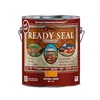
Ready Seal 112 Stain and Sealer, Natural Cedar (1 gal)
A penetrating oil sealer/stain made specifically in a cedar tone, applied with a brush, roller, or sprayer with no separate primer step.
- Best for: matching or refreshing a cedar swing set’s natural tone in one coat
- Why we picked it: no lap marks, forgiving for a first-time DIY resealing job on a large play structure
- Main drawback: oil-based, so cleanup needs mineral spirits, not soap and water
Compare more cedar sealer options
 Option 1 Thompson’s WaterSeal Clear Wood Sealer (1 gal)
|
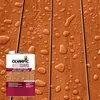 Option 2 Olympic WaterGuard Woodland Cedar (1 gal)
|
 Option 3 Thompson’s WaterSeal Semi-Transparent, Natural Cedar (1 gal)
|
As an Amazon Associate we earn from qualifying purchases.
Cedar heartwood is rated “resistant” to decay by the USDA Forest Products Laboratory, while most pine used in budget playsets is rated “slightly or nonresistant.” That single rating is why cedar shows up in nearly every commercial swing set line: it shrugs off rot, resists insects without added chemicals, and its natural oils slow decay from the inside out — not just at a treated surface layer.
It also matters for a product kids touch with bare hands and bare feet: cedar’s straight, even grain sands smooth and stays smoother longer than pine, so it’s less prone to raising splinters as the finish wears. None of that makes cedar maintenance-free — see the sealing schedule below — but it does mean a well-built cedar set tolerates a missed year of upkeep better than pine does.
📊 Cedar heartwood is rated “resistant” to decay; most pine is rated “slightly or nonresistant.” — Source: USDA Forest Products Laboratory, Wood Handbook (decay-resistance ratings by species)
Cedar vs Redwood vs Pressure-Treated Pine: Which Should You Buy?
All three woods show up in swing set listings, and the right pick usually comes down to budget versus how long you want to avoid replacing anything.
| Wood | Typical Outdoor Lifespan | Relative Cost | Best For |
|---|---|---|---|
| Cedar | 20–30 yrs, resealed every 1–3 yrs | Mid-range | Best all-around durability, low splinter risk |
| Redwood | 20–30+ yrs | Highest | Coastal/humid climates, minimal shrink-swell |
| Pressure-Treated Pine | 10–15 yrs | Lowest — roughly 20–30% less than cedar | Tight budgets, okay with earlier replacement |
Modern pressure-treated lumber for playsets uses copper-based preservatives rather than the older chromated arsenicals, and reputable manufacturers certify it safe for play surfaces — but it still needs earlier full replacement than cedar or redwood, and the chemical treatment sits at the surface rather than running through the grain the way cedar’s natural resistance does. For a deeper look at how the two hold up side by side, see our cedar vs pressure-treated comparison.
CPSC Safety Specs Every Cedar Swing Set Must Meet
This is the part most swing set buying guides skip, and it matters more than the wood species. The U.S. Consumer Product Safety Commission’s Public Playground Safety Handbook (Publication 325) sets the numbers manufacturers and installers are supposed to follow for home equipment — cedar included:
- Ground clearance: at least 8 in. between the ground and the bottom of a swing seat; at least 12 in. for a tire swing.
- Fall zone: a minimum 6 ft of protective surfacing in every direction from the outer edges of the swing set frame.
- Use zone (front/behind swings): protective surfacing extending in front of and behind each swing to a distance equal to twice the height of the top bar the swing hangs from.
- Swing spacing: at least 24 in. between adjacent swings, and at least 30 in. between a swing and the support frame.
- Hardware: S-hooks and C-hooks must be fully pinched closed — no gap wider than about 0.04 in. (roughly the thickness of a dime) — to prevent clothing entanglement and slip-out.
None of these are cedar-specific — they apply to any home swing set — but they’re also the numbers that most product listings never mention. Measure your install site against them before you buy, not after the set is bolted together.
“The two failures I see most on backyard cedar sets aren’t the wood — they’re S-hooks nobody re-pinched after the first winter, and a sealer coat that got skipped for two summers running until the swing beam started to gray and check at the grain.”
How Long Does a Cedar Swing Set Actually Last?
With regular resealing, cedar swing sets typically last 20 to 30 years outdoors. Skip the sealing entirely and that number drops well under half — unsealed cedar left exposed to sun and rain will gray, check, and soften at the surface far faster, even though the heartwood itself keeps resisting rot longer than most other softwoods. Climate matters too: high-UV and coastal locations need resealing closer to the 1-year mark, while shaded, drier yards can often stretch to 3 years between coats.
Does a Cedar Swing Set Need to Be Sealed?
Yes. Sealing isn’t optional maintenance — it’s what protects cedar’s color and surface integrity from UV and moisture cycling, which is the main thing that ages the wood faster than its natural rot-resistance would otherwise allow. See our full guide to sealing cedar for product types and application steps.
Maintenance: Cleaning, Hardware Checks, and Resealing
Four tasks cover essentially all cedar swing set maintenance. Do them in this order and on this schedule:
- Clean the wood: wash with mild soap and water every 3 months; scrub any mildew spots with a soft brush rather than a pressure washer, which can gouge softened cedar grain.
- Inspect hardware monthly: check every S-hook, bolt, and chain link. A closed S-hook should show no gap wider than about 0.04 in. — if you can slide a dime’s edge into the gap, re-pinch it with pliers.
- Reseal on schedule: apply a UV-rated exterior wood sealer or stain every 1 to 3 years, leaning toward the shorter end in high-sun or coastal climates.
- Check the fall zone: keep protective surfacing (mulch, sand, or rubber) topped up to the CPSC depths, and confirm ground cover still meets the clearances above — surfacing compacts and washes out over a season.
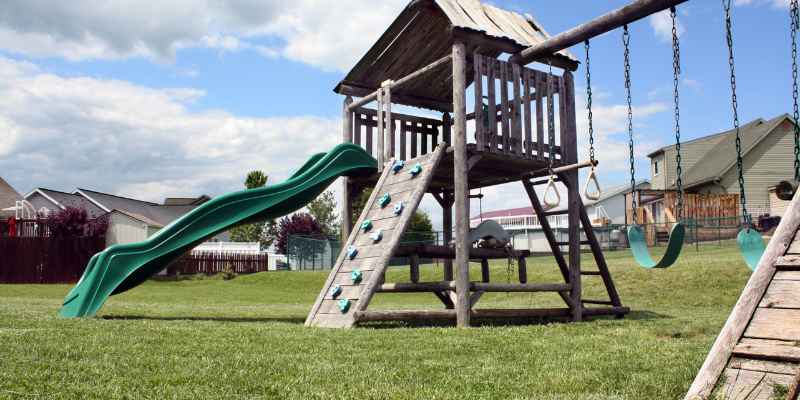
Choosing the Right Cedar Swing Set for Your Yard
Once you know cedar is the right material, the buying decision comes down to fit, not just features.
Space and Fall-Zone Planning
Measure your yard before you shop, not after delivery. Add the swing set’s footprint to the CPSC use-zone numbers above — 6 ft of clearance on every side, plus twice the top-bar height in front of and behind each swing — and confirm that combined space doesn’t overlap a fence, patio, or another play structure’s own use zone.
Age-Appropriate Features
- Younger children: look for swings with full harness seats, lower slide heights, and no exposed sharp edges or pinch points.
- Older children: confirm the weight rating on climbing walls and multi-child gliders — manufacturer specs vary, and a set built for toddlers won’t necessarily hold a group of 8-year-olds safely.
Cedar swing sets span a wide price range depending on size and features, and a higher price doesn’t automatically mean a safer or longer-lasting set — the lumber grade and hardware spec matter more than the brand name. Read the manufacturer’s stated warranty terms carefully: some cover the full structure, others only the swing beam or slide. For more on how cedar compares to other backyard structure materials, see our cedar vs redwood breakdown and our note on whether cedar rots outdoors.
If you’re weighing wood against a metal frame instead, our metal vs. wood swing set comparison covers that trade-off directly, and our DIY swing set plans are the better route if you’d rather build than buy.

Frequently Asked Questions
Is cedar wood good for a swing set?
Yes. Cedar heartwood is USDA-rated decay-resistant, naturally repels insects, and resists splintering better than pine as its finish wears — which is why it’s the most common material in mid-range and premium wooden swing sets.
How long do cedar swing sets last?
Typically 20 to 30 years when resealed every 1 to 3 years. Left unsealed and exposed to sun and rain, the surface will gray, check, and soften considerably faster, even though the heartwood itself keeps resisting rot longer than most other softwoods.
Does a cedar swing set need to be sealed?
Yes. Sealing protects cedar’s surface from UV and moisture cycling, which ages the wood faster than its natural rot-resistance alone would allow. Apply a UV-rated exterior sealer or stain every 1 to 3 years.
What is the best wood for an outdoor swing set?
Cedar and redwood are the top two choices, both USDA-rated decay-resistant. Cedar is usually the better value; redwood costs more but performs similarly, with slightly less shrink-swell in humid or coastal climates.
How much fall-zone clearance does a swing set need?
CPSC Publication 325 calls for a minimum 6 ft of protective surfacing in every direction from the frame, plus a use zone in front of and behind each swing equal to twice the height of the top bar it hangs from. Side clearance should run at least 6 ft from the swing’s perimeter.
How do I know if a swing set’s hardware is unsafe?
Check monthly for open S-hooks (any gap wider than about 0.04 in., roughly a dime’s thickness), loose or rusted bolts, and chain links with sharp edges or visible wear. An open S-hook is a clothing-entanglement and slip-out risk and should be re-pinched closed with pliers immediately.
Conclusion
Cedar earns its reputation as a top swing set material honestly — USDA-rated rot resistance, a smoother wear pattern than pine, and a 20-to-30-year lifespan when you keep up with resealing. The part worth double-checking before you buy is safety spec, not species: confirm ground clearance, fall zone, swing spacing, and hardware closure against CPSC Publication 325, and build resealing and hardware checks into your yearly routine from day one.
Sponsored / affiliate links. As an Amazon Associate I earn from qualifying purchases. I may earn additional commission from eligible campaigns.