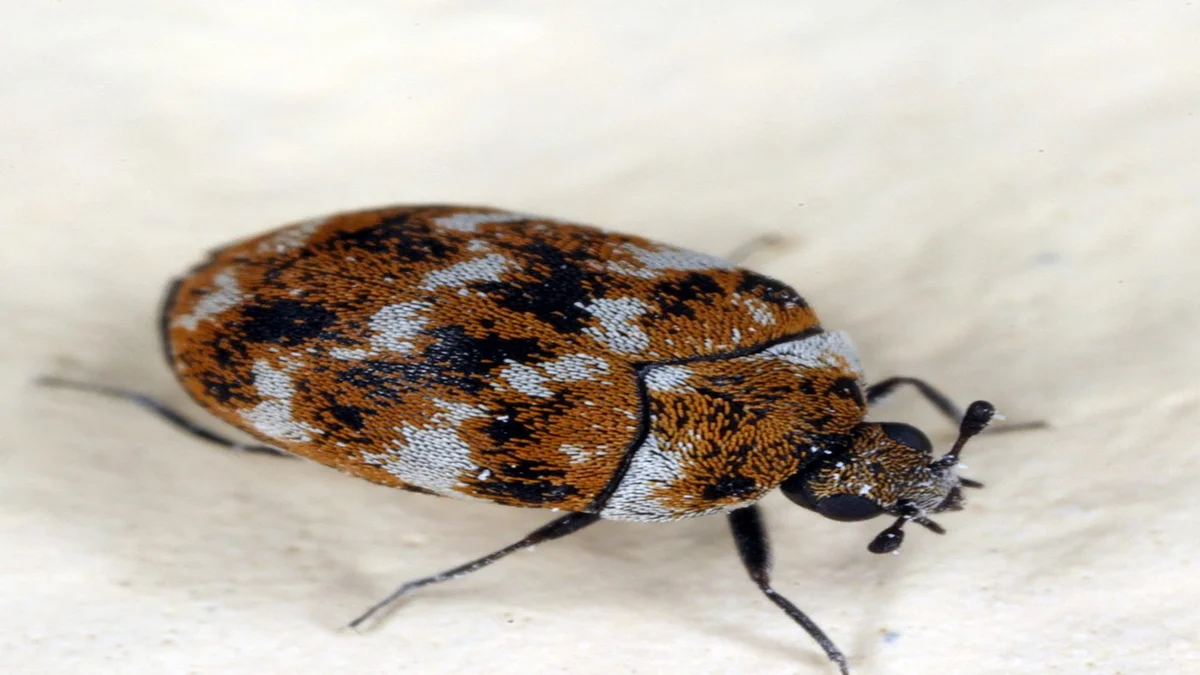
Does Cedar Repel Carpet Beetles? Not Reliably, and It Won’t Touch Larvae
Cedar’s natural oils have a mild repellent effect on adult carpet beetles while the wood is fresh, but they do not kill eggs or larvae, and larvae are the life stage that actually eats wool, fur, and feathers. That distinction is why cedar shows up in almost every home-remedy list for carpet beetles and also why it fails to solve an infestation that has already started. Here is what cedar’s oils actually do, why the effect fades, and what actually stops carpet beetle damage once larvae are present.
What Cedar’s Oil Actually Does
Best Cedar Blocks for Drawers and Closets
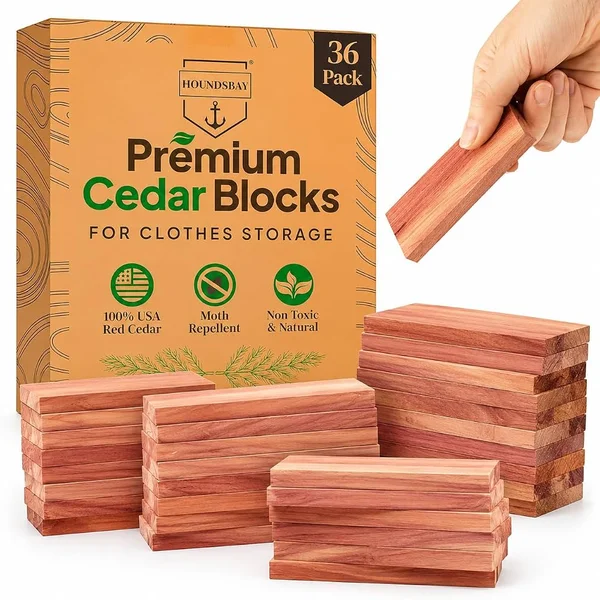 |
HOUNDSBAY Cedar Blocks, 36-Pack – $19.97 A reasonable supplementary deterrent for drawers and closets — not a substitute for the cleaning and laundering steps below if larvae are already present.
|
Cedar heartwood contains thujaplicins and related aromatic compounds that some insects find mildly repellent while the scent is strong (see our broader breakdown of which insects cedar actually repels for how this plays out with other pests). In practice, that means fresh cedar in a closet or drawer may discourage an adult beetle from lingering and laying eggs nearby. It is not an insecticide and it is not a fumigant — it does not have documented ovicidal or larvicidal effects at the concentrations present in household cedar products, which is the entomological reason pest control literature consistently rates it as a mild deterrent rather than a control method.
Clothes moths and carpet beetles get lumped together in most “cedar repels pests” advice, but they behave differently indoors. Moth larvae tend to stay on the fabric they hatched on, so a strong, consistent cedar scent in a small enclosed space can meaningfully disrupt them. Carpet beetle larvae are more mobile and will crawl to find food — lint, pet hair, dead insects, and stored wool or fur — along baseboards, under furniture, and inside vents, well outside the range of a cedar block’s scent. That is the practical reason cedar’s already-modest effect matters even less for carpet beetles than for moths.
Why the Effect Fades
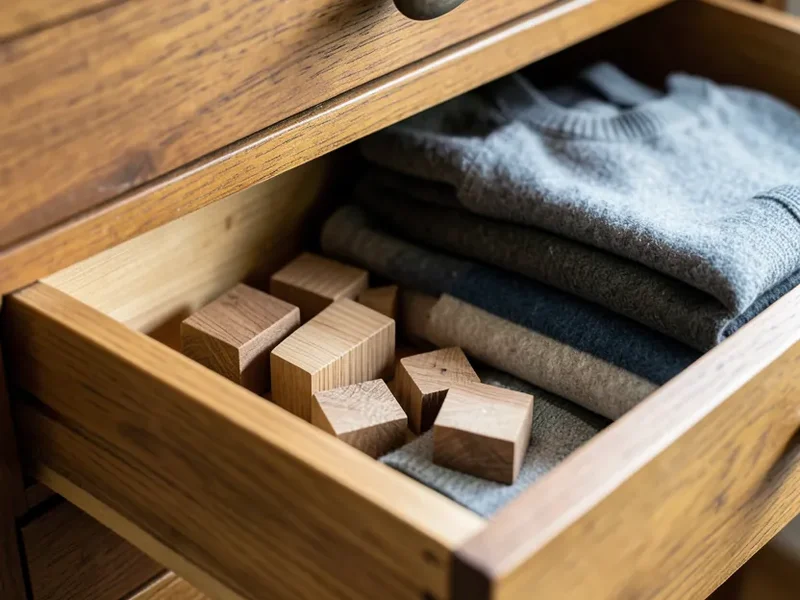
Cedar’s aromatic oils sit near the wood’s surface and evaporate over time — most cedar blocks and cedar-lined closets lose the bulk of their scent, and with it most of their deterrent effect, within about a year of exposure to open air. Light sanding removes the spent surface layer and exposes fresh, oil-bearing wood underneath, which restores some of the scent and effect. Skipping that maintenance is the most common reason someone reports “cedar stopped working” — it did not stop working so much as the surface oil ran out.
What Actually Stops an Active Infestation
If you can already see larvae (small, bristly, carrot-shaped grubs) or their shed skins, cedar alone will not resolve it. What works instead:
- Hot laundering: Wash infested fabric as hot as the material allows — heat kills eggs and larvae reliably, where cedar’s scent does not.
- Freezing: For items that cannot be washed, sealing them in a bag and freezing at 0°F or below for at least three to four days kills all life stages.
- Thorough vacuuming: Larvae feed on shed hair, lint, and pantry debris as much as on stored textiles. Vacuum baseboards, closet floors, and under furniture, not just the visibly damaged items, and dispose of the vacuum bag or empty the canister outside afterward.
- Identify the food source: A dead bird or rodent in a wall void, an old wool rug pad, or a neglected pet-hair buildup can sustain an infestation indefinitely if it is never found and removed.
- Targeted treatment for a persistent problem: A pyrethrin-based spray in cracks and baseboards, or professional pest control, is the reliable next step if vacuuming and laundering do not resolve an established infestation.
Using Cedar as Prevention, Not a Cure
Cedar earns a place in a closet as a preventive step for clean, stored items: it adds a mild deterrent, smells better than mothballs, and has none of the chemical off-gassing naphthalene mothballs do. Use it that way — in clean drawers and closets, refreshed with light sanding once a year or so — rather than as a response to beetles you can already see.
Frequently Asked Questions
Does Cedar Kill Carpet Beetle Larvae?
No. Cedar’s oils have a mild repellent effect on adult beetles while fresh, but no documented ovicidal or larvicidal effect on eggs or larvae at household concentrations.
How Long Does Cedar’s Repellent Effect Last?
Roughly a year under normal conditions before the surface oils evaporate enough to lose most of their effect. Light sanding exposes fresh wood and extends the effect.
What Actually Gets Rid of Carpet Beetles?
Hot laundering or freezing infested items, thorough vacuuming of the surrounding area to remove larval food sources, identifying and removing the underlying food source, and a targeted pyrethrin treatment or professional pest control for a persistent infestation.
Is Cedar Better Than Mothballs for Carpet Beetles?
Cedar is a milder deterrent than mothballs but without naphthalene’s chemical odor and health concerns. Neither is a reliable treatment for an active infestation — both are better suited to prevention in already-clean storage.
Bottom Line
Cedar is a reasonable, low-effort preventive step for clean stored textiles, not a treatment for carpet beetles already present. Once larvae show up, hot laundering, freezing, vacuuming, and finding the food source do the actual work cedar’s scent cannot.
Sponsored / affiliate links. As an Amazon Associate I earn from qualifying purchases. I may earn additional commission from eligible campaigns.
 8 Pack Unfinished Red Cedar Wood Clothes Hangers, Flat Cedar Hangers with 360 Swivel Chrome Hook and Notches for Shirts, Dresses and Strappy Garments
 No Scent Carpet Upholstery & Fabric Furniture Spray Spot Cleaner for Wet Dog Smell, Cat Spray, Pet Odor, Urine, Poop & Secretions (128 Fl Oz / 3.8 Liter) Gallon