Where to Find Cheap Cedar Lumber Near You
Local sawmills and independent lumberyards typically have the cheapest cedar lumber, since they buy or cut wood directly and skip the markup a big-box retailer adds. Choosing a lower grade with more knots instead of clear cedar, buying in bulk, and timing a purchase around seasonal sales are the three biggest ways to cut the price further. Here’s where to actually look, how grades affect cost, and how to spot corners not worth cutting.
Why Cedar Costs What It Costs
Protect What You Buy
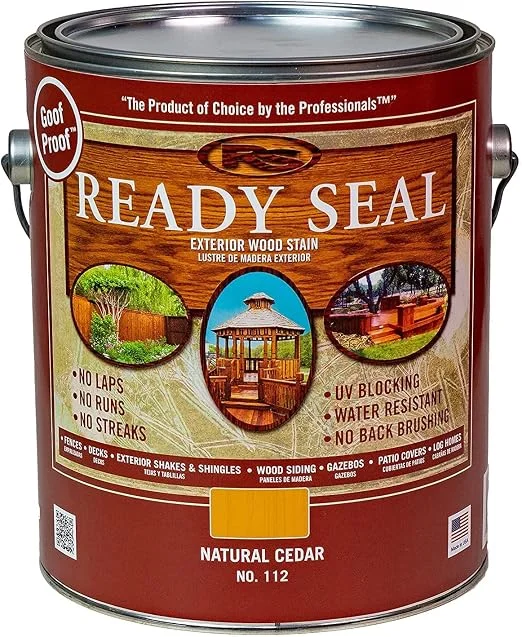 |
Ready Seal Exterior Wood Stain & Sealer, Natural Cedar Cheap lumber stays cheap if it’s protected – this keeps a budget cedar project looking good instead of graying and cracking early.
|
Cedar’s natural oils give it real resistance to insects and rot without any chemical treatment, and its light weight and workability make it a favorite for fences, decks, and outdoor furniture. That real durability is part of why it costs more than pressure-treated pine to start with – you’re paying for wood that needs less maintenance and lasts longer outdoors, not just for the reddish-brown color and scent.
Where to Actually Find Cheap Cedar
Local Sawmills and Independent Lumberyards
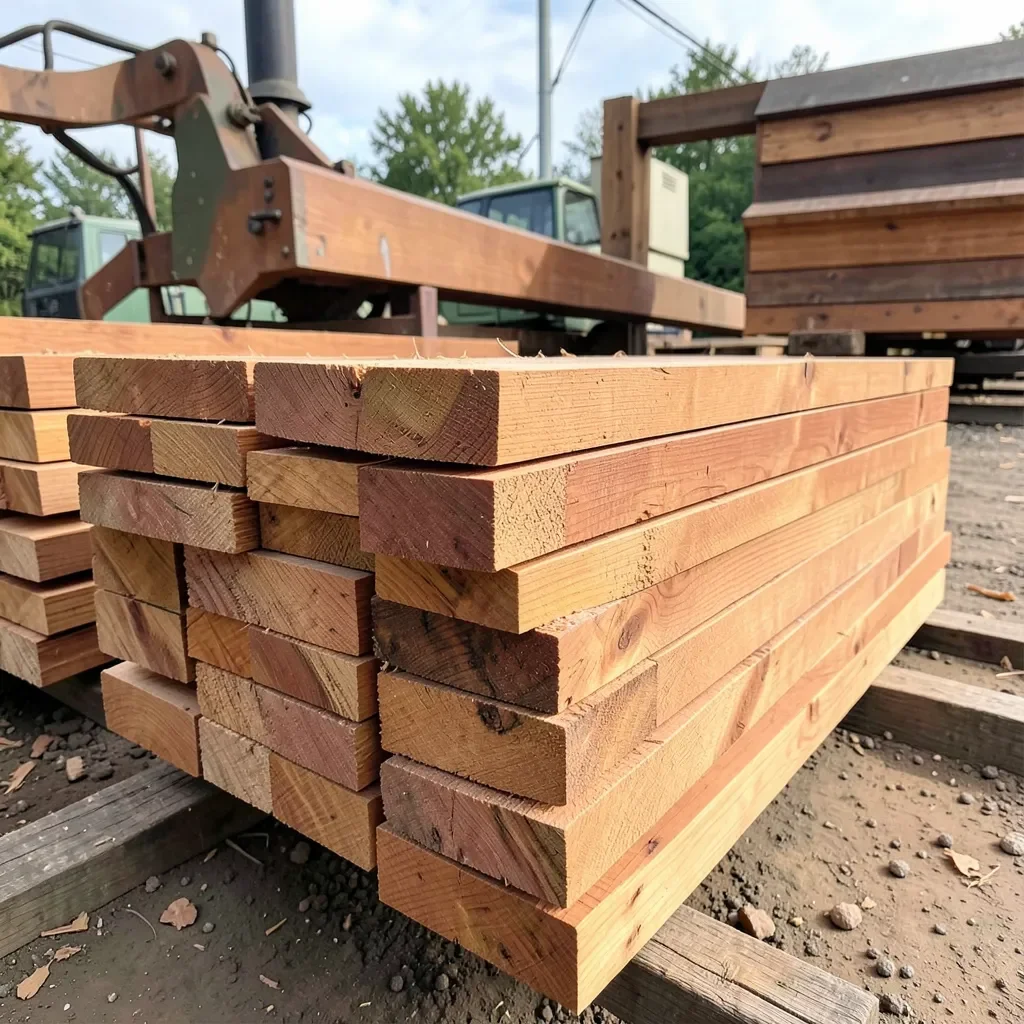
Sawmills and independent yards buy or process timber directly, cutting out the distribution markup a big-box store adds. They often carry a wider range of grades and sizes too, and are usually willing to quote bulk or off-cut pricing over the phone. Building a relationship with a specific yard pays off over time – staff who know you are more likely to flag a new shipment or excess stock they want to move.
Online Lumber Suppliers
Online specialty lumber suppliers can beat local prices, especially for bulk orders, but shipping cost is the variable that decides whether it’s actually a deal. A lower per-board price with high delivery fees can end up costing more than buying locally, so always compare the delivered total, not just the listed price per board. Reading recent reviews before ordering from an unfamiliar online supplier is worth the extra few minutes.
Home Improvement Stores
Big-box stores are rarely the cheapest option, but they’re convenient and predictable, and worth checking for seasonal sales or clearance sections with minor-imperfection boards sold at a discount. They’re a reasonable choice for a small repair job or when a project needs wood immediately rather than after a sawmill order comes in.
Reclaimed Wood Yards and Salvage
Reclaimed cedar from old fences, barns, or decking is often sold well below new-lumber prices and brings genuine character to a project. Local salvage yards and online marketplaces (Craigslist, Facebook Marketplace) are the usual sources – expect to do some cleaning and possibly re-milling before it’s ready to use, and inspect carefully for hidden nails, rot, or structural cracks that aren’t visible in a listing photo.
How Cedar Grades Affect Price
| Grade | Appearance | Relative Cost | Best Use |
|---|---|---|---|
| Clear | No knots, very smooth | Highest | Fine furniture, trim, visible surfaces |
| Select | Few small knots, good appearance | Medium-high | Decking, siding, pergolas |
| Standard/Knotty | More knots, natural look | Medium-low | Fencing, rustic furniture, utility structures |
| Utility | Many knots, rougher | Lowest | Non-visible framing, temporary structures |
Grade is graded on the number and size of knots and other natural characteristics, not structural strength – a knotty board for a fence or garden bed performs just as well as clear cedar, at a meaningfully lower price. The right move is matching grade to visibility: pay for clear or select cedar only where the board will actually be seen up close, and save money with standard or utility grade anywhere the wood is structural, painted, or tucked away.
For a concrete sense of scale: a 10×12 deck needing around 500 linear feet of decking at $3/linear foot in knotty grade from a sawmill runs about $1,500, versus roughly $2,500 for similar wood at $5/linear foot from a big-box store – a $1,000 difference on one mid-sized project. Actual prices vary by region and season, but the gap between sawmill and retail pricing is consistently real, not just a hypothetical.
Spotting a Real Bargain vs. a Bad Board
A discounted board and a genuinely bad one can look similar at first glance, so it’s worth knowing the difference before a “deal” turns into wasted money. Surface-level cosmetic flaws – a cluster of small knots, minor color variation, light surface checking – are exactly what makes a lower grade cheaper, and they don’t affect how the wood performs. Structural problems are a different story: large cracks running through a board’s thickness, significant warping or bowing, soft or spongy spots (a sign of rot already starting), and knots so large they’ve left a hole through the board are all reasons to pass, discount or not.
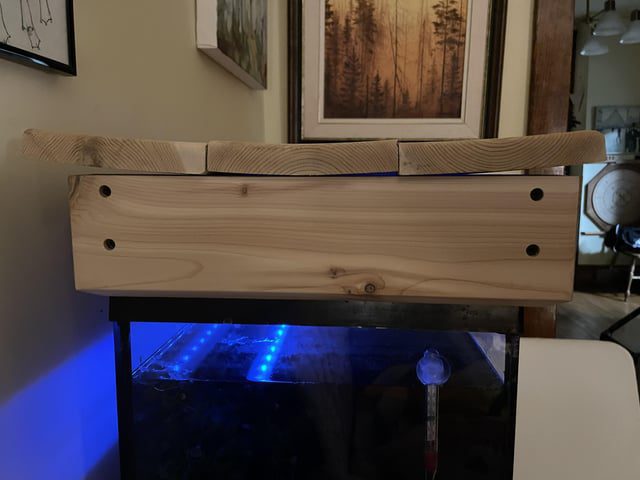
A quick way to check: sight down the length of a board like looking down a rifle barrel to spot bowing or twisting that’s hard to see from the side. Press a thumbnail into any suspicious soft spot – healthy cedar resists, while rot gives easily. A board with cosmetic character but no structural red flags is the actual bargain; one with hidden damage is expensive no matter how low the price tag reads.
Timing a Purchase
Big-box retailers commonly run lumber sales around Memorial Day and Labor Day, and many yards discount stock at the end of the year to reduce inventory before counts. Sawmills, meanwhile, tend to offer better pricing when they’re sitting on a large recent supply. None of this is guaranteed on any specific date, but watching for these windows before starting a project consistently beats buying at full price on a random weekday.
Maintaining Cedar to Protect the Investment
Cedar’s natural oils give it real weather resistance without any finish at all, so sealing or staining is optional rather than required. Leaving it unsealed lets it weather to a silvery gray over 1-2 years, which many people find attractive on its own. Applying a UV-blocking sealant or stain instead keeps the reddish-brown color and adds a layer of protection, at the cost of needing to reapply every few years as the finish wears.
- Routine cleaning: Sweep off debris and wash with mild soap and water; avoid harsh chemicals that can strip natural oils from the wood.
- Mildew: A 1:3 bleach-to-water solution kills mildew on cedar – test on a hidden spot first, and always rinse thoroughly with plain water afterward.
- Extreme conditions: Ensure proper drainage under decks, and set fence posts in concrete for stability in high-wind or heavy-snow areas.
Western Red Cedar vs. Eastern White Cedar Pricing
Not all “cedar” at the lumberyard is the same species, and the price difference can be significant. Western Red Cedar, grown mainly in the Pacific Northwest and Canada, is the most common species sold nationally and tends to cost more the farther a project is from that region, since freight adds up. Eastern White Cedar, more common in the Northeast and parts of the Midwest, is often cheaper in those regions for the same reason – shorter shipping distance to the yard. Neither species is meaningfully more durable than the other for typical outdoor use, so checking which one is grown closer to a specific project’s location, and asking a local yard which species they stock most, is a legitimate way to find a lower price without giving up cedar’s real benefits.
Frequently Asked Questions
Where can I find the cheapest cedar lumber near me?
Local sawmills and independent lumberyards typically beat big-box prices since they skip the distribution markup. Online suppliers can also compete, especially for bulk orders, once shipping is factored in.
Is knotty cedar okay for outdoor projects?
Yes. Knotty cedar is structurally just as sound as clear cedar for fences, decks, and utility structures, and costs meaningfully less.
Do I need to seal cedar lumber?
No, it’s optional. Cedar’s natural oils give it real weather resistance unsealed, though a UV-blocking sealant preserves the reddish color rather than letting it weather to gray.
How often should I clean cedar?
Sweep debris regularly and wash with mild soap and water as needed; a deeper mildew clean with a bleach solution is typically only needed seasonally in damp or shaded spots.
Can I buy cedar lumber in bulk to save money?
Yes, many sawmills and lumberyards offer lower per-board pricing on larger orders, which benefits both contractors and DIYers with a big enough project.
Conclusion
The cheapest real cedar comes from sawmills and independent yards, matching grade to how visible the wood will be, and timing the purchase around a seasonal sale. Reclaimed cedar is worth checking too if some cleanup and character are acceptable trade-offs. A little planning in where and when to buy, and a quick check of a board’s actual condition rather than just its price tag, consistently beats paying full retail price on a whim.
Sponsored / affiliate links. As an Amazon Associate I earn from qualifying purchases. I may earn additional commission from eligible campaigns.