Red Cedar Vs White Cedar: Which Is Best for Your Project?
Are you planning a new outdoor project or looking to revamp your garden space? Choosing the right type of wood can make all the difference in both aesthetics and durability.
If you’re torn between red cedar and white cedar, you’re not alone. Understanding the subtle differences between these two types of wood could be the key to achieving your dream project. Imagine having a beautiful deck or a sturdy fence that not only stands the test of time but also adds a touch of elegance to your home.
Red cedar and white cedar each have their own unique characteristics that could perfectly suit your specific needs. But how do you decide which is the best choice for you? Let’s dive into the fascinating world of cedar wood, where texture, color, and longevity play a crucial role in your final decision. By the end of this article, you’ll have all the insights you need to make an informed choice. You don’t want to miss out on the secrets that could elevate your next project to a whole new level.
Overview Of Red Cedar
Red cedar wood is soft and lightweight. It has a rich reddish-brown color. The wood smells nice and is naturally resistant to bugs. This makes it last a long time. Red cedar trees grow in North America. The tree can grow very tall.
People use red cedar for furniture and making closets. It is also great for outdoor decks and fences. The wood is used in building boats and making musical instruments. Its smell keeps moths away from clothes.
| Pros | Cons |
|---|---|
| Durable | Expensive |
| Lightweight | Soft wood |
| Insect resistant | Needs maintenance |

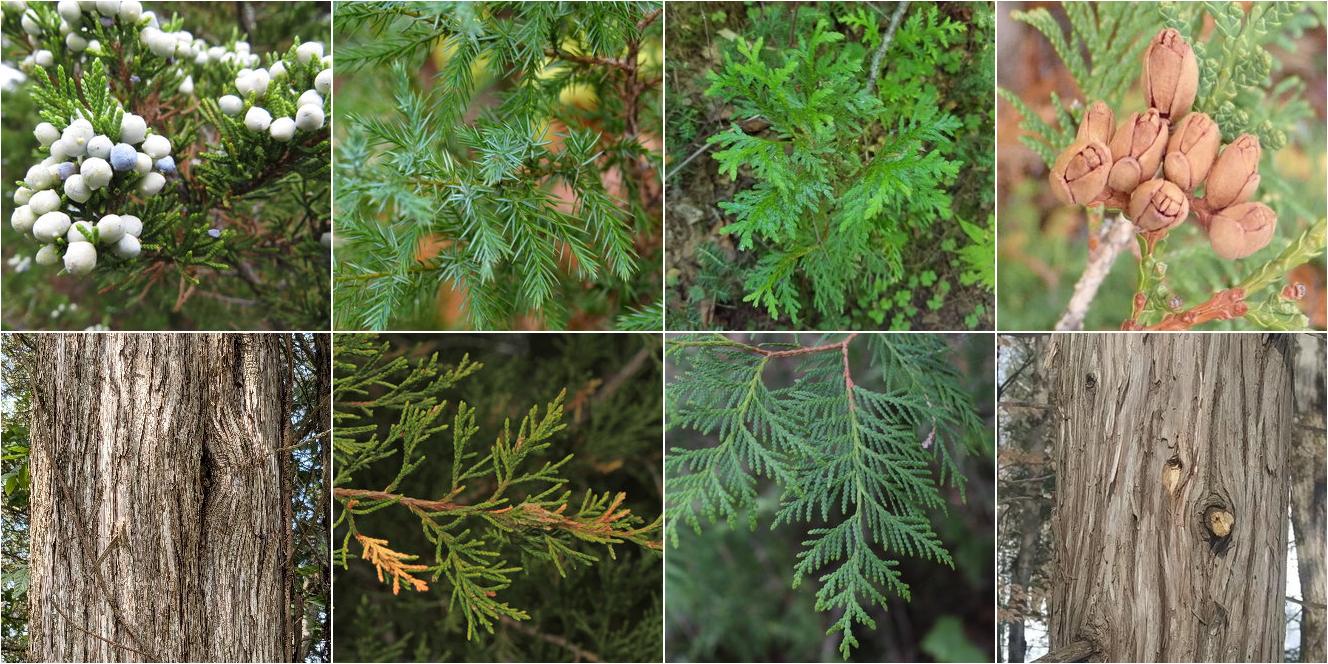
Credit: landscapeplants.oregonstate.edu
Overview Of White Cedar
White cedar is lightweight and has a pleasant scent. This wood resists decay and insects naturally. Its color is pale yellow or light brown. White cedar is easy to work with. It has a smooth texture and fine grain. This wood is ideal for outdoor projects.
People use white cedar for fences and decking. It is perfect for shingles and boats. This wood is also used in furniture and poles. Garden structures often feature white cedar. Its durability makes it popular.
| Pros | Cons |
|---|---|
| Resistant to rot | Can be costly |
| Lightweight | Limited color choices |
| Easy to work with | Soft wood |
Durability And Longevity
Red cedar offers excellent decay resistance, making it last longer in harsh conditions. White cedar, while also durable, weathers more quickly and may require more maintenance. Both types of cedar provide strong longevity, but their durability can vary based on environmental factors.
Weather Resistance
Red cedar and white cedar both resist weather well. Red cedar handles rain and sun better. Its oils keep water away. White cedar also resists water but less than red cedar. Snow and ice do not harm white cedar much. Both woods keep their shape in bad weather. They do not warp or crack easily. This makes them great for outdoor use. Choose red cedar for extra protection.
Rot Resistance
Rot resistance is strong in both types of cedar. Red cedar has natural oils that stop rot. These oils keep bugs away too. White cedar also resists rot well. Its fibers are tight. This makes it hard for rot to start. It lasts a long time without damage. Red cedar is better if rot is a big worry. Both types last for many years outside.
Aesthetic Differences
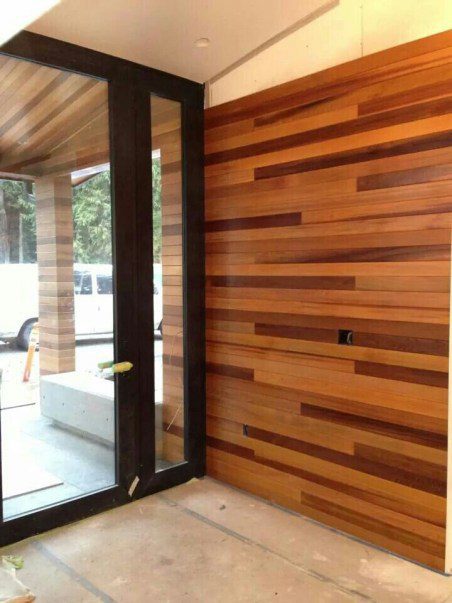
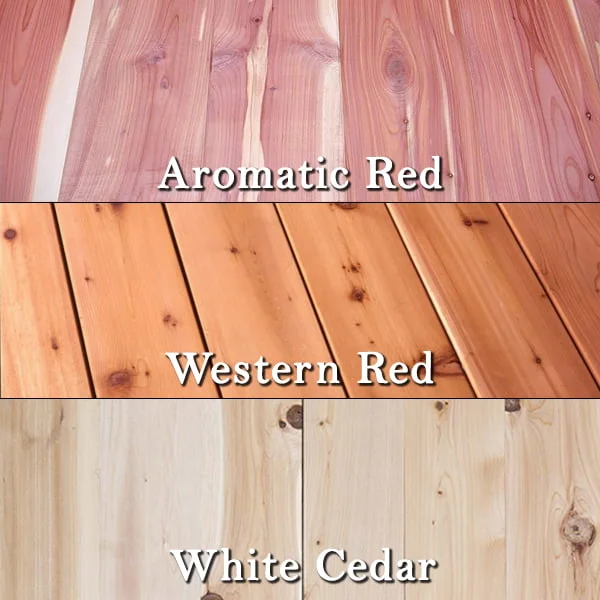
Red cedar has a rich, warm color. It ranges from light pink to deep reddish-brown. This makes it stand out in homes and gardens. In contrast, white cedar is much lighter. It often looks pale yellow or even cream. Both are beautiful, but they offer different visual effects. Each type can change over time. Sunlight can make the wood darker.
Red cedar has a smooth texture. Its grain is tight and even. This makes it feel nice to touch. White cedar has a different feel. It is more coarse and less smooth. Its grain is often more visible. This gives it a rustic look. Both types are popular for different uses. They add character to any space.
Environmental Impact
Red Cedar and White Cedar are both used in building. They are known for their strength. But which one is better for nature? Red Cedar grows slower than White Cedar. This means White Cedar is more sustainable. White Cedar can be replanted and grown again quickly. This is good for the forests.
Eco-Friendly Considerations are important for our planet. Both types of cedar have natural oils. These oils make them last long. You do not need many chemicals to protect them. Less chemicals mean less harm to the earth. Choosing the right wood helps keep our planet safe.
Cost Comparison
Red cedar is often more expensive than white cedar. This is because red cedar is harder to find. White cedar grows more easily in many places. Builders choose red cedar for its color. It has a rich, warm tone. White cedar is lighter in color. Both types make good fences and decks. Price also depends on the wood’s grade. Higher grade wood costs more. Lower grade wood is cheaper but may not last as long.
Red cedar can last for many years. It resists bugs and rot. White cedar is also strong. It holds up well to weather. Both types need care to last. Staining or sealing helps the wood. This stops water damage. Red cedar keeps its color longer. White cedar turns gray over time. Both woods are a good choice. They can both add beauty to your home.
Project Suitability
Red cedar is great for outdoor furniture. It resists bugs and rot. White cedar is also good. It is strong and lasts long. Both are used for fences and decks. Red cedar has a nice smell. White cedar is lighter in color. Both look nice in gardens.
Red cedar works well for closets. It keeps clothes fresh. White cedar is used for ceilings. It makes rooms bright. Red cedar can be used for small boxes. White cedar is often found in saunas. Both woods create a warm feel indoors.
Maintenance Requirements
Red cedar needs regular care to keep its beauty. Cleaning the surface helps to stop dirt buildup. White cedar is easier to care for. It stays clean with less work. Applying oil can make both cedars last longer. This step keeps the wood from drying out. Proper care makes cedar look nice for years.
Red cedar may need repair after a few years. Cracks can appear in the wood. Replacing damaged boards is important for safety. White cedar usually stays strong. It needs fewer repairs. Checking cedar for damage is wise. Replace broken pieces quickly to keep structures safe.
Credit: cedar-sense.com
Frequently Asked Questions
What’s Better, White Cedar Or Red Cedar?
White cedar offers durability and resistance to insects. Red cedar is known for its rich color and aromatic scent. Both types of cedar are good choices for outdoor projects. White cedar may be better for humid climates, while red cedar is ideal for aesthetic appeal.
Choose based on your specific needs and preferences.
How Can You Tell Red Cedar From White Cedar?
Red cedar has reddish bark and a distinct aromatic smell. White cedar features lighter, grayish bark and lacks a strong scent.
Does Red Cedar Last Longer Than White Cedar?
Red cedar generally lasts longer than white cedar due to its natural resistance to decay and insects. It offers greater durability, making it ideal for outdoor use, while white cedar remains a good option with slightly lesser longevity. Choose red cedar for lasting performance and enhanced protection against weather elements.
Is White Or Red Cedar More Rot Resistant?
White cedar is more rot-resistant than red cedar. Its natural oils provide superior protection against decay and insects. White cedar’s durability makes it ideal for outdoor applications, ensuring longevity. Red cedar is also resistant but not as effective as white cedar in wet conditions.
Choose white cedar for better rot resistance.
Conclusion
Choosing between red cedar and white cedar depends on your needs. Red cedar offers rich color and durability. Perfect for outdoor projects. White cedar is lighter and more resistant to insects. Ideal for indoor use. Both types have unique benefits.
Consider the look and function you desire. Think about your climate and project requirements. Evaluate each option carefully. This will help make the best choice for your space. Remember, both provide beauty and longevity. Your decision should align with your vision.
Happy building!