How to Protect Cedar Wood for Outdoors: Sealants, Oil vs. Stain
To protect cedar wood for outdoors, apply a weather-resistant sealant or wood preservative every 1-3 years. Use products designed specifically for cedar to ensure maximum protection and longevity.
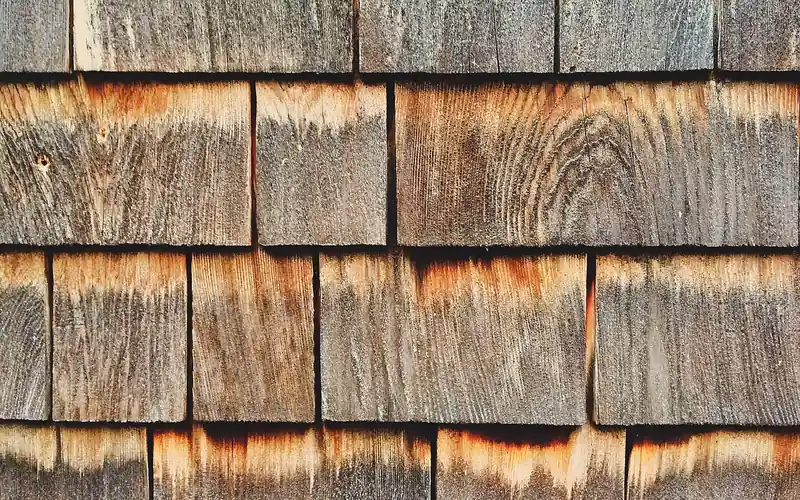
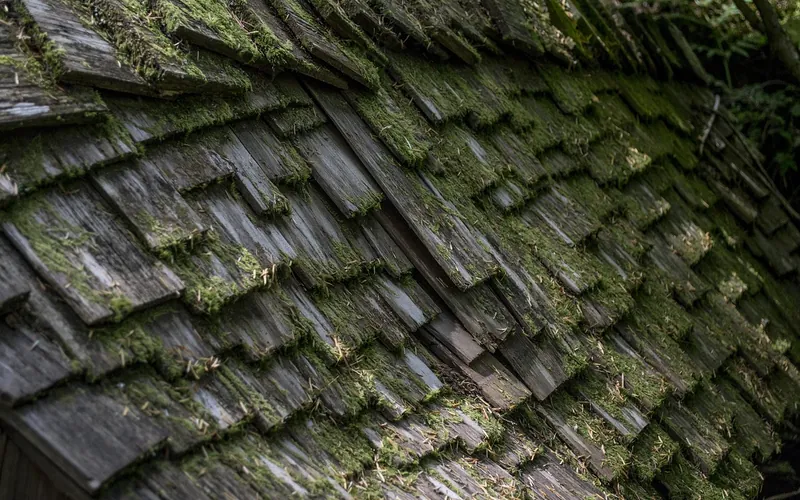
Skipping this maintenance is where most outdoor cedar projects go wrong — cedar’s natural oils resist rot and insects, but they don’t stop UV graying or moisture-driven cupping and checking, so unsealed cedar still weathers to gray and can warp within a season or two of direct sun and rain exposure.
Below, we cover which sealant type to pick for your specific application (furniture vs. deck vs. siding), how often to reapply based on your climate, and the prep steps that determine whether that sealant actually bonds to the wood.
The Appeal Of Cedar For Outdoor Use
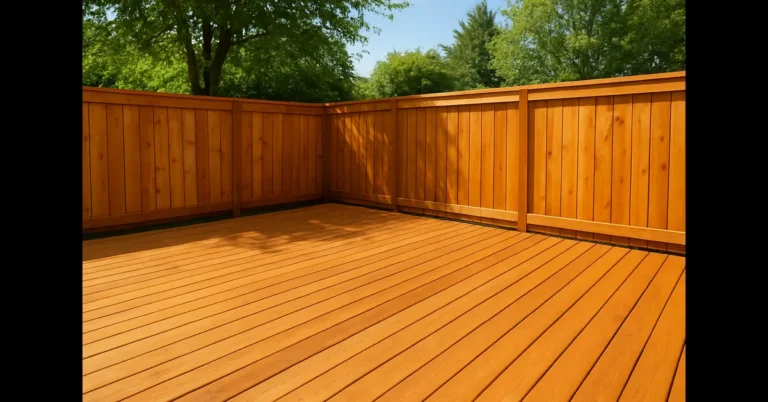
Cedar wood is a popular choice for outdoor use due to its natural durability and aesthetic qualities. Whether it’s for decking, fencing (choosing the right fence stain matters for those projects),, or furniture, cedar is highly sought after for its ability to withstand the elements and its beautiful appearance. Let’s explore the reasons why cedar wood is so appealing for outdoor applications.
Natural Durability
One of the key appeals of cedar wood for outdoor use is its natural durability. Cedar contains natural oils that act as preservatives, making it resistant to rot, decay, and insect damage. This inherent resistance to the elements makes cedar an ideal choice for outdoor structures and furniture that require longevity and minimal maintenance.
Aesthetic Qualities
In addition to its durability, cedar is prized for its aesthetic qualities. The wood has a rich, warm color with natural variations in grain patterns, giving it a timeless and rustic appeal. Cedar’s natural beauty makes it an attractive choice for outdoor projects, adding a touch of elegance to any outdoor space.
Initial Preparation Of Cedar Wood
To protect cedar wood for outdoor use, it is essential to start with proper initial preparation. This involves cleaning the wood, removing any dirt or debris, and applying a protective finish or sealant to prevent moisture damage and maintain its natural beauty.
Following these steps will help ensure the longevity of your cedar wood in outdoor environments.
Cleaning The Surface
Before applying any protective coating, it is crucial to clean the surface of the cedar wood thoroughly. This will ensure that the coating adheres properly and provides adequate protection. Use a soft-bristled brush or a pressure washer with a low setting to remove any dirt, grime, or debris. If there are any stains or discolorations on the wood, use a wood cleaner or a mixture of vinegar and water to remove them.
Sanding Techniques
Sanding the cedar wood surface is important to ensure a smooth finish and to remove any rough spots or splinters. Use a fine-grit sandpaper (around 120-150 grit) and sand in the direction of the grain to avoid damaging the wood fibers. Be sure to sand evenly and avoid applying too much pressure, as this can cause uneven spots or scratches. After sanding, use a tack cloth to remove any dust or debris before applying the protective coating.
Choosing The Right Protective Coating
Once the cedar wood surface is clean and smooth, it’s time to choose the right protective coating. There are a variety of options available, including sealers, stains, and paints. When selecting a coating, consider the level of protection needed for your particular application. For example, if the cedar wood will be exposed to harsh weather conditions, a waterproof sealer or stain may be the best option. If you want to maintain the natural look of the wood, a clear or transparent coating is ideal.
Applying The Protective Coating
Follow the manufacturer’s instructions carefully when applying the protective coating. Be sure to apply it evenly and avoid over-applying, as this can cause drips or uneven spots. Use a brush, roller, or sprayer depending on the type of coating you are using. When applying the coating, work in small sections and make sure to overlap each stroke to avoid missing any spots. Allow the coating to dry completely before applying a second coat if necessary.
By following these initial preparation steps, you can ensure that your cedar wood surface is clean, smooth, and ready for the protective coating. This will help to prolong the life of the wood and keep it looking beautiful for years to come.
Selecting The Right Finish
When it comes to protecting cedar wood for outdoor use, selecting the right finish is crucial. Look for a moisture-resistant barrier with good weather resistance, easy application, and quick drying time. Some recommended options include Clear Surface Coating, Cedarshield Wood Treatment, and Transparent Fence Stain.
When it comes to protecting cedar wood for outdoor use, selecting the right finish is crucial. The finish you choose will determine how well your cedar wood withstands the elements and maintains its natural beauty. There are a few factors to consider when selecting the right finish, including whether to use an oil or water-based product and deciding between stain, paint, or sealant. Let’s explore these options in more detail.
Oil Vs. Water-based Products
One of the first decisions to make when choosing a finish for your cedar wood is whether to go with an oil or water-based product. Both options have their advantages, so it’s important to understand the differences between the two.
Oil-Based Products: This category actually splits into two very different products, and mixing them up is the source of most of the conflicting advice online. A pigmented, oil-based stain (like a semi-transparent deck stain) penetrates the wood, carries UV-blocking pigment, and holds up for 3–8 years outdoors — it is genuinely the most durable option for cedar. A plain penetrating oil with no pigment (teak oil, tung oil, danish oil) has no UV inhibitors, breaks down in sunlight within months, and can leave a sticky, tacky surface if it isn’t wiped back fully after application. So the honest answer is: oil-based stain, yes — plain oil alone, not for long-term outdoor use. Oil-based finishes also offer good water resistance when pigmented, but they do require reapplication every few years and may darken the wood over time.
Water-Based Products: Water-based finishes are generally easier to apply and clean up, making them a popular choice for DIY projects. They dry faster than oil-based products and have lower VOC emissions. Water-based finishes also offer good protection against UV rays and moisture, but they may not penetrate the wood as deeply as oil-based finishes. Additionally, they may require more frequent reapplication.
Stain, Paint, Or Sealant?
Once you’ve decided on the base type of your finish, the next step is to choose between stain, paint, or sealant. Each option has its own benefits, so let’s explore them further.
Stain: Stains are a popular choice for cedar wood as they enhance the natural beauty of the grain while providing protection against UV rays and moisture. They come in a variety of colors, allowing you to customize the look of your cedar wood. Transparent or semi-transparent stains are often recommended for cedar as they allow the natural color and grain to show through.
Paint: While paint can be used on cedar wood, it is important to note that it will cover the natural beauty of the wood grain. However, if you prefer a solid color finish or want to match your cedar wood to other elements in your outdoor space, paint can be a good option. It provides excellent protection against the elements and offers a wide range of color choices.
Sealant: Sealants, also known as clear coatings, are designed to protect the cedar wood without altering its natural color. They provide a clear, protective layer that helps prevent moisture damage and UV fading. Sealants are a great choice if you want to maintain the natural appearance of your cedar wood while still providing long-lasting protection.
Does Beeswax Work As A Cedar Sealant?
Beeswax is a popular natural option for indoor cedar (like chests and hangers), but it is a poor primary sealant for cedar left outdoors year-round. It does create a hydrophobic surface layer and has mild antifungal properties, but it lacks UV blockers, softens in summer heat, and needs frequent reapplication to keep working once rain and sun exposure start breaking it down. Save beeswax for interior cedar pieces or as a light touch-up between coats of a real outdoor sealant — not as the sole protection for a deck, fence, or piece of furniture that stays outside.
In conclusion, selecting the right finish for your outdoor cedar wood is crucial for its protection and longevity. Whether you choose an oil or water-based product and opt for stain, paint, or sealant, make sure to consider the specific needs of your project and the desired aesthetic. By taking the time to select the right finish, you can ensure that your cedar wood retains its beauty and durability for years to come.
Cedarcide Cedarshield Wood Treatment (1 Gallon)
Best for: a non-toxic first treatment on bare or raw cedar before staining.
Why we picked it: penetrates below the surface to stabilize the wood against moisture and decay for years, and won’t change the wood’s color.
Main drawback: needs about 72 hours to dry fully before you can stain or seal over it.
| Product | Best For | Type | |
|---|---|---|---|
| Thompson’s WaterSeal Semi-Transparent Stain, Natural Cedar | Resolving the oil-vs-stain question — pigmented, UV-protected | Oil-based stain | View |
| Seal-Once Nano+Poly Wood Sealer & Waterproofer, Clear | Gazebos, docks, beach houses — eco-friendly, marine-grade | Water-based sealer | View |
| DEFY Wood Deck Cleaner Powdered Concentrate | Cleaning and prepping cedar before any coat goes on | Cleaner/brightener | View |
As an Amazon Associate, we earn from qualifying purchases.
Applying The First Coat Of Protection
Protecting cedar wood for outdoor use is crucial to ensure its longevity and maintain its natural beauty. One of the most important steps in this process is applying the first coat of protection. This initial layer will create a barrier against moisture, UV rays, and other outdoor elements, preventing the wood from rotting, warping, or fading.
Step-by-step Process
- Clean the wood surface thoroughly to remove any dirt, debris, or previous coatings. This can be done using a mild detergent and water solution or a specialized wood cleaner.
- Allow the wood to dry completely before applying the first coat of protection. This step is crucial to ensure proper adhesion and effectiveness of the protective product.
- Choose a suitable protective product for cedar wood, such as a moisture-resistant barrier or a clear surface coating specifically designed for outdoor use. Refer to customer reviews and product specifications to make an informed decision.
- Apply the protective product evenly using a brush, roller, or sprayer. Start from one end and work your way towards the other, following the wood grain for a seamless finish.
- Allow the first coat to dry according to the manufacturer’s instructions. This may take a few hours to a few days, depending on the product and weather conditions.
Tips For Even Application
To ensure an even and professional-looking finish, consider the following tips:
- Apply the protective product in thin, even coats rather than thick layers. This will allow for better absorption and prevent drips or streaks.
- Work in smaller sections to maintain control and avoid the product drying too quickly.
- If using a brush or roller, apply the protective product in long, smooth strokes for a consistent finish.
- Remove any excess product or drips immediately to prevent uneven drying or clumping.
- Consider using a sprayer for larger surfaces to achieve a more uniform application.
By following these steps and tips, you can effectively apply the first coat of protection to your cedar wood, ensuring its durability and enhancing its outdoor beauty. Remember to always read and follow the instructions provided by the manufacturer for the best results.
The Importance Of A Second Coat
Applying a second coat of protective finish is crucial for the long-term preservation of cedar wood used outdoors. This additional layer helps to increase the resistance of the wood against moisture, weathering, and UV rays, ensuring that your outdoor cedar furniture stays looking good for years to come.
Additional Layer Benefits
When it comes to protecting cedar wood for outdoors, one coat of sealant may not be enough to provide long-lasting protection. This is where the importance of a second coat comes into play. Applying a second coat of sealant offers additional benefits such as increased moisture resistance, improved weather resistance, and better protection against insects and other outdoor elements.
Timing For The Second Application
Timing is critical when it comes to applying a second coat of sealant on cedar wood. It is important to wait until the first coat has fully dried before applying the second coat. Usually, it takes around 24 hours for the first coat to dry completely. Applying the second coat too soon may result in an uneven finish, while waiting too long may require sanding between coats to ensure proper adhesion.
To ensure the best results, it is recommended to apply the second coat within two weeks of the first coat. This will help ensure that the second coat adheres well to the first coat and provides maximum protection for your cedar wood.
In conclusion, applying a second coat of sealant to your cedar wood provides significant benefits and protection. By understanding the importance of timing and adhering to proper application techniques, you can ensure that your outdoor cedar wood furniture, decking, and other structures remain protected and beautiful for years to come.
Maintaining Cedar Wood
Protecting your outdoor cedar wood is essential for its longevity. Regularly applying a moisture-resistant barrier and a clear surface coating will safeguard the wood from weather damage, ensuring it remains attractive and durable for years to come. Additionally, using wood treatment and organic wood cleaner can help maintain the wood’s natural look and protect it from environmental elements.
Regular Inspection
Regularly inspect cedar wood for signs of damage or wear.
Cleaning And Touch-ups
Keep cedar wood clean and perform touch-ups as needed for protection.

Addressing Common Cedar Wood Issues
Protecting cedar wood for outdoor use is crucial to prevent common issues such as rot and decay. True cedar (Cedrus) and the “cedar” sold at most lumberyards (usually western red cedar, a cypress-family wood) both rely on natural oils for rot resistance, but those oils fade over time outdoors — which is exactly why a moisture-resistant barrier and a clear surface coating are needed to maintain the wood’s natural beauty and integrity long-term.
Regular maintenance and cleaning also play a key role in addressing and preventing cedar wood issues.
Preventing Moisture Damage
Apply a moisture-resistant barrier to protect cedar wood from water damage.
UV Protection Strategies
Consider using a UV-blocking clear surface coating to shield cedar wood from sun exposure.
Winter Care For Cedar
Protecting your cedar wood for outdoor use during winter is essential to maintain its beauty and durability. Applying a moisture-resistant barrier or clear surface coating can help prevent warping, provide good weather resistance, and ensure easy maintenance. Consider products like Cedarshield Wood Treatment, Seal Once, or Wash Safe Cedar Wash for effective protection and longevity.
Remember to clean and prep the wood before applying any treatment for best results.
Pre-winter Preparation
Inspect cedar for damage and apply protective sealant.
Trim nearby vegetation to prevent mold and mildew growth.
Dealing With Snow And Ice
Remove snow promptly to prevent moisture damage.
Avoid using ice melt products near cedar to prevent discoloration.
Special Considerations For Cedar Furniture
To protect cedar furniture for outdoor use, consider applying a moisture-resistant barrier to safeguard against weather damage. Using a cedar wood treatment can prevent warping and add UV protection, ensuring longevity and preserving its natural beauty. Consider a clear surface coating to maintain the cedar look while providing essential protection.
Furniture-specific Sealants
When protecting cedar furniture for outdoor use, it is crucial to choose sealants specifically designed for furniture. These sealants provide enhanced protection against weather elements and ensure the longevity of your cedar furniture.
Covering Options
Another important consideration for protecting cedar furniture is exploring various covering options. From furniture covers to specialized coatings, covering your cedar furniture can significantly extend its lifespan and maintain its natural beauty.
Sealing Cedar In Special Outdoor Environments
Standard advice covers a typical deck or fence, but cedar used in a gazebo, near salt water, in extreme cold, or in a small structure like a birdhouse has its own requirements. Here’s what changes for each.
Gazebos And Pergolas
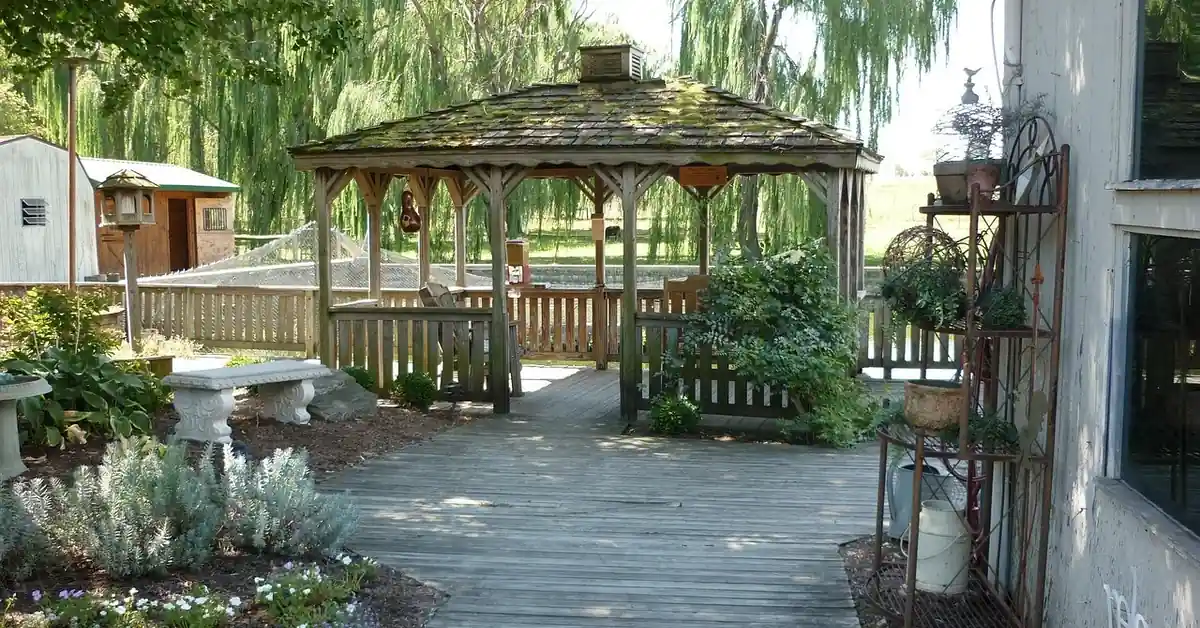
Seal a cedar gazebo or pergola on all surfaces, including the floor and the underside of rafters — not just the visible faces. Because these structures have more shaded, less-ventilated joints than open decking, moisture lingers longer at the connections, so pay extra attention to sealing end grain at every joint. Apply during dry weather between 50–85°F with no rain in the forecast for at least 24 hours, and plan to reseal every 2–4 years depending on how exposed the structure is.
Beach Houses And Salt Air Exposure
Salt air accelerates both UV breakdown and moisture cycling, so cedar near the coast needs a marine-grade sealer rather than a standard exterior product, plus a shorter maintenance interval — check the finish every 12 months instead of every 2–3 years. Rinse salt residue off with fresh water periodically between coats, since dried salt crystals can abrade the finish and hold moisture against the wood.
Extreme Cold Climates
In far-northern climates, the bigger risk isn’t the cold itself but freeze-thaw cycling: water that gets into unsealed end grain or checking expands as it freezes and widens existing cracks. Seal cedar furniture and structures fully before the first hard freeze, make sure end grain (tabletop edges, post bottoms) is well coated, and avoid ice-melt products containing calcium chloride near cedar, since they can discolor and dry out the wood surface.
Birdhouses And Small Cedar Structures
Small cedar structures like birdhouses need a breathable, low-VOC finish on the exterior only — never seal or paint the interior, since birds need the natural wood surface to grip and a sealed interior can trap moisture and off-gas fumes in an enclosed space that houses live animals. A single coat of a water-based, low-odor sealant on the outside faces is usually enough.
Sealing Cedar End Grain, Cookies, And Cross-Cuts
A cedar “cookie” — a cross-section slice cut perpendicular to the trunk, often used for rustic decor, cake stands, or garden markers — behaves very differently from a board because it is almost entirely end grain. End grain loses moisture 10 to 15 times faster than face grain, which is why cookies crack and split so easily if sealed the wrong way.
Why Cookies Crack
Rapid, uneven drying is the cause, not the wood itself. As the surface dries and shrinks faster than the wet core, internal stress builds up until the wood splits to relieve it.
How To Seal A Cedar Cookie For Outdoor Display
- Let the cookie dry slowly for several weeks to months in a shaded, ventilated spot before sealing — sealing green (wet) wood traps moisture in and guarantees cracking later.
- Coat both faces and the bark edge with a penetrating end-grain sealer or a wood stabilizer to slow moisture loss evenly across the whole piece.
- Once stable, apply 2–3 coats of a UV-resistant exterior varnish or polyurethane if the cookie will be displayed outdoors, reapplying yearly since horizontal end grain takes the most sun and rain exposure.
- Expect some hairline checking even with proper sealing — it is a normal characteristic of cross-cut cedar, not a sign of failure.
Expert Tips For Longevity
To protect cedar wood for outdoor use, consider applying a moisture-resistant barrier like Cedarshield Wood Treatment. This solution helps prevent warping and offers good weather resistance, making it an ideal choice for maintaining the longevity of your outdoor cedar furniture.
It’s easy to use and provides effective protection against the elements.
Professional Insights
Cedar wood is a popular choice for outdoor furniture and structures due to its natural beauty and durability. However, without proper protection, cedar wood can become damaged and weathered over time. Here are some expert tips for protecting your cedar wood for longevity:
- Apply a protective finish: Cedar wood needs to be sealed and protected from the elements to prevent moisture damage and UV degradation. You can use a clear surface coating or a pigmented stain to protect the wood. Make sure to choose a finish that is specifically designed for outdoor use and cedar wood.
- Regular cleaning: Regular cleaning is essential to maintain the natural beauty of cedar wood. Use a mild soap and water solution to clean the wood and remove any dirt or grime. Avoid using harsh chemicals or abrasive cleaners that can damage the wood surface.
- Keep it dry: Cedar wood is naturally resistant to rot and decay, but it can still absorb moisture if left wet for extended periods. Make sure to dry the wood thoroughly after cleaning or rain exposure to prevent water damage.
- Store it indoors: If possible, store your cedar wood furniture or structures indoors during the winter months or during periods of heavy rain. This will help to protect the wood from excess moisture and prevent damage.
- Inspect for damage: Regularly inspect your cedar wood for signs of damage, such as cracks, splits, or discoloration. Address any issues promptly to prevent further damage and ensure the longevity of your cedar wood.
When To Call In The Experts
While protecting cedar wood is relatively straightforward, some situations may require the expertise of a professional. For example, if your cedar wood has severe damage or rot, a professional may need to assess the damage and recommend the appropriate repairs or replacement. Additionally, if you are unsure about the best protective finish or cleaning methods for your cedar wood, a professional can provide valuable guidance and recommendations.
In conclusion, taking the time to protect and maintain your cedar wood will ensure its longevity and natural beauty for years to come. With the expert tips outlined above and the assistance of a professional when needed, you can enjoy your outdoor cedar wood furniture and structures for many seasons.

Frequently Asked Questions
How Do You Seal Cedar Wood For Outdoor Use?
To seal cedar wood for outdoor use, follow these steps:
1. Start by cleaning the wood thoroughly to remove any dirt or debris.
2. Apply a wood sealer or stain specifically designed for outdoor use.
3. Use a brush or roller to evenly coat the cedar wood with the sealer.
4. Allow the sealer to dry completely according to the manufacturer’s instructions.
5. Repeat the process if necessary for added protection. By following these steps, you can ensure that your cedar wood is properly sealed and protected from the elements.
What Is The Best Exterior Finish For Cedar?
The best exterior finish for cedar is a wood sealer or a transparent wood stain. These options provide protection from moisture and UV rays while preserving the natural look of the cedar. Consider products like cedar sealers or transparent fence stains for optimal results.
What Is The Best Protectant For Cedar Wood?
The best protectant for cedar wood is a moisture-resistant barrier or a clear surface coating. These options provide good coverage and protection against weather, and are easy to use. Another option is Cedarshield Wood Treatment, which offers a pleasant scent and effective protection.
Is It Better To Oil Or Stain Cedar?
For outdoor cedar, a pigmented oil-based stain beats a plain penetrating oil. Both are technically “oil,” but only the pigmented stain contains UV blockers, so it resists graying and lasts 3–8 years outdoors. Plain oils like teak or tung oil have no UV protection, fade within months in direct sun, and can leave a sticky residue if over-applied. If you want cedar to stay protected outdoors with minimal reapplication, choose a semi-transparent oil-based stain over a plain oil finish.
Can You Use Beeswax To Seal Outdoor Cedar?
Beeswax works as a light, natural finish for indoor cedar, but it’s a weak choice as the sole sealant for cedar left outside year-round. It has no UV blockers and softens in heat, so it needs frequent reapplication and won’t match the protection of a dedicated outdoor sealer or oil-based stain.
How Do You Seal A Cedar Cookie Or Cross-Cut Slice?
Let the cookie dry slowly for several weeks before sealing, coat both faces and the bark edge with a penetrating end-grain sealer, then finish with 2–3 coats of UV-resistant exterior varnish if it will be displayed outdoors. Sealing while the wood is still wet is the most common cause of cracking.
Conclusion
Protecting cedar wood for outdoor use is essential to maintain its beauty and longevity. By following the proper steps and using the right products, such as moisture-resistant barriers or clear surface coatings, you can prevent warping, UV damage, and other weather-related issues.
Whether you’re treating cedar furniture, decking, or porch columns, taking care of your cedar wood will ensure it remains in excellent condition for years to come. Remember to choose products that are easy to use, provide good coverage, and dry quickly for optimal results.