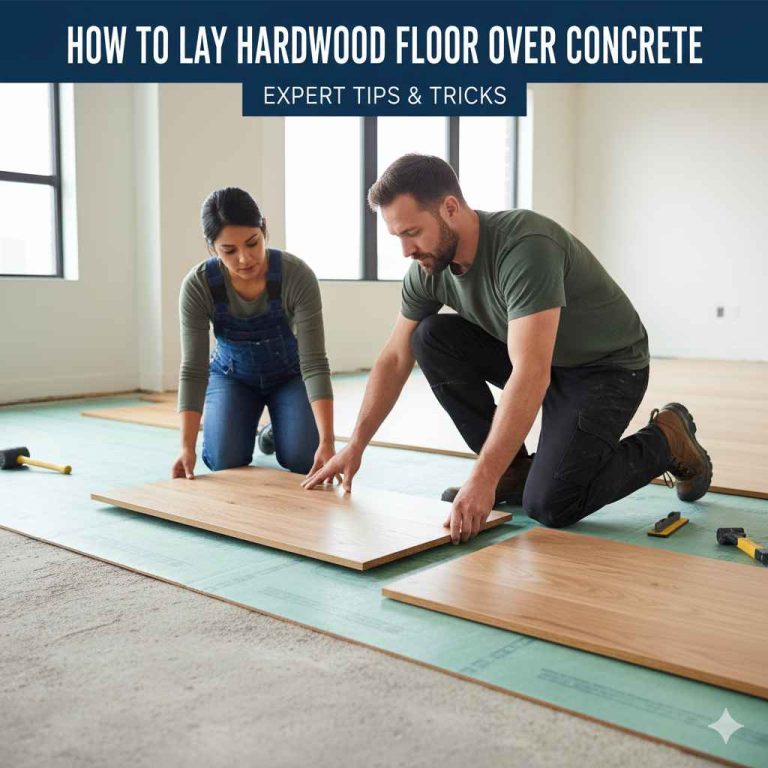
Repair Glued Hardwood Floor: Expert Tips to Fix It Fast
Is your beautiful hardwood floor showing signs of damage or wear? If you have a glued hardwood floor, repairing it might seem tricky, but it doesn’t have to be overwhelming.
You want your floor to look flawless again, and you deserve a simple, effective solution that saves you time and money. You’ll discover easy steps and expert tips to repair your glued hardwood floor like a pro. Keep reading to bring back the shine and strength your floor deserves—without the hassle.
Signs Of Damage
Damaged glued hardwood floors show clear signs that need attention. Early detection helps avoid costly repairs and keeps floors safe. Watch carefully for changes in appearance and feel. These signs reveal the health of your glued hardwood floors.
Common Issues With Glued Floors
Glued hardwood floors often suffer from gaps and cracks. These appear as small spaces between planks. Over time, glue can weaken and cause planks to lift. Scratches and dents also show floor wear. Loose glue leads to uneven surfaces and noise when walked on.
How To Spot Loose Planks
Loose planks move or shift underfoot. Press on different spots to check firmness. Listen for clicking or hollow sounds. These noises mean the plank is not firmly attached. Visible gaps or raised edges also indicate loose boards. Early fixing prevents bigger damage later.
Identifying Moisture Problems
Moisture is a major enemy of glued hardwood floors. Look for dark stains or discoloration. Warped or swollen planks mean water damage. Musty smells point to hidden moisture below the floor. Moisture causes glue failure and wood decay. Act fast to stop moisture from spreading.
Tools And Materials
Repairing glued hardwood floors requires specific tools and materials. Using the right items makes the job easier and ensures a strong repair. This section covers the essential tools, the best adhesives, and important safety gear.
Essential Repair Tools
Start with a good putty knife to lift damaged boards carefully. Use a chisel to remove old glue and debris from the floor. A hammer helps to tap boards back into place. A small brush applies glue evenly. Sandpaper smooths rough edges after repair. A clean cloth is useful for wiping excess glue away.
Choosing The Right Adhesive
Select an adhesive made for hardwood floors. Look for strong, fast-drying glue that bonds wood firmly. Water-resistant glue works well for rooms with moisture. Avoid cheap glue that dries brittle or weak. Follow the glue instructions for best results. Proper adhesive ensures your floor stays solid for years.
Safety Gear For Repairs
Wear gloves to protect your hands from glue and splinters. Use safety goggles to keep dust and debris out of your eyes. A dust mask prevents breathing in harmful particles. Work in a well-ventilated area for fresh air. Safety gear helps prevent accidents and health issues during repairs.
Preparing The Floor
Preparing the floor is the first step to fix glued hardwood floors. This step ensures the repair lasts long and looks good. Proper preparation helps avoid future problems and makes the process smoother.
Cleaning And Clearing The Area
Remove all furniture and rugs from the room. Sweep or vacuum the floor to clear dust and dirt. Clean the floor surface with a damp cloth to remove sticky residues. A clean floor helps the repair materials stick better. Clear space means easier and safer work.
Removing Damaged Sections
Identify the damaged hardwood pieces that need removal. Use a chisel or pry bar to lift the glued boards carefully. Take out all broken or warped wood completely. Avoid damaging the surrounding floor during removal. Removing damaged parts prepares the area for new boards.
Assessing Subfloor Condition
Check the subfloor under the hardwood for damage or moisture. Look for rot, mold, or loose sections. A strong subfloor supports the hardwood and prevents future damage. Repair or replace weak parts before installing new boards. Assessing the subfloor ensures a solid, stable floor.
Fixing Loose Planks
Loose planks in glued hardwood floors can cause noise and damage. Fixing these planks helps keep your floor stable and looks good. The right steps ensure the planks stay tight and last longer. Simple tools and patience work well for this job.
Re-gluing Techniques
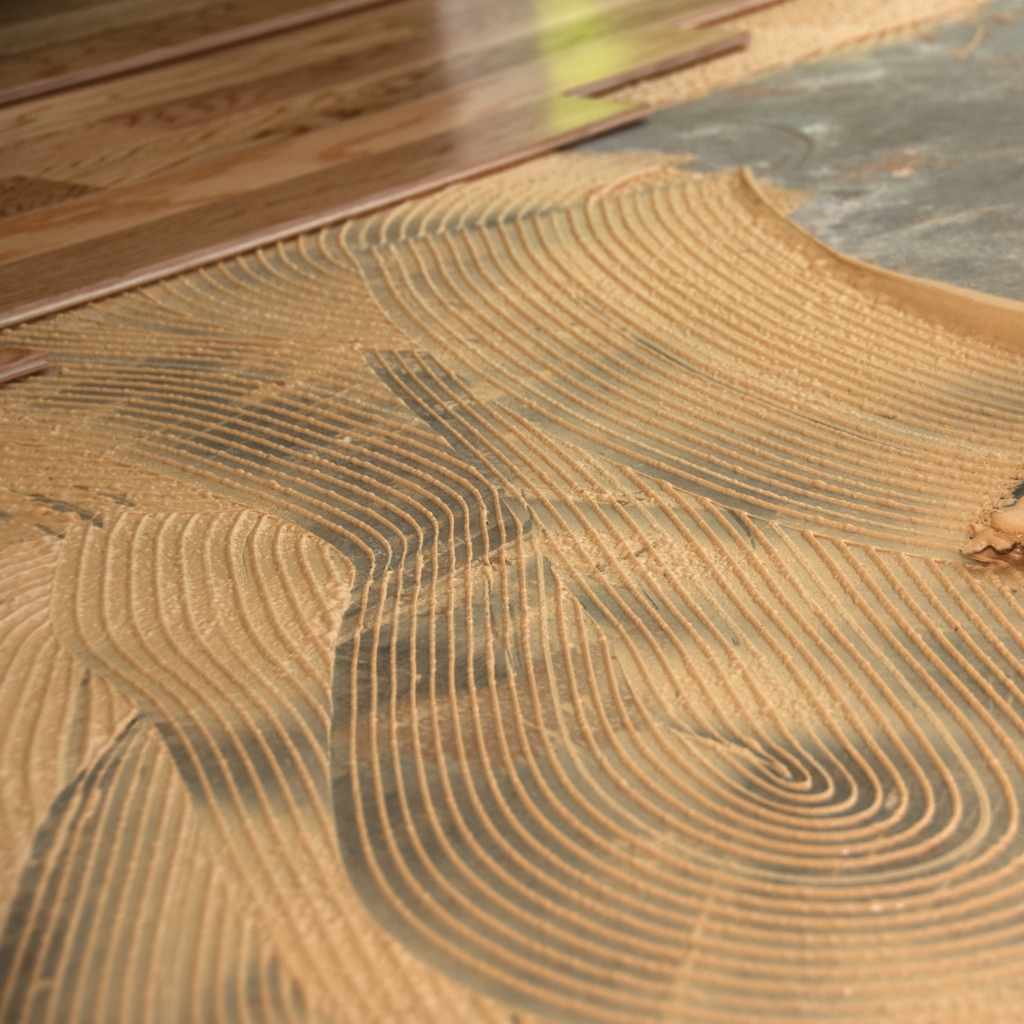
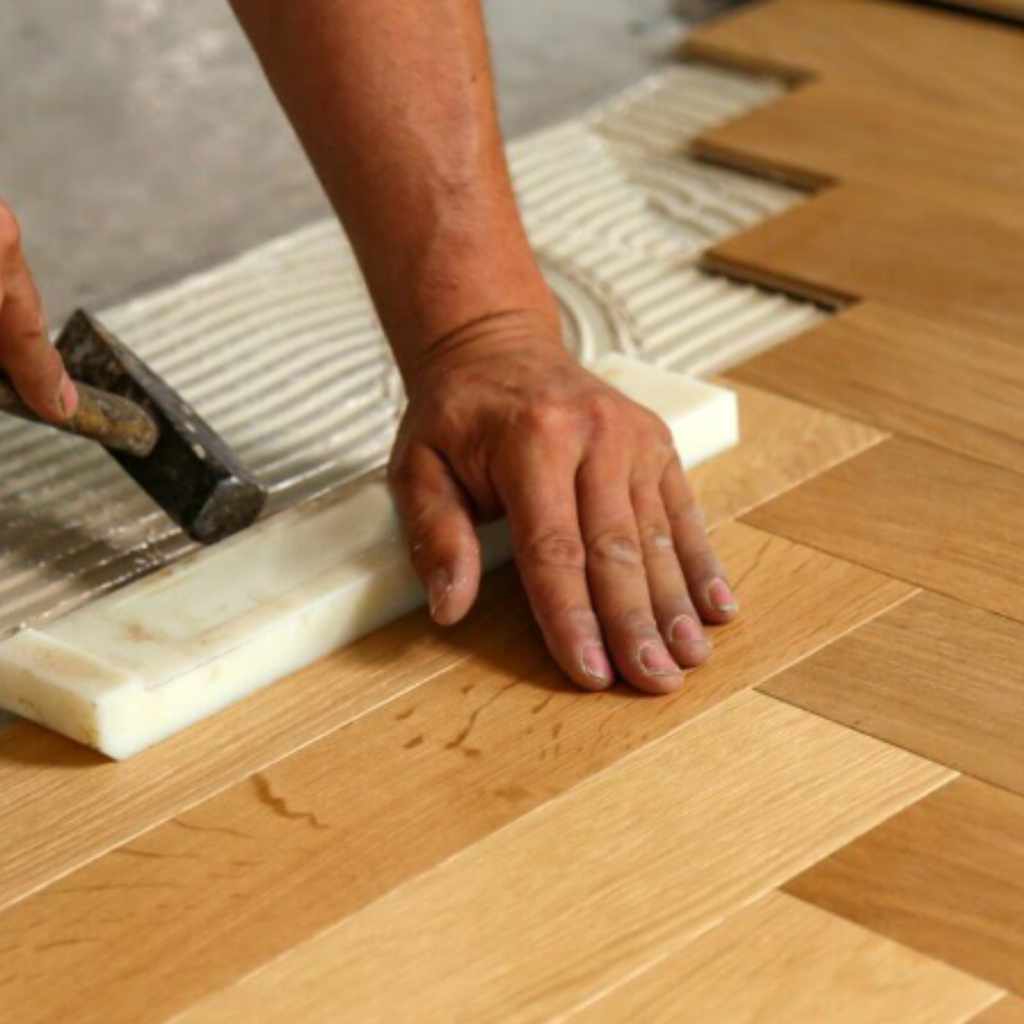
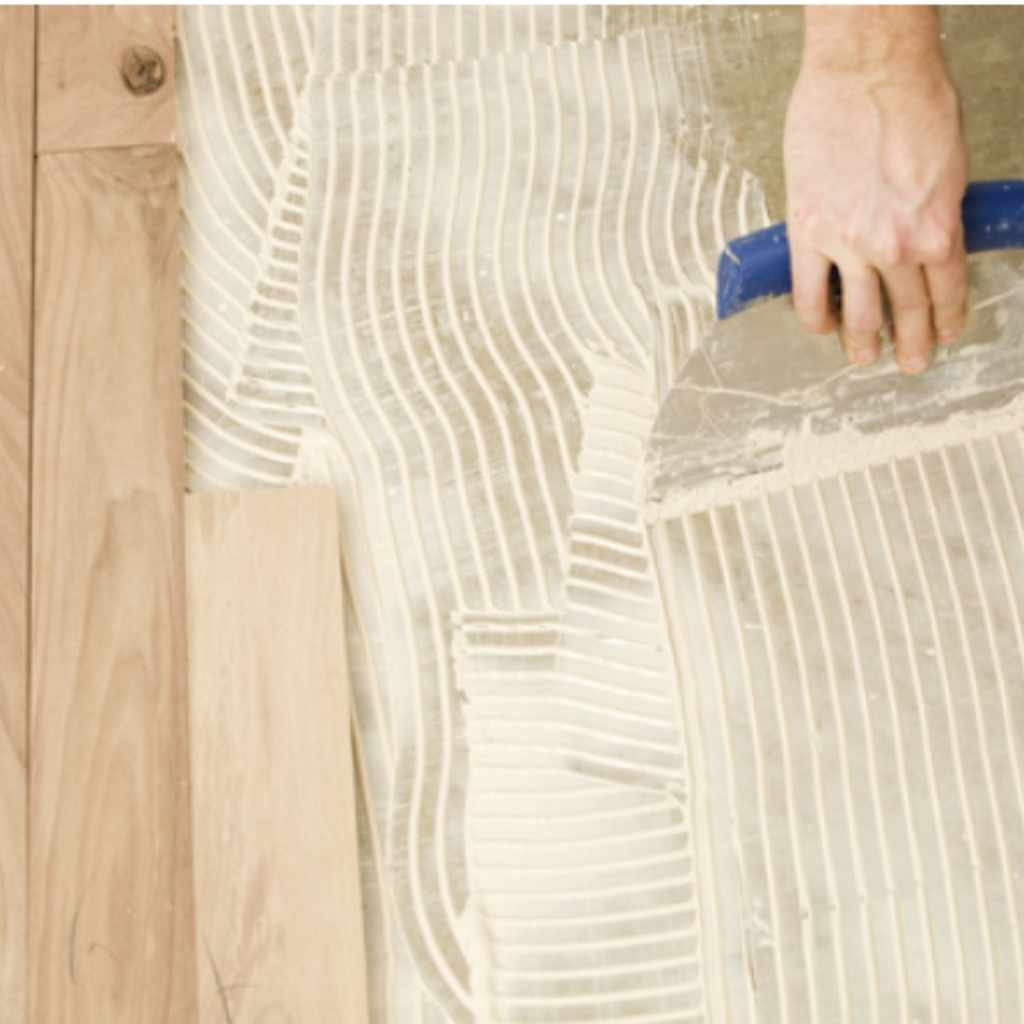
Start by lifting the loose plank carefully. Use a putty knife to clean old glue and dirt. Apply wood glue evenly under the plank. Use glue that fits hardwood floors for best results. Avoid using too much glue to stop mess. Press the plank down firmly to spread glue well.
Clamping And Securing
Use clamps to hold the plank tightly in place. Place a soft cloth between clamp and wood to avoid marks. Tighten clamps just enough to keep plank still. Keep clamps on for at least 30 minutes. Check the plank edges to ensure a good fit.
Drying Time And Tips
Let the glue dry fully before walking on the floor. Drying usually takes 24 hours but check glue instructions. Avoid heavy furniture or shoes on the area during drying. Keep the room dry and warm for better glue setting. Clean any glue spills quickly with a damp cloth.
Repairing Gaps And Cracks
Gaps and cracks in glued hardwood floors can spoil the beauty of your space. These small defects let dirt in and can cause more damage if ignored. Repairing them keeps your floor looking smooth and strong. Simple fixes often restore the floor’s original charm. This section explains how to handle common gap and crack problems step-by-step.
Filling Small Gaps
Small gaps between boards appear from wood shrinking or movement. Use wood filler or putty that matches the floor color. Clean the gap first to remove dust and debris. Apply the filler with a putty knife, pressing it into the crack. Let it dry fully, then wipe off any excess. This stops dirt and moisture from entering.
Replacing Damaged Boards
Some cracks or gaps mean the board is damaged beyond repair. In such cases, replace the affected board. Carefully remove the damaged piece without harming surrounding boards. Choose a new board that matches the floor in color and size. Glue the new board in place and clamp it until dry. This keeps the floor stable and even.
Sanding And Blending Repairs
After filling or replacing, sanding smooths the surface. Use fine-grit sandpaper to blend repairs with the rest of the floor. Sand lightly to avoid damage. Wipe dust away before finishing. Apply a matching finish or sealant to protect and hide repairs. This step makes the floor look natural and uniform again.
Preventing Future Damage
Repairing glued hardwood floors takes effort, but preventing future damage is key. Protecting your floors helps keep them strong and beautiful for many years. Simple steps can stop cracks, warping, and lifting.
Focus on controlling the environment, cleaning carefully, and guarding busy spots. These actions help your floors stay in great shape and reduce repair needs.
Maintaining Proper Humidity
Wood reacts to moisture by expanding or shrinking. Keep indoor humidity between 35% and 55%. Use a humidifier in dry winter months and a dehumidifier in humid summer months. This balance stops gaps and warping in glued hardwood floors. Check humidity levels regularly with a simple gauge.
Regular Cleaning Tips
Sweep or vacuum floors often to remove dirt and grit. Use a soft broom or vacuum with a hardwood floor attachment. Clean spills quickly with a damp cloth to avoid stains and water damage. Avoid wet mopping or harsh cleaners that can weaken glue and finish. Choose pH-neutral cleaners designed for hardwood floors.
Protecting High-traffic Areas
Place rugs or mats in busy spots like entrances and hallways. Use furniture pads under legs to prevent scratches and dents. Rotate rugs and mats regularly to avoid uneven wear. Limit heavy or sharp objects on the floor to reduce pressure on glued joints. These simple steps reduce stress on the floor and keep it intact.
When To Call A Professional
Knowing when to call a professional for glued hardwood floor repair saves time and money. Some problems need expert skills to fix properly. Trying to fix complex issues alone may cause more damage. Professionals have the right tools and experience to restore floors safely. Below are signs that show it is best to get help.
Complex Damage Indicators
Look for deep cracks or large gaps between boards. Warping or buckling wood means serious moisture damage. Loose or lifting planks can cause trips and accidents. Extensive water damage often hides under the surface. If you see mold or a strong musty smell, call an expert. These signs show the damage is beyond simple fixes.
Cost Vs. Diy Considerations
Small scratches and dents are easy to fix yourself. But big repairs often need special tools and materials. Buying all needed supplies can be expensive. Poor repairs may lead to more costly problems later. Professionals complete repairs faster, saving money in the long run. Think about the value of your time and effort too.
Finding Reliable Experts
Choose repair experts with good reviews and solid experience. Ask for references or before-and-after photos. Verify they use quality materials and proper techniques. Check if they offer guarantees on their work. Clear communication is key to avoid surprises. A trusted professional ensures your floor looks great again.
Frequently Asked Questions
How Do I Fix A Glued Hardwood Floor Board?
To fix a glued hardwood floor board, remove the damaged piece carefully. Clean the area, apply wood glue, then press the new board firmly. Clamp it until the glue dries. Sand and finish to match the surrounding floor.
What Causes Hardwood Floor Glue To Fail?
Hardwood floor glue can fail due to moisture, temperature changes, or improper installation. Excessive water weakens the adhesive bond. Using the wrong glue type or poor surface preparation also leads to failure. Regular maintenance helps prevent issues.
Can I Repair Glued Hardwood Floors Myself?
Yes, minor repairs on glued hardwood floors can be DIY. Basic tools and wood glue are needed. However, for extensive damage, hiring a professional ensures proper repair and avoids further floor issues.
How Long Does Hardwood Floor Glue Take To Dry?
Hardwood floor glue typically takes 24 hours to dry fully. Drying time varies by glue type and room conditions. Avoid walking on the repaired area until the glue cures completely for best results.
Conclusion
Repairing glued hardwood floors can save time and money. Small fixes prevent bigger problems later. Clean the area well before starting repairs. Use the right glue and tools for best results. Take your time to match the floor color. Regular care keeps your floor looking great longer.
Simple steps can restore beauty to your wood floor. A well-done repair brings warmth back to your home.