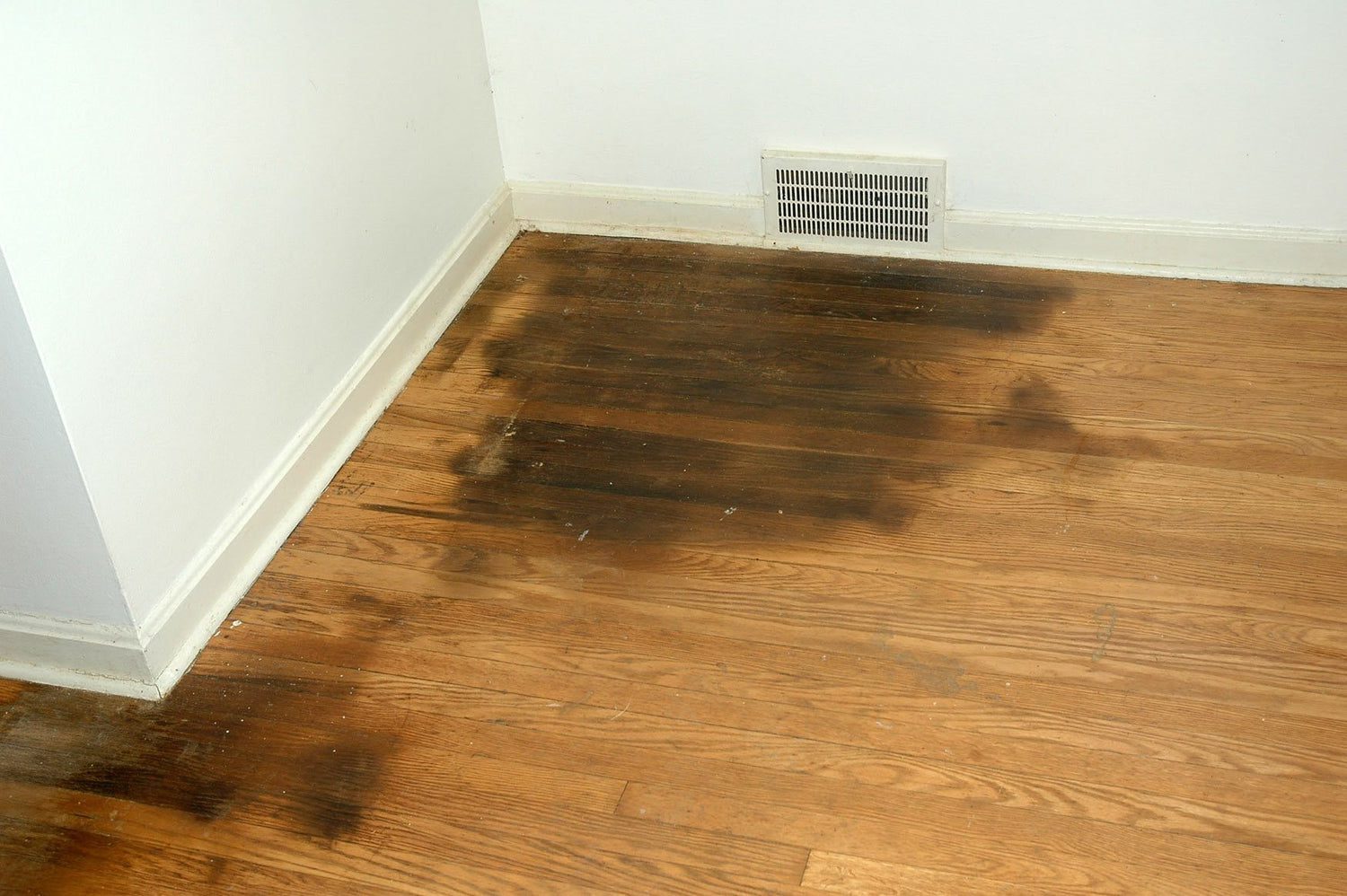
How to Get Rid of Black Stains on Hardwood Floors (Oxalic Acid Fix)
A truly black stain on a hardwood floor is usually iron meeting tannin in the wood, and chlorine bleach rarely touches it. Before you buy anything, work out which of four causes you have: iron-tannin, mold, water, or pet urine. Each one has a different fix.
This page is about black stains specifically: how to tell them apart by where they sit and how they look, why the oxalic acid route works for the iron type, and when the board should be replaced instead. For step-by-step treatment, we point you to the dedicated guides rather than repeating them: the oxalic acid method for dark stains on wood, the broader dark stain guide for hardwood floors, and the pet urine removal guide.
Causes Of Black Stains
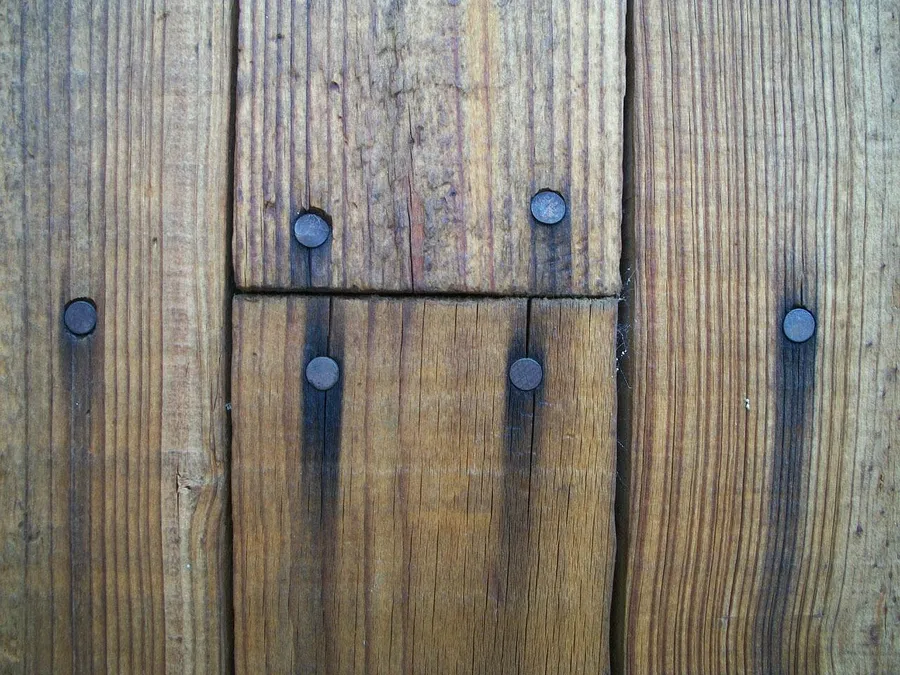
Black stains on hardwood floors come from a few distinct sources, and telling them apart matters because each one needs a different fix. The most common cause that people misdiagnose is a mineral reaction: when iron (from an old nail, staple, or steel wool residue) contacts the wood’s natural tannins in the presence of moisture, it creates a genuine black chemical stain: not surface dirt. Water damage, pet urine, and mold are the other frequent causes, and each tends to look slightly different.
| BEST OXALIC ACID PICK | |
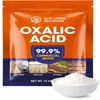 | ECO Living Solutions Oxalic Acid (12 oz)
|
Common Sources
Iron-tannin reactions are common near old nail heads, staples, or tack strips left under carpet, especially in oak floors, which are naturally high in tannin. Water spills that sit too long cause a different, more diffuse dark stain as moisture penetrates the grain. Pet urine soaks into the grain and can darken it, usually with an odor that plain cleaning doesn’t remove. Mold and mildew grow in damp, poorly ventilated spots and usually show a slightly greenish-black tint rather than a pure black. Knowing which of these you’re dealing with determines whether cleaning, bleaching, or sanding is the right next step.
Impact On Wood
Mineral and water stains that are caught early are purely cosmetic. Left untreated, moisture-driven stains can soften the wood fibers and eventually lead to rot, especially if the source of moisture (a leak, a recurring spill) is never fixed. Fixing the underlying moisture or metal source is just as important as treating the visible stain: otherwise it comes back.
Read The Location Before You Treat The Stain
Where the black mark sits is the fastest clue to what made it. A steel fastener is a likely culprit if the stain is tied to a nail line, and a leak is more likely if it follows a wall or an appliance.
| Where the stain sits | Most likely cause | What to do first |
|---|---|---|
| Black halo or streak following the grain from a nail or screw head | Iron-tannin reaction, worst on tannin-rich oak | Treat on bare wood with oxalic acid; steps are in our dark stain removal guide |
| Along a wall, vent, radiator, dishwasher, sink base or fridge | Slow leak or condensation, sometimes with mold | Find and fix the water source before cleaning anything; see the black mold guide if the spot is fuzzy or smells musty |
| Ring under a plant pot, pet bowl or doorway | Repeated water getting through the finish | Check whether the finish is cracked, then follow the depth test in our dark stain guide |
| Irregular dark patch in a spot a pet favors, with a lingering odor | Urine that has soaked past the finish | Enzymatic cleaner first; see the pet urine removal guide |
| Dark patches that only appear after sanding | Stain that went deeper than the finish | Stop sanding, test a hidden spot with oxalic acid, and read the sanding section of our dark stain guide |
Probe it before you bleach it. Press the tip of a flat screwdriver into the stained board with firm hand pressure. If it sinks in or the wood feels spongy, the problem is rot from ongoing moisture, and no bleach will fix it: fix the leak, then plan to replace the board. If the wood is hard and the stain is only color, bleaching or sanding is realistic.
Mold, Water Stains, Or Pet Urine? How To Tell Them Apart
The iron-tannin reaction above is the most common cause of a true black stain, but it isn’t the only one, and mold, plain water damage, and pet urine each need a different fix than oxalic acid. Treating the wrong cause wastes time and, with mold, can leave a health hazard untreated.
| Cause | How It Looks | Correct Fix |
|---|---|---|
| Iron-tannin (mineral) stain | Solid black or blue-black, sharp edges, often near old nail heads or staples | Sand to bare wood, then oxalic acid wood bleach (see the oxalic acid section below) |
| Water/moisture stain | Grey to dark grey, diffuse and feathered edges, no odor | Baking soda paste if surface-level; sanding + oxalic acid if it’s penetrated the grain |
| Black mold or mildew | Fuzzy or spotty texture, greenish-black or grey-black tint, musty smell, grows where humidity stays high | Diluted white vinegar (1:1 with water) with gloves, an N95 mask, and open windows, never dry-sand moldy wood, since that spreads spores |
| Pet urine stain | Dark black or greenish-black, irregular blob shape with undefined edges, persistent ammonia odor even after cleaning | Blot fresh accidents immediately (never wipe, which spreads it into the seams); use an enzymatic pet-stain cleaner on set-in stains, oxalic acid and hydrogen peroxide rarely fully clear a urine stain once it has soaked in |
Mold safety note: mold on hardwood is a health issue, not just a cosmetic one. Wear gloves and an N95 mask, ventilate the room, and avoid sanding it dry, sanding aerosolizes spores. If the moldy area is larger than roughly 10 square feet, treat it as a job for a mold-remediation professional rather than a DIY afternoon.
Pet urine reality check: urine is chemically different from a plain water spill, decomposing uric acid corrodes the finish and, on older or repeated accidents, penetrates deep enough that no surface cleaner reaches it. If an enzymatic cleaner and a light sanding don’t clear it, the board may need replacing or sealing with a shellac-based stain-blocking primer before refinishing, since the odor and discoloration can persist under a new finish otherwise. See our dedicated guide on cat urine stains on hardwood floors for the full removal process.
Household Bleach vs. Oxalic Acid: Which One Actually Works
Oxalic acid is a mild wood-safe acid that works specifically on iron and tannin stains: it forms a soluble compound with the iron ions and lifts them out of the grain, which is why it is the right tool for black iron stains. Chlorine bleach is formulated for organic stains and mold, not mineral ones, so it often lightens the surrounding wood without touching the actual black mark.
Oxalic acid only works on bare wood, so the finish has to be sanded off the stained spot first. Mix and apply it according to the product label, wear rubber gloves and eye protection, ventilate the room, and rinse thoroughly. Our oxalic acid guide has the full ratio, timing and neutralizing steps, and the guide to using wood bleach covers two-part bleaches for stains oxalic acid cannot lift.
Assessing The Damage
Check how deep the stain runs before choosing a fix. A stain that’s only on the surface finish will lift with cleaning or a light buff. A stain that’s dark all the way through, or that looks worse after cleaning, has likely penetrated into the wood fibers: that’s the iron-tannin or deep-water-damage type, and it needs sanding to bare wood plus oxalic acid, not just a cleaner.
Cleaning Solutions
For surface-level stains, such as dirt, light grime or fresh spills, a baking soda paste is genuinely effective and won’t damage the finish. Mix baking soda with water into a paste, apply to the stain, let sit 15 minutes, then scrub gently with a soft cloth and dry the floor completely.
Natural Remedies
Vinegar diluted with water can break down surface grime and light mineral buildup: apply, let sit briefly, then wipe clean. Lemon juice works similarly on very light discoloration. None of these natural remedies will remove a true iron-tannin stain that has penetrated the wood; for that, see the oxalic acid section earlier on this page.
Commercial Products
A pH-neutral hardwood floor cleaner is safer for routine use than a strong all-purpose cleaner, which can strip the finish over time and make the floor more prone to staining. Always test any product on a hidden area first, and ventilate the room if using anything with strong fumes.
Stain Removal Techniques
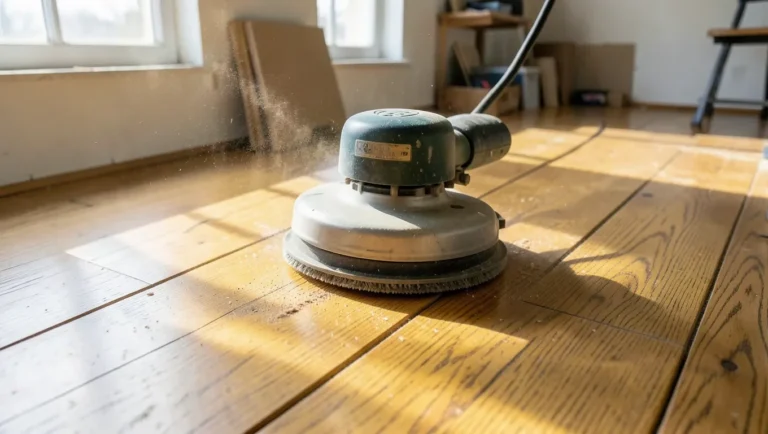
Sanding and refinishing removes deep stains by taking the wood back to bare grain. Sand with progressively finer grit, vacuum the dust, apply oxalic acid if a mineral stain remains, then restain the floor and top it with a fresh coat of polyurethane once the wood is fully dry. This is the most reliable method for stains that have penetrated below the surface.
Can You Sand Out Black Stains On Engineered Floors?
Only if the wear layer (the real-wood veneer on top) is thick enough. A veneer of 2mm or more can generally handle one full sand-and-refinish; 3mm or thicker can often handle two. Anything under 2mm typically can’t be sanded safely at all: you risk sanding through to the plywood core. Check your veneer thickness at an exposed edge, like a floor vent or threshold, before sanding. For broader engineered-floor care beyond stain removal, see our guide to caring for engineered hardwood floors.
Prevention Strategies
Clean floors weekly with a soft broom or vacuum, and use a barely-damp mop rather than a wet one: standing moisture is the single biggest driver of both mold and mineral stains. Wipe spills immediately rather than letting them sit.
Use felt pads under furniture legs to prevent scratches that expose bare wood to moisture and metal contact, and keep pet nails trimmed. If you’re dealing with recurring stains in the same spot, check for a hidden nail, staple, or leak at that exact location: treating the symptom without finding the source means the stain comes back. For a full weekly and seasonal care routine, see how to care for hardwood floors and make them last longer.
Professional Help
Professional refinishers have the tools to sand evenly, measure veneer thickness accurately on engineered floors, and apply oxalic acid safely at scale. Call one when the stain covers a large area, when you’re unsure of your floor’s veneer thickness, or when a DIY attempt has already gone wrong (uneven color, over-sanded spots).
When To Call An Expert
Deep or widespread stains, engineered floors of unknown veneer thickness, and stains that return after DIY treatment are the clearest signs it’s time to call a flooring professional rather than risk sanding through a thin veneer.
Frequently Asked Questions
What Causes Black Stains On Hardwood Floors?
Most black stains come from an iron-tannin chemical reaction: iron from an old nail or staple reacting with the wood’s natural tannins in the presence of moisture. Water damage, pet urine, and mold are the other common causes, and each looks and treats slightly differently.
How Do I Get Rid Of Black Spots On My Floor?
For surface stains, scrub with a baking soda and water paste, rinse, and dry. For stains that penetrate the wood (the mineral/iron-tannin type), sand down to bare wood and apply oxalic acid wood bleach, which household products can’t replicate.
How Do I Remove Black Stains From Wood Without Sanding?
Surface stains can sometimes be lifted with a vinegar-and-baking-soda paste without sanding. Deep mineral stains generally cannot be fully removed without sanding, since oxalic acid needs to reach bare wood to work: a finished surface blocks it.
Does Household Bleach Remove Black Stains From Hardwood?
Rarely, for the most common type. Chlorine bleach is designed for organic stains like mold, not mineral iron-tannin reactions, which are the more frequent cause of true black stains. Oxalic acid wood bleach is the correct product for mineral stains.
Can I Sand Out A Black Stain On An Engineered Hardwood Floor?
Only if the veneer (wear layer) is at least 2mm thick: check at an exposed edge like a vent or threshold. Veneers under 2mm generally can’t be sanded safely without going through to the plywood core.
Is Black Mold On A Hardwood Floor Dangerous?
It can be, especially for people with allergies, asthma, or other respiratory sensitivities. Treat it with gloves, an N95 mask, and good ventilation, avoid dry-sanding it, and call a mold-remediation professional if the affected area is larger than about 10 square feet.
Will Hydrogen Peroxide Remove A Pet Urine Stain From Wood?
Rarely on its own, once the stain has set. Fresh accidents respond to blotting and an enzymatic pet-stain cleaner; older, deeply penetrated urine stains usually need sanding plus an enzymatic treatment, and severe cases may require board replacement or a shellac-based sealer to block both the stain and the odor.
How Can I Tell If A Black Stain Is Mold Or An Iron Stain?
Look at the shape and smell. Iron stains are solid black or blue-black, follow the grain from a nail or screw, and have no odor. Mold is fuzzy or spotty, greenish or grey-black, smells musty, and tends to sit where humidity stays high. If you are unsure, treat it as mold first and wear an N95 mask.
Conclusion
Most black hardwood stains come down to one of two fixes: a surface clean for light dirt and grime, or sanding plus oxalic acid for the more common mineral/iron-tannin reaction. Skip straight to oxalic acid if a cleaning attempt hasn’t worked: household bleach usually won’t. Check your veneer thickness first if the floor is engineered, and address the underlying moisture or metal source so the stain doesn’t return.
Sponsored / affiliate links. As an Amazon Associate I earn from qualifying purchases. I may earn additional commission from eligible campaigns.