Can You Use a Rusty Chainsaw? Safe Rust Removal Steps
A chainsaw with light surface rust on the chain can usually still cut safely, but rust on the bar rails, drive sprocket, or inside the carburetor is a different problem, and soaking the whole saw in water (older advice this article used to give) can hydro-lock the engine. This guide covers how to tell safe surface rust from a real problem, the fastest ways to remove it with WD-40, vinegar, or Evapo-Rust, and how to keep it from coming back.
Is It Safe to Use a Chainsaw With Rust?
Surface rust on the chain’s side plates is usually safe to run through a few more cuts, since the hardened cutting edges resist rust faster than the softer side links do. What is not safe: rust on the bar rails, the drive sprocket, or the clutch drum. Rust on any of those three changes how the chain sits and tensions, and a chain that shifts mid-cut is a kickback risk, not just a maintenance annoyance.
Internal rust is the third, less visible category. If a gas chainsaw has been stored with old fuel or in a damp shed, rust can form inside the carburetor bowl or on the ignition points before it ever shows on the outside. A saw that cranks slowly, floods, or runs rough after sitting for months should be checked for internal rust before you touch the chain at all.
How to Remove Rust From a Chainsaw Chain and Bar (Step-by-Step)
Removing rust from a chain and bar is a five-minute job for light rust, or an overnight soak for a chain that has been sitting for months. Work through these steps in order rather than jumping straight to the strongest method; starting with WD-40 saves a chain that doesn’t actually need vinegar or Evapo-Rust.
- Detach the chain and bar: Remove the chain from the bar and take the bar off the saw so each part can be treated on its own instead of half-cleaned in place.
- Spray on WD-40 or a light penetrating oil: Coat the rusted links and bar rails and let it sit for 5 to 10 minutes to loosen the surface rust.
- Scrub with a brass wire brush: Brass won’t gouge the metal the way steel wool can. Work along the direction of the rust until it lifts off.
- Soak stubborn rust in white vinegar: For rust that doesn’t come off with a brush, submerge just the chain in white vinegar for 30 minutes up to 2 hours, then rinse it immediately and dry it completely.
- Use a dedicated rust remover for heavy corrosion: On a chain that has sat for months, an overnight soak in a product like Evapo-Rust pulls off rust that vinegar alone can’t touch.
- Dry completely and re-oil before reinstalling: Towel-dry every link, then run the chain through bar and chain oil. Skipping this step lets rust come back within days, since a bare chain has no protective film left on it.
Best Rust-Prevention Oil Pick
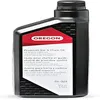 |
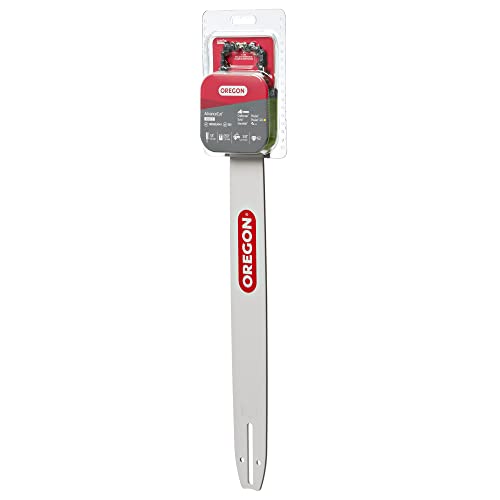
Oregon Premium Bar & Chain Oil, 1 Quart A high film-strength bar and chain oil built to protect metal parts against corrosion and rust between uses, not just lubricate while cutting.
|
As an Amazon Associate we earn from qualifying purchases.
Which Rust Removal Method Works Best? A Quick Comparison
Not every rusty chain needs the same treatment. This table compares the four methods above by how long they take and what level of rust they actually handle.
| Method | Time Needed | Best For |
|---|---|---|
| WD-40 / penetrating oil | 5 to 10 minutes | Light surface rust on chain links |
| Brass wire brush | 2 to 5 minutes per section | Bar rails and drive sprocket |
| White vinegar soak | 30 minutes to 2 hours | Moderate rust across the whole chain |
| Dedicated rust remover (e.g. Evapo-Rust) | 8 to 24 hours | Heavy corrosion on a chain left unused for months |
The Rust Mistake That Can Actually Wreck Your Chainsaw
Some older cleaning advice suggests submerging a whole rusty chainsaw in a bucket of water and household ammonia. This is the one shortcut worth avoiding entirely. Water that reaches the carburetor, air filter, or spark plug boot doesn’t just evaporate, it corrodes the ignition components from the inside and can hydro-lock the cylinder if any gets past the piston rings while the engine is turned over.
In our shop, the rule we never break is simple: the chain and bar can be soaked on their own in vinegar, oil, or a rust remover, but the powerhead itself is wiped down, never dunked. If a chainsaw needs that much cleaning on the engine side, that’s a job for compressed air and a rag, not a bucket.
How to Keep a Chainsaw From Rusting After Every Use
Rust prevention takes less time than rust removal, and it’s the difference between doing this cleanup once a year instead of every few weeks. Wipe the chain and bar dry after every use, before the saw goes back into storage, since sawdust holds moisture against the metal far longer than open air does.
Run fresh bar oil through the chain before storing it for more than a few days; a dry chain has no protective film left and starts rusting faster than one that’s still lightly oiled. If you’re not sure your saw’s oiler is putting out enough oil in the first place, it’s worth learning how to oil a chainsaw properly before you assume the chain is protected.
Where you store the saw matters as much as how you clean it. A damp shed or an unheated garage with condensation swings will rust a clean chain in weeks, so it’s worth reviewing how to store a chainsaw correctly between seasons, including draining the fuel if it will sit for more than 30 days. If rust keeps coming back no matter how the saw is stored, it may also be worth comparing whether a battery chainsaw, which has no carburetor or fuel system to worry about, fits your situation better than a gas model that lives in a humid space.
Frequently Asked Questions
How do you free up a rusty chain?
Soak the chain in white vinegar or a penetrating oil like WD-40 for 30 minutes, then work each link back and forth by hand while it’s still wet. If a link stays seized, tap it gently with a small hammer while it rests on a solid surface, then soak it again before trying to move it.
How do you keep a chainsaw from rusting?
Wipe the chain and bar dry after every use, keep the chain lightly oiled with bar and chain oil, and store the saw in a dry space rather than a damp shed or unheated garage. Draining the fuel before long-term storage also prevents residue from attracting moisture inside the tank.
Can rust actually damage the engine, not just the chain?
Yes. Rust inside the carburetor or on ignition components from stored moisture can cause hard starting, rough idling, or a saw that won’t start at all. This kind of rust is usually caused by storing the saw with old fuel or in a damp space, not by cutting in wet conditions.
Does WD-40 remove rust from a chainsaw?
WD-40 loosens light surface rust well enough to wipe or brush off, especially on chain links, but it isn’t strong enough for heavy corrosion built up over months. For that level of rust, a vinegar soak or a dedicated rust remover works faster and more completely.
Should you replace a rusty chain or clean it?
Clean it if the rust is only on the surface and the cutting edges and rivets still move freely. Replace it if rust has pitted the metal, a link stays seized after soaking and tapping, or the chain has stretched enough that it no longer tensions properly on the bar.
Conclusion
A rusty chainsaw chain is almost always fixable in under an hour with WD-40, a brass brush, and a vinegar soak for the stubborn spots, then a fresh coat of bar oil to keep it from coming back. The one thing worth avoiding entirely is submerging the whole saw in water, since that risks the carburetor and ignition system far more than surface rust ever risks the chain. Clean the chain and bar on their own, keep the powerhead dry, and store the saw somewhere it won’t sit in humidity between uses.
Sponsored / affiliate links. As an Amazon Associate I earn from qualifying purchases. I may earn additional commission from eligible campaigns.