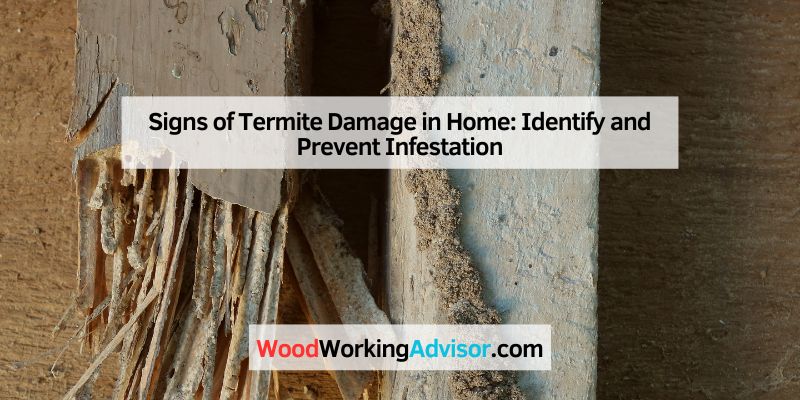
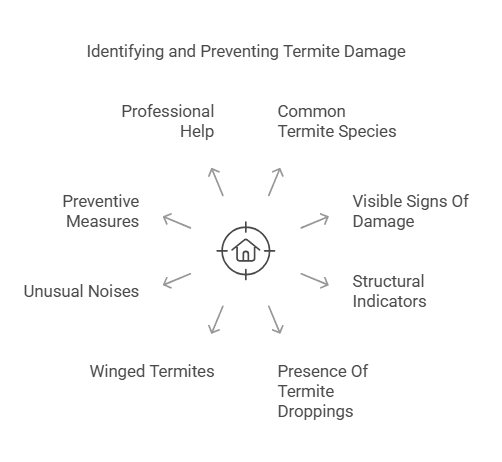
Signs of Termite Damage in Home: Identify and Prevent Infestation
Termites can silently destroy your home. You might not notice them at first.
This makes understanding the signs of termite damage crucial. Termites are sneaky pests that can cause significant damage to your home before you even realize they are there. They chew through wood, wallpaper, and even flooring, undermining the structural integrity of your house.
Knowing the early signs of termite damage can save you from expensive repairs and heartache. By learning what to look for, you can address termite problems before they get out of hand. In this post, we will explore the most common signs of termite damage in your home, helping you protect your property and peace of mind.

Credit: www.reddit.com
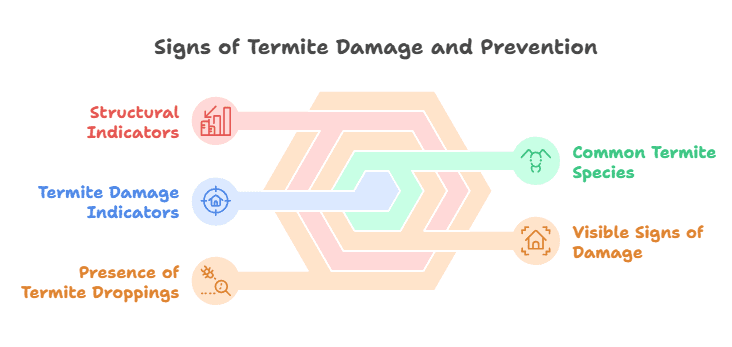
Common Termite Species
Hey there! Today, let’s talk about something crucial for every homeowner—termites. These tiny creatures can cause big problems if left unchecked. Understanding the common termite species is essential to identify the signs of termite damage in your home. So, let’s dive into the main types you might encounter.
Subterranean Termites
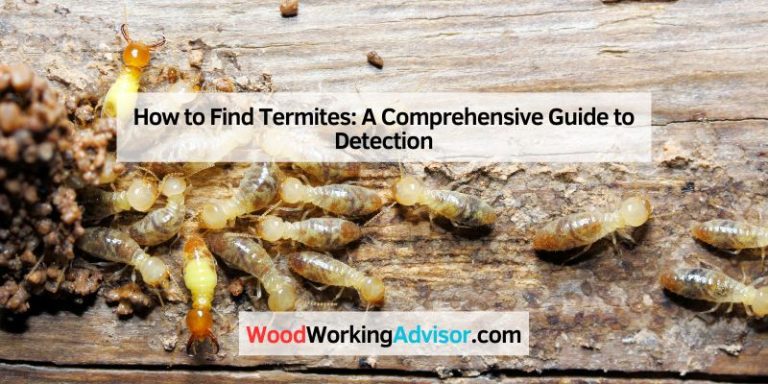
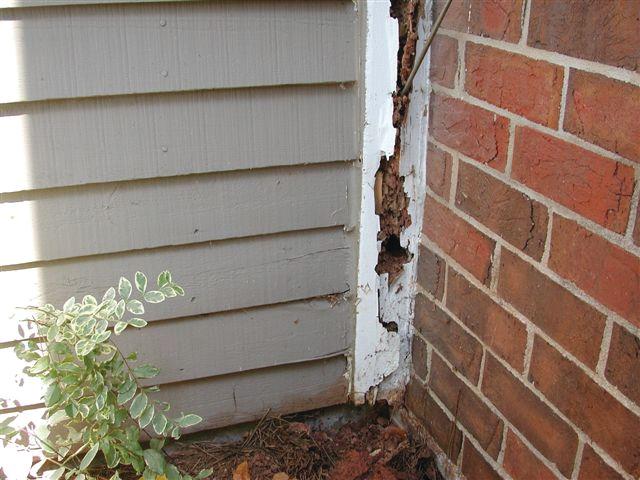
Subterranean termites are the most common type of termite found in homes. They live in the soil and build mud tubes to access wood. These termites are sneaky. They often go unnoticed until significant damage has occurred.
Here are some signs you might have subterranean termites:
- Mud tubes on exterior walls
- Damaged wood that sounds hollow when tapped
- Discarded wings near windows or doors
I remember my friend John once found mud tubes along his basement wall. He didn’t know what they were. It turned out to be a subterranean termite invasion. He had to call pest control right away. So, keep an eye out for these signs!
Drywood Termites
Unlike subterranean termites, drywood termites do not need contact with soil. They infest dry wood, like the wood in your attic or furniture. These termites can be even harder to detect because they live entirely inside the wood they consume.
Watch for these signs to identify drywood termites:
- Small, dry pellets (termite droppings) near wood structures
- Cracked or bubbling paint
- Wood that sounds hollow when tapped
One time, while helping my neighbor move furniture, we found tiny pellets under an old wooden chair. Guess what? It was a drywood termite infestation. We had to act fast to save the rest of the furniture.
Understanding these common termite species helps you spot problems early. Remember, early detection can save you a lot of hassle and money. Keep these signs in mind and stay vigilant!
Visible Signs Of Damage
Hey friends, today we’re diving into something important for every homeowner: termite damage. Termites are tiny, but the harm they do is huge. They can quietly destroy your home. How do you know if they’re around? Let’s look at some visible signs of damage that you can spot easily.
Hollow Wood
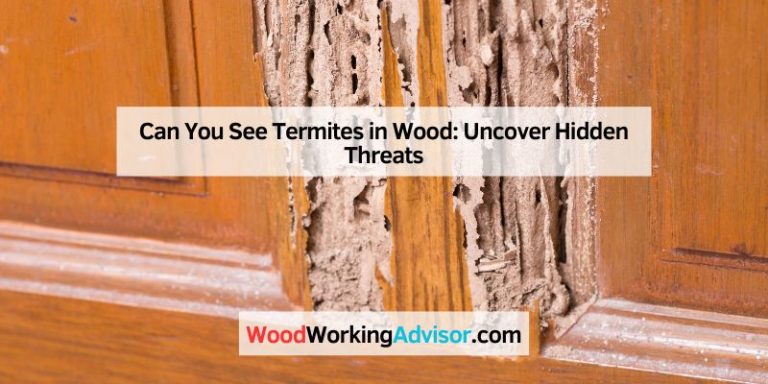
Have you ever tapped on a wooden surface and it sounded empty? That’s a red flag. Termites eat wood from the inside out, leaving behind a thin layer. This makes the wood feel and sound hollow.
Here are a few ways to check for hollow wood:
- Tap on wooden beams, floors, or walls. If it sounds empty, termites might be the culprit.
- Use a screwdriver to gently press against the wood. If it feels soft or breaks easily, that’s another sign.
I once tapped on a wooden beam in my garage and it sounded like a drum. Not good. We found termites had been having a feast inside. So, always keep an ear out.
Blistering Paint
Blistering paint can be tricky. It might seem like just a paint problem, but it can be a sign of termites. They create moisture as they eat wood, which causes the paint to bubble or blister.
Look out for these signs:
- Patches of paint that look swollen or bubbled.
- Areas where paint is peeling off for no apparent reason.
I noticed some blistering paint near my window last summer. Initially, I thought it was due to the heat. But after some inspection, we found termites. So, don’t ignore these signs.
Being aware of these visible signs of damage can save you a lot of trouble. Regularly check your home. If you suspect termites, act fast. Your home will thank you.
Structural Indicators
Hey friends, let’s talk about something important. Termite damage. These little pests can cause big problems. They can destroy the structure of your home without you even noticing. But don’t worry. There are signs you can look for to catch them early. Here, we’ll focus on structural indicators. These are visible signs that termites are munching on your house. Pay attention to these signs to protect your home.
Sagging Floors
Imagine walking into a room, and the floor feels soft. Or it’s uneven. This is a red flag. Sagging floors can be a sign of termite damage. Termites eat away at the wooden supports under the floor. This weakens the structure. Over time, you may even feel the floor bounce a bit. This is not normal. Check it out right away.
Cracked Walls
Next, let’s talk about walls. Cracks in walls can be more than just an old house settling. If you see cracks, especially around door frames or windows, it could be due to termites. They munch through the wooden supports inside your walls. This causes the walls to crack and shift.
| Indicator | Description |
|---|---|
| Sagging Floors | Floors feel soft or uneven |
| Cracked Walls | Visible cracks, especially around doors and windows |
So, what should you do if you see these signs?
- Don’t ignore them.
- Call a professional. They can inspect and confirm if termites are the cause.
- Fix the damage. It’s crucial to repair any structural damage to keep your home safe.
Termites can be sneaky. But with a keen eye, you can catch them early. Keep an eye out for these structural indicators to protect your home. Stay safe!
Credit: www.orkin.com
Presence Of Termite Droppings
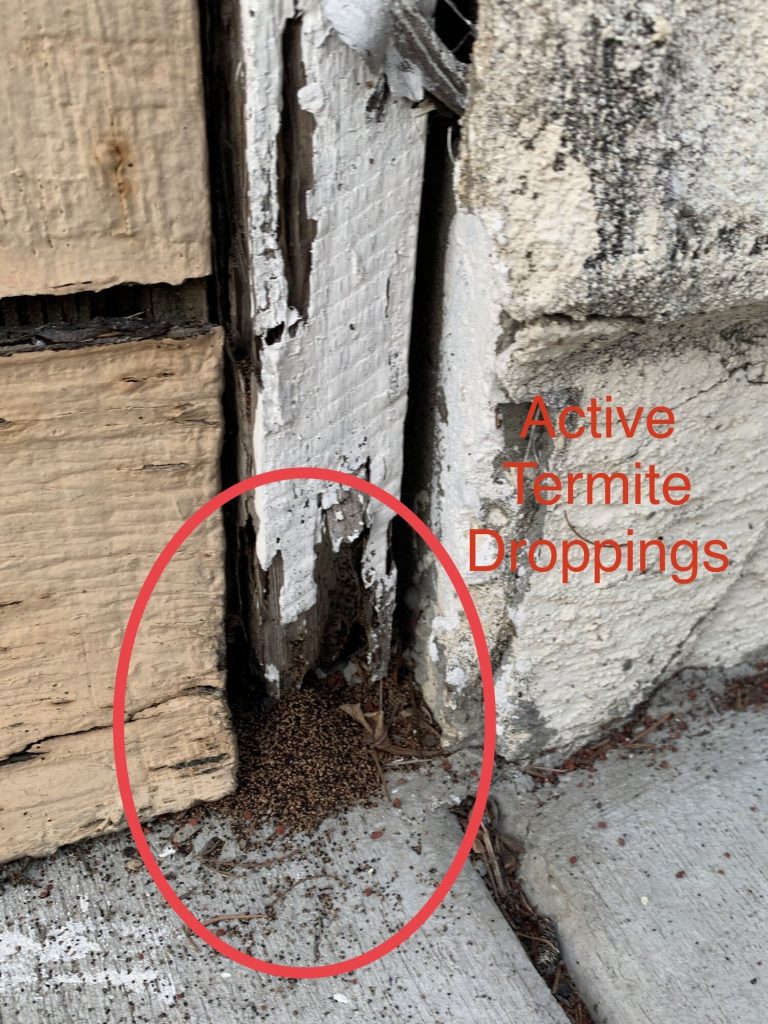
Termite droppings are tiny, wood-colored pellets. These can be found near infested wood, indicating termite activity.
Hey friends, today let’s talk about a sneaky sign of termites in your home – termite droppings. Termites are tiny but their droppings, also known as frass, can be a big clue. Finding these droppings can mean trouble. It’s like finding breadcrumbs leading to the pests. Let’s break it down and see what to look for.
Frass Piles
Frass looks like small wood-colored pellets. You might find them in piles. Imagine sand grains but darker. Termites push these droppings out of their tunnels. It’s their way of keeping their home clean. Look for frass near wooden structures or on your floors. Here are some places to check:
- Window sills
- Baseboards
- Near wooden furniture
If you see frass, it’s time to act. These tiny pellets are a big red flag.
Mud Tubes
Mud tubes are another big sign of termites. These tubes are like highways for termites. They protect termites as they travel from their nest to their food. You’ll usually find these tubes on walls, foundations, or in crawl spaces. Mud tubes look like small, dirty straws stuck to surfaces. They can be thin or thick. Here’s what to do if you see them:
- Check where the tube starts and ends.
- Break a small section of the tube.
- If termites spill out or the tube gets rebuilt, you have a termite problem.
Mud tubes mean termites are active and munching away at your home.
So, now you know two major signs of termite damage: frass piles and mud tubes. Keep an eye out. It’s better to catch these signs early. Termites work quietly, but with a little vigilance, you can catch them before they cause too much harm. Remember, a clean house is not always a termite-free house. Stay alert and protect your home!
Winged Termites
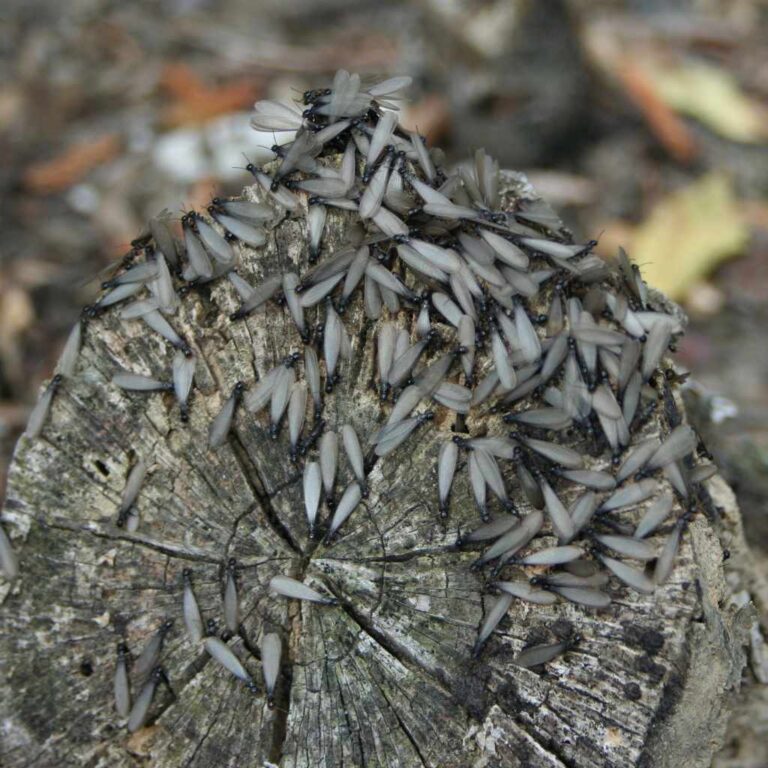
Hey friends, today we’ll talk about an important sign of termite damage in your home: winged termites. These little creatures are often the first hint that termites are lurking around. Winged termites, also known as swarmers, can be a big red flag. They usually come out in large groups, searching for a new place to build a nest. Let’s dive into the details.
Swarmers Indoors
Imagine this: you walk into your living room and see a bunch of winged insects flying around. It can be quite a scare. These are likely termite swarmers. Finding them indoors is a bad sign. Why? Because it means there’s a termite colony nearby.
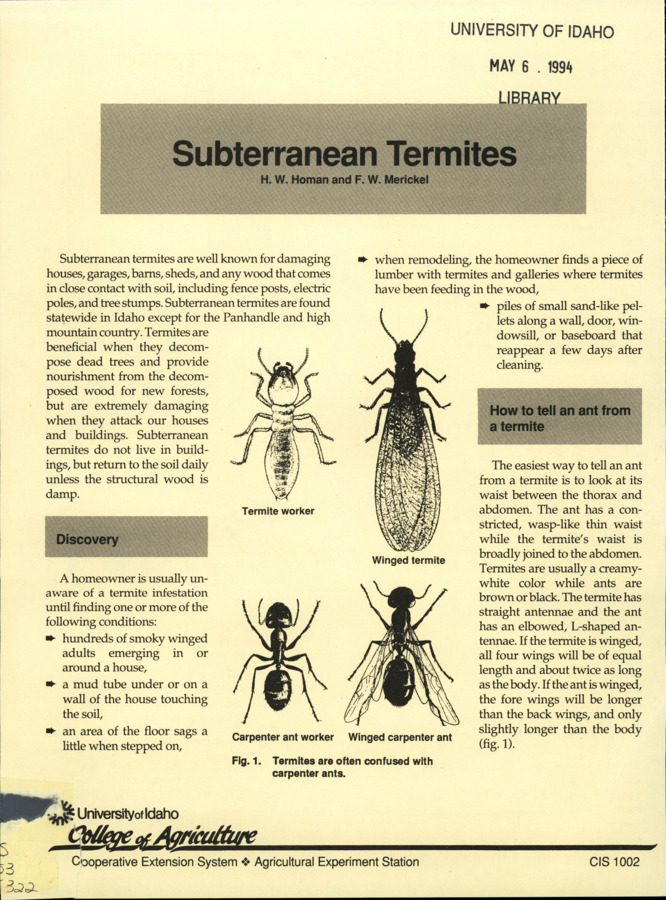
Termite swarmers look a lot like flying ants, but there are some differences. Here are some tips to identify them:
- Body Shape: Termite swarmers have straight waists, while ants have pinched waists.
- Wings: Termites have two pairs of equal-length wings. Ants’ wings are of different lengths.
- Antennae: Termite antennae are straight. Ants’ antennae are bent.
Seeing swarmers indoors means you should act fast. Call a pest control expert to inspect your home.
Discarded Wings
Now, picture this: you clean your house and find small piles of wings near windows or doors. This is another strong sign of termites. When swarmers find a new spot to start a colony, they shed their wings. These discarded wings are often the only clue left behind.
Here’s what to look for:
- Location: Check for wings near windows, doors, and light sources. These are common places where swarmers gather.
- Quantity: If you find a few wings, it might not be a big deal. But a lot of wings? That’s a problem.
- Appearance: Termite wings are all the same size and shape. They are long and translucent with a bit of a shimmer.
Finding these wings can be alarming. But don’t panic. The good news? You’ve caught an early sign. The next step? Contact a professional to assess the situation.
In my own home, I once found a small pile of wings near my kitchen window. At first, I thought they were just dead bugs. But a closer look made me realize they were termite wings. I called a pest control service immediately, and they confirmed my fears. Luckily, I caught it early, and the damage was minimal. So remember, it’s always better to be safe than sorry.
To sum it up, if you see winged termites or their discarded wings, don’t ignore it. These are clear signs of termite activity. Take action quickly to protect your home.
Unusual Noises
Termite damage can go unnoticed until it’s too late. One of the earliest signs of an infestation is unusual noises. These sounds indicate that termites are active and causing damage to your home.
Head Banging Sounds
Termites communicate by banging their heads against wood. This creates a clicking noise. If you hear clicking sounds from your walls, it could be termites. They use these sounds to alert their colony of danger. It’s a warning signal. Pay attention to any new, unexplained noises in your home.
Rustling In Walls
Termites build their colonies inside walls. You might hear rustling sounds as they move. This noise can be faint and difficult to detect. Listen closely, especially at night. Termites are more active in quiet environments. If you hear rustling, it’s a sign of an infestation. Act quickly to prevent further damage.
Preventive Measures
Preventing termite damage in your home is crucial. These tiny pests can cause big problems. By taking some simple steps, you can protect your home. Let’s discuss some key preventive measures you should consider.
Regular Inspections
Regular inspections are a must. Think of them like your annual health check-ups. You don’t want to wait until there’s a problem. Here’s what you can do:
- Schedule professional inspections: A trained eye can spot early signs of termites. Aim for at least once a year.
- DIY checks: Look for mud tubes on walls, hollow-sounding wood, or discarded wings. These are red flags.
Believe me, an inspection can save you a lot of trouble later on.
Moisture Control
Termites love moisture. Controlling moisture around your home can keep them at bay. Here’s how:
- Fix leaks: Check for leaks in pipes, roofs, and faucets. Repair them promptly.
- Proper ventilation: Ensure your home has good ventilation. Especially in the attic and basement.
- Drainage: Make sure water drains away from your home. Gutters and downspouts should direct water away from the foundation.
Think of it like this: termites need water like we need air. Cut off their supply, and they’ll move on.
So, what’s the takeaway? Regular checks and controlling moisture can go a long way. It’s like locking your doors to keep out intruders. Simple steps, but they make a huge difference.

Credit: www.reddit.com
Professional Help
Hey friends, dealing with termite damage can be a real headache. If you notice signs of termites in your home, it might be time to call in the pros. Termites are sneaky and can cause a lot of damage before you even realize they’re there. So, when should you seek professional help? Let’s dive in.
When To Call An Expert
Termites can be tricky to spot. But there are some telltale signs you shouldn’t ignore:
- Hollow-sounding wood: Tap on the wood in your home. If it sounds hollow, termites might be munching away inside.
- Blistering or dark spots: These could be signs of termite activity under the surface.
- Discarded wings: Finding tiny wings near windows or doors? Termites might be close by.
- Mud tubes: These pencil-sized tunnels are a sure sign of termites.
If you spot any of these signs, it’s time to call an expert. Trust me, waiting can make things worse.
Choosing A Pest Control Service
Choosing the right pest control service is crucial. Here are some tips to help you make the best choice:
- Check Reviews: Look online for reviews and ratings. A company with good feedback is more likely to do a great job.
- Ask for References: Don’t be shy. Ask the company for references from past clients.
- Verify Licenses: Make sure the service is licensed and insured. This protects you and your home.
- Get Multiple Quotes: Don’t settle on the first company you find. Get quotes from a few to compare prices and services.
- Ask Questions: Find out about their methods, guarantees, and how long the treatment will take.
Choosing the right pest control service is like picking a good doctor. You want someone who knows their stuff and can fix the problem quickly. I once tried to handle a termite issue myself. Big mistake. I ended up calling a professional, and they got the job done right.
So, if you think you have termites, don’t wait. Get a pro to check it out. It’s worth it to protect your home.
Frequently Asked Questions
How Do I Know If My House Has Termite Damage?
Check for hollow-sounding wood, mud tubes, discarded wings, or frass (termite droppings). Inspect for sagging floors or walls.
Can A House Be Saved From Termite Damage?
Yes, a house can be saved from termite damage. Early detection and professional treatment are crucial. Regular inspections help prevent severe damage.
What Does The Start Of Termite Damage Look Like?
Termite damage starts with small holes in wood, buckling paint, hollow-sounding wood, and mud tubes on walls.
Is It Safe To Live In A House With Termites?
Living in a house with termites is not safe. They cause structural damage, weakening the building. Immediate treatment is essential.
Conclusion
Spotting termite damage early saves your home from severe issues. Check for hollow wood. Look for mud tubes. Notice any discarded wings. Watch for tiny droppings. These signs indicate termite presence. Act quickly. Contact a pest control expert. Protect your home’s structure.
Regular inspections help prevent future damage. Stay vigilant. Keep your home safe from termites.