How to Clean Old Wooden Boxes: Safe Steps and When Not To
Clean an old wooden box only as far as its finish allows: dust first, test a hidden spot, and keep water off bare wood. Conservators at the National Park Service say cleaning should happen only as needed, not on a routine schedule, because the grime on an antique can be part of its value. This guide gives a condition-to-method table, a mold decision, odor fixes, hardware and wax care, and safety checks for old paint.
Decide What You Are Cleaning Before You Touch It
Best Box Wax Pick
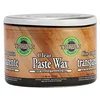 |
Trewax Clear Paste Wax, 12.35 oz ($20.79) A clear paste wax made with natural carnauba wax, according to the tub label. It suits the last step in this guide: a thin coat on a sound, finished box after it has been cleaned and has dried completely.
|
As an Amazon Associate we earn from qualifying purchases.
Most damage comes from the right method on the wrong surface: a damp cloth on bare cedar, a scrub on stenciled paint, a brush on flaking varnish. Identify the surface, then pick from the table, which follows National Park Service leaflets written for museum furniture and applied here to boxes.
| What you see | Do this | Avoid this |
|---|---|---|
| Loose dust, finish looks sound | Vacuum with a soft brush attachment on low suction, or wipe with microfiber, along the grain | A cloth that snags or leaves fibers |
| Dull or grimy, sound clear finish (shellac, varnish, lacquer) | Test a hidden spot, then wipe with a barely damp cloth and weak mild soap, rinse damp, dry at once, rewax | Detergents, dishwashing liquid, soaking |
| Bare wood with no finish (many crates and cigar boxes) | Dry cloth, or vacuum with a brush attachment | Any water; it can raise the grain and carry soil into the wood |
| Painted, stenciled or carrying a label | Dust only, using a soft brush and a vacuum nozzle held just above the surface | Water, soap, rubbing; ask a furniture conservator for more |
| Veneered or inlaid surface | Very little water, one small area at a time, dried immediately | Wet cloths that snag raised edges |
| Flaking, cracked or lifting finish, loose veneer | Leave it alone and ask a conservator | Dusting, wiping, waxing |
| Fuzzy growth that is damp or smears | Isolate, dry, protect yourself (see the mold section) | Brushing or vacuuming it |
| Only a musty smell, no visible growth | Air it out, check humidity (see the odor section) | Soaking the wood or heating it fast |
We treat cigar boxes and crates as bare wood unless the surface feels glossy or waxy, which is our own rule of thumb, not a conservation standard. If you cannot tell whether a finish is water-soluble, the National Park Service’s dusting leaflet says to test with a dampened cotton swab in a hidden area before going further.
When Not to Clean an Old Wooden Box at All
The same conservator leaflet warns that some furniture has built up a surface patina of finish, wax and soil that may be considered part of the piece, and that wear patterns can show how it was used. If a box is signed, dated, an heirloom, or simply looks old, dust it and stop.
- You suspect the finish is original. The National Park Service advises asking a conservator in that case rather than dusting or cleaning it yourself.
- The finish is flaking, cracked or lifting. Wiping it can pull pieces off.
- It is painted, stenciled or labeled. Painted surfaces can be water-soluble, so the conservator guidance is dusting only.
- It has a wax-over-bare-wood finish. The same leaflet says that beyond dusting, the standard cleaning methods will damage it.
- You cannot name the finish. Test first, or leave it.
The Canadian Conservation Institute adds that commercial restoration mixtures and polishes are not recommended for museum wooden objects because they leave a sticky buildup that attracts dust. That is museum guidance, but it is a reason to skip all-in-one restorers on anything valuable. For more on valuable furniture, read our guide to caring for antique wood furniture, and if a finish has already failed, see how to restore wood.
“Cleaning should be performed only as needed, not on a routine schedule.”
Step-by-Step: Cleaning a Box With a Sound, Finished Surface
Use this only when the table sent you to the finished-surface row.
- Inspect the finish: Look at the box under bright light. If the finish is flaking, cracking or lifting at the edges, or any veneer is loose, stop here and do not wipe it; the National Park Service says unstable finishes should not even be dusted.
- Dust it: Vacuum with a soft brush attachment on reduced suction, or wipe with a clean microfiber cloth, always moving with the grain and turning the cloth often. If the cloth snags or leaves fibers behind, switch to the vacuum and brush.
- Test a hidden spot: Touch a water-dampened cotton swab to the underside of the base or inside the lid. If the finish blanches, turns tacky or lifts color onto the swab, do not wet-clean this box.
- Wipe lightly with weak soap: Wring a cotton cloth out in warm water with a little mild soap until it is barely damp, then wipe one small area at a time. Conservators name Ivory flakes or Orvus paste, and warn against detergents and dishwashing liquid because they can leave a film.
- Wipe with clear water: Go over the same area with a cloth that is barely damp with plain water to lift the soap.
- Dry at once: Dry each section with a clean cotton cloth before moving on, then let the whole box air dry completely.
- Rewax thinly: Cleaning removes the old wax coat, so apply two thin coats of a silicone-free paste wax once the wood is dry and buff each coat.
For stubborn dirt, repeat the soap step once rather than adding moisture. The leaflet also cleans some finishes with mineral spirits, but that is a solvent job for trained staff, so we leave it out. If you are weighing a household oil soap against a purpose-made cleaner, see our comparison of Murphy’s oil soap and wood cleaner.
Bare Wood, Cigar Boxes, Crates and Stenciled Labels
Bare wood is porous, so the National Park Service advises against a moistened cloth on unfinished wood, which can push soil into the wood. Use a vacuum with a brush attachment instead. Mineral spirits can clean heavily soiled bare wood, but the leaflet reserves that for trained staff.
Labels and stenciling need the gentlest method of all. For delicate surfaces the conservator leaflet describes holding the vacuum nozzle just above the wood and sweeping dust toward it with a soft artist’s brush no wider than the nozzle, with suction reduced. We apply that to painted stencils, printed paper labels and crate markings alike, though the leaflets address painted surfaces rather than paper labels specifically.
Do not wax these surfaces to make them look better. The waxing leaflet says paste wax on bare wood penetrates the pores and is nearly impossible to remove.
Mold on an Old Wooden Box: Active or Dormant
The Canadian Conservation Institute separates the two cases. Mold is active if it feels damp and smears when brushed or smells musty, and dormant when it has dried to a powder. Dormant mold is still a health concern, because spores do not have to be alive to cause allergic or toxic effects.
- Active mold: do not brush or vacuum it, because that disperses spores. Seal the box in plastic, then let it air dry with any fan or airflow directed away from it.
- Dormant, powdery mold on a small area: wear an N95 respirator, gloves and goggles, which is the Canadian Conservation Institute’s level for areas under 0.3 square meters (roughly 3 square feet).
- Larger outbreaks: the EPA says most people can handle a moldy area under about 10 square feet themselves, and recommends professionals above that or after significant water damage.
- Suspected toxic mold, or a box you cannot replace: call a conservator or remediation professional.
The sources differ on what to wipe with afterward. The EPA says to scrub mold off hard surfaces with detergent and water and dry completely, but that is written for household materials. The museum guidance says detergents can harm finishes and water does not belong on bare wood. For a box you care about, we would follow the more cautious museum approach: dry cleaning first, and a barely damp cloth only on a sound, tested finish. That is our judgment call between the two, not a rule from either source.
Humidity decides whether mold comes back. These growth times come from the Canadian Conservation Institute’s humidity page.
| Relative humidity | Time to visible mold |
|---|---|
| About 70% | Roughly 100 days |
| About 80% | Roughly 10 days |
| 90% to 100% | Roughly 2 days |
Damp means over 75% relative humidity, and any reduction below 100% helps. Source: Canadian Conservation Institute, agent of deterioration: incorrect relative humidity
Move a box from a damp basement or garage to a drier room before you clean it, or the work will not last.
Musty Smell Without Soaking the Wood
Check for mold first, since a musty smell is one of the Canadian Conservation Institute’s signs of active growth. If there is no growth, the odor is usually stale air trapped in a closed box. Prop the lid open in a dry, ventilated room for several days.
Keep it out of direct sun. The Canadian Conservation Institute advises minimizing visible and ultraviolet light to prevent discoloration and cracking of finishes, so the popular tip of leaving furniture in the sun trades a smell for a faded, brittle finish. Shade with moving air does the same job more slowly.
For a smell that lingers inside a closed box, home-care guides suggest an open container of baking soda or activated charcoal set inside for at least a day. We found no conservation source for this, so treat it as household advice, and do not let the powder touch the wood or finish. Do not speed things up with a hair dryer or radiator: the Canadian Conservation Institute says veneered furniture should not see humidity swings beyond about 10%, and inlaid pieces about 5%, or it risks cracking and delamination.
Hardware, Wax and Oil Refresh
Leave original hinges, hasps and corner pieces in place. Dust around them with the soft brush, and keep any metal polish off the surrounding wood, since polish residue can stain it (this is our caution, not a sourced rule). For rust staining that has bled into the wood, see our guide to removing rust stains from wood.
Wax is the refresh step the conservation sources actually describe. The National Park Service waxing leaflet gives these rules:
- Clean the finish before waxing, and wax only after the wood is dry.
- Apply two thin coats instead of one thick coat, then buff. Use a soft brush such as a toothbrush on carved or irregular areas.
- Skip liquid and aerosol polishes, because most contain silicones.
- Never paste-wax bare wood.
- On a dark finish, use a pigmented wax, because light-colored waxes can leave whitish specks in the pores.
- If wax clouds or whitens in heat or humidity, mineral spirits removes it, so waxing is reversible.
- For small objects that mix wood and metal, the leaflet points to Renaissance Wax, a microcrystalline wax that is hard to buff evenly on large surfaces.
The leaflets we read do not cover oil finishes, so we would not oil a valuable box. For a plain modern box, follow the product label and see our wood care and maintenance guide for routine upkeep. If the finish is gone entirely, how to use shellac on wood and our comparison of Restor-A-Finish and Restofinisher cover the next step, and removing acetone from wood helps if a solvent spill has marked the surface.
Safety: Old Paint, Mold Dust and Solvents
Lead is the one most people overlook. A painted box from before the late 1970s may carry lead paint, and scrubbing or scraping chipping paint creates dust you cannot see. Our advice: treat chipping paint on a painted box of unknown age as possibly leaded, do not dry-scrub, sand or scrape it, keep it away from children, and have it tested before any stripping.
Lead-based paint dust is the most common cause of lead exposure in the United States, mainly in homes built before 1978, and children six and under are most at risk. Source: EPA, Learn About Lead
That EPA page is about homes, so applying it to a painted box is our inference; we found no source giving a lead rate for old boxes specifically.
Any solvent, including the mineral spirits conservators use, needs ample ventilation and a read of its safety data sheet first. And if you spot small holes with fresh powder, move the box away from other wood and read our guide to termite damage versus wood rot before you start cleaning.
Frequently Asked Questions
Can I use water to clean an old wooden box?
Only on a sound, clear finish, barely damp, after a hidden-spot test. The National Park Service advises against water on unfinished furniture because it can raise the grain, and says painted surfaces should only be dusted.
How do I get a musty smell out of an old wooden box?
Check for active mold first, since damp, smearing growth or a strong mold smell means following the mold steps above. If it is only stale, air the box open in a dry, ventilated room out of direct sun for several days.
Is it safe to clean mold off a wooden box myself?
For a small area, usually yes with precautions. The EPA says most people can handle a patch under about 10 square feet, and the Canadian Conservation Institute says to wear at least an N95 respirator, gloves and goggles and never to brush or vacuum actively growing mold.
How often should I wax an old wooden box?
The National Park Service says most furniture in lived-in settings needs rewaxing every one to four years, and that rewaxing is unnecessary while the existing wax can still be buffed to a sheen. Two thin coats beat one thick coat.
Identify the surface, dust first, wet-clean only a tested and sound finish, treat mold as a health issue, and stop before cleaning erases the history of a valuable piece. For a box worth real money, a furniture conservator costs less than a mistake.
Sponsored / affiliate links. As an Amazon Associate I earn from qualifying purchases. I may earn additional commission from eligible campaigns.