Signs of Termites in Texas: How to Detect and Prevent Infestations
Termites can cause severe damage to homes in Texas. They are silent destroyers.
Living in Texas, you might think about the usual pests: ants, spiders, or maybe even scorpions. But termites? These tiny terrors often go unnoticed until significant damage occurs. Texas, with its warm climate, is a perfect breeding ground for termites.
Your home could be at risk, and you might not even know it. Recognizing the signs early can save you both money and stress. In this blog post, we’ll explore the telltale signs of termite infestations specific to Texas. Stay informed and protect your home from these silent invaders.
Credit: dallas.rentokil.com
Common Termite Species In Texas
Hey folks, let’s talk about something important. If you live in Texas, you need to know about termites. These little pests can cause big problems. Understanding the common termite species in Texas can help you protect your home. So, let’s dive in!
Subterranean Termites
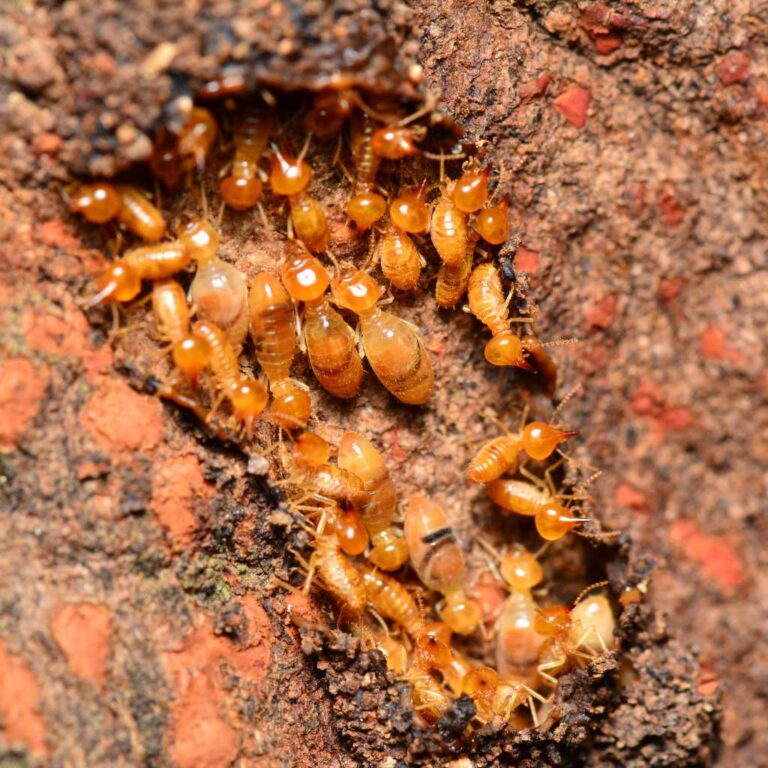
Subterranean termites are the most common type of termite in Texas. They live in the soil and build tunnels to reach wood. These termites are always looking for food. They can cause serious damage to your home.
Here are some signs you might have subterranean termites:
- Mud tubes on walls or foundations
- Swarmers (winged termites) inside your home
- Damaged wood that sounds hollow when tapped
I remember when I first saw those mud tubes in my basement. I had no idea what they were. A quick call to the pest control company cleared things up. Subterranean termites were making themselves at home!
Drywood Termites
Drywood termites are less common, but they are still a threat. Unlike subterranean termites, they do not need soil. They live in dry wood, like furniture and structural timber. These termites can be hard to detect.
Watch out for these signs of drywood termites:
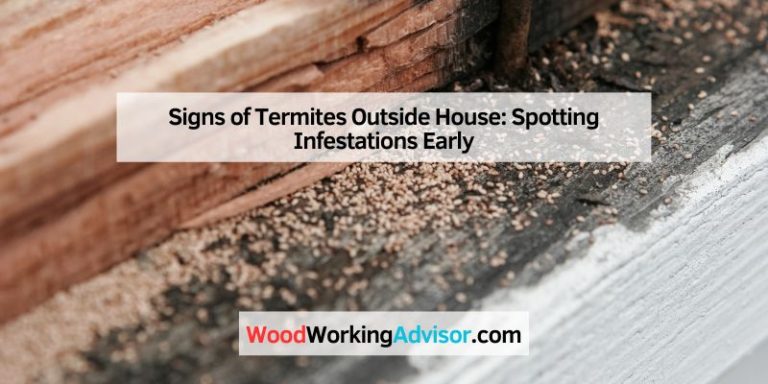
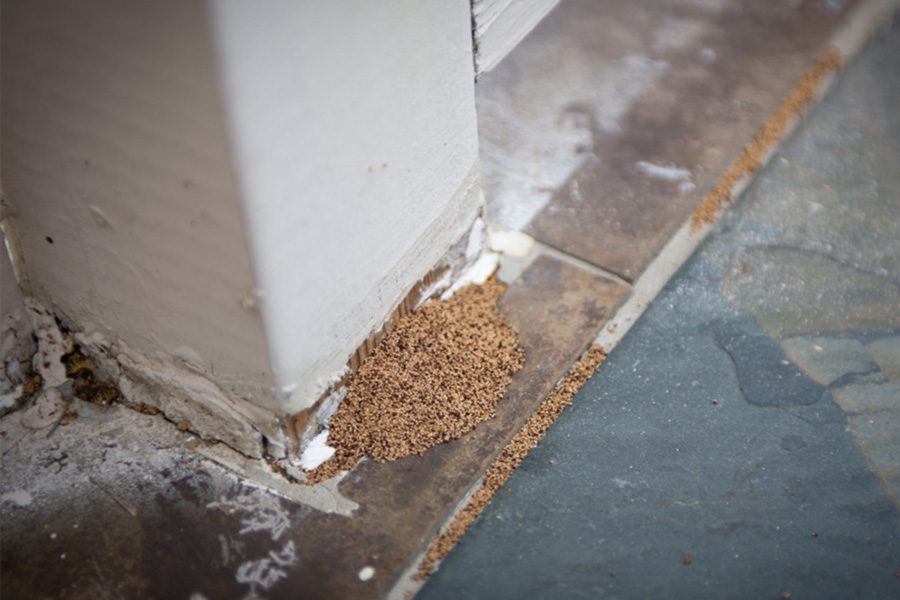
- Small piles of wood-colored droppings (frass)
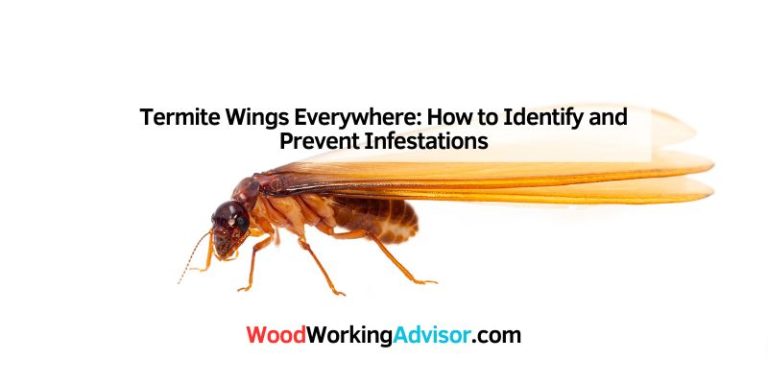
- Discarded wings near windows or doors
- Tiny holes in wood surfaces
A friend of mine found drywood termite droppings in her attic. At first, she thought it was sawdust. But then, she noticed the tiny holes in the beams. It turns out, drywood termites had been munching away for months!
So, there you have it. Two common termite species in Texas. Keep an eye out for the signs. Better safe than sorry!

Credit: www.enviroconpest.com
Signs Of Termite Activity
Termites can cause serious damage to homes in Texas. Knowing the signs of termite activity is crucial. It helps in early detection and prevention. Here are some common signs to watch out for.
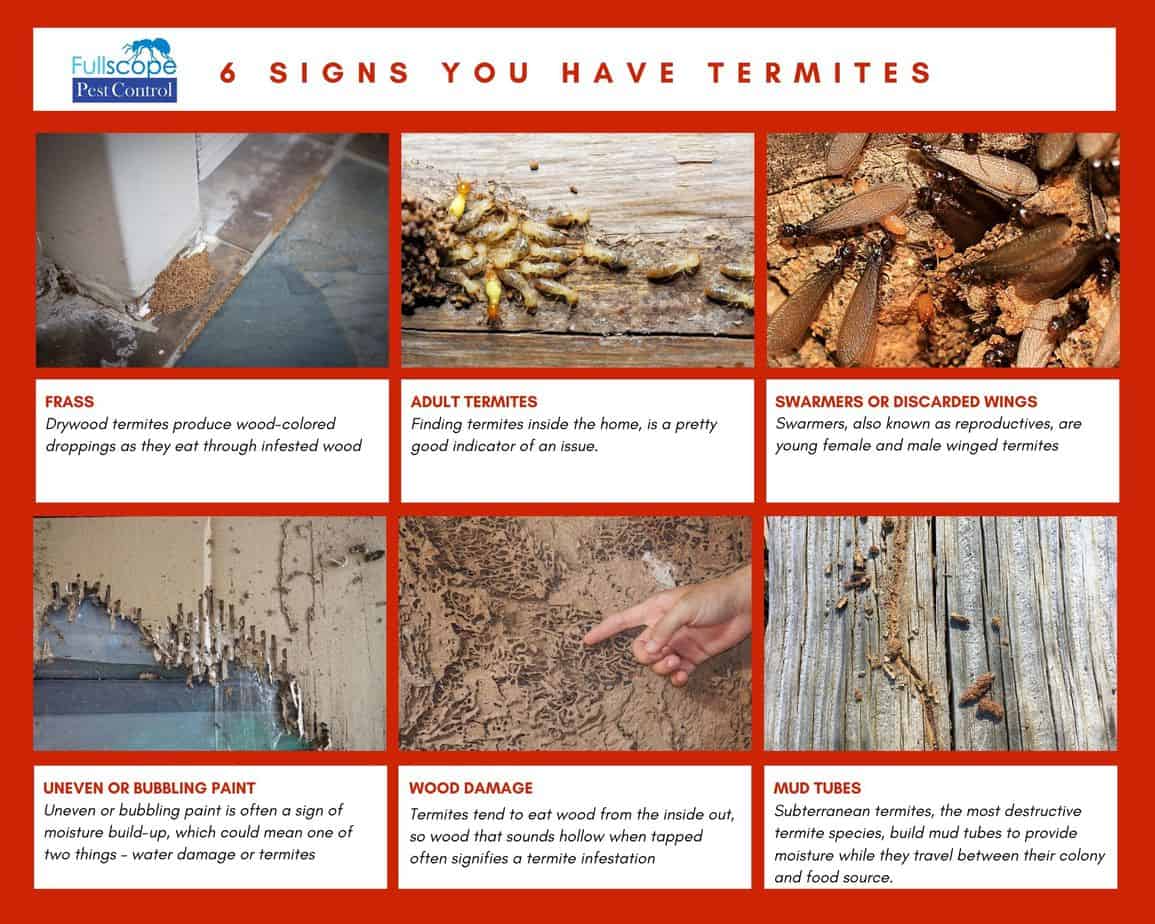
Mud Tubes
Mud tubes are a clear sign of termites. These tubes are often found on walls or foundations. They provide a safe path for termites to travel. The tubes protect them from predators and dry environments. Check for these small, brown tunnels around your home.
Discarded Wings
Termites shed their wings once they find a new nesting site. You may find these discarded wings near windows or doors. The presence of wings is a strong indication of a termite infestation. Look closely in these areas for small, translucent wings.
Wood Damage
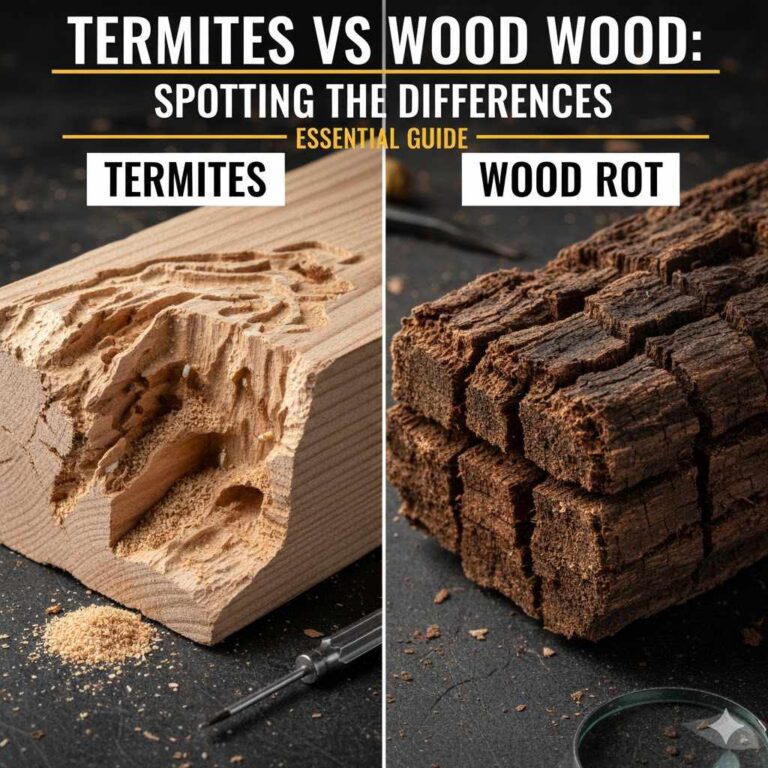
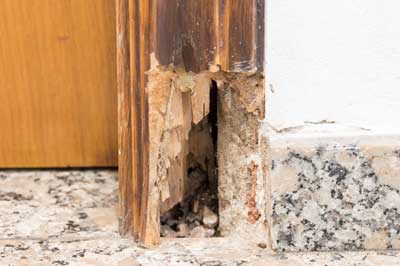
Termites eat wood from the inside out. This makes wood damage hard to detect at first. Tap on wooden structures. If they sound hollow, termites might be inside. Also, look for blistering in wood floors. This can be a sign of termites eating the wood underneath.
Indoor Indicators
Texas homeowners often face the unwelcome presence of termites. Identifying indoor indicators of termites early can save you from extensive damage. Here are some key signs to watch for inside your home.
Hollow Sounding Wood
Tap on wooden surfaces. Do they sound hollow? This could mean termites have eaten through the wood. Termites consume wood from the inside out. The outer layer may look fine, but the inside could be gone. This weakens the structure.
Bubbling Paint
Bubbling or peeling paint can be a sign of termites. Termites create moisture as they eat wood. This moisture can cause paint to bubble or peel. Inspect these areas closely. You might find other signs of termites nearby.
Frass
Frass is termite droppings. It looks like tiny wood pellets. You might find frass near windowsills or baseboards. Termites push frass out of their tunnels, leaving piles behind. Finding frass means termites are active in your home.
Outdoor Indicators
Termites can cause significant damage to homes in Texas. Spotting signs outdoors can help prevent infestations. Here are some key outdoor indicators to watch for.
Damaged Trees
Termites often target trees. Look for hollowed-out wood. Check for small holes in tree trunks. Termites may create mud tubes on the bark. These tubes protect termites from predators and dry air. Damaged trees can be a clear sign of termite activity.
Wood Piles
Wood piles attract termites. They provide food and shelter. Check for mud tubes around the wood. Look for hollow-sounding wood. These are strong indicators of termites. Keep wood piles away from your home.
Foundation Cracks
Cracks in your foundation can invite termites. They use cracks to enter your home. Inspect your foundation regularly. Look for signs of mud tubes. These tubes can be a sign of termites entering through cracks.
Inspection Tips
Hey there! Worried about termites in your Texas home? Don’t stress. With a few simple inspection tips, you can catch these pests before they cause too much damage. Let’s break it down step by step. We’ll start with the basement and crawl spaces, move up to the attic, and finally, consider professional help. Ready? Let’s dive in!
Checking Basements And Crawl Spaces
Basements and crawl spaces are prime spots for termite activity. These areas are often dark and damp, making them perfect for termites. Start by looking for mud tubes. These are small tunnels that termites build to travel. They look like tiny dirt highways.
Next, check for wood damage. Tap on wood beams and listen. If it sounds hollow, termites might be inside. Also, keep an eye out for discarded wings. Termites shed their wings when they find a new home.
- Look for mud tubes on walls and foundations.
- Check wood for hollow sounds.
- Search for discarded termite wings.
Inspecting Attics
Attics are another favorite spot for termites. They can sneak in through small cracks and start munching on your wooden beams. First, take a flashlight and look for any signs of damage. Pay special attention to the corners and edges of the attic.
Also, check for frass. Frass is termite droppings, and it looks like tiny wood pellets. Finding frass is a clear sign that termites are present. If you see any, it’s time to take action.
- Use a flashlight to inspect beams and corners.
- Look for tiny wood pellets (frass).
- Check for any signs of wood damage.
Using Professional Services
Sometimes, a professional touch is needed. If you’re not sure what to look for, or if you’ve found signs of termites, calling a pro can save you time and stress. Professionals have tools and knowledge to spot termites quickly. They can also provide treatments to get rid of them.
My neighbor, Sarah, had a termite problem last year. She tried to handle it herself but felt overwhelmed. So, she called a pest control service. They found termites in places she never thought to check. Within a week, her home was termite-free.
Here’s what a professional service can do for you:
- Thorough inspection with specialized tools.
- Effective treatment plans.
- Regular follow-ups to ensure termites stay away.
Remember, it’s better to be safe than sorry. If in doubt, reach out to a professional.
So, there you have it! By checking basements, crawl spaces, attics, and using professional services, you can keep your Texas home termite-free. Happy inspecting!
Prevention Methods
Hey there, folks! Living in Texas comes with its perks, but it also means dealing with unwanted visitors. Yes, I’m talking about termites. These little creatures can cause big problems if not addressed. So, how do you keep them at bay? Let’s dive into some simple and effective prevention methods.
Reducing Moisture
Termites love moisture. It’s like candy to them. So, the first step in keeping them away is to reduce moisture around your home. Here’s how:
- Fix leaky faucets and pipes.
- Ensure your gutters are clean and direct water away from your house.
- Use a dehumidifier in damp areas like basements or crawl spaces.
Reducing moisture will make your home less appealing to termites.
Sealing Entry Points
Think of your house as a fortress. Any cracks or gaps are like open doors for termites. So, you need to seal those entry points. Here’s a quick guide:
- Inspect your home’s foundation for cracks and seal them with appropriate materials.
- Check windows and doors for gaps and use weather stripping to seal them.
- Don’t forget to check around utility lines and pipes entering your home.
By closing these gaps, you make it harder for termites to sneak in.
Regular Inspections
Regular inspections are like a check-up for your home. They help catch problems early. Here’s what you can do:
- Schedule annual professional termite inspections.
- Do monthly checks yourself. Look for mud tubes, discarded wings, or damaged wood.
Think of it as an investment in your home’s health. A small effort now can save you big headaches later.
I recently had a scare with termites in my own home. I noticed some mud tubes near the foundation. Thankfully, I caught it early, and a professional inspection confirmed my suspicions. We took quick action, and my home was saved from serious damage.
So there you have it! Simple steps to keep those pesky termites away. Remember, a little prevention goes a long way. Stay vigilant, and keep your home termite-free!
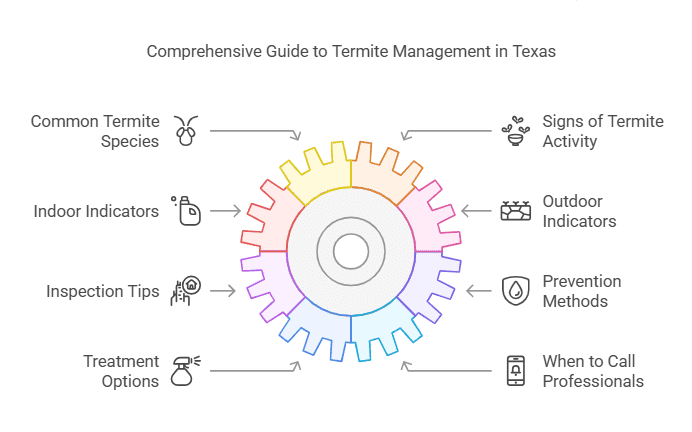
Treatment Options
Hey there, Texas homeowners! Termites can be a real headache. They sneak into your homes and start causing damage before you even notice. But don’t worry, there are ways to handle these pesky critters. Let’s talk about some treatment options you can consider if you suspect termites are invading your space.
Chemical Treatments
Chemical treatments are a common way to tackle termite problems. They involve using chemicals to either kill the termites or keep them away from your home. Here are a few options:
- Liquid Termiticides: These are applied to the soil around your house. They create a barrier that termites can’t cross.
- Termite Baits: Placed around your home, these baits attract termites, which then carry the poison back to their colony.
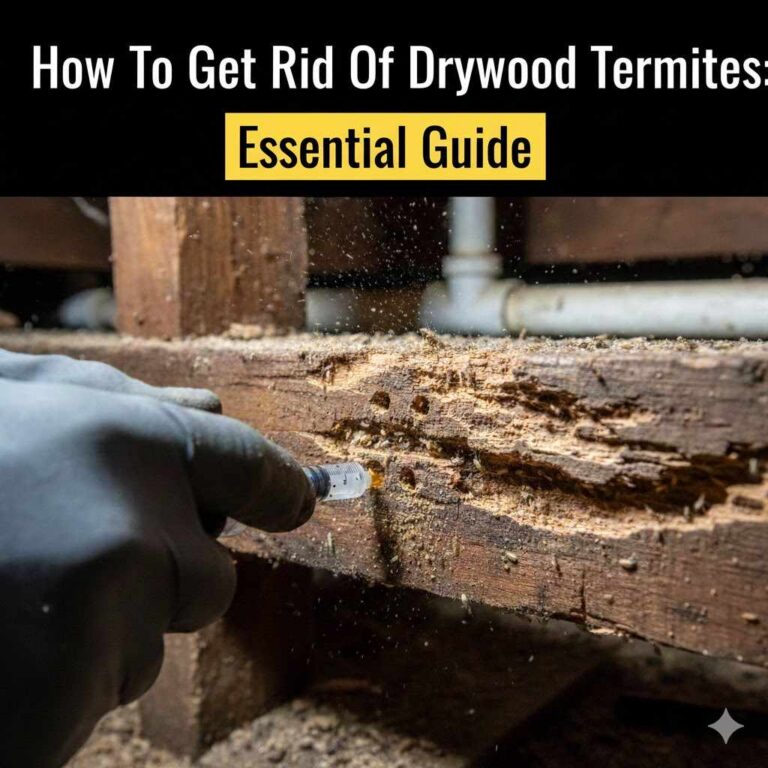
These treatments are effective, but you might need professional help to apply them correctly.
Baiting Systems
Baiting systems are another way to deal with termites. Imagine setting traps for these little invaders. Here’s how they work:
- Install Bait Stations: Placed around your property, these stations contain wood or other materials that attract termites.
- Monitor Activity: Regular checks help see if termites are taking the bait.
- Introduce Poison: Once termites are found, a poison is added to the bait. Termites take this back to their colony, spreading it and killing others.
Baiting systems are useful because they target the entire colony, not just individual termites.
Natural Remedies
Not a fan of chemicals? No problem. There are natural remedies to keep termites at bay. Here are some options:
- Neem Oil: This natural oil can disrupt the growth and reproduction of termites.
- Borax: A common household item, it can kill termites when ingested.
- Orange Oil: Derived from orange peels, it can kill termites on contact.
Natural remedies are great for small infestations or as a preventive measure. However, they might not be as effective for large colonies.
So, there you have it! Whether you choose chemical treatments, baiting systems, or natural remedies, there’s a solution for every termite problem. Keep an eye out for signs of termites and act quickly. Your home will thank you!
Credit: www.fullscopepestcontrol.com
When To Call Professionals
Hey there! Spotting termites can be quite tricky. But knowing when to call in the pros is vital. Texas is a hotspot for these pesky insects. So, let’s talk about when it’s best to get professional help. Trust me, catching them early can save you a lot of trouble.
Severe Infestations
First off, severe infestations need immediate attention. How do you know it’s severe? Look for multiple signs like:
- Hollow-sounding wood
- Visible mud tubes
- Discarded wings
Imagine finding your wooden furniture sounding hollow. That’s a red flag. If you see several of these signs, it’s time to call professionals. I once ignored a hollow sound in my deck, and it cost me dearly. Don’t make the same mistake!
Persistent Issues
Next, if the problem just won’t go away, get help. Maybe you’ve tried DIY solutions. Maybe you’ve used store-bought sprays. But the termites keep coming back. Persisting issues mean a deeper problem. Professionals can find the root cause and treat it effectively. Think of it like a headache that just won’t go away. Sometimes, you need a doctor.
Expert Advice
Lastly, expert advice is invaluable. Professionals know termites inside out. They can offer tips on:
- Prevention
- Long-term solutions
- Maintenance
For example, they might suggest regular inspections or specific treatments. This advice can save you from future headaches. Plus, experts have the tools and knowledge to handle infestations safely and effectively.
So, when should you call in the pros? When you see severe signs, face persistent issues, or just need expert advice. Trust me, it’s worth it. Your home will thank you!
Frequently Asked Questions
How Do You Know If You Have Termites In Texas?
To identify termites in Texas, look for mud tubes, discarded wings, wood damage, and frass. Inspect dark, damp areas.
Can You Live In A House With Termites?
Living in a house with termites is unsafe. They damage the structure, causing potential hazards. Act immediately to eliminate termites.
How Do You Tell If You Have Termites In Your Walls?
Look for hollow-sounding walls, mud tubes, discarded wings, small holes, or faint rustling noises. Termite droppings or damaged wood also indicate an infestation.
What Time Of Year Are Termites Most Active?
Termites are most active during warm months, typically from spring to late summer, especially after rainfall.
Conclusion
Spotting termite signs early can save you a lot of trouble. Keep an eye out for mud tubes, discarded wings, and wood damage. Regular inspections help prevent severe infestations. Don’t ignore small signs; they can lead to big problems. Protect your home by acting quickly.
Termites cause significant damage if left unchecked. Stay vigilant and consult a professional if needed. Texas homeowners must stay proactive. Your home is worth the effort.