Does Ready Seal Need 2 Coats: Expert Tips and Insights
Yes, Ready Seal does need 2 coats for best results. Applying two coats ensures even color and better protection.
Ready Seal is a popular choice for staining wood, known for its ease of use and long-lasting finish. But many wonder if one coat is enough or if two coats are necessary. Understanding the importance of applying two coats can help achieve a more durable and attractive finish.
In this blog post, we will explain why two coats are recommended for Ready Seal. We will also discuss the benefits of doing so. This ensures your wood project looks great and stands up to the elements. Keep reading to learn more about the best practices for using Ready Seal. This will help you achieve the best possible outcome for your wood staining project.
Introduction To Ready Seal
Best Stain Pick
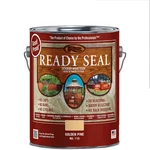 |
Ready Seal Exterior Wood Stain & Sealer, Golden Pine, 1 Gallon – $56.99 This is the actual Ready Seal stain this guide covers — budget on two 1-gallon cans if you’re doing the two-coat application this article recommends.
|
Ready Seal is an oil-based semi-transparent stain and sealer in one product, formulated so the oils carry pigment and sealer resin deep into the wood’s pores rather than sitting as a film on top the way some film-forming deck stains do. That penetrating approach is also what gives it a genuine “no-lap” quality: because it soaks in rather than curing as a surface skin, overlapping a wet edge with a dry one after a break doesn’t leave the visible lap marks that plague many other stains, which is a real practical advantage for anyone staining a large deck solo over a weekend.
It’s built for exterior wood that takes real weather exposure:
- Wooden decks
- Fences
- Wooden furniture
- Playsets
- Log homes
Benefits Of Using Ready Seal
Ready Seal needs no primer and no back-brushing technique to avoid lap marks, which makes it genuinely beginner-friendly compared to stains that demand a fast, even hand to avoid streaking. It applies cleanly with a brush, roller, or pump sprayer, and because it penetrates rather than forming a hard surface film, minor application inconsistencies even out as the oil soaks in rather than staying visible as streaks once dry.
The oil-based formula gives real weather resistance once cured: it resists UV fading and surface peeling far better than water-based film-forming stains, since there’s no continuous film to crack or flake off in the first place — the wood simply weathers and needs a fresh coat eventually, rather than peeling in sheets the way a failed film finish does. Most manufacturer guidance puts reapplication at roughly 2-4 years depending on sun and weather exposure, which is a light maintenance burden compared to annual deck-stain touch-ups.
Application Process
Surface prep matters more than the stain itself for how the finish turns out: strip any old paint or failing stain, clean off dirt, mildew, and mill glaze with a deck cleaner or a light pressure wash, and let the wood dry fully — a moisture meter reading under about 15% is the safe threshold, since stain applied to damp wood won’t penetrate evenly and can trap moisture underneath. Light sanding on rough or weathered boards opens the grain slightly, which helps the oil absorb rather than beading on a hardened, sun-baked surface. Fill any cracks or gouges with an exterior wood filler and let it cure fully before staining over it.
Stir the can thoroughly before and periodically during application, since the pigment settles. Apply a thin, even first coat with a brush, roller, or sprayer, working with the grain and avoiding puddling in low spots or between deck boards, where excess stain will dry tacky rather than soaking in. Let this first coat penetrate for about 45 minutes — this coat is mostly about saturating the wood’s pores, and on porous or older wood you’ll often see it absorb almost completely, which is exactly why a second coat matters (more on that below).
Determining The Need For A Second Coat
Wood porosity is the biggest variable: softer, more open-grained woods like cedar, pine, and new pressure-treated lumber soak up the first coat fast and often look patchy or dry in spots afterward, while dense hardwoods can look sufficiently coated with just one application. New, unweathered wood also tends to drink in stain faster than wood that’s been outside for a season or two and developed a slightly weathered surface.
Climate plays a real role too — very dry, hot conditions can cause the first coat to absorb and flash-dry faster than expected, leaving thinner coverage than a similar application in milder weather, while high humidity slows absorption and can make a single coat look adequately saturated when it actually isn’t once fully dry. Heavy sun exposure is its own factor regardless of climate: south-facing or unshaded sections of a deck fade faster, and a second coat there specifically extends the UV-blocking pigment’s working life.
The practical test is visual: once the first coat has had its full 45 minutes to penetrate, look for blotchy or uneven color, any spot where the wood still looks thirsty or takes stain readily when touched with more, or a surface that looks dry and dull rather than slightly satin. Any of those signs means a second coat will genuinely improve the result, not just add unnecessary product.
Expert Opinions On Two Coats
Ready Seal’s own product literature calls for two coats on most exterior applications, and the reasoning lines up with how the product actually works: the first coat’s job is deep penetration and saturating the wood’s pores, while the second coat is what builds up the surface-level pigment density and water-repellency that actually does the long-term protective work. Skipping it doesn’t ruin the wood, but it does mean thinner UV protection and a less even final color, especially on porous or previously unfinished wood.
Professional Recommendations
Deck and fence contractors who use Ready Seal regularly treat the two-coat application as standard practice rather than an optional upgrade, specifically because the alternative — inconsistent coverage that shows blotchy patches within the first season — creates callback complaints. The workflow they follow matches the can’s own directions: apply the first coat, let it penetrate for the full 45 minutes minimum, then apply the second coat while the first is still slightly tacky so the two coats bond into a single finish rather than the second coat sitting on top of a fully cured first layer.
Customer Experiences
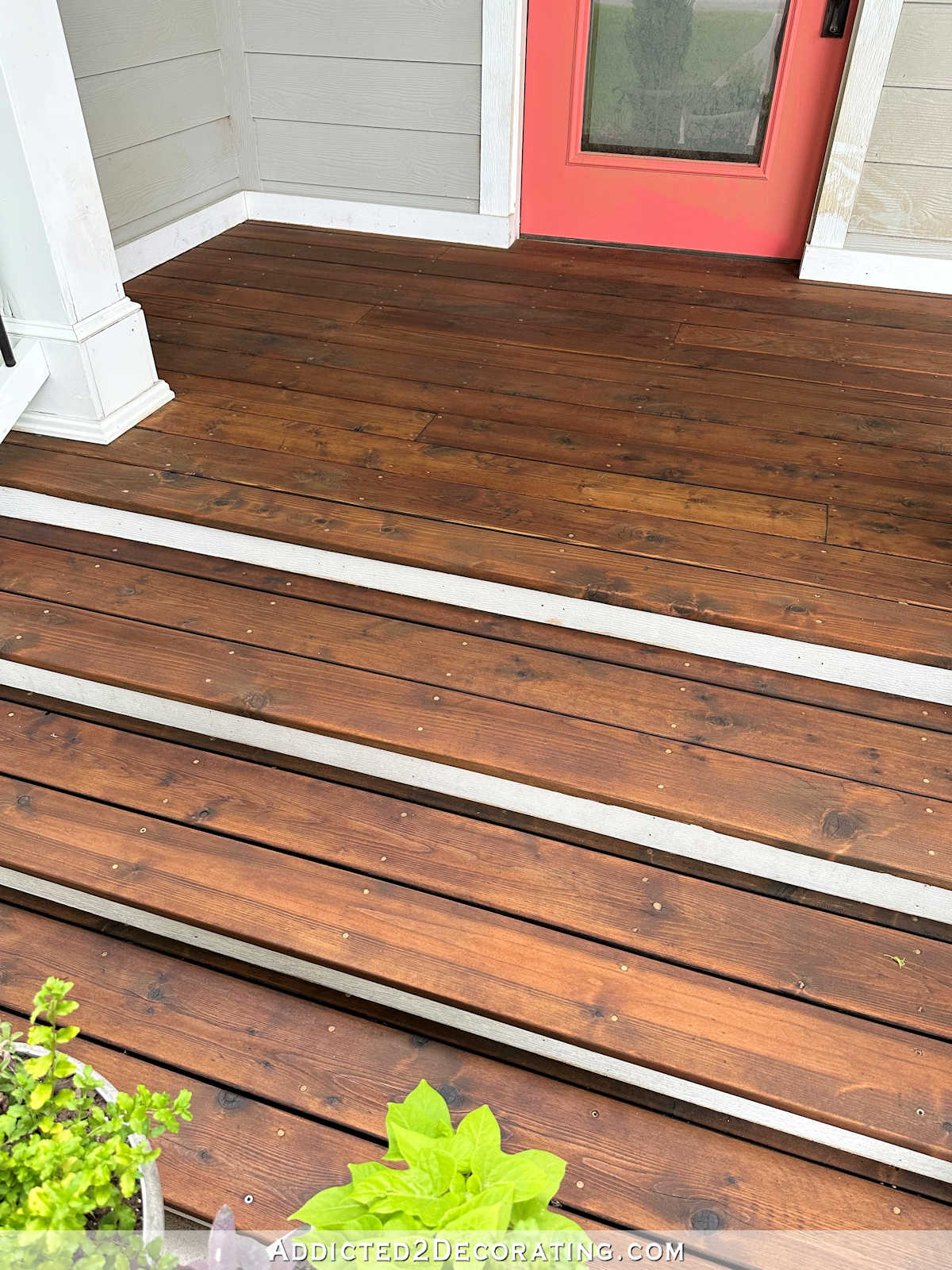
Reviews and forum discussions of Ready Seal split along predictable lines: people who stained newer or less porous wood sometimes report one coat looking acceptable, while those working with cedar, rough-sawn lumber, or older weathered wood consistently report needing the second coat to avoid a blotchy, uneven result. The common thread across satisfied two-coat users is a richer, more saturated color and a finish that holds up visibly longer before needing a refresh — which tracks with how the product is designed to work.
Credit: www.addicted2decorating.com
Pros And Cons Of Multiple Coats
A single coat of Ready Seal can look acceptable on less porous or already-weathered wood, but two coats consistently deliver more even color and meaningfully better long-term protection on most exterior projects. The extra time and product cost is the main tradeoff, and it’s worth weighing against how much longer the finish will realistically last between reapplications.
Advantages
A second coat builds up richer, more uniform color, especially over porous woods like cedar or new pressure-treated lumber that soaked up most of the first coat unevenly. The added pigment density also means better long-term UV protection, which translates to fewer years lost to fading and a longer gap before the wood needs to be restained — a real cost and labor saving over the life of a deck or fence, even though it costs more upfront in product and time.
Potential Drawbacks
The obvious cost is time: the manufacturer’s 45-minute minimum wait between coats turns a same-day project into a longer one, especially on a large deck where the first coat alone can take hours to apply. It also roughly doubles the product used, adding real cost on top of Ready Seal’s already premium price point per gallon. On some wood types or lighter stain colors, two full coats can also read as noticeably darker than intended, so testing on a scrap piece or hidden section first is worth the extra ten minutes before committing to the whole project.
Maintenance Tips
Walk the stained surface once or twice a year and look specifically at high-traffic areas and anywhere water tends to pool or splash — deck stairs, the base of railing posts, spots under planters — since these wear through a finish faster than the rest of the surface. Routine cleaning with mild soap and water (never a pressure washer on close range, which can strip stain out of the wood’s pores) keeps mildew and dirt from prematurely dulling the finish between full recoats.
For worn or faded spots that show up before the whole surface needs restaining, a small touch-up with the same Ready Seal color blends in far better than waiting and doing the whole project at once — apply with a brush, feathering the edges into the surrounding finish, and let it cure fully before foot traffic returns to that area. Keeping a small amount of the original can on hand specifically for these touch-ups is worth the shelf space, since matching an older, sun-faded finish exactly gets harder the longer you wait.

Credit: www.reddit.com
Frequently Asked Questions
Does Ready Seal Require A Second Coat?
Yes, Ready Seal typically requires two coats for optimal results. The second coat should be applied approximately 45 minutes after the first.
How Long Between Coats Of Ready Seal?
Wait about 45 minutes between coats. This allows the first coat to penetrate and set properly.
Can You Apply Ready Seal In One Coat?
While one coat may offer some protection, two coats ensure better coverage and durability for your project.
How To Apply The Second Coat Of Ready Seal?
Apply the second coat using the same method as the first. Ensure even coverage for best results.
Conclusion
Ready Seal can be used with one or two coats. One coat may suffice for lighter shades. Two coats provide better protection and richer color. The choice depends on your wood’s condition and desired look. Always test on a small section first.
Proper application ensures long-lasting results. Follow guidelines for best results. Enjoy your beautifully sealed wood!
Sponsored / affiliate links. As an Amazon Associate I earn from qualifying purchases. I may earn additional commission from eligible campaigns.