Signs of Termites in Walls: Detect and Protect Now
Imagine you’re sitting in your cozy living room, enjoying a peaceful evening, when suddenly you notice something off about your walls. A small hole, a faint tapping sound, or perhaps a mysterious pile of dust near the baseboard.
Could it be termites? Recognizing the signs of termites in walls early can save you from a massive headache and hefty repair bills. These sneaky pests often work quietly, hidden away until the damage becomes severe. But don’t worry, you’re not alone in this! By understanding what to look for, you can take swift action to protect your home.
Stay with us as we uncover the telltale signs that termites might be making your walls their new home sweet home. Your peace of mind could depend on it!
Termite Warning Signs
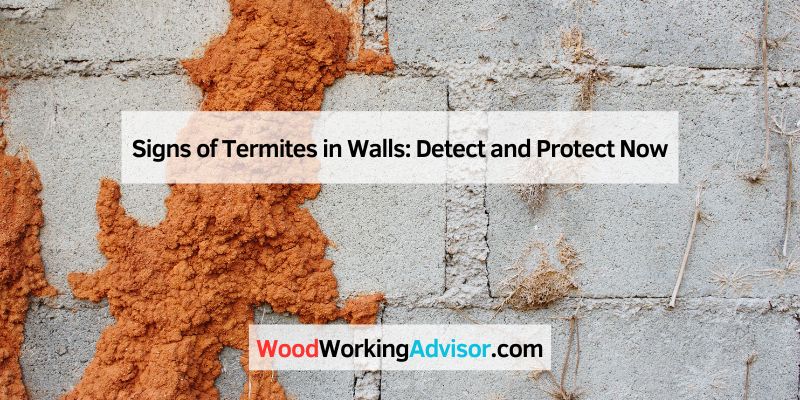
Termites build mud tubes to travel safely. These tubes look like small, dirty lines. They are often found on walls and floors. Mud tubes protect termites from light and air. Finding them means termites may be near. Check for these signs to keep your home safe.
Knock on wood in your house. Does it sound hollow? This might mean termites are eating inside. Termites eat wood from the inside out. Hollow sounds mean the wood is weak. Look for places where wood sounds different. It could be a sign of termites.
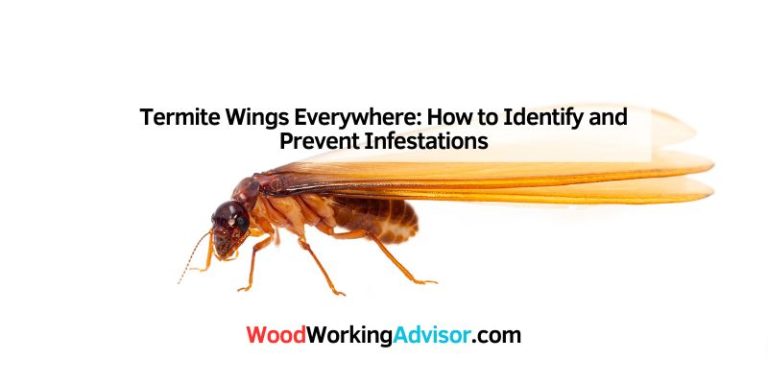
Termites have wings when they fly. After flying, they drop their wings. Finding discarded wings near windows or doors is a clue. It shows termites have entered the home. Check near entry points for these wings. They are tiny but important signs.

Credit: billstermiteco.com
Visual Clues On Walls
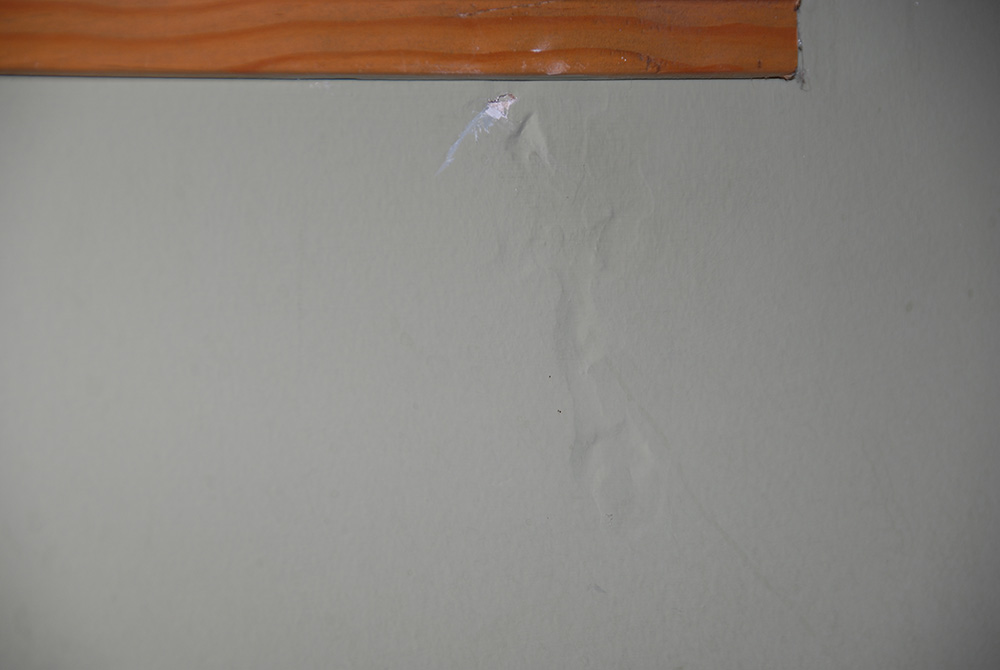
Bubbling or peeling paint can be a sign of termites. They damage the wood behind walls. This makes paint look uneven. Watch for bubbles or parts that peel away. These could mean termites are present.
Small pinholes in drywall may be another clue. Termites create tiny holes to move through walls. Pinholes are very small but can be a big problem. Look carefully for these holes.
Faint lines or tracks might be seen on the walls. Termites can leave thin tracks behind as they travel. These lines may be hard to see at first. Pay attention to any unusual marks.
Audible Indicators
Clicking noises within walls can be a sign of termites. These pests make soft clicks. The sounds are often faint but noticeable. Termites are busy creatures. They work day and night.
Rustling sounds in quiet areas are another clue. Termites move through wood. They make rustling noises as they chew. These sounds are subtle. Listen closely in quiet rooms.
Credit: extension.msstate.edu
Structural Damage Signs
Walls may start to sag or warp if termites are inside. These bugs eat the wood. The wood becomes weak. Walls might look bent. Or uneven. This is a clear sign of trouble.
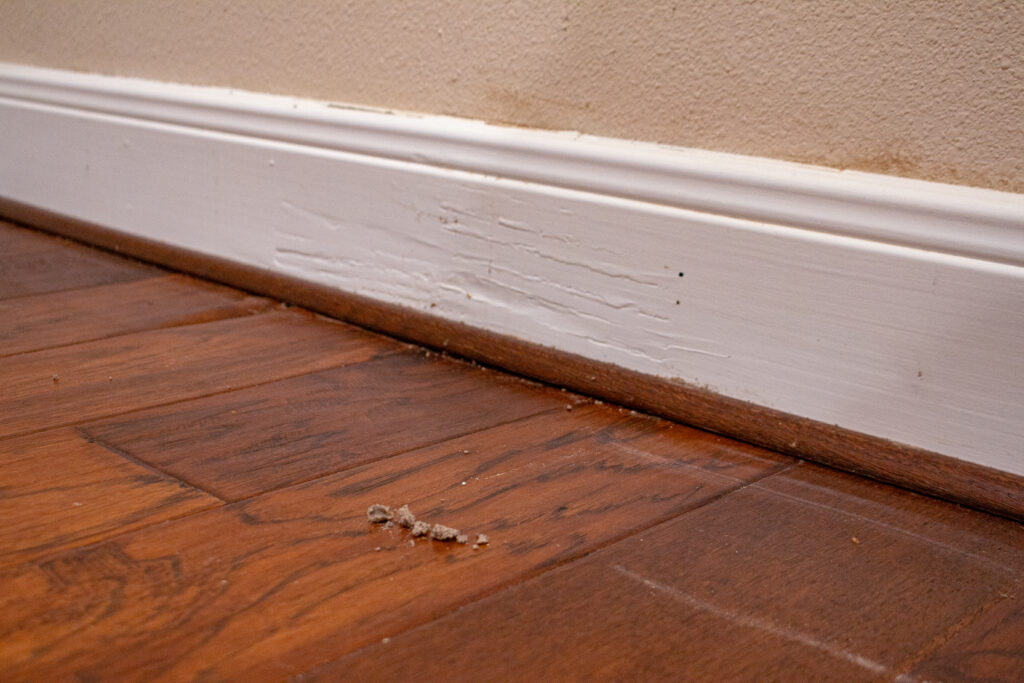
Wall skirtings can show cracks. Or they can look bent. Termites eat the wood. They make it weak. Cracks appear. Termites cause this damage. Check skirtings often. Look for signs like these. It is important to act fast.
Prevention Techniques
Regular home inspections help find termite problems early. Inspectors check for signs like mud tubes and damage. Early detection saves money and prevents big problems.
Moisture control measures are important. Termites love damp places. Fix leaks and keep areas dry. Use dehumidifiers in basements. This helps keep termites away.
Chemical barriers and treatments protect homes. Chemicals stop termites from entering. Professionals apply these around house foundations. Regular treatments keep homes safe and termite-free.
Credit: www.fullscopepestcontrol.com
Professional Intervention
Notice any mud tubes? They are a sign of termites. These tubes protect termites from light and predators. If you find them, it’s time to act. Soft or hollow-sounding wood can also mean trouble. Tap the wall gently. Does it sound empty? This could be a termite problem. Look for discarded wings near windows or doors. These are left by flying termites. They shed wings after finding a new home. Spot any of these signs? It’s best to call an exterminator soon.
Research is key when picking a pest service. Read reviews online. They tell you how good a service is. Ask friends or family for advice. Look for a company with certified technicians. Certification means they know their job well. Compare prices too. A cheap service may not always be the best. Choose a service that fits your needs and budg
Frequently Asked Questions
How Long Can You Have Termites And Not Know?
Termites can remain hidden for years without detection. Signs often appear after significant damage occurs. Regular inspections help prevent unnoticed infestations.
Is It Bad To Live In A House With Termites?
Living in a house with termites is harmful. Termites damage wood, compromising structural integrity. They can cause costly repairs and pose health risks due to mold exposure. Regular inspections and treatments help prevent infestations, ensuring a safe home environment. Protect your property by addressing termite issues promptly.
How Do You Test Your House For Termites?
Inspect wooden structures for mud tubes and hollow sounds. Look for discarded wings near windows. Check for droppings resembling sawdust. Use a flashlight to spot any damage. Consider professional inspection for accurate results.
Do Termites Get In Drywall?
Yes, termites can infest drywall. They chew through the paper covering, causing damage. Regular inspections help prevent infestation. Protect your home by fixing leaks and maintaining proper ventilation. Consider professional pest control for severe cases to safeguard your property from termites effectively.
Conclusion
Spotting termite signs early can protect your home from damage. Check for hollow sounds when tapping walls. Look for tiny holes or wood shavings. Listen for faint clicking noises at night. Notice any discoloration or sagging. Catching these signs quickly helps.
Regular inspections are key. They prevent costly repairs. Don’t let termites eat away at your peace of mind. Stay vigilant and save your home. Protecting your walls is simple with awareness. Keep your family safe and your home secure. Termite vigilance pays off in comfort and security.
Stay alert and proactive. Your walls will thank you.