Wood Shavings in the Garden: Uses and Safety Tips
Wood shavings work in the garden as mulch, a compost carbon source, and a pathway base, but only when they come from untreated, unpainted wood. Treated lumber shavings can leach copper and arsenic based preservatives into soil, harming plants, pets, and edible crops. This guide covers safe mulching depth, composting ratios, pathway prep, and which wood types to avoid.
Introduction To Wood Shavings In Gardening
Best Garden Mulch Pick
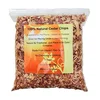
100% Natural Cedar Shavings Mulch (4 Quart) – $12.95
Ready-to-spread cedar shavings, the same wood type this guide highlights for its natural insect-repelling scent, with no shredding or prep needed.
- Best for: small beds and potted plants where cedar’s scent helps deter insects
- Why we picked it: matches the cedar shavings this guide recommends for natural insect resistance
- Main drawback: a 4-quart bag covers a small area, so larger beds need multiple bags
Compare more garden mulch options
 Option 1 GARDENWISE Pine Bark Nuggets (5 QTS) – $15.99
|
 Option 2 Oldcastle Cedar Mulch (2 Cu Ft) – $26.98
|
 Option 3 Brut Organic Aspen Mulch, 10 QT – $24.99
|
As an Amazon Associate we earn from qualifying purchases.
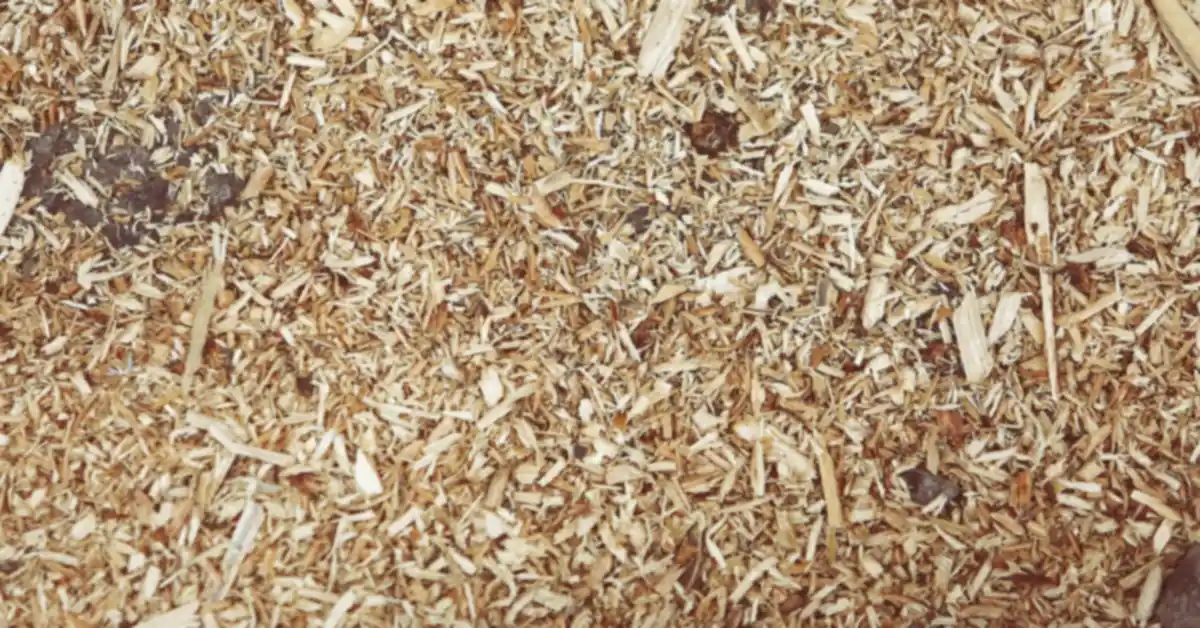
Wood shavings are great for your garden. They help with moisture retention. Using them can improve soil quality. These shavings break down over time, adding nutrients.
Choosing the right type is key. Cedar and pine shavings are popular choices. Cedar repels insects naturally. Pine shavings are affordable and easy to find.
| Type of Wood Shavings | Benefits |
|---|---|
| Cedar | Repels insects, adds pleasant scent |
| Pine | Cost-effective, great for mulching |
| Hardwood | Slow to decompose, enriches soil |
Preparation Of Wood Shavings For Garden Use
Start by cleaning wood shavings to remove dirt and debris. Rinse them with water to ensure they are free from contaminants. This step is crucial for garden health.
Next, sterilize the shavings. Boil them for about 30 minutes or use a steam method. This process kills harmful pests and bacteria.
The optimal size for wood shavings in the garden is about 1 to 2 inches long. Smaller shavings can compact too much, while larger ones may not decompose properly.
Use a shredder to achieve the desired size easily. Shavings that are too large will take longer to break down and may hinder plant growth.
Mulching With Wood Shavings
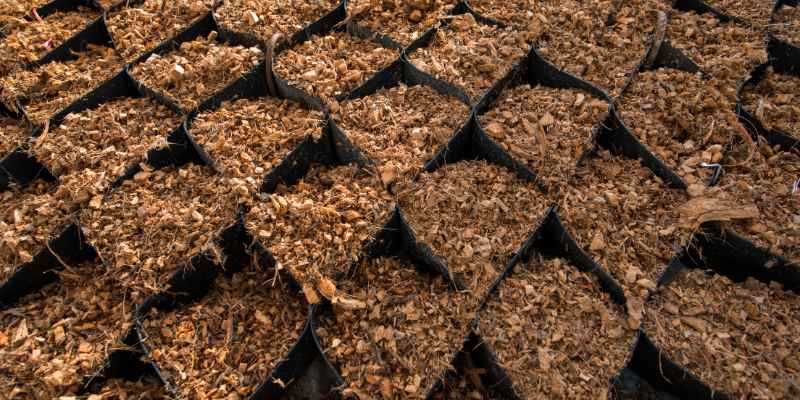
Wood shavings are great for mulching in the garden. They help keep the soil moist. This moisture is important for plant growth. Wood shavings also improve soil structure. They add organic matter to the soil.
Using wood shavings as mulch can prevent weeds. Less weeds mean plants get more nutrients. Wood shavings break down slowly. This slow breakdown releases nutrients into the soil over time.
To use wood shavings, spread them evenly around plants. A layer of 2-4 inches works best, similar to the coverage from a bagged hardwood or pine bark mulch. Keep wood shavings away from plant stems. This prevents rot and keeps plants healthy.
Improving Soil Structure
Incorporating wood shavings into soil can greatly enhance soil structure. These shavings create air pockets that improve drainage. As they decompose, they add nutrients back into the soil. This process helps microorganisms thrive, which are vital for soil health.
Wood shavings also help retain moisture. This reduces the need for frequent watering. Over time, they can lead to rich, fertile soil. Regular use of wood shavings encourages biodiversity in the garden.
| Benefit | Description |
|---|---|
| Improved Drainage | Creates air pockets for better water flow. |
| Nutrient Addition | Decomposing shavings enrich the soil. |
| Moisture Retention | Helps keep the soil moist longer. |
| Biodiversity | Supports a variety of life in the garden. |
Composting With Wood Shavings
Using wood shavings in composting can enhance the quality of your soil. A balanced compost pile needs brown and green materials. Wood shavings act as a brown material, adding carbon.
Mix wood shavings with nitrogen-rich items like grass clippings and kitchen scraps. Aim for a ratio of 3 parts brown to 1 part green. This balance helps create a healthy environment for microbes.
To speed up the composting process, keep the pile moist but not soggy. Turning the pile every few weeks adds air and promotes faster breakdown. Adding a compost accelerator can also help.
| Materials | Type |
|---|---|
| Wood Shavings | Brown |
| Grass Clippings | Green |
| Kitchen Scraps | Green |
Pathways And Landscaping
Wood shavings can create beautiful and functional garden paths. They are natural and help with drainage. Paths made from wood shavings are soft and comfortable to walk on.
To maintain your wood shaving pathways, follow these tips:
- Regularly rake the shavings to keep them even.
- Replace any compacted or discolored areas.
- Keep the pathways clear of weeds and debris.
- Consider adding fresh shavings annually for a neat look, or check local cedar mulch deals if you need a larger volume for pathways.
Using wood shavings will enhance the aesthetics of your garden. These paths are a great way to enjoy your outdoor space.
Pest Control Measures
Cedar shavings in particular help deter some surface pests thanks to their natural aromatic oils. Materials cedar shavings can help discourage include:
- Slugs and snails
- Ants
Keep wood mulch, including wood shavings, a few inches away from house foundations and other structures. Wood mulch piled against a building can attract termites and wood-boring beetles rather than repel them, since it offers the moisture and cellulose these pests are drawn to. Applying a thin layer around garden plants (away from structures) works best; avoid thick piles, as they retain excess moisture and may invite unwanted issues.
Best Practices For Using Wood Shavings
A few habits separate gardeners who get good results from wood shavings from those who run into problems:
- Use dry wood shavings rather than fresh, wet ones for more predictable results.
- Mix shavings well with other compost or soil materials instead of applying them in a single dense layer.
- Monitor soil moisture levels regularly, since a thick shaving layer can hold more water than expected.
- Confirm the source wood is untreated and unpainted before using it anywhere near edible plants.
Following these practices helps wood shavings work as intended: better soil structure, steady moisture retention, and fewer surprises later in the season.
Frequently Asked Questions
How Do Wood Shavings Benefit Garden Soil?
Wood shavings improve soil structure by enhancing aeration and drainage. They also help retain moisture, reducing the need for frequent watering. As they decompose, they release essential nutrients, enriching the soil. This makes them an excellent addition for promoting healthy plant growth.
Can I Use Wood Shavings As Mulch?
Yes, wood shavings are effective as mulch. They suppress weeds by blocking sunlight while retaining soil moisture. Additionally, they can regulate soil temperature, protecting plant roots from extreme conditions. Just ensure they are sourced from untreated wood to avoid introducing harmful chemicals to your garden.
How To Apply Wood Shavings In The Garden?
To apply wood shavings, spread a 2-3 inch layer around plants and garden beds. Avoid placing them directly against plant stems to prevent rot. Water the area lightly to help settle the shavings. Replenish the layer as it decomposes to maintain its benefits throughout the growing season.
Are Wood Shavings Safe For All Plants?
Most plants benefit from wood shavings, but some may be sensitive. Acidic wood shavings, like pine, can lower soil pH, affecting certain plants. Monitor your garden’s pH levels and adjust accordingly. If in doubt, conduct a small test before widespread application on sensitive species.
Conclusion
Using wood shavings in your garden offers numerous benefits. They can improve soil structure and help retain moisture. These natural materials also suppress weeds effectively. Whether as mulch or compost, wood shavings enhance plant health. Embrace this sustainable practice to create a thriving garden that benefits both you and the environment.
Sponsored / affiliate links. As an Amazon Associate I earn from qualifying purchases. I may earn additional commission from eligible campaigns.