Staining Pressure Treated Wood to Look Like Cedar: Ultimate Guide
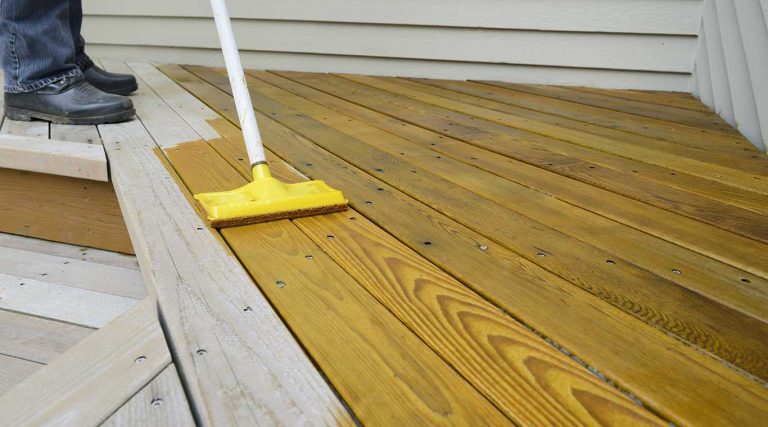
To stain pressure treated wood to look like cedar, clean the wood and choose a high-quality cedar stain. Apply evenly for best results.
Transforming pressure treated wood to resemble cedar enhances its aesthetic appeal and durability. Cedar stains not only provide a rich, natural look but also add a layer of protection against the elements. Begin by thoroughly cleaning the wood surface to remove any dirt, grime, or previous treatments.
Selecting a high-quality cedar stain ensures a more authentic and long-lasting finish. Ensure even application using a brush or roller, allowing the wood to fully absorb the stain. This process can elevate the appearance of your outdoor projects, making them look more refined and closer to natural cedar.
Materials Needed
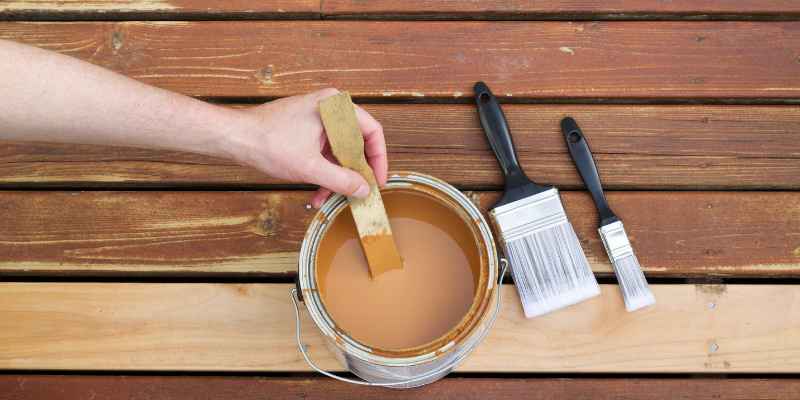
Gather cedar-toned wood stain, paintbrushes, sandpaper, and protective gear. Ensure you have clean rags and a drop cloth.
Essential Tools
You will need a paintbrush or roller for applying the stain. A drop cloth protects the ground. Use sandpaper to smooth the wood surface. A clean cloth helps to wipe away dust. Always wear gloves for safety. An optional sprayer can make the job faster.
Recommended Stains
Choose a stain that mimics cedar wood. Semi-transparent stains work well. Brands like Behr, Olympic, and Thompson’s WaterSeal are popular. Look for a UV-resistant formula. Ensure the stain is water-repellent. This extends the wood’s life. Read reviews before buying.
Preparation Steps
Start by cleaning the wood thoroughly to remove any dirt or grime. Sand the surface to create a smooth finish before applying the stain.
Cleaning The Wood
Pressure treated wood can be dirty. Use a soft brush to remove dust. Mix soap with water in a bucket. Soak a sponge in the soapy water. Scrub the wood gently with the sponge. Rinse the wood with clean water. Let the wood dry completely before you stain it.
Sanding Techniques
Sanding makes wood smooth. Use a fine-grit sandpaper for this job. Rub the sandpaper along the wood grain. Do not press too hard. Lightly sand the wood to avoid damage. Wipe the wood with a damp cloth after sanding. This removes dust and prepares the wood for staining.
Choosing The Right Stain
There are two main types of stains: oil-based and water-based. Oil-based stains penetrate deep into the wood. They provide long-lasting protection. Water-based stains dry faster. They are easier to clean up. Both types have their pros and cons. Choose the one that fits your needs best. Always read the label for details. Some stains also offer UV protection.
Picking the right color is crucial. Cedar-like colors include shades of red and brown. Test the stain on a small area first. This ensures you get the desired look. Look for a stain with natural tones. It should match the cedar appearance closely. Some brands offer sample sizes. These can help in making your final decision.
Application Process
Start by cleaning the wood surface. Make sure the wood is dry. Use a brush or roller to apply the stain. Apply in the direction of the wood grain. Work in small sections to ensure even coverage. Avoid overlapping the strokes. This will prevent streaks.
Stir the stain well before using. Use a high-quality brush for better results. Apply a thin coat first. Let it dry completely. Apply a second coat if needed. This helps the color look richer. Always test on a small area first. Wear gloves to protect your hands.
Drying And Curing
Proper drying and curing of pressure-treated wood are essential before staining to achieve a cedar-like appearance. Ensuring the wood is dry prevents blotchy finishes and enhances stain absorption.
Drying Time
Pressure treated wood needs to dry before staining. This can take several weeks. It’s best to wait until the wood is fully dry. You can test dryness by sprinkling water on the wood. If the water beads up, the wood is still wet. If it soaks in, the wood is dry enough for staining.
Avoiding Common Mistakes
Always clean the wood before staining. Use a wood cleaner or mild soap. Never apply stain to wet wood. Stain will not absorb properly. Do not rush the drying process. This can lead to poor results. Choose the right type of stain for your wood. Oil-based stains are often best for pressure treated wood. Follow the stain manufacturer’s instructions carefully.
Maintenance Tips
Clean the wood often. Use a mild soap and water solution. Dirt and debris can damage the wood. A soft brush works best for scrubbing. Rinse with clean water. Let the wood dry completely before doing anything else.
Re-stain the wood every few years. This keeps it looking like cedar. Check the wood every year. If the stain looks faded, it’s time to re-stain. Always follow the stain manufacturer’s instructions.
Common Issues
Staining pressure treated wood can cause blotches. These blotches make the wood look uneven. To fix them, use a wood conditioner before staining. The conditioner helps the wood absorb the stain evenly. Always test the stain on a small area first. This helps you see how the wood will look. Also, use a good quality brush or cloth. This helps to spread the stain smoothly. Blotches can also happen if the wood is not clean. Make sure to clean the wood well before staining.
Color fading is a common issue with stained wood. Sunlight and rain can make the color fade. To prevent this, use a UV-resistant stain. This type of stain protects the wood from the sun. Also, apply a sealant after staining. The sealant adds an extra layer of protection. Reapply the stain and sealant every few years. This keeps the wood looking fresh and new. Always follow the instructions on the stain and sealant cans.
Frequently Asked Questions
Can You Stain Pressure Treated To Look Like Cedar?
Yes, you can stain pressure treated wood to look like cedar. Choose a high-quality cedar-colored stain for best results. Make sure the wood is dry before staining to ensure proper absorption and a uniform finish. Regular maintenance will keep the cedar appearance vibrant.
What Stain Looks Good On Pressure Treated Wood?
Semi-transparent stains enhance pressure treated wood by showcasing its natural grain while offering protection. Popular choices include cedar, oak, and redwood.
Is It Worth Staining Pressure Treated Wood?
Yes, staining pressure treated wood is worth it. It enhances appearance, offers extra protection, and extends the wood’s lifespan.
What Happens If You Stain Pressure-treated Wood Right Away?
Staining pressure-treated wood immediately can cause poor absorption. This leads to uneven color and reduced protection. Wait until the wood is dry.
Conclusion
Transforming pressure treated wood to resemble cedar is a rewarding project. It enhances your outdoor space’s appeal. Follow the steps diligently for the best results. Regular maintenance ensures lasting beauty. Enjoy the warm, natural look of cedar without the cost.
Your backyard will thank you!