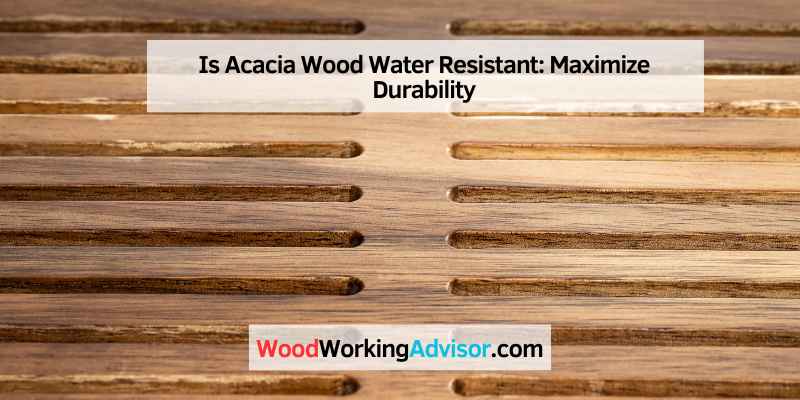
Is Acacia Wood Water Resistant? (Yes, But Not Waterproof)
Acacia wood is water-resistant, not waterproof — its dense grain and natural oils repel everyday splashes and rain, but bare acacia left wet for days will still swell or gray. Skip the oil for a season in a rainy climate and cracking follows fast. This guide covers why acacia resists water, how it stacks up against teak in real Janka hardness numbers, and the exact maintenance routine that keeps outdoor acacia furniture from failing early.
Quick Answer
Yes — acacia wood is naturally water-resistant thanks to its tight grain and high oil content, which is why it’s a common choice for outdoor furniture and cutting boards. It is not waterproof, though: standing water, unsealed end grain, and long humid spells will still cause swelling or graying unless you oil it every 6–12 months.
Why Acacia Wood Resists Water
Best Acacia Wood Sealer Pick
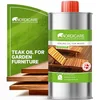
Nordicare Teak Oil for Outdoor Furniture, 16.9 oz
A penetrating oil formulated specifically for teak, acacia, oak, and other outdoor hardwoods.
- Best for: Restoring grayed acacia patio furniture before its first re-oiling of the season
- Why we picked it: It’s one of the few oils formulated for acacia by name, not just teak
- Main drawback: Needs reapplication every 6–12 months outdoors, same as any penetrating oil
Compare more acacia wood sealer options
 Option 1 Star Brite Premium Golden Teak Oil
|
 Option 2 Furniture Clinic Teak Oil
|
 Option 3 Premium Teak Oil, 16 oz
|
As an Amazon Associate we earn from qualifying purchases.
Acacia’s water resistance comes from two physical traits, not a treatment: a dense, tight grain structure and a naturally high resin/oil content that fills the wood’s pores. Furniture-grade acacia (mostly Acacia confusa and Acacia mangium) runs 1,700–2,300 lbf on the Janka hardness scale — dense enough that water beads and evaporates off the surface rather than soaking straight in, the way it would on a soft, open-grained wood like pine.
Water-Resistant vs. Waterproof
- Water-resistant (acacia): slows moisture absorption and tolerates splashes, rain, and humidity, but will eventually absorb water if left wet.
- Waterproof: fully impervious — no untreated hardwood, including teak, actually meets this bar.
That distinction matters for buying decisions: a retailer calling acacia patio furniture “waterproof” is using the word loosely. What you’re actually getting is a wood that shrugs off normal weather but still needs occasional oiling, especially at cut ends and joints where the grain is exposed.
Resistance to Mold and Mildew
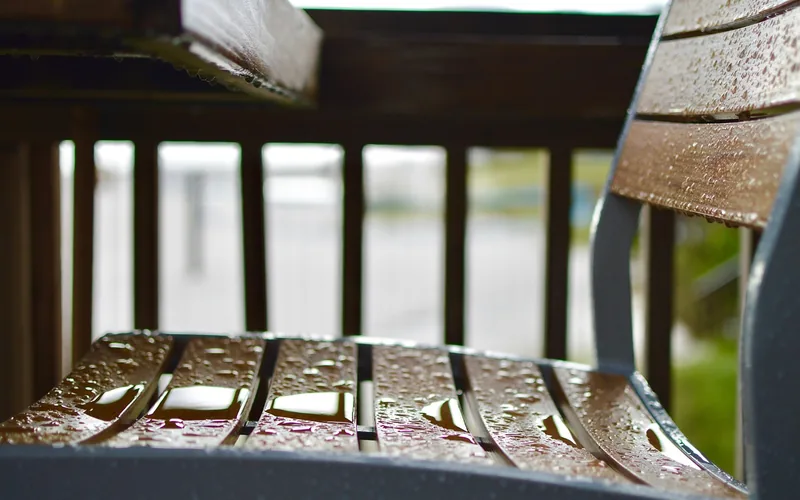
Acacia’s natural oils also make it mildly antimicrobial, so it resists mold and mildew better than untreated softwoods in humid conditions. That resistance drops off fast once the surface oil has worn away and the bare grain stays damp — which is the actual cause of most “moldy acacia furniture” complaints, not a defect in the wood itself.
Acacia Wood vs. Teak: Real Numbers
Acacia and teak get compared constantly for outdoor furniture, and the two woods actually win on different things. Acacia is the harder, more scratch-resistant wood by Janka rating — but teak’s much higher natural oil content makes it the longer-lasting choice for years of untreated rain exposure. Here’s how the numbers actually stack up:
| Property | Acacia Wood | Teak Wood |
|---|---|---|
| Janka hardness | 1,700–2,300 lbf | ~1,070 lbf |
| Natural oil content | Moderate | Very high |
| Untreated outdoor lifespan | 5–15 years | 20–30+ years |
| Recommended oiling frequency | Every 6–12 months | Every 12–18 months (optional) |
| Typical price | Lower | Higher |
In short: acacia resists dents and scratches better, teak resists long-term water exposure better without maintenance. For a deeper side-by-side, see our full acacia vs. teak comparison, and if you’re weighing teak specifically, we cover its own water performance in is teak wood water resistant. Hardness figures are sourced from The Wood Database’s acacia genus entry; actual values vary by the specific acacia species used.
How to Keep Acacia Wood Water-Resistant
Acacia’s water resistance isn’t permanent — the surface oil that gives new furniture its sheen wears off from sun and rain within months. In our shop, acacia pieces left un-oiled outdoors through a single rainy season start showing gray, thirsty-looking patches at the ends and joints first, since that’s exposed end grain rather than the protected face grain. This four-step routine is what actually keeps it resisting water rather than absorbing it:
- Clean the surface: Wipe down with mild soap and water, then let the wood dry completely for 24 hours before doing anything else.
- Light-sand any grayed areas: Grayed or rough patches mean the surface fibers have already broken down; a quick pass with 220-grit sandpaper removes them and opens the grain for oil.
- Apply a penetrating oil: Work an acacia- or teak-rated oil into the grain with a lint-free cloth, including end grain and any joints, then wipe off the excess after 10–15 minutes so it doesn’t stay tacky.
- Reapply every 6–12 months: Coastal, high-humidity, or full-sun locations need the shorter end of that range; covered patios can stretch closer to 12 months.
Durability Beyond Water Resistance
Acacia’s density (that same 1,700–2,300 Janka rating from the comparison above) is also what makes it hold up to daily wear. It resists dents and scratches noticeably better than softer patio-furniture woods like pine or fir, which is one reason it shows up so often in high-traffic outdoor seating and tabletops.
Acacia also has moderate natural resistance to termites and wood-boring beetles — not immunity, since no wood is fully insect-proof, but its natural oils make it a less attractive target than untreated softwoods. That resistance fades as the surface oils weather away, which is the same reason regular oiling (see the maintenance steps above) protects against both moisture and pests at once.
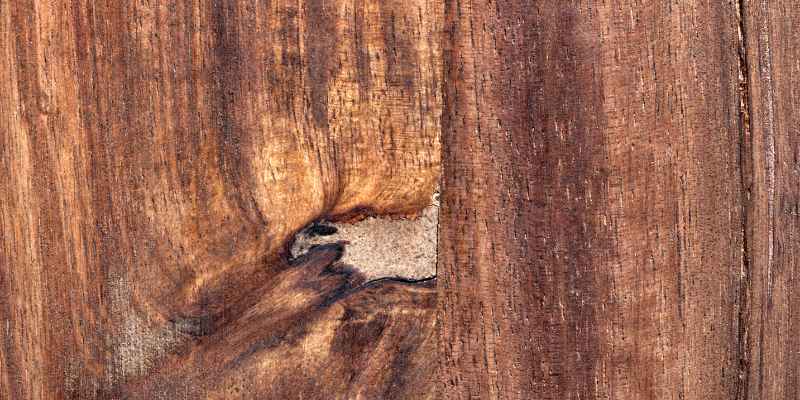
“The acacia patio sets we’ve serviced almost never fail from a single rainstorm — it’s always the end grain at the leg bottoms that grays first, months after the last oiling. Oil those spots and the joints, and the rest of the piece takes care of itself.”
Best Uses for Acacia’s Water Resistance
Acacia’s combination of water resistance and mild antimicrobial properties makes it a practical pick for a few specific spots:
- Poolside furniture: handles splashes and humid air without warping the way particleboard or untreated pine would.
- Patio dining sets: the density that gives acacia its water resistance also means it won’t dent under regular use the way softer outdoor woods do.
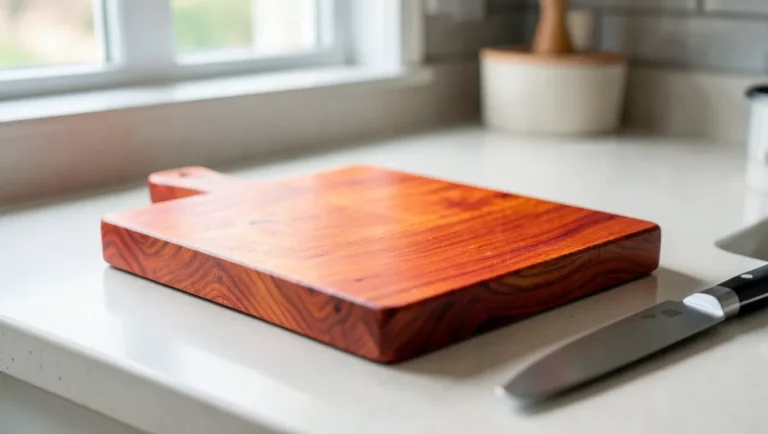
- Cutting boards and utensils: the same tight grain that resists rain also resists everyday kitchen moisture — see our acacia wood cooking utensils guide for food-safety specifics.
For general upkeep beyond just water resistance — cleaning, sun fading, and everyday care — see our full guide to caring for acacia wood outdoor furniture. If a sealed film finish rather than a penetrating oil sounds more your style, we cover that option in our polyurethane spray for outdoor wood roundup. Acacia is one of many species in our wood types library if you’re still comparing options.
Frequently Asked Questions
Can acacia wood be left outside in the rain?
Yes, briefly and occasionally. Acacia is naturally water-resistant and can handle regular rain exposure without special treatment, but standing puddles left on the surface for days can cause swelling or graying. Wipe off standing water when you can and keep up with oiling every 6–12 months.
How waterproof is acacia wood?
It isn’t waterproof, only water-resistant. Acacia’s dense grain and natural oils slow water absorption, but the wood will still take on moisture over time without protection. Regular cleaning and oil application are necessary to keep that resistance intact.
Is acacia wood good for outdoor use?
Yes. Acacia’s natural weather resistance lets it handle sun, rain, and wind without significant deterioration, and its inherent UV resistance limits fading. It performs best outdoors when oiled on the schedule described above, especially in wetter climates.
Is acacia wood resistant to mold?
Yes, more than most untreated softwoods. Acacia’s natural oils give it some resistance to mold and mildew in humid environments, but that resistance fades as the surface oil wears off, so unoiled acacia in a consistently damp spot can still develop mold.
How long does acacia wood furniture last outdoors?
With regular oiling, acacia outdoor furniture typically lasts 5–15 years, depending on climate and maintenance consistency. That’s shorter than teak’s 20–30+ year untreated lifespan, but acacia is harder and less expensive, which is the trade-off most buyers are actually making.
Conclusion
Acacia wood is naturally water-resistant, not waterproof: its density and oil content shrug off normal rain and humidity, but bare, un-oiled acacia will eventually swell, gray, or crack. Oil it every 6–12 months, pay extra attention to end grain and joints, and it will comfortably outlast a decade of outdoor use. If long-term, low-maintenance water resistance matters more to you than price, teak is the better trade — if hardness and budget matter more, acacia wins.
Sponsored / affiliate links. As an Amazon Associate I earn from qualifying purchases. I may earn additional commission from eligible campaigns.