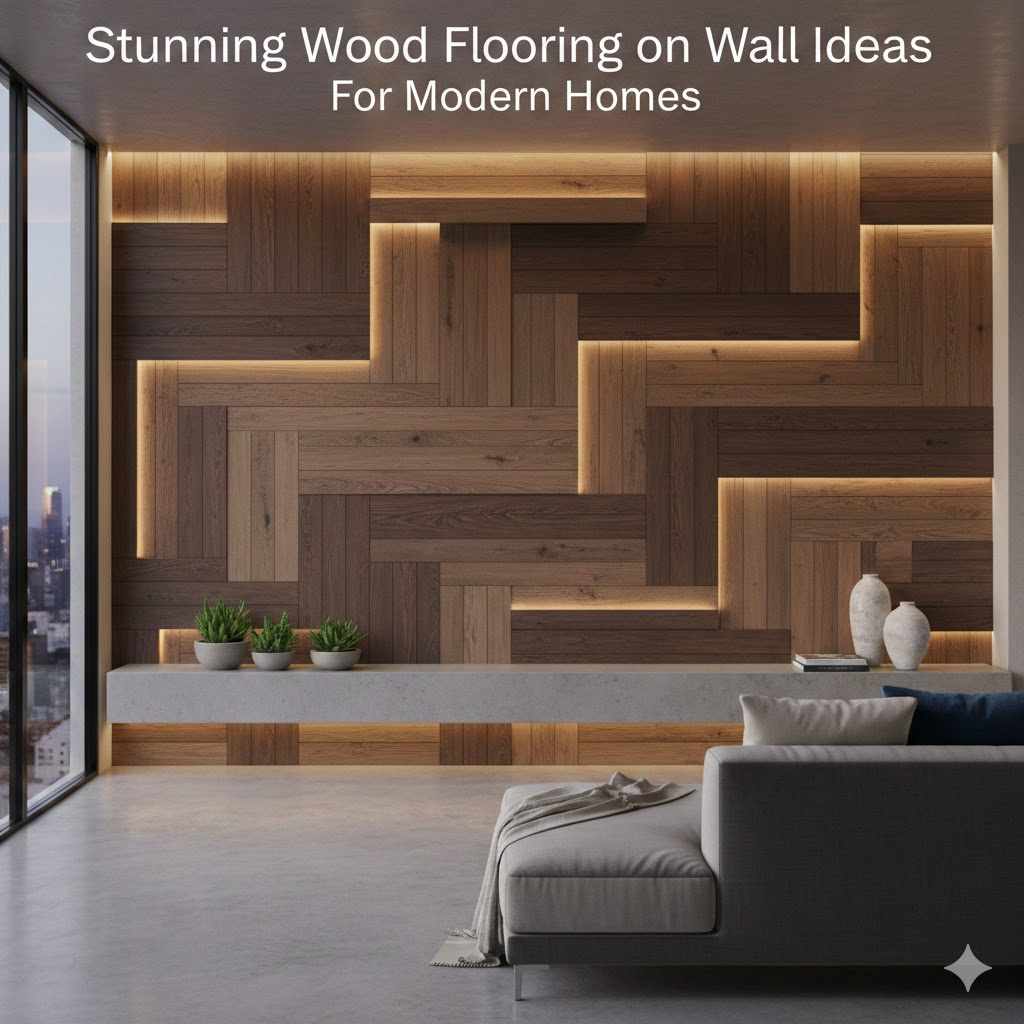
Stunning Wood Flooring on Wall Ideas For Modern Homes
Some people find the idea of putting wood flooring on walls a bit tricky at first. They wonder if it’s too hard to do or if it will even look good in their modern homes. But guess what? It’s actually simpler than you might think, and it can make your place look super stylish. We’re going to walk through it step by step so you can get those amazing results. Let’s explore how to achieve those Stunning Wood Flooring on Wall Ideas for Modern Homes.
Exploring Stunning Wood Flooring on Wall Ideas For Modern Homes
Putting wood flooring on walls is a fantastic way to add warmth, texture, and a unique touch to any room. It’s a trend that’s gaining popularity because it offers a different take on natural materials, moving beyond the traditional floor application. This approach can transform a plain wall into a stunning focal point, creating a cozy and sophisticated atmosphere that feels both modern and timeless.
For beginners, the concept might seem a bit out of the ordinary, raising questions about feasibility and appearance. However, with the right guidance, it’s an achievable project that can significantly boost your home’s aesthetic appeal. We’ll break down the process, making it clear and easy to follow.
Why Choose Wood Flooring for Walls
Choosing wood flooring for walls offers a blend of natural beauty and contemporary design. It brings the warmth and richness of wood into a space in an unexpected way. This creates a striking visual element that can serve as a dramatic accent wall or a full room feature. The natural grain and texture of wood add depth and character, which can make a modern home feel more inviting and grounded. Unlike paint or wallpaper, wood panels offer a tactile experience and a sense of permanence that can elevate a room’s overall feel.
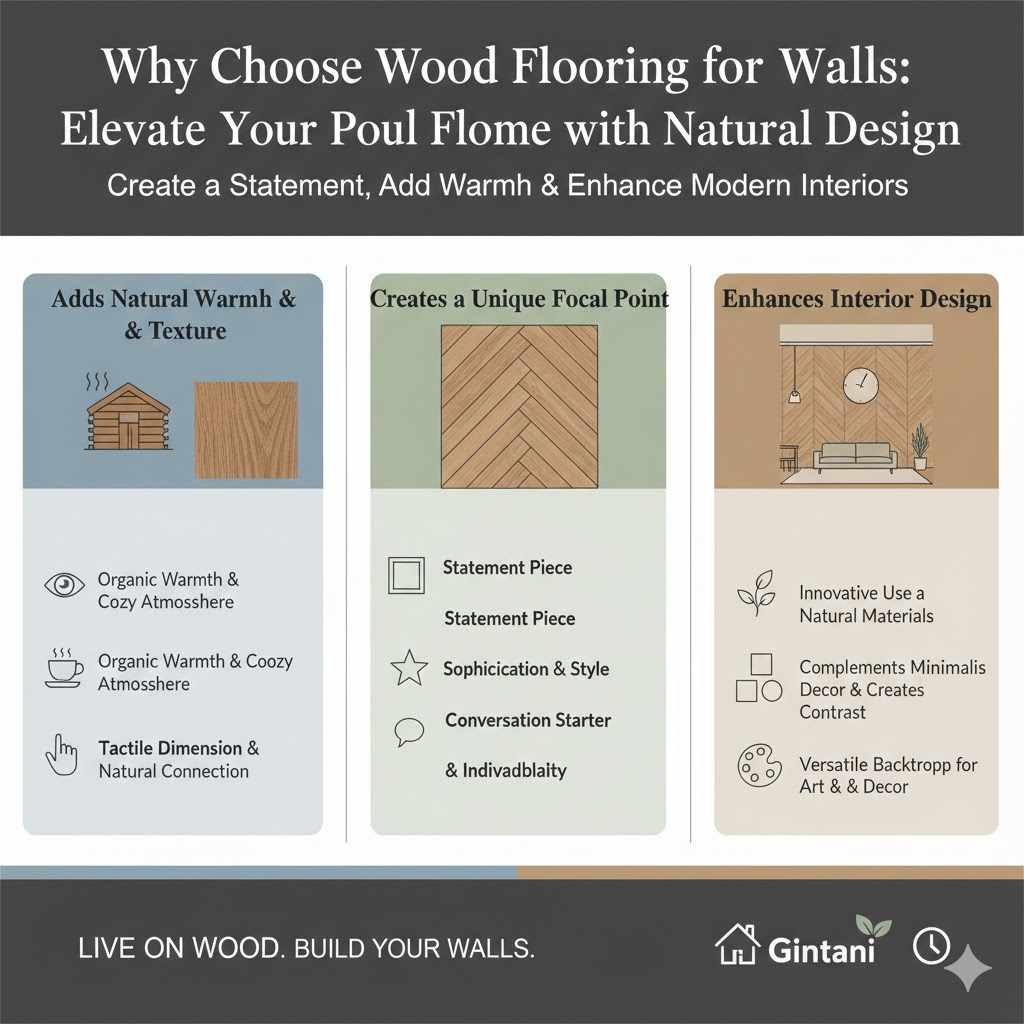
- Adds Natural Warmth and Texture
- Wood flooring brings an organic warmth to interior spaces. The natural grain patterns and earthy tones of wood create a cozy and inviting atmosphere. This is especially appealing in modern homes that sometimes lean towards cooler, more minimalist aesthetics.
- The texture of the wood, whether smooth or slightly rough, adds a tactile dimension that engages the senses, making the room feel more comfortable and lived-in. It’s a way to connect with nature indoors.
- Creates a Unique Focal Point
- A wall clad in wood flooring instantly becomes a statement piece. It draws the eye and adds a level of sophistication that standard wall treatments often can’t match. This can be used to highlight a specific area, such as a fireplace, a media center, or even a reading nook.
- The uniqueness of this application sets your home apart, showcasing personal style and a bold design choice. It’s a conversation starter and a beautiful way to express individuality.
- Enhances Modern Interior Design
- In modern interior design, there’s often a desire to incorporate natural materials in innovative ways. Wood flooring on walls fits this perfectly. It can complement minimalist decor by adding organic elements, or it can be used to create a dramatic contrast with sleek, contemporary furniture.
- The versatility of wood allows it to adapt to various modern styles, from Scandinavian to industrial, providing a rich backdrop for art and other decorative items. It bridges the gap between ruggedness and refinement.
Types of Wood Flooring Suitable for Walls
Not all wood flooring is created equal when it comes to wall applications. You’ll want to consider the type of wood, its finish, and its construction. Some materials are more forgiving, easier to cut, and more stable on vertical surfaces. Understanding these differences will help you select the best option for your project and ensure a beautiful, long-lasting result. Each type offers a unique look and feel, contributing to the overall aesthetic of your modern home.
Solid Hardwood Flooring
Solid hardwood flooring is made from a single piece of timber. It’s durable and can be sanded and refinished multiple times, which is great for floors. However, for walls, solid hardwood can be heavier and more prone to expansion and contraction with changes in humidity.
This movement might cause issues if not installed correctly on a vertical surface. If you choose solid hardwood, opt for stable wood species like oak or maple, and ensure it’s properly acclimated to the room’s environment before installation. The natural beauty and longevity are its strong points.
Engineered Wood Flooring
Engineered wood flooring is constructed with multiple layers. The top layer is real hardwood veneer, backed by layers of plywood or high-density fiberboard. This layered construction makes it more dimensionally stable than solid hardwood, meaning it’s less likely to warp or expand with humidity changes.
This stability is a significant advantage when installing on walls. It’s generally easier to work with and offers a similar aesthetic to solid hardwood, making it a popular choice for wall applications. Many engineered wood products also come with pre-applied finishes, simplifying installation.
Laminate Flooring
Laminate flooring is a more budget-friendly option. It consists of a photographic image of wood layered over a fiberboard core. While it’s very durable and scratch-resistant, it doesn’t offer the same authentic feel or visual depth as real wood.
Some modern laminates can mimic wood very well, but they may not age with the same character. For wall applications, laminate can be a good choice if budget is a primary concern and you’re looking for an easy-to-install, low-maintenance option. However, it won’t provide the same warmth or perceived value as genuine wood.
Vinyl Plank Flooring (LVP)
Luxury Vinyl Plank (LVP) flooring is another excellent alternative, particularly for areas prone to moisture. While not real wood, high-quality LVP can convincingly mimic the look and texture of wood planks. It is waterproof, highly durable, and very easy to clean.
LVP is lightweight and often comes with a click-lock or peel-and-stick installation system, making it incredibly DIY-friendly for wall projects. It offers a practical and stylish way to achieve the wood-look aesthetic without the concerns associated with natural wood’s moisture sensitivity or expansion. It’s a smart choice for kitchens, bathrooms, or basements.
Installation Considerations for Wood Flooring on Walls
Installing wood flooring on walls is different from installing it on floors. You need to think about how the planks will be attached, the weight of the material, and how to deal with edges and corners. Proper preparation of the wall surface is also key. This section covers the essential steps and considerations to ensure your wall project is successful and looks professional. It’s about making sure the wood stays put and looks great for years to come.
Wall Preparation
Before you start, the wall needs to be clean, dry, and structurally sound. If you’re attaching directly to drywall, you’ll need to find the studs and ensure they are in good condition. For heavier wood products, it might be necessary to add extra bracing.
Any imperfections on the wall, like holes or uneven surfaces, should be repaired. A smooth, even surface ensures that the wood planks lay flat and adhere properly. If you’re covering a painted wall, ensure the paint is well-adhered; if not, it might be best to prime or skim coat the wall.
A good foundation is critical for a lasting installation.
Attachment Methods
There are several ways to attach wood flooring to a wall. The most common and secure method is using adhesive and fasteners. You can use a strong construction adhesive specifically designed for wood, along with nails or screws.
For lighter materials like some LVP or thinner engineered wood, you might be able to rely solely on adhesive, especially if the planks have a self-adhesive backing. For heavier materials like solid hardwood, using screws that go into the wall studs is essential for long-term stability. Some people also opt for a system of furring strips or a French cleat system, especially for very heavy or custom wood paneling, which provides a secure framework.
- Adhesive Application
- Using a high-quality construction adhesive is crucial for securing wood planks to the wall. Apply the adhesive in a continuous bead or according to the product manufacturer’s instructions. Ensure even coverage to provide a strong bond.
- If using adhesive alone, make sure the wall surface is perfectly smooth and clean for maximum contact. This method is best for lighter materials or when used in conjunction with mechanical fasteners for added security. It’s important to work in manageable sections as the adhesive can set relatively quickly.
- Nailing or Screwing
- For added security, especially with heavier wood planks or in areas subject to vibration, nailing or screwing is recommended. Use finishing nails or screws that are long enough to penetrate the wood and anchor firmly into the wall studs. If you’re using a nail gun, ensure it’s set correctly to avoid damaging the wood.
- For a cleaner look, you can use screws and then fill the holes with wood putty that matches the flooring color. Always pre-drill pilot holes, especially near the ends of planks, to prevent splitting. This method provides a very strong and reliable attachment.
- Choosing Fasteners
- The type of fastener you choose depends on the wood flooring and your wall structure. For hardwood and engineered wood, use ring-shank nails or screws for better holding power. Stainless steel fasteners are a good choice to prevent rust stains, especially if the wood is not heavily finished.
For LVP or lighter laminate, smaller brad nails or staples might suffice, often through the tongue of the plank. Always consider the aesthetic; countersinking screws and filling the holes can provide a seamless finish. The goal is to secure the planks firmly without compromising the visual appeal.
Cutting and Fitting
You’ll need a good saw for cutting wood planks to fit around windows, doors, and corners. A miter saw is excellent for making straight and angled cuts, while a jigsaw is useful for cutting out irregular shapes. Measure twice and cut once!
Precision is key to a professional look. You’ll also need to account for expansion gaps, especially if using real wood products, although less of a concern for engineered or vinyl options. These gaps are usually hidden by baseboards or trim.
Carefully plan your cuts to minimize waste and ensure a tight fit.
Finishing Touches
Once the planks are installed, pay attention to the edges. You might need to use trim pieces, like quarter round or baseboards, to cover any small gaps between the wood and the ceiling, floor, or adjacent walls. Caulk can also be used to fill minor imperfections or gaps.
If your wood flooring comes unfinished, you might consider applying a protective sealant or stain to match your decor. A clear protective coat can enhance the wood’s natural beauty and provide a durable finish that’s easy to clean and maintain. These final steps make a big difference in the overall appearance.
Stunning Wood Flooring on Wall Ideas for Modern Homes
Exploring the various ways to implement wood flooring on walls can spark incredible creativity for modern homes. It’s not just about covering a surface; it’s about adding dimension, character, and a unique aesthetic that reflects your personal style. Whether you’re aiming for a rustic charm or a sleek, contemporary feel, wood wall panels offer a versatile solution. This section showcases inspiring ideas and applications that highlight the beauty and impact of this design trend, helping you visualize the possibilities for your own space.
Creating Accent Walls with Wood
An accent wall is a powerful design tool, and using wood flooring is an exceptional way to create one. This approach can dramatically change the atmosphere of a room, drawing attention to a specific area or a piece of furniture. It’s a popular choice for living rooms, bedrooms, and entryways where you want to make a strong visual statement. The natural warmth of wood can soften modern interiors, adding a touch of organic elegance that feels both sophisticated and inviting.
- Living Room Feature Wall
- Imagine a living room where one wall is entirely clad in beautiful wood planks. This could be the wall behind your sofa or the one with your fi
- Bedroom Statement Piece
- In a bedroom, a wood accent wall behind the headboard can create a serene and luxurious retreat. It adds a natural, calming element that promotes relaxation. You can choose a lighter wood for a soft, airy feel or a darker, richer wood for a more dramatic and intimate atmosphere.
- This feature can serve as a natural backdrop for artwork or decorative elements, enhancing the overall bedroom decor. It makes the bed area feel like a distinct, special zone within the room.
- Entryway Welcome
- The entryway is the first impression guests have of your home. An accent wall in your entryway clad in wood flooring can create a warm and memorable welcome. It sets a tone of style and personality right from the start.
You can complement this with a console table, a mirror, or decorative lighting to complete the look. This application transforms a typically overlooked space into an attractive and functional area that guests will notice and appreciate.
Design Ideas for Accent Walls
Consider different wood tones and plank widths. Wide planks can create a more modern, streamlined look, while narrower planks might offer a more intricate, rustic feel. You can also play with the direction of the planks – horizontal, vertical, or even a herringbone pattern for added visual flair.
Mixing different wood species or tones on a single wall can create a unique, mosaic-like effect that’s truly eye-catching. The finish of the wood also matters; a matte finish offers a contemporary look, while a slight sheen can add elegance.
Full Room Wood Wall Installations
While accent walls are striking, covering an entire room in wood flooring can create an immersive and deeply impactful experience. This bold design choice envelops you in the warmth and texture of wood, making the space feel exceptionally cozy and unique. It’s a design that commands attention and offers a sense of luxury and craftsmanship. This approach works particularly well in studies, libraries, or even small dining areas where you want to create a strong, cohesive atmosphere.
- Cozy Home Office or Study
- Transforming a home office or study with wood on all walls creates an environment conducive to focus and creativity. The natural material can help reduce stress and promote a feeling of calm, making it an ideal workspace. It provides a rich, sophisticated backdrop for bookshelves, desks, and artwork.
- This application makes the space feel grounded and provides a sense of enclosure that is both comforting and inspiring for productive work sessions. It’s a timeless look that never goes out of style.
- Unique Dining Room Ambiance
- A dining room entirely clad in wood flooring can offer a warm, intimate, and elegant setting for meals and gatherings. The wood can create a cozy, almost den-like atmosphere that enhances the dining experience. Imagine soft lighting reflecting off the wood grain during dinner parties; it’s incredibly inviting.
- This bold design choice makes your dining area stand out and provides a unique ambiance that guests will remember. It’s a way to add a touch of rustic luxury to a formal or informal dining space.
- Creating a Dramatic Effect
- Using wood on all walls can create a dramatic, enveloping effect that is truly unforgettable. It can make a small space feel more intimate and luxurious, or it can add incredible character to a larger room. The continuous grain patterns and natural variations in the wood create a visual flow throughout the space.
This approach is ideal for those who aren’t afraid to make a bold design statement and want their home to reflect a strong sense of personal style and appreciation for natural materials.
Considerations for Full Room Wraps
When covering all walls, consider the impact on natural light. Lighter wood tones can help reflect light, making the space feel brighter, while darker tones can make it feel more enclosed and intimate. Ventilation is also important; ensure good air circulation, especially if using real wood products.
The acoustics of the room might change as well, as wood can absorb sound, potentially making the room feel quieter and more muted. Planning the electrical outlets and light switch placement carefully is also crucial to ensure they are incorporated seamlessly into the wood paneling.
Creative Patterns and Designs
Wood flooring isn’t just for straight planks anymore. You can get creative with patterns to add another layer of visual interest and artistry to your walls. These unique applications can turn a simple wall into a stunning piece of functional art. From geometric layouts to custom arrangements, there are many ways to make your wood-clad walls truly one-of-a-kind, perfectly suiting the modern aesthetic.
- Herringbone and Chevron Patterns
- Laying wood planks in a herringbone or chevron pattern can add a sophisticated and dynamic look to your walls. These classic patterns are visually engaging and create a sense of movement and depth. The interlocking V-shapes of a chevron or the staggered zig-zags of a herringbone can highlight the natural beauty of the wood, turning a wall into a work of art.
- This is a more complex installation but offers a high-end, designer finish that truly elevates a modern space.
- Geometric Layouts
- Beyond traditional patterns, you can arrange wood planks in various geometric shapes. Think staggered brick patterns, random placements, or even custom grids. This allows for a more abstract and contemporary feel.
- You can even mix different wood tones or plank sizes within a geometric design to create unique textures and visual breaks. This approach is perfect for achieving a modern, artistic statement wall that showcases creativity and attention to detail.
- Mixing Wood Tones and Textures
- Don’t be afraid to mix different wood tones or textures on the same wall. A blend of light and dark woods, or smooth and distressed finishes, can create a rich, layered look. This can add complexity and visual intrigue, making the wall feel more dynamic and handcrafted.
It’s a way to introduce more personality and visual interest, especially in minimalist modern interiors that can sometimes feel a bit too uniform. This creates a one-of-a-kind feature that speaks to your unique taste.
DIY vs. Professional Installation
For simple installations using peel-and-stick LVP or basic plank designs on a small accent wall, a DIY approach might be feasible for those with some handy skills. However, for full room wraps, intricate patterns, or if you’re using heavier materials like solid hardwood, professional installation is highly recommended. Professionals have the tools, experience, and expertise to ensure the wood is attached securely, cut precisely, and finished beautifully.
They can also advise on the best materials and techniques for your specific home and design goals. Investing in professional help can save time, prevent costly mistakes, and guarantee a stunning, lasting result.
Wood Flooring Wall Ideas for Specific Rooms
The application of wood flooring on walls can be adapted to suit the specific needs and aesthetics of different rooms within a modern home. Each space can benefit from the unique qualities wood brings, from adding warmth and texture to creating a sense of luxury or playfulness. Considering the function and desired mood of each room helps in selecting the right wood type, finish, and installation pattern for a cohesive and impactful design.
Bathroom Wood Walls
While moisture is a concern in bathrooms, certain wood-look materials like waterproof LVP or specially treated engineered wood can be excellent choices. These offer the aesthetic appeal of wood without the risk of water damage or warping. Imagine a shower surround or a vanity wall clad in wood-look planks.
It adds a spa-like warmth and a touch of natural elegance to what can often be a sterile environment. Proper sealing and ventilation are still important, even with water-resistant materials. This transforms a functional space into a relaxing sanctuary.
Kitchen Backsplashes and Walls
Wood-look planks can be a stunning alternative to traditional tile for kitchen backsplashes and feature walls. Again, water-resistant LVP or sealed engineered wood are good options. A wood backsplash behind the stove or sink area can add incredible warmth and character to the kitchen.
It pairs beautifully with modern cabinetry and countertops, creating a look that is both stylish and inviting. For areas prone to grease and splatters, ensure the finish is easy to clean and maintain. This adds a unique touch to the heart of the home.
Hallways and Staircases
Transforming hallways and staircases with wood flooring on the walls can guide guests through your home with style and warmth. A wood-clad hallway can feel more intimate and less like a passage, while a staircase with wood paneling on one or both sides creates a dramatic entryway feature. This is also a great way to add texture and visual interest to often-linear spaces.
Consider vertical planking in hallways to make ceilings appear higher, or horizontal planks to widen a narrow space. It adds a sense of continuous design throughout the home.
Kids’ Rooms and Play Areas
For kids’ rooms, consider durable and easy-to-clean wood-look options like LVP. You can even use lighter or more colorful wood-look products to create a playful and inviting atmosphere. Wood walls in a playroom can add warmth and make the space feel more grounded and less clinical.
They provide a durable surface that can withstand a bit of wear and tear. You might even consider a chalkboard paint finish on top of some wood planks for a functional and fun element. This adds a touch of natural charm to a lively space.
Comparing Wood Flooring Wall Options
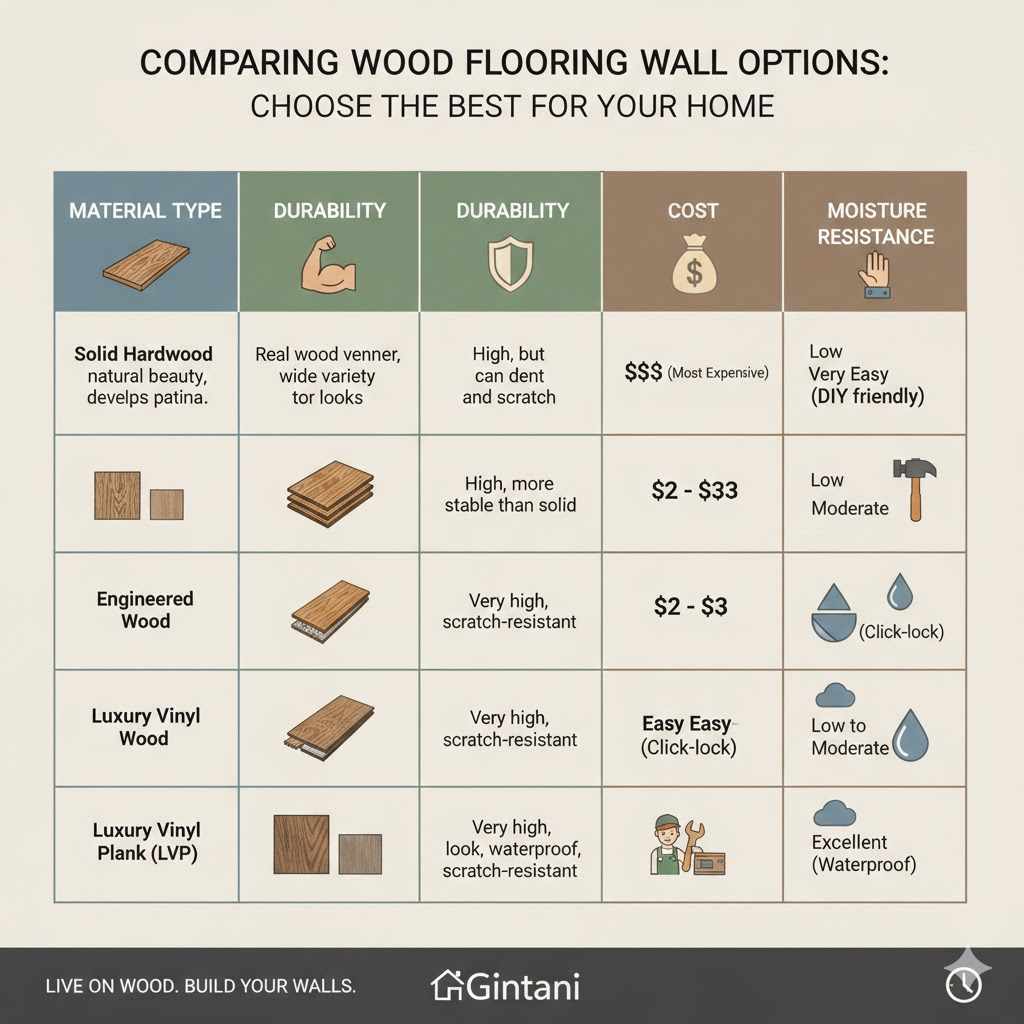
When deciding on wood flooring for your walls, it’s helpful to compare the different material types based on key factors like durability, cost, appearance, and ease of installation. This comparison will help you make an informed decision that aligns with your budget, desired aesthetic, and DIY comfort level. Each option has its pros and cons, and the best choice depends on your specific project goals and the room where it will be installed.
| Material Type | Appearance | Durability | Cost | Installation Ease | Moisture Resistance |
|---|---|---|---|---|---|
| Solid Hardwood | Authentic, natural beauty, develops patina | High, but can dent and scratch | $$$ | Moderate | Low |
| Engineered Wood | Real wood veneer, wide variety of looks | High, more stable than solid | $$ – $$$ | Moderate | Moderate |
| Laminate | Mimics wood well, consistent look | Very high, scratch-resistant | $ – $$ | Easy | Low to Moderate |
| Luxury Vinyl Plank (LVP) | Realistic wood look, wide selection | Very high, waterproof, scratch-resistant | $$ | Very Easy (DIY friendly) | Excellent |
Durability and Longevity
For walls, durability often refers to resistance to scratches, dents, and fading. LVP stands out here due to its waterproof nature and tough wear layer, making it ideal for high-traffic areas or rooms prone to spills. Laminate is also very durable against scratches.
Real wood, while beautiful, can be more susceptible to damage from impacts or sharp objects. However, solid hardwood can be refinished, offering a long lifespan if maintained. Engineered wood offers a good balance of durability and real wood beauty.
Cost-Effectiveness
Laminate and LVP are generally the most cost-effective options, offering a premium look at a lower price point. Engineered wood falls in the mid-range, providing a genuine wood experience for a reasonable investment. Solid hardwood is typically the most expensive due to the cost of the raw material and its thicker wear layer.
However, consider the long-term value; real wood can increase a home’s resale value. When comparing costs, factor in installation expenses as well, as some materials are much easier for a DIYer to install.
Aesthetic Appeal and Versatility
All options can offer a beautiful wood aesthetic, but real wood (solid and engineered) provides unparalleled natural variation, grain patterns, and warmth that synthetic materials strive to replicate. LVP has made huge strides in realism, offering a vast array of styles, colors, and textures that can convincingly mimic various wood species. Laminate is consistent and can look great, though it may lack the depth of real wood.
The versatility comes in the range of finishes, colors, and plank sizes available across all types, allowing them to fit diverse modern design schemes.
Frequently Asked Questions
Question: Can I use any type of wood flooring on my walls?
Answer: While you can technically use many types, it’s best to choose materials that are stable and easy to work with. Engineered wood and LVP are highly recommended for their stability and moisture resistance, especially in certain rooms. Solid hardwood can be used but requires careful installation to account for expansion and contraction.
Question: Is it difficult to install wood flooring on walls?
Answer: The difficulty depends on the material and the complexity of the design. Peel-and-stick LVP is quite easy for DIYers. Installing plank flooring with adhesive and fasteners requires more skill.
Intricate patterns or heavier materials are best left to professionals.
Question: How do I clean wood flooring on my walls?
Answer: Cleaning methods vary by material. For most wood-look products like LVP and laminate, a damp cloth and mild cleaner are sufficient. For real wood, follow the manufacturer’s recommendations, typically involving a wood floor cleaner and a well-wrung-out mop or cloth to avoid excess moisture.
Question: Will wood flooring on walls damage my drywall?
Answer: When installed correctly with appropriate adhesives and fasteners that engage wall studs, the wood flooring itself should not damage the drywall structure. Removal, however, may cause some cosmetic damage that will require patching and repainting.
Question: Can I install wood flooring on walls in a bathroom or kitchen?
Answer: Yes, but choose moisture-resistant options like LVP or sealed engineered wood. These materials can withstand humidity and occasional splashes better than standard solid hardwood or laminate. Proper installation and ventilation are still key in these areas.
Conclusion
Transforming your modern home with wood flooring on walls is an achievable and impactful design choice. You’ve learned about the benefits, suitable materials, and essential installation steps. From creating stunning accent walls to enveloping entire rooms in natural warmth, the possibilities are vast. Whether you opt for the realistic look of LVP or the authentic charm of engineered wood, you can achieve a beautiful, textured feature that elevates your space. Start planning your project and enjoy the unique character it brings.