White Cloudy Spots on Hardwood Floor: Causes & How to Remove Them
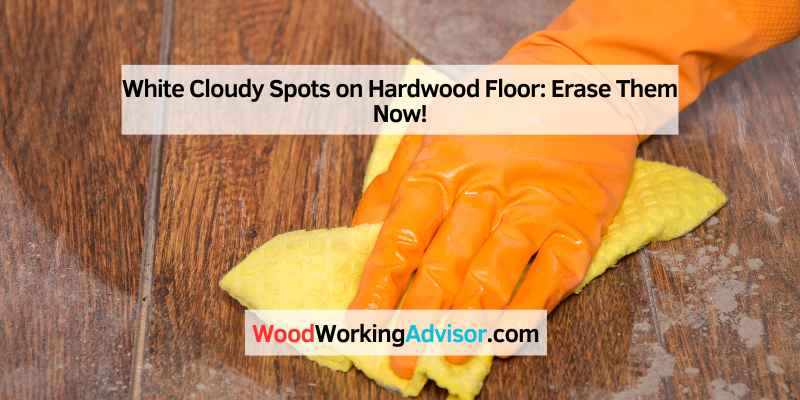
To remove white cloudy spots on hardwood floors, use an ammonia solution or consider refinishing the floors. White mold on wood floors is often caused by moisture problems and poor ventilation.
To get rid of white mold, use distilled white vinegar or a cleaning solution of warm water and dishwashing detergent. For white water stains, use white toothpaste to gently brush the affected area. Additionally, be cautious with cleaning solutions that can leave behind a filmy residue and avoid using excessive water during the mopping process, as it can lead to moisture absorption and cloudiness.
Proper cleaning and maintenance can help restore the natural beauty of hardwood floors.
The Mystery Of White Cloudy Spots
White cloudy spots on hardwood floors can be a frustrating mystery. One effective solution is to use an ammonia solution to remove the haze. Alternatively, refinishing the floors is a more time-consuming but viable option. Make sure to have a vacuum cleaner with a brush head, ammonia, bucket, terry cloth, and microfiber cleaning cloth on hand for the ammonia solution method.
Is It Blushing, Mold, or Mineral Buildup?
Not every white cloudy spot has the same cause, and the fix only works if it matches the actual problem. Flooring restoration guides describe three distinct culprits: blushing (moisture trapped inside the finish layer itself, which scatters light and creates a hazy white look), true mold or mildew growth on or under the finish, and mineral deposits left behind by hard water or wax-based cleaners. Blushing usually appears as a uniform haze across a section of floor rather than a fuzzy or spreading patch, and it will not smear or feel powdery when wiped with a dry cloth — those are signs of active hardwood floor mold instead, which needs a different, moisture-control-focused removal approach. If the spot lifts off cleanly with a dry wipe and leaves a slightly gritty residue, hard water minerals are the more likely cause.
For localized blushing, restoration pros use a simple trick: spread mayonnaise or olive oil over the hazy patch and leave it overnight so the oil can slowly displace the trapped moisture in the finish; wipe clean in the morning. For blushing that covers most of the floor, that spot method will not be enough — the finish typically needs to be lightly screened (buffed with a fine sanding screen) to let the trapped moisture escape before a fresh topcoat is applied.
📊 Data Point: Finish manufacturers and refinishing guides generally advise against applying or cleaning hardwood floor finishes when relative humidity is above 65%, and recommend keeping indoor humidity between 40–55% for long-term floor stability. Lacquer and water-based finishes can cool the surface by as much as 20°F as they cure — if that drop pushes the surface below the room’s dew point, moisture condenses inside the finish and blushing follows.
“The mistake we see most often is homeowners scrubbing a blushed patch harder with more water, which only feeds the problem. The mayonnaise-overnight trick sounds strange, but it works because the oil actually pulls the trapped moisture out of the finish instead of adding more on top of it.” — Woodworking Advisor team, on-site floor-finish troubleshooting notes.
How to Remove Each Type of White Spot
Match the fix to the actual cause identified above – the wrong method can spread a stain or make blushing worse.
Ammonia Solution (Finish Haze and Mineral Buildup)
- Vacuum the area with a brush head attachment to remove loose dirt first.
- Mix 1 part ammonia with 1 part water in a bucket.
- Soak a terry cloth in the solution, wring it out well, and rub the spot in a circular motion.
- Wipe with a clean, damp microfiber cloth to remove residue.
White Vinegar (Mold and Mildew)
Apply distilled white vinegar directly to the spot and let it sit for a few minutes before wiping with a clean, damp cloth – vinegar kills mold effectively on most finished wood surfaces. For painted or stained wood, a solution of warm water and dishwashing detergent is a gentler alternative.
The Toothpaste Trick (Water Rings)
For a localized water ring or stain, rub a small amount of white (non-gel) toothpaste onto the spot in circular motions with a soft cloth, let it sit a few minutes, then wipe clean and dry thoroughly. Test on an inconspicuous spot first, since toothpaste’s mild abrasives can dull some finishes.
Commercial Floor Cleaners
A pH-neutral, hardwood-specific cleaner is faster than DIY methods and won’t strip the finish the way an all-purpose or ammonia-heavy product can. It’s the better choice for routine cleaning; save the DIY methods above for a stubborn spot a regular cleaner didn’t lift.
TOP PICK
Bona Hardwood Floor Cleaner Refill, 128 fl oz
A residue-free, water-based cleaner made specifically for finished hardwood floors — a safer routine-cleaning option than ammonia for regular use.
- Best for: routine cleaning of finished hardwood without leaving cloudy residue behind
- Why we picked it: pH-neutral formula won’t strip or haze the finish the way harsh multi-surface cleaners can
- Main drawback: not effective on unfinished or wax-finished floors
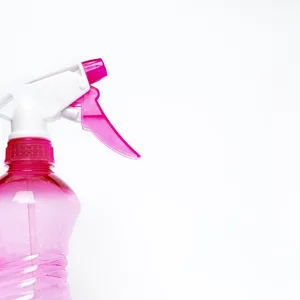
Black Diamond Wood & Laminate Floor Cleaner, 32 fl oz
- Best for: a ready-to-use spray option for spot-cleaning cloudy areas between mopping
- Why we picked it: no-rinse, streak-free formula, biodegradable
- Main drawback: smaller bottle means more frequent repurchases for whole-floor cleaning
As an Amazon Associate, Woodworking Advisor earns from qualifying purchases.
Frequently Asked Questions
How To Get Rid Of White Cloudy Spots On Hardwood Floor?
To remove white cloudy spots on hardwood floor, use an ammonia solution or consider refinishing the floor. For the ammonia method, you’ll need a vacuum with brush head, ammonia, bucket, and terry and microfiber cloths. Alternatively, use distilled white vinegar to effectively kill mold on wood surfaces.
What Is The White Stuff On My Hardwood Floors?
The white stuff on your hardwood floors could be caused by a few factors. One common cause is moisture, which can lead to the growth of mold. Another possibility is residue left behind from cleaning solutions that were not properly rinsed.
To remove the white spots, you can try using an ammonia solution or refinishing your floors. Make sure to follow proper cleaning techniques and ensure good ventilation to prevent further issues.
How Do You Get Rid Of White Mold On Hardwood Floors?
To get rid of white mold on hardwood floors, use a ammonia solution or consider refinishing the floors. Alternatively, use distilled white vinegar to kill the mold effectively. For painted or stained wood, a cleaning solution of warm water and dishwashing detergent can be used.
Regular cleaning can help prevent mold growth.
How Do You Remove White Water Stains From Hardwood Floors?
To remove white water stains from hardwood floors, use an ammonia solution or consider refinishing the floors. For the ammonia solution method, you’ll need a vacuum cleaner with a brush head, ammonia, a bucket, and terry cloth or microfiber cleaning cloth.
Brush the solution onto the stains, clean it up after a minute or two, and inspect the area. Refinishing the floors is a more time-consuming alternative.
Conclusion
To remove white cloudy spots on hardwood floors, using an ammonia solution is an effective method. This involves using a vacuum cleaner with a brush head, ammonia, bucket, terry cloth, and microfiber cleaning cloth. Another option is to refinish the wooden floors, although this process can be time-consuming.
Moisture problems and poor ventilation are common causes of white mold on wood floors, and distilled white vinegar is an efficient way to kill mold on almost all wood surfaces. Water stains can be removed by applying white toothpaste and cleaning the area.
Proper rinsing and avoiding excessive water during the mopping process can prevent cloudiness on wood floors.
Got white marks on a table, dresser, or other wood furniture instead of a floor? Heat rings and water marks on furniture respond to slightly different techniques — see our full guide to removing white stains and marks from wood for the iron and hairdryer methods that work best on smaller furniture surfaces.
Sponsored / affiliate links. As an Amazon Associate I earn from qualifying purchases. I may earn additional commission from eligible campaigns.
 Senhill Professional Hardwood Flooring Jack Positioning Tool for Laminate Flooring Installation Hard Wood Straight Tile Contractor Hand Tool
 Laminate Floor Repair Kit, Wood Furniture Repair Kit with 11 Colors Hardwood Floor Wax and 8 Colors Furniture Markers, Vinyl Linoleum Floor Repair kit Covers Scratches, Stains, Hole, Cracks