Does Wood Ash Cause Cancer? Debunking Myths & Facts
Clean wood ash from untreated wood is not classified as a carcinogen, and it’s been used safely in gardens and cleaning for centuries. The real cancer-related concern in a wood fire is the smoke, not the leftover ash — wood smoke contains polycyclic aromatic hydrocarbons (PAHs) that health agencies do classify as carcinogenic. Ash also becomes genuinely hazardous when it comes from burning treated, painted, or stained wood, since it can concentrate heavy metals like lead or arsenic from the coating or preservative.
Wood Ash Composition
Best For Reducing Dust Inhalation While Scooping Ash
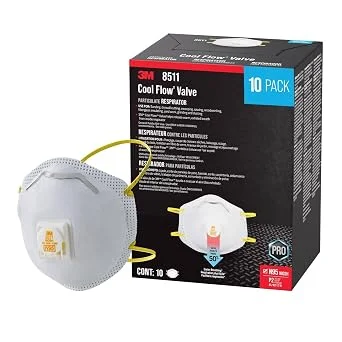 |
3M 8511 N95 Cool Flow Valved Respirator, 10-Pack – $24.79 Fine ash dust is the real, ordinary irritation risk when cleaning out a fireplace — an N95 mask blocks the particulate that a scoop and a bucket alone can’t avoid stirring up.
|
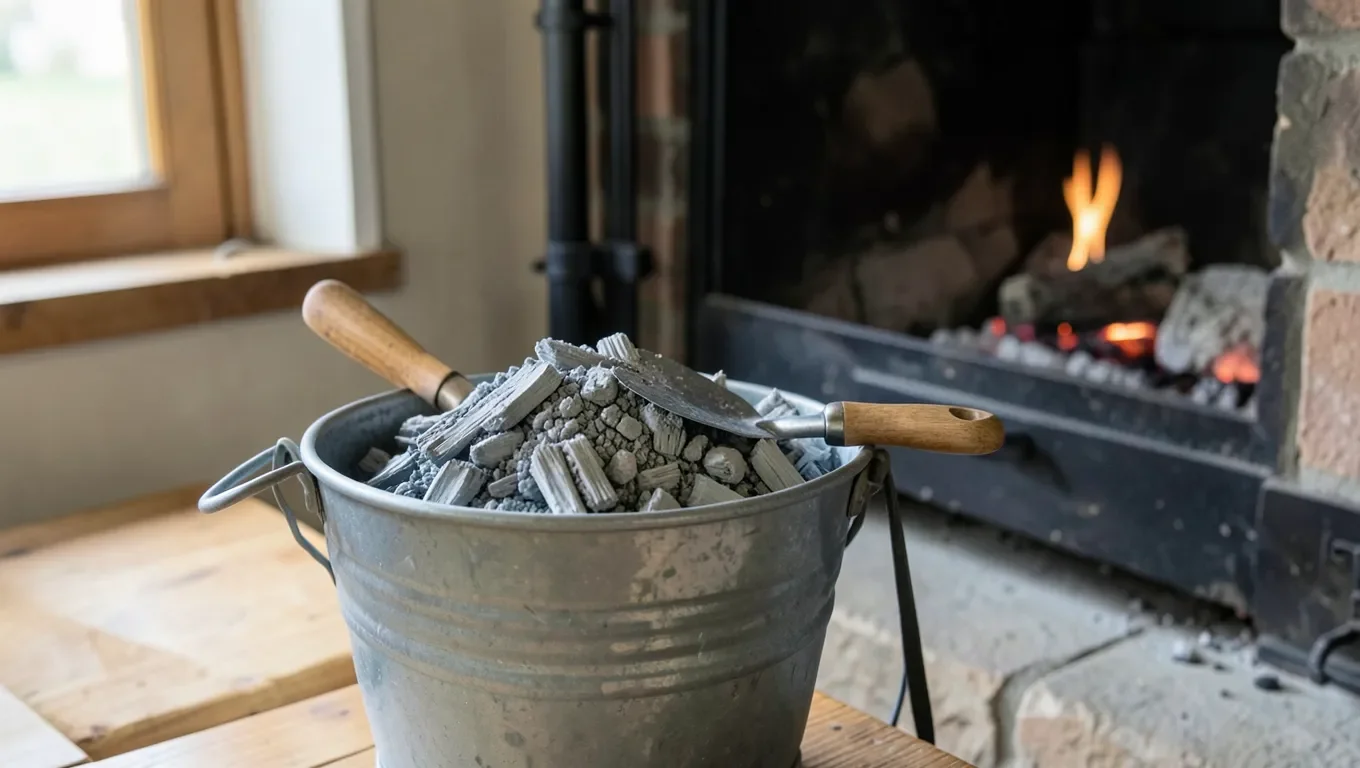
Wood ash is mostly calcium carbonate, along with potassium, phosphorus, and magnesium — the same minerals that made up the tree, minus the carbon and water burned off in the fire. That mineral content is exactly why it’s useful in gardens: it raises soil pH and adds nutrients plants use.
The composition changes significantly if the wood wasn’t clean, untreated lumber. Painted wood, pressure-treated lumber, plywood, and particleboard can all leave trace heavy metals (lead from old paint, arsenic and copper from older CCA-treated lumber, formaldehyde-related residues from glued products) concentrated in the ash after burning. This is the real source of most “wood ash is dangerous” concern — not clean firewood ash itself, but ash from burning something you shouldn’t have burned in the first place.
Wood Ash vs. Wood Smoke: The Distinction That Matters
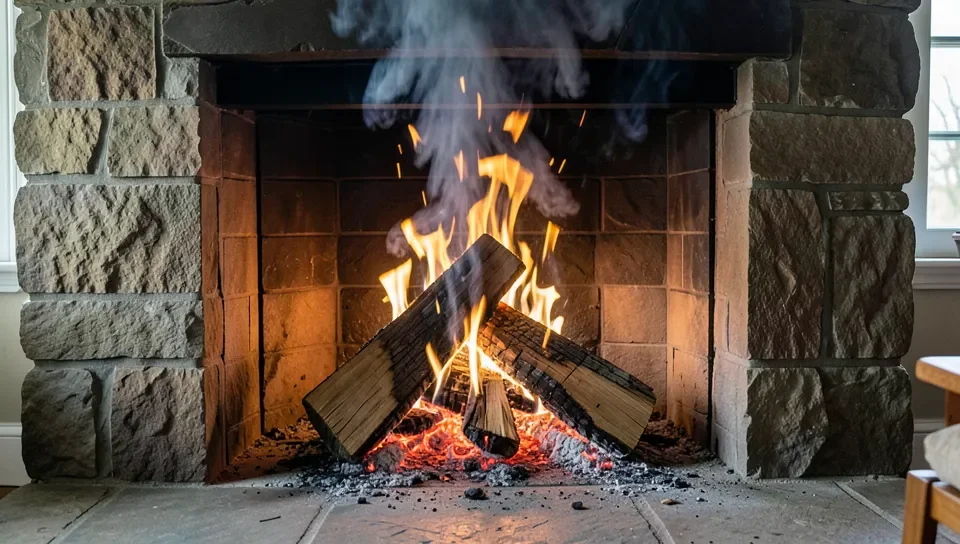
This is the single most important distinction the “does wood ash cause cancer” question usually misses. Wood smoke — the airborne byproduct of combustion — contains PAHs and fine particulate matter that health and environmental agencies do treat as a genuine health hazard, including a link to increased cancer risk with heavy, repeated exposure (chimney sweeps and people with poor wood-stove ventilation are the populations most studied for this). Wood ash, the solid mineral residue left behind after the fire is out, is a fundamentally different substance — it’s not smoke, and it isn’t classified as a carcinogen the way wood smoke is.
Practically, that means the fireplace itself — ventilation, chimney maintenance, avoiding smoldering/smoky fires — is where the real inhalation risk lives, more than the ash you sweep out afterward.
When Wood Ash Actually Is A Real Risk
- Ash from treated or painted wood: never burn pressure-treated lumber, painted or stained wood, plywood, or particleboard — it’s illegal to burn treated lumber in many jurisdictions specifically because of what ends up in the ash and smoke. Ash from these sources should be treated as hazardous waste, not garden fertilizer.
- Inhaling ash dust: dry ash is very fine and easily becomes airborne when disturbed. Like any fine particulate, breathing it in can irritate the lungs and airways, especially for anyone with asthma or existing respiratory conditions — this is a real irritation and respiratory risk even though it’s separate from the cancer question.
- Skin and eye contact: wood ash is alkaline (similar to lye in concentrated form) and can irritate skin or eyes on contact, particularly when wet.
Safety Measures For Handling Ash
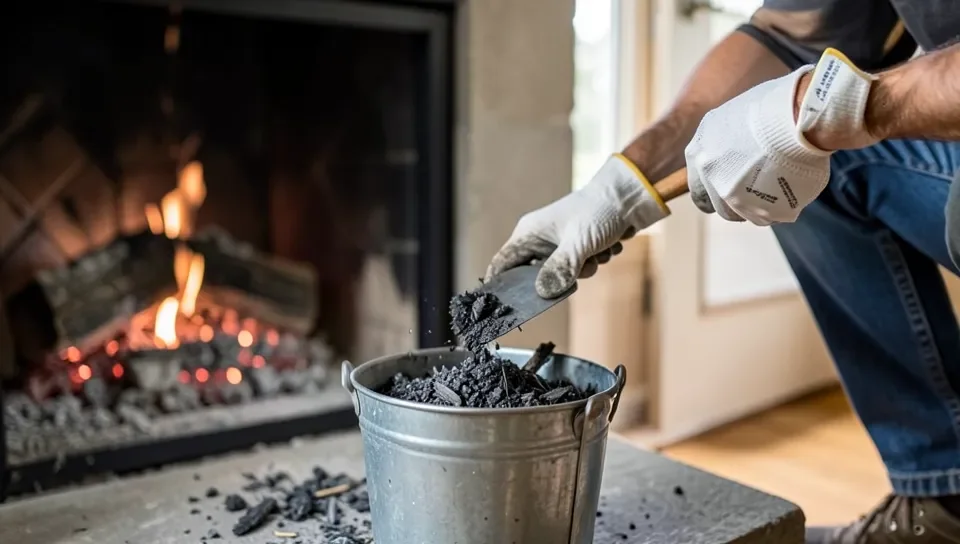
Wait until ash is fully cooled (embers can smolder for days) before removing it, and store it in a metal container with a lid, never plastic or cardboard. Scoop rather than sweep where possible to minimize airborne dust, wear gloves to avoid skin contact with the alkaline ash, and wear an N95 mask if you’re cleaning out a large amount or have any respiratory sensitivity. Keep it away from kids and pets until it’s safely stored.
Common Uses Of Wood Ash
From clean, untreated wood, ash has plenty of legitimate everyday uses: raising soil pH and adding nutrients in the garden, balancing acidity in a compost pile, deterring slugs and some crawling pests around plants, and even melting ice on walkways as a traction aid. It’s also mildly abrasive, which is why some people use a diluted paste of it for polishing tarnished silverware. See our full 30 uses for wood ash guide for the complete list — just remember every one of these assumes ash from clean, untreated wood.
Environmental Impact
Wood ash raises soil pH and can hurt acid-loving plants if overapplied, so spread it thinly and test soil pH first if you’re a regular user. Ash can also leach into waterways in large quantities, which local extension offices generally advise against for exactly the reason it changes water chemistry the way it changes soil chemistry. Used in moderation on appropriate plants, it’s a genuinely sustainable byproduct rather than waste.
Frequently Asked Questions
Can Wood Ash Cause Cancer?
Ash from clean, untreated wood is not classified as a carcinogen. The cancer-related concern from wood fires comes from smoke inhalation (which contains PAHs), not the mineral ash left behind. Ash from treated, painted, or stained wood is a separate hazard and should never be used in the garden or handled casually.
Is It Safe To Breathe In Fireplace Ash Dust?
Not ideal — fine ash dust can irritate the lungs and airways like any fine particulate, especially for people with asthma or other respiratory conditions. It isn’t established as carcinogenic, but wearing a mask while cleaning out a fireplace is a reasonable precaution, not an overreaction.
Is It Good To Put Wood Ash Around Trees And Garden Plants?
Yes, in moderation, from clean untreated wood — it raises soil pH and adds potassium and calcium. Avoid it around acid-loving plants like blueberries and azaleas, and don’t overapply, since too much ash raises pH more than most plants tolerate.
Can You Burn Painted Or Treated Wood And Use The Ash?
No. Burning painted, stained, pressure-treated, or engineered wood (plywood, particleboard, MDF) can concentrate heavy metals and other toxins in the ash, and it’s illegal to burn treated lumber in many areas. Never use ash from these sources in a garden, compost, or anywhere it could contact skin or food.
Conclusion
Ash from clean, untreated wood isn’t classified as carcinogenic and has been used safely for generations — the real cancer-related risk in a wood fire is smoke inhalation, and the real ash-specific risk is burning treated or painted wood in the first place. Handle ash with basic precautions (gloves, a mask for dusty cleanup, cooled and stored in metal), and it’s a genuinely useful, low-risk byproduct rather than something to fear.
Sponsored / affiliate links. As an Amazon Associate I earn from qualifying purchases. I may earn additional commission from eligible campaigns.