How Much Does It Cost to Get Wood Floors Installed in 2026?
Installing wood floors costs $6 to $25 per square foot nationwide in 2026 – most homeowners land between $10 and $16 once materials, labor, and basic prep are included. Skip the subfloor check and that number climbs fast: a damaged base adds $2 to $8 per square foot before a single plank goes down. This guide breaks down cost by wood type, room size, DIY vs. pro labor, and the line items most estimates leave out.
Quick Answer
Wood floor installation costs $6 to $25 per square foot installed, or roughly $2,469 to $7,031 for a typical project (national average: about $4,723 in 2026). Solid hardwood runs $11-$25/sq ft installed; engineered wood costs less at $9-$20/sq ft. Add $2-$8/sq ft if the subfloor needs repair or old flooring must come out first.
Factors Affecting Installation Costs
Best Flooring Underlayment Pick
ROBERTS Silicone Moisture Barrier Underlayment – $27.49
Skipping a moisture barrier is one of the subfloor-prep shortcuts this guide warns against – this roll goes under solid or engineered wood to block slab moisture before it warps new planks.
- Best for: solid or engineered wood over a concrete or wood subfloor
- Why we picked it: purpose-built for wood flooring, not general-purpose foam
- Main drawback: pricier per roll than basic foam underlayment
Compare more underlayment options
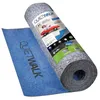 Option 1 QuietWalk Underlayment 100 sq ft – $48.99
|
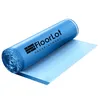 Option 2 FLOORLOT BlueStep Underlayment – $59.99
|
 Option 3 PolyFoam Foam Underlayment – $19.99
|
As an Amazon Associate we earn from qualifying purchases.
The type of wood you choose has the biggest impact on price. Softwoods like pine run $3 to $6 per square foot for materials alone, domestic hardwoods such as oak or maple cost $5 to $15 per square foot, and exotic species like Brazilian walnut or teak can reach $15 to $28 per square foot. See our hardwood installation price breakdown by species for a full list.
Wood grade matters almost as much as species. Clear-grade boards with few knots cost more than character-grade or rustic-grade wood, though rustic grades hide scuffs and dents better in high-traffic homes.
How the floor is attached also changes labor cost. Nail-down installation is the cheapest method for solid hardwood over a wood subfloor. Glue-down installation, typically used over concrete, adds $1 to $2 per square foot in labor. Floating installation – common with engineered wood – installs fastest and costs the least in labor, since planks click together without nails or glue.
Where you live changes the price too. Labor rates for flooring contractors can vary 12% to 20% or more between major metro areas and rural markets, according to Angi’s 2026 flooring cost data.
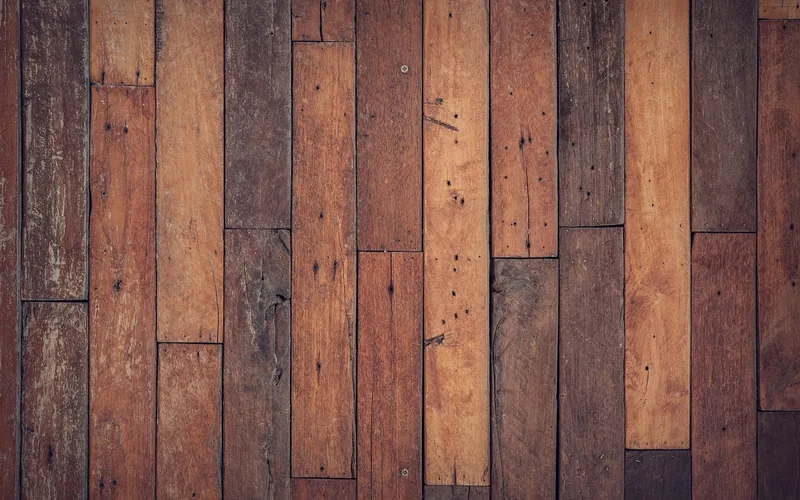
Types Of Wood Flooring
Exploring wood flooring options affects installation cost as much as square footage does. Hardwood generally costs more than engineered wood or bamboo, but each type trades price against durability, moisture resistance, and how many times it can be refinished. Consider your budget, subfloor type, and room location before deciding.
Solid Hardwood
Solid hardwood is milled from a single piece of wood, usually 3/4 inch thick, and is nailed or stapled to a wood subfloor. Installed cost runs $11 to $25 per square foot in 2026. It can be sanded and refinished multiple times over its lifespan, which is why solid hardwood typically adds more resale value than any other flooring type.
Engineered Wood
Engineered wood has a real hardwood veneer bonded over layers of plywood or high-density fiberboard, making it more dimensionally stable through humidity swings. Installed cost runs $9 to $20 per square foot – often less than solid hardwood, since it can float or glue down instead of requiring nail-down labor. It’s a common choice for basements and rooms built over a concrete slab, where solid hardwood isn’t recommended.
Bamboo
Bamboo is technically a grass, not a hardwood, but it prices and installs similarly to engineered wood. Installed cost typically runs $8 to $17 per square foot depending on strand-woven density and finish. Strand-woven bamboo can be harder than red oak on the Janka hardness scale, though quality varies significantly by manufacturer.
| Flooring Type | Installed Cost / Sq Ft | Best For |
|---|---|---|
| Solid Hardwood | $11 – $25 | Long-term resale value, refinishing later |
| Engineered Wood | $9 – $20 | Basements, concrete slabs, humidity-prone rooms |
| Bamboo | $8 – $17 | Eco-conscious budgets, high-hardness needs |
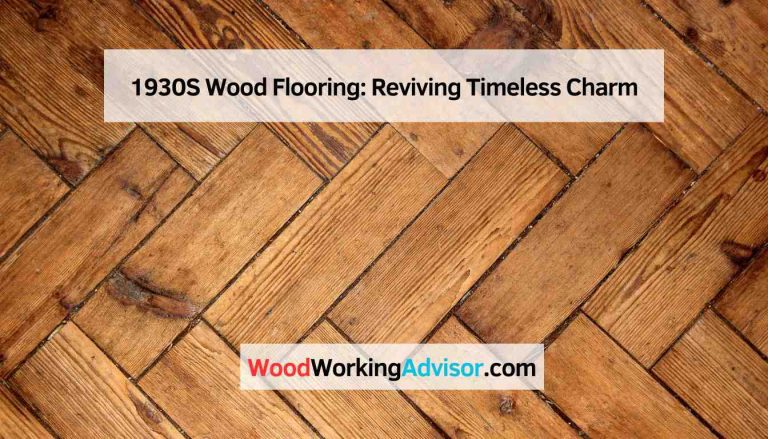
| Parquet | $13 – $40 | Decorative patterns, statement rooms |
Cost By Room Size
Total project cost scales with square footage, but not perfectly – smaller rooms carry a higher per-square-foot cost because minimum labor charges and material waste eat up a bigger share of the budget.
| Room Size | Total Installed Cost |
|---|---|
| 100 sq ft | $600 – $2,500 |
| 200 sq ft | $1,200 – $5,000 |
| 500 sq ft | $3,000 – $12,500 |
| 1,000 sq ft | $6,000 – $25,000 |
| 2,000 sq ft | $12,000 – $36,000 |
Figures include materials and professional labor. Source: HomeAdvisor 2026 flooring cost data.
Cost Breakdown
Material choice drives the widest cost swing: hardwood costs more than softwood, bamboo sits in between, and finish adds another layer – pre-finished planks cost more per square foot up front but skip the on-site sanding and coating labor that unfinished wood requires. Plank style matters too: standard strip flooring is the cheapest layout, while parquet or herringbone patterns cost more because of the extra cutting and layout time.
Labor cost depends on installer experience, project timeline, and design complexity. Simple room layouts with straight walls install faster and cheaper than rooms with stairs, closets, or custom medallion inlays. Company reputation plays a role too – established flooring companies typically charge more than independent contractors, though a lower bid isn’t automatically the better deal if it skips subfloor prep.
📊 The national average cost for a full hardwood flooring installation project is $4,723, with most homeowners spending between $2,469 and $7,031 depending on room size, wood species, and local labor rates. – Source: Angi, 2026 Home Improvement Cost Report
Removing Old Flooring & Subfloor Prep Costs
Most online cost estimates only cover new material and labor – they leave out what’s underneath the old floor. Removing existing flooring costs $1.50 to $3.50 per square foot depending on what’s coming out: carpet and pad removal runs as little as $0.50 to $1 per square foot, while old nail-down hardwood costs $1 to $2.50 per square foot to tear out, plus $100 to $400 in debris disposal fees. A typical 200-square-foot room runs $400 to $900 total for hardwood removal and disposal.
If the subfloor underneath is damaged, budget an extra $2 to $8 per square foot for leveling compound, replacing water-damaged plywood, or adding a moisture barrier before new flooring goes down. Skipping this step is the single most common reason a “budget” flooring project ends up costing more than the original quote.
Budgeting Tips
Build a full list of every cost category before you start: materials, labor, removal, subfloor repair, trim, and a contingency fund. A 10% to 15% buffer on top of your quoted total covers the surprises – a cracked subfloor board, an extra box of planks for a cutting mistake – that show up on almost every flooring job.
Get written quotes from at least three installers and compare line by line, not just the bottom-line number. Ask specifically whether furniture moving, old-floor removal, and disposal are included, since these are the most common items one quote includes and another quietly leaves out. Ask about warranty terms too – a longer labor warranty can be worth more than a slightly lower price.
Think about total cost of ownership, not just install price. Solid hardwood costs more up front but can be refinished multiple times over 30+ years, while cheaper laminate-style options may need full replacement within a decade. Spending more on quality material now can cost less than replacing a bargain floor twice.
DIY Vs Professional Installation
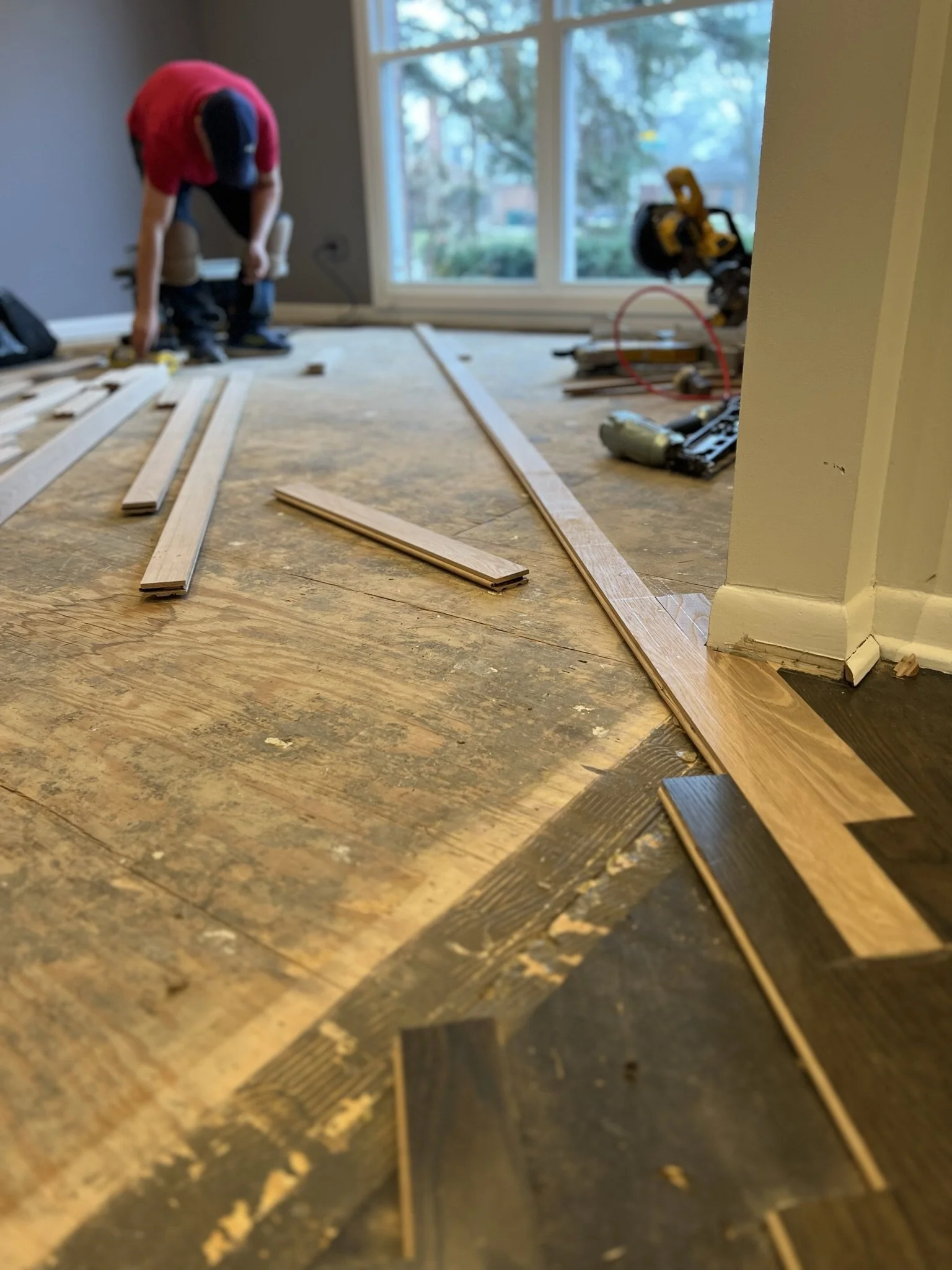
Installing your own wood floor mainly saves the labor line item – typically $3 to $10 per square foot, or $1,500 to $5,000 on a 500-square-foot room. Professional installation costs more but includes expertise most homeowners don’t have: reading moisture levels, racking boards for a natural grain pattern, and handling transitions at doorways and stairs.
Pros And Cons Of DIY
DIY installation saves money and teaches real skills, but it takes time, patience, and the right tools – a flooring nailer, a table saw for rip cuts, and a moisture meter for the subfloor. Measuring wrong leads to wasted material, and mistakes on solid hardwood are expensive to undo once boards are nailed down.
DIY isn’t for everyone. Professional installers finish faster, know how to handle an out-of-square room, and stand behind their work with a labor warranty. Weigh your own skill level honestly – see our DIY wood project guides before committing to a full-room install.
When To Hire Professionals
Hire a professional for large rooms, complex layouts like herringbone or diagonal patterns, and any job involving stairs. Pros work faster, carry insurance for on-site damage, and can catch subfloor problems before they become an expensive callback. For a step-by-step look at the process itself, see our wood flooring installation how-to guide.
“After years of pricing out wood projects on this site – from deck framing to floor refinishing – the pattern holds every time: whoever gets three written quotes saves more money than whoever finds the cheapest plank. Labor is where estimates really diverge, not materials.”
Saving Money On Installation
Stores often discount hardwood during slower seasons – late fall and winter typically see better deals than spring, when flooring demand peaks. Watch for seasonal sales at big-box retailers, and compare their per-square-foot pricing against independent flooring suppliers before committing.
Buying in bulk lowers the per-square-foot material cost, and ordering 5% to 10% extra for cutting waste is cheaper than a rushed reorder mid-project. Choosing a less expensive species – red oak or pine instead of walnut or exotic hardwood – can cut material costs by half without sacrificing durability.
If the full budget doesn’t stretch to the whole house, phase the project by room instead of financing the entire job at once. Installing one or two rooms now and the rest next year spreads out both the cost and the disruption.
Common Mistakes To Avoid
Choosing the right contractor is just as important as choosing the right wood. A poor contractor choice leads to higher costs and subpar results down the line – always compare multiple quotes and verify licensing and insurance before signing.
Ignoring Subfloor Preparation
Skipping a subfloor check before installing wood floors is the most expensive mistake on this list. A weak or uneven subfloor causes squeaks and premature wear once new flooring goes down. Always check for moisture and structural damage first, and budget the $2 to $8 per square foot it may take to fix it.
Overlooking Maintenance Costs
Wood floors need ongoing care to stay in good shape – cleaning supplies, periodic polish, and eventual refinishing all add up over the life of the floor. Some species and finishes need more upkeep than others, so factor long-term maintenance into your budget, not just the install price.
Underestimating Project Scope
Homeowners often assume a flooring job is smaller and faster than it turns out to be. Measuring the room wrong is a common and costly error, leading to buying too much or too little material. Plan the project scope carefully, including furniture moving and acclimation time for the wood, to avoid last-minute surprises.
Frequently Asked Questions
How much does 1,000 square feet of hardwood flooring cost?
Installing 1,000 square feet of hardwood flooring costs $6,000 to $25,000 in 2026, including materials and labor. Most homeowners in this size range land closer to $10,000 to $16,000 once a standard wood species and typical subfloor condition are factored in.
How much does it cost to pay someone to install hardwood floors?
Professional labor alone costs $3 to $10 per square foot, separate from material costs. For a 500-square-foot room, that is $1,500 to $5,000 in labor on top of $1,500 to $7,500 in materials, depending on wood species.
How much does it cost to install hardwood floors for 2,000 square feet?
Installing hardwood floors for 2,000 square feet typically costs $12,000 to $36,000, including materials and labor. Prices vary based on wood type, regional labor rates, and subfloor condition – see our full installation cost breakdown for more size-based examples.
How much does Home Depot charge for wood floor installation?
Home Depot’s in-store installation service brings total project cost to $6 to $25 per square foot once labor is added to material prices of $3 to $15 per square foot. See our full Home Depot flooring price breakdown for current per-plank pricing.
Is it cheaper to install hardwood floors yourself?
Yes – DIY installation typically saves the labor portion of the bill, roughly $3 to $10 per square foot, but only if you already own or rent the right tools and are comfortable working around door casings and transitions. DIY makes the most financial sense with floating engineered or bamboo floors, which forgive minor errors more easily than nail-down solid hardwood.
How much does it cost to remove old flooring before installing hardwood?
Removing old flooring costs $1.50 to $3.50 per square foot depending on the material. Carpet is cheapest to remove at $0.50 to $1 per square foot, while old nail-down hardwood runs $1 to $2.50 per square foot plus $100 to $400 for debris disposal.
Conclusion
Wood floor installation costs $6 to $25 per square foot in 2026, but the number that actually lands on your invoice depends on wood species, room size, subfloor condition, and whether you DIY or hire a pro. Get written quotes from at least three installers, budget for old-floor removal and subfloor repair up front, and choose material quality based on how long you plan to keep the floor.
Compare quotes carefully, ask what each one actually includes, and remember that quality installation adds real value to your home. For related costs, see our guides on wood floor refinishing cost and the complete wood flooring guide.
Sponsored / affiliate links. As an Amazon Associate I earn from qualifying purchases. I may earn additional commission from eligible campaigns.