Termite Eggs on Wall: How to Identify and Remove Them
Termite eggs on wall can be a troubling sight. These tiny pests can cause significant damage to your home.
Termites are known for their destructive nature. They can chew through wood and compromise the structure of buildings. If you spot termite eggs on your wall, it’s a clear sign of an infestation. Ignoring this can lead to costly repairs.
Understanding what termite eggs look like and knowing the steps to take can help you protect your home. In this blog, we will explore what you need to know about termite eggs on walls. We will also discuss how to address and prevent an infestation. Let’s dive in and keep your home safe from these pesky invaders.

Credit: www.hitechtermite.com
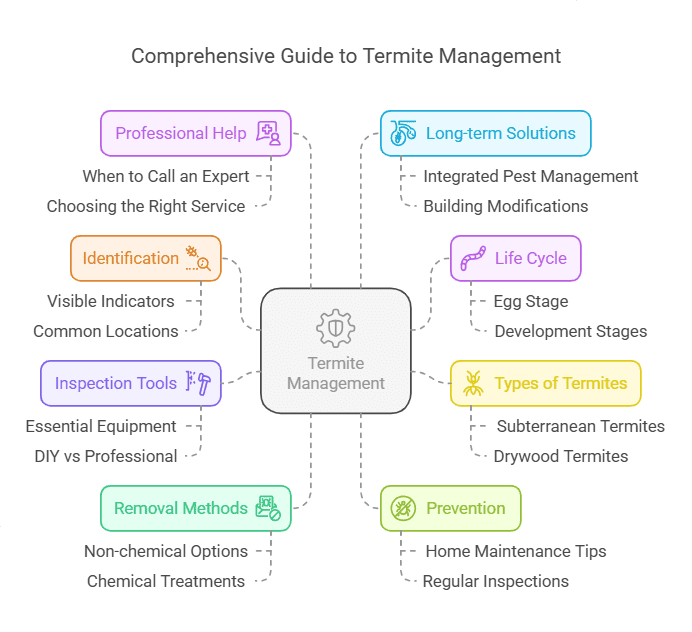
Signs Of Termite Eggs
Termite eggs on walls can be a silent yet destructive issue. Recognizing the signs early can save you from significant damage. This section delves into the key indicators that signal the presence of termite eggs.
Visible Indicators
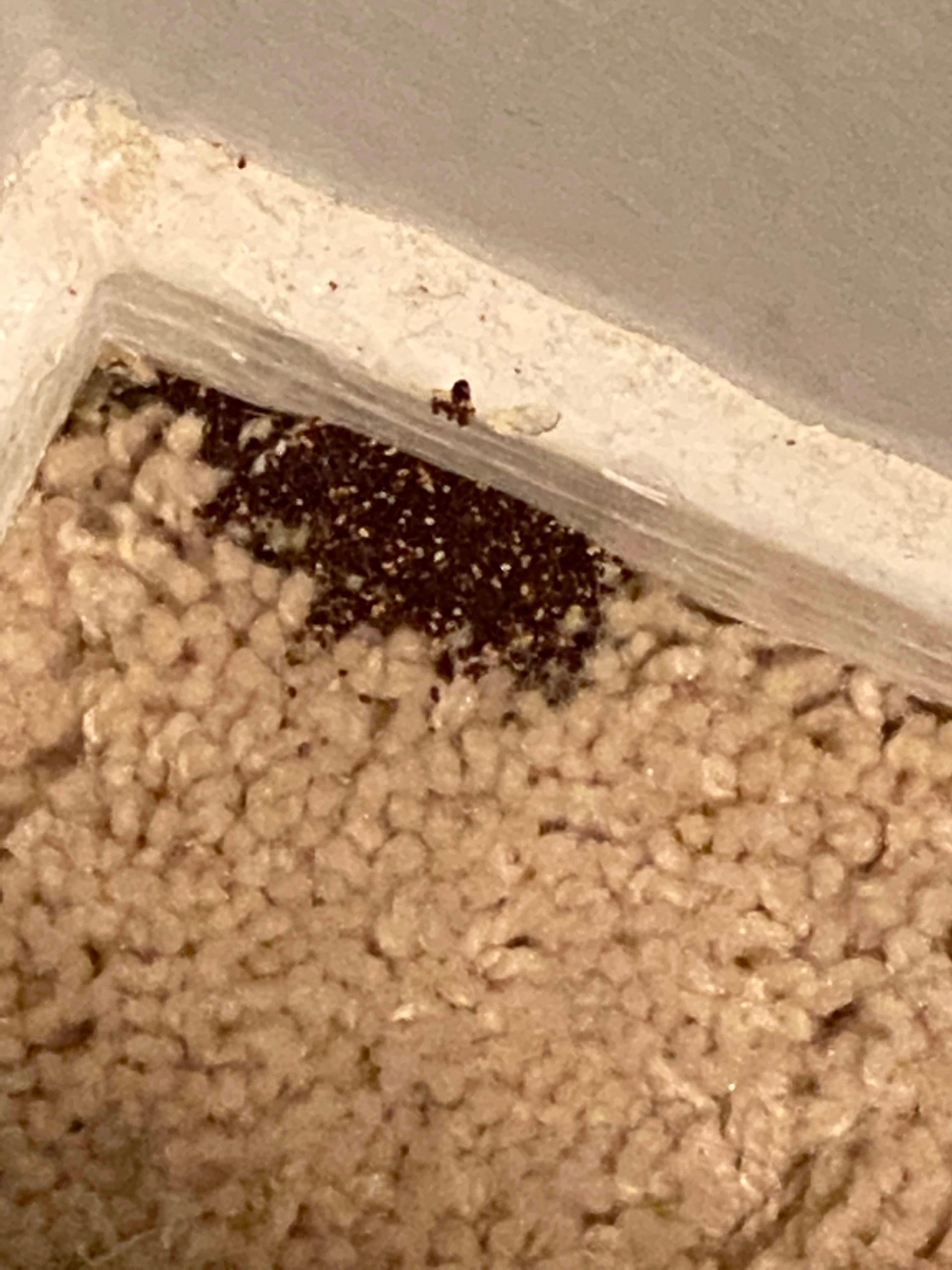
One clear sign of termite eggs is the presence of small, white pellets. These eggs often resemble grains of rice but smaller. You might spot them near wooden structures or baseboards. Look closely for these tiny, oval-shaped objects. They can be easily overlooked due to their size.
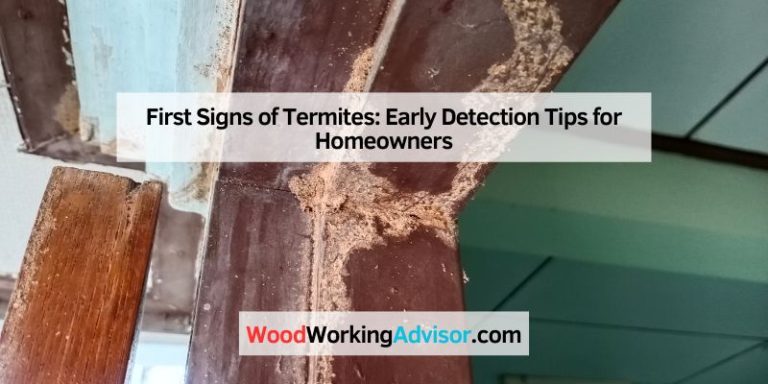
Termite droppings, or frass, are another visible indicator. These look like small, wood-colored pellets. You may find them in piles beneath wooden items. Frass indicates active termites in the area. Keep an eye out for these telltale signs.
Common Locations
Termite eggs are often found in hidden spots. Baseboards are a common location. Termites lay eggs in cracks and crevices. Check these areas carefully.
Another common location is behind walls. Termites can create nests inside wall cavities. This makes detection challenging. Listen for faint clicking sounds. This can indicate termite activity.
You might also find termite eggs near wooden furniture. Termites are attracted to cellulose in wood. Inspect the undersides and joints of your furniture. Look for any signs of eggs or damage.
Attics and basements are also prime locations. These areas are often dark and undisturbed. Perfect conditions for termites to thrive. Regular inspections can help you catch infestations early.
Termite Life Cycle
Ever wondered how termites grow and multiply? The life cycle of termites is fascinating and understanding it can help you protect your home. Termites go through several stages in their life, from eggs to adults. Let’s dive into the details of this process.
Egg Stage
The life of a termite begins as an egg. These tiny, oval-shaped eggs are usually laid by the queen in a hidden spot. They are very small and almost impossible to see without a magnifying glass. The eggs are white and soft, and they hatch in a few weeks.
Development Stages
After the eggs hatch, termites go through several stages before becoming adults. Let’s break down these stages:
- Nymphs: The newly hatched termites are called nymphs. They look like small adults but are not yet fully developed. Nymphs molt several times as they grow.
- Workers: Some nymphs become workers. Workers are responsible for building and maintaining the nest. They also gather food and take care of the queen and her eggs.
- Soldiers: Other nymphs develop into soldiers. Soldiers have large heads and strong jaws. Their job is to protect the colony from predators.
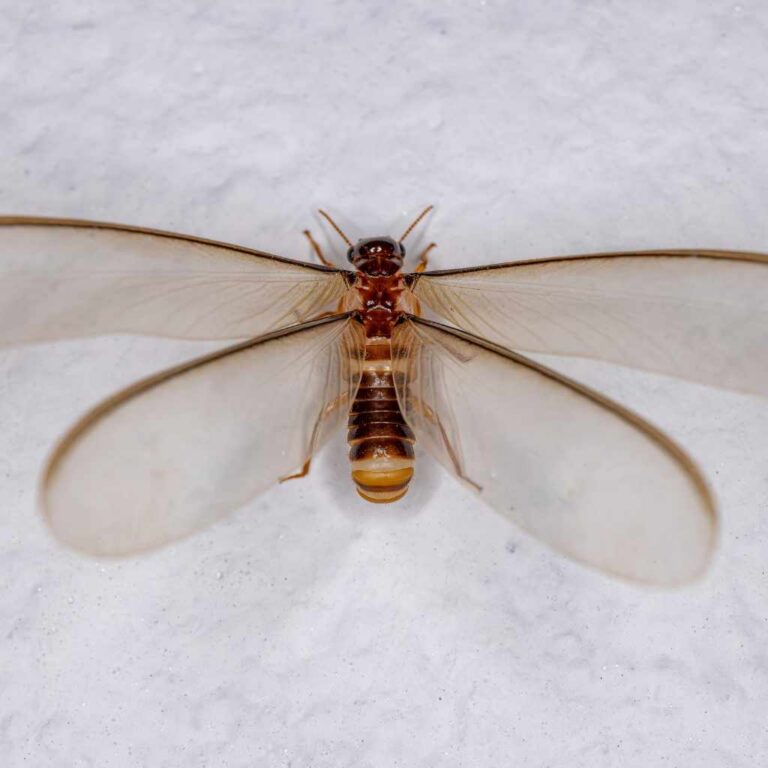
- Reproductives: Finally, some nymphs grow into reproductives. These termites will leave the colony to start new ones. They have wings and are also known as alates or swarmers.
Each stage has a specific role in the colony, ensuring the survival and growth of the termite community. Knowing these stages can help you identify and manage termite infestations more effectively.
In summary, the termite life cycle is a series of transformations from eggs to adults, with each stage playing a crucial role in the colony. By understanding this cycle, you can better protect your home from these tiny invaders.
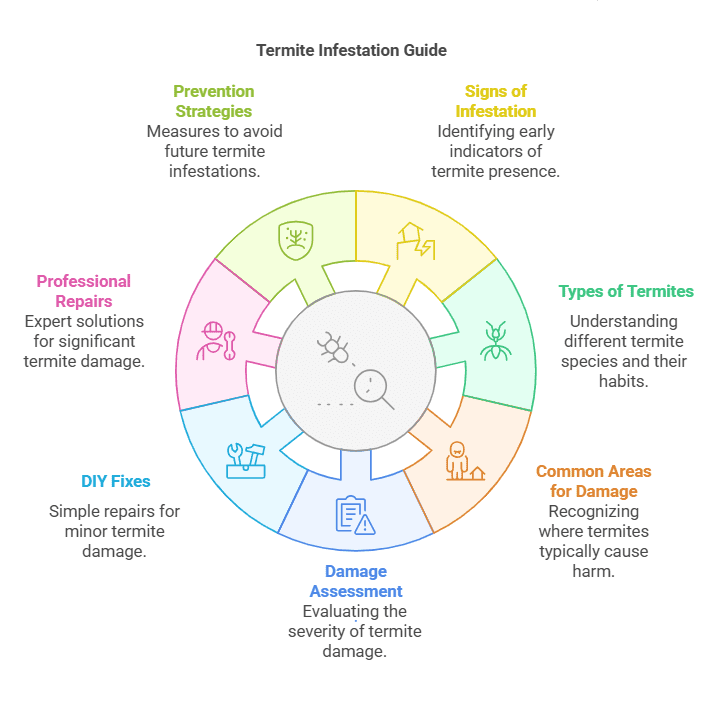
Types Of Termites
Termite eggs on walls indicate a possible infestation. Various termite types, such as subterranean, drywood, and dampwood, may be present. Early detection is crucial for effective treatment.
Hey friends, today we’ll dive into the world of termites. Ever wondered what kinds of termites might be leaving eggs on your wall? Worry no more. I will break it down for you. Termites come in different types, each with unique habits and habitats. Let’s explore two common types: Subterranean termites and Drywood termites.
Subterranean Termites
Subterranean termites are the most common type of termites. These little critters build their nests underground. They need moisture to survive, which is why they stay close to the soil. Ever seen mud tubes running along your walls? That’s their highway.
– Habitat: They live in the soil and build mud tubes to travel.
– Food: Wood, dead plants, and sometimes even paper.
– Damage: They can cause a lot of damage to wooden structures. If you have a wooden house, be alert.
An example? I once found a mud tube running along my basement wall. It was a clear sign of subterranean termites. I had to act quickly to avoid more damage.
Drywood Termites
Drywood termites are different. They don’t need soil. They live in dry wood. This means they can infest furniture, picture frames, and even your walls.
– Habitat: They live inside dry wood and don’t need contact with soil.
– Food: Wood and wooden structures.
– Damage: They can be harder to detect because they live inside the wood. Look for tiny holes and wood dust.
I remember my neighbor had a beautiful wooden bookshelf. One day, she noticed it was falling apart from the inside. Turns out, it was drywood termites. They had been feasting on her bookshelf for months.
So, keep an eye out. Knowing the type of termites can help you take the right steps to protect your home. Whether it’s subterranean or drywood termites, recognizing the signs early can save you a lot of trouble. Stay informed and keep your home safe!
“`
Inspection Tools
Detecting termite eggs on your wall requires the right tools. Using proper inspection tools helps identify infestations early. This can prevent extensive damage to your home.
Essential Equipment
A flashlight is crucial for spotting termite eggs. Bright light helps you see hidden spots. A magnifying glass allows you to see tiny eggs clearly. A moisture meter detects damp areas where termites thrive. A screwdriver can probe wood for signs of damage. A camera or smartphone lets you document your findings.
DIY Vs Professional
DIY inspections can save money. Basic tools are affordable and easy to use. You can inspect frequently and catch issues early. But, professionals have advanced tools and experience. They know where termites hide and how to spot them. Professional inspections can be more thorough and accurate. Weigh the pros and cons before deciding.
Safe Removal Methods
Termite eggs on your wall can be alarming. These pests can cause significant damage to your home. It’s important to remove them safely. There are both non-chemical and chemical methods available. Each has its own benefits.
Non-chemical Options
Non-chemical methods are safe and eco-friendly. One effective option is sunlight exposure. Termites hate light. Place affected items in direct sunlight. This can kill the eggs.
Another option is using nematodes. These are small worms that eat termites. You can buy them at garden stores. Release them near the termite eggs. They will seek out and destroy the eggs.
Cardboard traps can also help. Wet a piece of cardboard and place it near the eggs. Termites will be attracted to it. Once they gather on the cardboard, remove and burn it.
Chemical Treatments
Chemical treatments are more aggressive. They can be very effective. Liquid termiticides are one option. Apply them directly to the affected area. They kill termites on contact.
Another option is termite baits. These contain poison that termites take back to their colony. This can eliminate the entire colony over time.
Fumigation is a last resort. It’s used for severe infestations. A professional will seal your home and fill it with gas. This gas kills all termites inside.

Credit: www.reddit.com
Preventing Reinfestation
Termite infestations can be a nightmare. But the good news? You can prevent them from coming back. By following a few simple steps, you can keep your home safe and termite-free. Let’s dive into some practical tips that will help you prevent reinfestation.
Home Maintenance Tips
Regular home maintenance is key to keeping termites at bay. It’s like keeping your car in good shape so it doesn’t break down. Here are some easy tips:
- Fix leaks: Termites love moisture. Check for leaks in your roof, pipes, and even around windows. Fix them quickly.
- Keep wood away: Don’t store firewood or wood debris near your house. Termites can use it as a bridge to your home.
- Ventilate properly: Make sure your home is well-ventilated. This helps keep the moisture levels down.
- Seal cracks: Check for cracks in your foundation or walls. Seal them up to block entry points.
Regular Inspections
Just like you go for regular health check-ups, your home needs inspections too. It helps catch problems early. Here’s how you can do it:
- Monthly checks: Do a quick monthly check for signs of termites. Look for mud tubes, wood damage, or discarded wings.
- Professional help: Get a professional inspection at least once a year. They know where termites hide and can spot issues you might miss.
- Monitor changes: Keep an eye on any changes in your home. New cracks, damaged wood, or strange noises might be signs of trouble.
I recently asked my neighbor to help me with a termite check. We found a small crack near my window. It was a relief to fix it early before any termites could get in. Little steps like these can make a big difference.
Preventing termites is easier than you think. With these simple maintenance tips and regular inspections, you can protect your home. So, start today and keep those termites away!
Professional Help
Hey friends, dealing with termite eggs on your wall can be a real headache. Sometimes, the best approach is to call in the pros. They have the experience and tools to tackle the problem effectively. Let’s dive into when you should call an expert and how to choose the right service for the job.
When To Call An Expert
So, when should you call a professional? Here are a few signs:
- You see small, white eggs on your walls.
- You notice tiny, winged termites flying around.
- You hear a faint clicking sound inside your walls.
- There are small piles of sawdust near your baseboards.
If you spot any of these signs, it’s time to call a professional. They can accurately identify the problem and suggest the best solution. Don’t wait too long. The longer you delay, the worse the infestation can get.
Choosing The Right Service
Choosing the right pest control service can feel like a daunting task. But don’t worry, here are some tips to help you out:
- Research: Look for companies with good reviews and ratings. Ask friends or family for recommendations.
- Experience: Choose a company with experience in dealing with termites. They’ll know the best methods to use.
- Licenses and certifications: Make sure the company is licensed and certified. This ensures they follow industry standards.
- Get quotes: Contact a few companies and ask for quotes. Compare their services and prices.
- Ask questions: Don’t hesitate to ask questions. Find out about their methods, guarantees, and follow-up services.
Remember, it’s important to choose a service that makes you feel comfortable and confident. The right professionals can make all the difference in getting your home termite-free again.
Just last month, I had to deal with a termite problem in my own home. I followed these steps and found a great pest control service. They took care of the issue quickly and effectively. It was such a relief!
Long-term Solutions
Long-term solutions are essential for dealing with termite eggs on walls. Short-term fixes may provide immediate relief, but they don’t address the root cause. Effective long-term solutions focus on prevention and management. This ensures termites don’t return and cause further damage.
Integrated Pest Management
Integrated pest management (IPM) combines various strategies for effective termite control. It includes monitoring, prevention, and control methods. The goal is to minimize the use of chemicals. Regular inspections help detect termite activity early. Identifying and addressing problems quickly is crucial.
Physical barriers can prevent termites from entering buildings. This includes using sand, steel mesh, or other materials. Chemical barriers, such as termiticides, can also be used. Baits and traps help reduce termite populations. These methods work together to control termites effectively.
Building Modifications
Making changes to your building can prevent termite infestations. Proper ventilation reduces moisture, which termites need to survive. Ensure there are no leaks in the roof or plumbing. Fixing these issues makes your home less attractive to termites.
Using termite-resistant materials during construction can be helpful. Treated wood and other resistant materials can reduce the risk of infestation. Regular maintenance is key. Keep the area around your home free of wood debris and other materials that attract termites.

Credit: www.reddit.com
Frequently Asked Questions
What Do Termite Eggs Look Like On A Wall?
Termite eggs on a wall look like tiny, white or translucent grains of rice. They are usually clustered together.
What Are Signs Of Termites In Walls?
Signs of termites in walls include hollow sounds when tapped, visible cracks, mud tubes, frass (termite droppings), and discarded wings.
How To Identify Termite Eggs?
Termite eggs are small, oval, and white or translucent. They resemble tiny grains of rice. You may find them in clusters within termite nests or wood.
How To Get Rid Of Termite Eggs In House?
Remove termite eggs by cleaning infested areas thoroughly. Use termiticide products or call pest control professionals for treatment. Ensure proper ventilation and reduce moisture in your home. Regularly inspect wooden structures for signs of termites. Maintain cleanliness to prevent future infestations.
Conclusion
Spotting termite eggs on your wall requires immediate action. Ignoring them can cause severe damage. Regular inspections help prevent infestations. Contact a professional if you see signs. Taking early steps saves your home. Protect your space and peace of mind.
Remember, vigilance is key in termite control. Keep your home safe and secure.