Termite Flies in House: How to Get Rid of Them Quickly
Termite flies in the house can be a real nuisance. They appear out of nowhere and create a mess.
Termite flies, or swarmers, indicate a termite infestation. These tiny insects can cause significant damage to your home if left unchecked. Seeing them indoors is a warning sign that you should not ignore. Understanding why these pests invade your space is the first step in addressing the problem.
In this blog, we will explore the reasons behind termite swarms, how to identify them, and what steps you can take to protect your home. Stay with us to learn more about these uninvited guests and how to deal with them effectively.
Credit: greenhow.com
Identifying Termite Flies
Have you ever noticed small, winged insects in your house and wondered what they are? It can be unsettling, right? Today, we’re going to talk about termite flies. Knowing how to identify these pesky invaders can help you take action quickly and protect your home. Let’s dive in!
Appearance
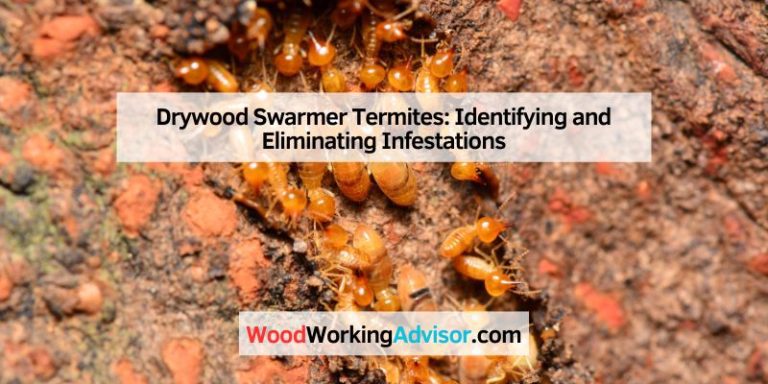
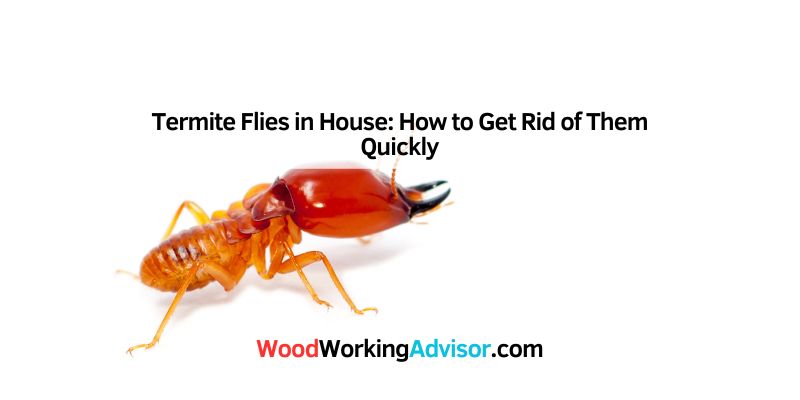
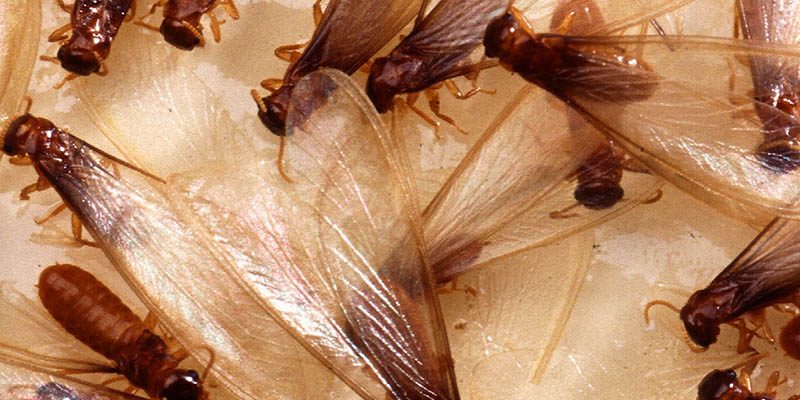
Termite flies, also known as alates, have some distinct features that make them stand out. Here’s how you can recognize them:
- Size: They are usually about 1/4 to 1/2 inch long.
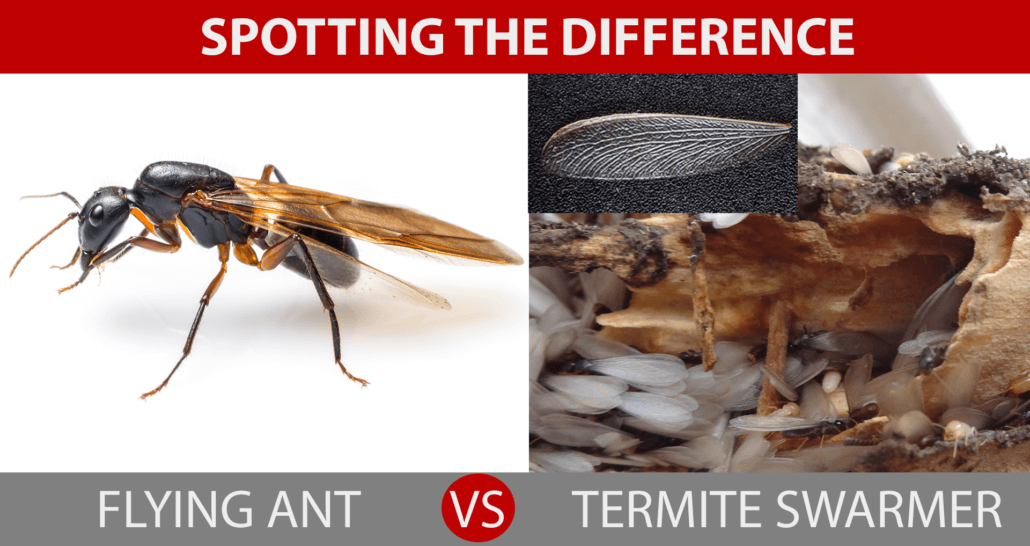
- Wings: They have two pairs of wings that are of equal size and shape.
- Color: Their bodies can be dark brown to black, and their wings are often translucent or slightly milky.
- Antennas: Their antennas are straight and beaded.
These features make termite flies look different from common house insects like ants or flies. Next time you see a flying insect in your house, take a closer look.
Behavior
Understanding their behavior is also key to identifying termite flies. Here’s what you need to know:
- Swarming: Termite flies usually swarm in large numbers, especially after rain.
- Attracted to Light: They are often found near windows and light sources.
- Short Lifespan: They don’t live long after swarming, often dying within a day or two.
- Seeking Mates: Swarming happens when they are looking to mate and start new colonies.
If you notice these behaviors, it’s a good sign that you might be dealing with termite flies. I remember once seeing a bunch of them near my kitchen window. At first, I thought they were just regular flies. But their behavior and appearance gave them away.
Identifying termite flies is the first step in dealing with them. Stay tuned for our next section where we’ll discuss effective ways to get rid of them. You don’t want these tiny invaders making a home out of your home.
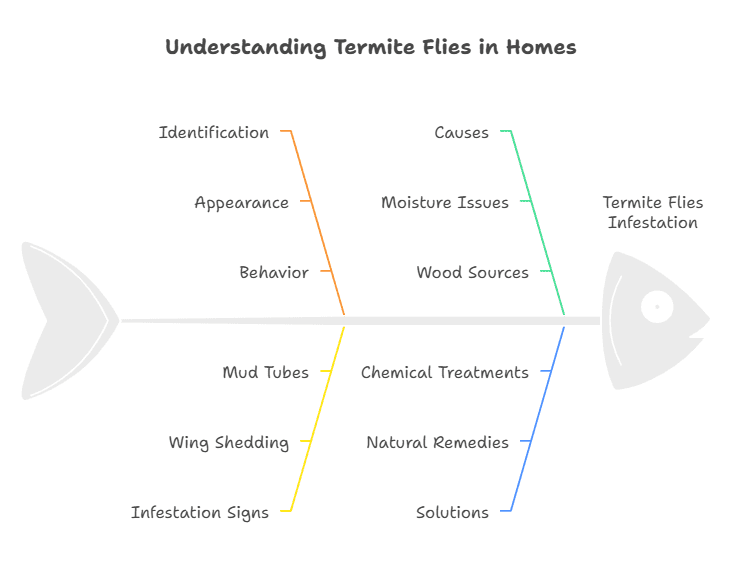
Signs Of Infestation
Termite flies in your house can be a troubling sight. Recognizing the signs of infestation can help you address the problem quickly. Knowing what to look for will help you identify a termite issue early.
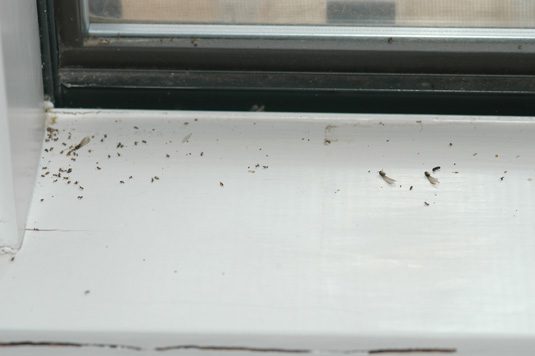
Wing Shedding
Termite flies shed their wings after they mate. You may find small, translucent wings near windowsills or entryways. These wings are a clear sign of termite activity in your home. They often resemble fish scales and can be found in piles.
Mud Tubes
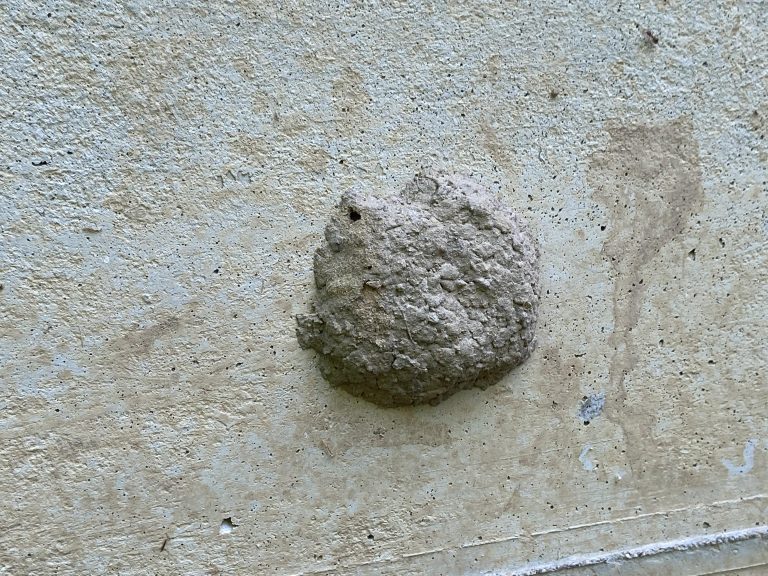
Mud tubes are another common sign of a termite infestation. Termites build these tubes to travel between their colony and food source. You may find them along walls, foundations, or other structures. The tubes are usually brown and about the width of a pencil.
Causes Of Termite Flies
Termite flies, also known as alates, are a common nuisance in many homes. They appear suddenly and can be hard to get rid of. Understanding the causes of termite flies can help prevent an infestation. Two main causes are moisture issues and wood sources.
Moisture Issues
Moisture is a major attractant for termites. They thrive in damp conditions. Leaky pipes, clogged gutters, and poor ventilation create an ideal environment. Standing water around the house also invites termites. Fixing moisture problems can reduce the risk of termite flies.
Wood Sources
Termites feed on wood. Old wooden structures, firewood, and wooden debris attract them. Even small pieces of wood can be a food source. Keeping wood away from the house helps. Storing firewood off the ground can also prevent termites. Regularly inspecting wooden structures is essential.
Credit: www.cannonpestmanagement.com.au
Immediate Actions
Termite flies in your house can be a real nuisance. They can cause damage and create a mess. Immediate actions are crucial to control their spread. Taking quick steps can prevent further infestation.
Sealing Entry Points
First, find where the termite flies are entering your home. Check doors, windows, and cracks. Seal these entry points with caulk or weatherstripping. This stops new flies from getting in. Proper sealing also helps to maintain a pest-free environment.
Removing Infested Wood
Next, identify and remove infested wood from your home. Look for wood that is damaged or hollow. Termite flies love these spots. Replace the infested wood with treated or new wood. This will eliminate the source of the infestation.
Dispose of the infested wood properly. Do not keep it near your home. This prevents termite flies from returning. Keeping your home free of infested wood is a strong preventative measure.
Natural Remedies
Hey friends, today we’re diving into a topic that’s both annoying and fascinating: termite flies in your house. Yes, those pesky creatures can be quite a nuisance. The good news? There are natural remedies to help you tackle this problem without resorting to harsh chemicals. Let’s talk about some simple yet effective solutions you can try at home.
Essential Oils
Essential oils aren’t just for aromatherapy. They can be a great way to get rid of termite flies too. Here’s how you can use them:
- Lavender Oil: Mix a few drops with water in a spray bottle. Spray this mixture around windows, doors, and other entry points.
- Tea Tree Oil: Add a few drops to a cotton ball. Place these cotton balls in areas where you notice termite flies.
- Eucalyptus Oil: Similar to lavender, mix with water and spray in affected areas.
These oils have strong scents that termites hate. Plus, they make your home smell great!
Diatomaceous Earth
Another natural remedy is diatomaceous earth (DE). It’s a powder made from tiny fossilized aquatic organisms. Here’s why it’s effective:
- How it works: DE is abrasive. When termites come into contact with it, it damages their exoskeletons and dehydrates them.
- Application: Sprinkle DE around the baseboards, windowsills, and other areas where you see termite activity.
- Safe for homes: DE is non-toxic to humans and pets, making it a safe option for households.
Just remember to wear a mask while applying DE to avoid inhaling the fine dust.
So there you have it! Simple, natural remedies that can help you keep those termite flies at bay. They are easy to find, easy to use, and safe for your family. Give them a try and let me know how it goes. Until next time, happy pest control!
Chemical Treatments
Hey friends, today we’re diving into the world of termite flies in your house. Pesky, aren’t they? But don’t worry, I’ve got your back. One effective way to deal with these intruders is through chemical treatments. These methods can help you get rid of termite flies and protect your home. Let’s take a closer look at some of the options available.
Insecticide Sprays
First up, insecticide sprays. These are easy to use and can be found in most stores. They work by killing termite flies on contact. Just spray the areas where you see them. Be sure to follow the instructions on the label for the best results.
- Simple to apply
- Quick results
- Available in many stores
However, remember to keep pets and children away from sprayed areas until they are completely dry. Safety first, folks!
Bait Stations
Next, let’s talk about bait stations. These are a bit different but just as effective. You place the bait stations in areas where you have seen termite flies. The flies are attracted to the bait, eat it, and take it back to their colony. This helps to kill more than just the flies you see.
- Set up the bait stations
- Wait for the termite flies to take the bait
- Watch as the problem is reduced
Bait stations take a little longer to work, but they can be more effective in the long run. Patience is key here. Keep an eye on the bait stations and replace them as needed.
So there you have it, two simple chemical treatments for dealing with termite flies in your house. Whether you choose insecticide sprays or bait stations, taking action now can save you a lot of trouble later. Have you tried these methods? Let me know how they worked for you!
Professional Help
Termite flies in the house can be a nuisance and indicate a larger termite problem. Professional help ensures effective and safe removal, protecting your home from damage.
Facing a termite fly problem can be overwhelming. Professional help ensures your home stays safe. Experts know how to handle these pests effectively. They use advanced tools and techniques. Their experience can save you time and money.
Pest Control Services
Pest control services offer targeted treatments for termite flies. They inspect your home thoroughly. They identify the source of the infestation. Then, they apply the right treatments. This can include sprays, baits, and traps. Regular follow-ups ensure the problem is fully resolved.
Extermination Costs
Extermination costs can vary. Factors include the size of the infestation and the treatment method. On average, you might spend between $200 and $800. Some services offer payment plans. This can make the cost more manageable. Investing in professional help can protect your home long-term.
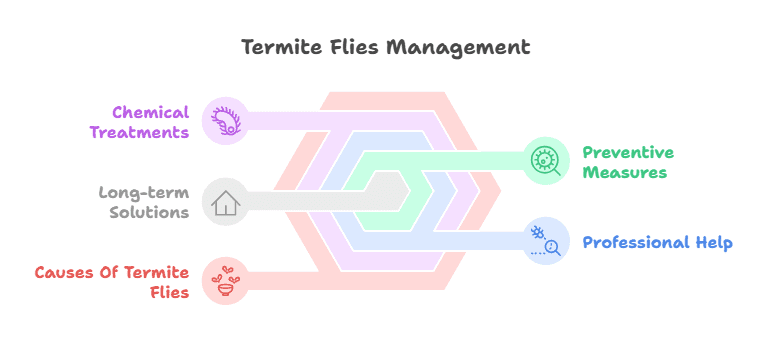
Preventive Measures
Termite flies in your house can be a significant problem. Implementing preventive measures helps keep them at bay. Protect your home by following a few key steps.
Regular Inspections
Regular inspections are crucial. Check your house for signs of termite flies. Look for discarded wings and mud tubes. Inspect wooden structures and furniture. Early detection helps prevent a larger infestation.
Moisture Control
Termite flies are attracted to moisture. Keep your home dry. Fix leaky pipes and faucets. Ensure proper drainage around your house. Use dehumidifiers in damp areas. A dry home is less inviting to termite flies.
Long-term Solutions
Hey there! Tired of dealing with termite flies in your home? I get it. These pesky insects can be a real headache. But worry not! Today, we’ll dive into some long-term solutions to keep those termite flies at bay. We’ll focus on two main strategies: home maintenance and landscaping tips. Ready? Let’s get started!
Home Maintenance
First things first. Keeping your house in good shape is crucial. It’s like giving your home a regular health check-up. Here are some simple, yet effective tips:
- Seal Cracks and Gaps: Termite flies love tiny openings. Check for cracks in walls, windows, and doors. Seal them properly.
- Fix Leaks: Damp areas are termite magnets. Ensure there are no leaks in your plumbing.
- Ventilate Properly: Good airflow helps. Use exhaust fans in bathrooms and kitchens.
- Store Firewood Away: If you have firewood, keep it away from your home. Termites love wood.
Remember, a well-maintained home is less inviting to termite flies. Think of it as making your home less appealing to unwanted guests.
Landscaping Tips
Now, let’s step outside. Your yard can be a haven for termite flies if not managed well. Here are some landscaping tips:
- Trim Trees and Shrubs: Overgrown plants can create a bridge for termites to enter your home. Keep them trimmed.
- Remove Dead Wood: Dead trees or branches are a feast for termites. Clear them out.
- Use Mulch Wisely: Mulch is great, but it can attract termites. Use it sparingly and keep it away from your foundation.
- Ensure Proper Drainage: Water pooling around your home is a no-no. Make sure your yard drains well.
Think of your yard as your home’s first line of defense. Keep it tidy and termite-free.
So, there you have it! These long-term solutions can help keep termite flies away from your home. Keep your house well-maintained and your yard in check. And remember, consistent effort is key. Happy termite-proofing!

Credit: www.altapestcontrol.com
Frequently Asked Questions
How Do I Get Rid Of Termite Flies In My House?
Eliminate termite flies by using insecticide sprays, fixing moisture issues, sealing entry points, and removing infested wood. Contact pest control for severe infestations.
What Causes Flying Termites In Your House?
Flying termites in your house are attracted by light and moisture. They indicate a nearby termite colony looking to expand.
How Long Do Flying Termites Live In A House?
Flying termites typically live in a house for a few days to a few weeks. They swarm, mate, and then die.
Should I Worry About Flying Termites?
Yes, flying termites indicate a potential infestation. They can cause significant damage to wooden structures. Contact a pest control professional immediately.
Conclusion
Tackling termite flies can be challenging, but it’s manageable. Keep your house clean and dry. Regular inspections help spot problems early. Use professional pest control services when needed. Prevention is key; seal cracks and fix leaks. Stay vigilant and act promptly.
Your home will stay safe and termite-free.