Termites vs. Wood Rot: How to Tell Which One You Have
Crumbling or soft wood around a foundation, deck, or window frame gets blamed on termites first, but fungal wood rot causes a huge share of that same damage. The two problems look similar at a glance and need completely different fixes: one is a pest control call, the other is a moisture repair. The good news is that termites and wood rot leave genuinely different physical evidence once you know what to check – which direction the wood is tunneled, whether there’s a smell, and whether the surface stays intact or falls apart in your hand. Here’s how to tell them apart with real diagnostic signs instead of guesswork.
Termites vs. Wood Rot: The Fast Answer
If you only have thirty seconds: termite damage tunnels with the wood grain and often leaves the outer surface looking intact, plus you’ll usually find mud tubes or sand-grain-sized frass pellets nearby. Wood rot cracks across the grain into small cube-shaped chunks, feels soft or spongy under a screwdriver, and almost always carries a musty, earthy smell because it’s fungal decay tied to a moisture source. A pin-type moisture meter settles the question in seconds – rotted wood reads wet (typically above 20% wood moisture equivalent), while active termite tunnels usually don’t.
Best for Confirming Wet vs. Dry Damage
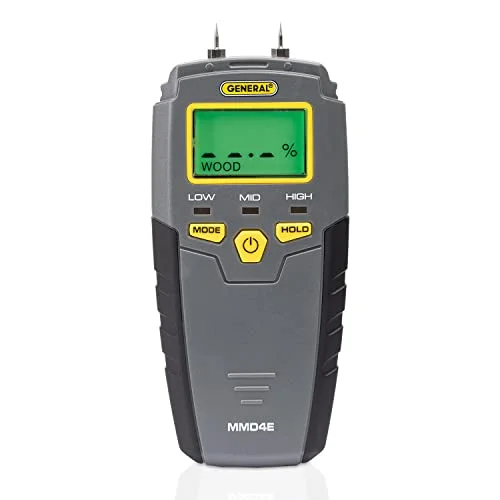 |
General Tools MMD4E Moisture Meter – $39.98 A pin-type meter is the fastest objective way to confirm rot versus termite damage – rotted wood reads wet, active termite tunnels usually don’t.
|
What’s Actually Causing the Damage
Termites are insects. Subterranean termites live in the soil and build mud tubes to reach wood above ground because they need constant contact with moisture; drywood termites nest directly inside the wood itself and don’t need soil contact at all; dampwood termites go after wood that’s already wet, often overlapping with a rot problem. All three eat cellulose, which is the wood’s structural fiber, and they do it as an ongoing, active process – you’re dealing with a live colony, not a static injury.
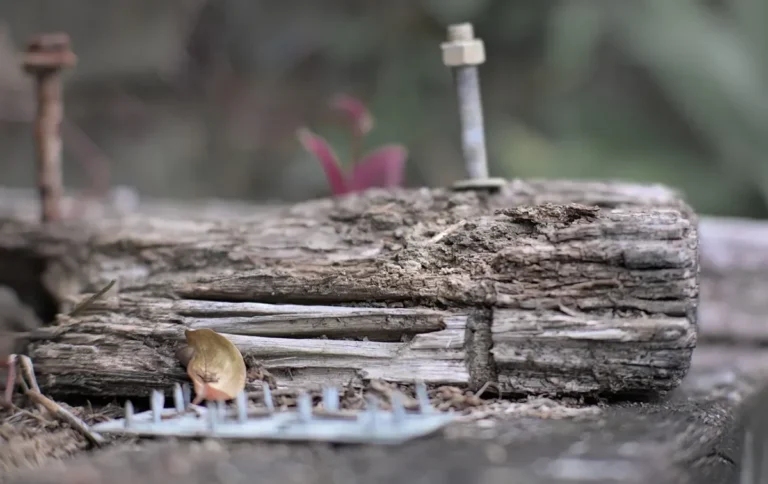
Wood rot is fungal decay, not an insect. Brown rot (often called dry rot once it’s dried out and inactive) breaks down cellulose and hemicellulose, leaving the brittle lignin behind – that’s what produces the crumbly, brown, cube-cracked wood. White rot breaks down lignin as well, which leaves the wood pale, stringy, and spongy rather than cube-shaped. Both need sustained elevated moisture to get established; wood sitting below roughly 20% moisture content generally won’t support active rot fungi, which is exactly why a moisture reading is such a useful confirming test.
The Fastest Test: Which Way the Wood Is Damaged
Cut or pry into the damaged area and look at the direction of the damage relative to the wood’s grain lines – this single check tells you more than color or smell alone.
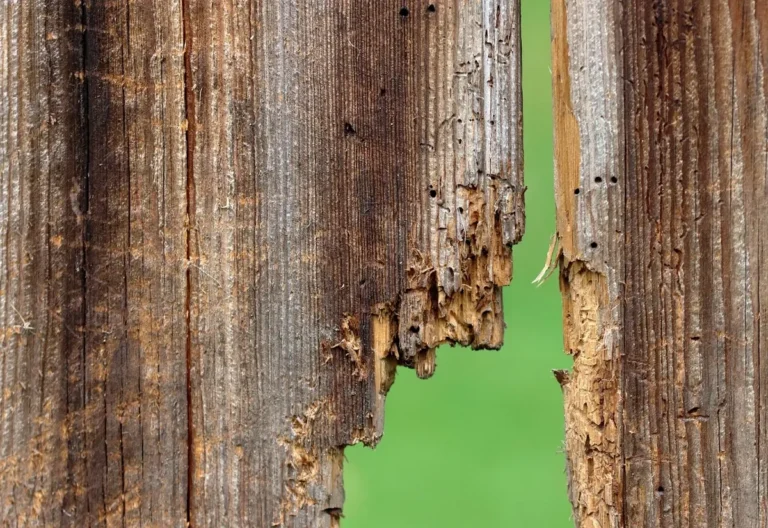
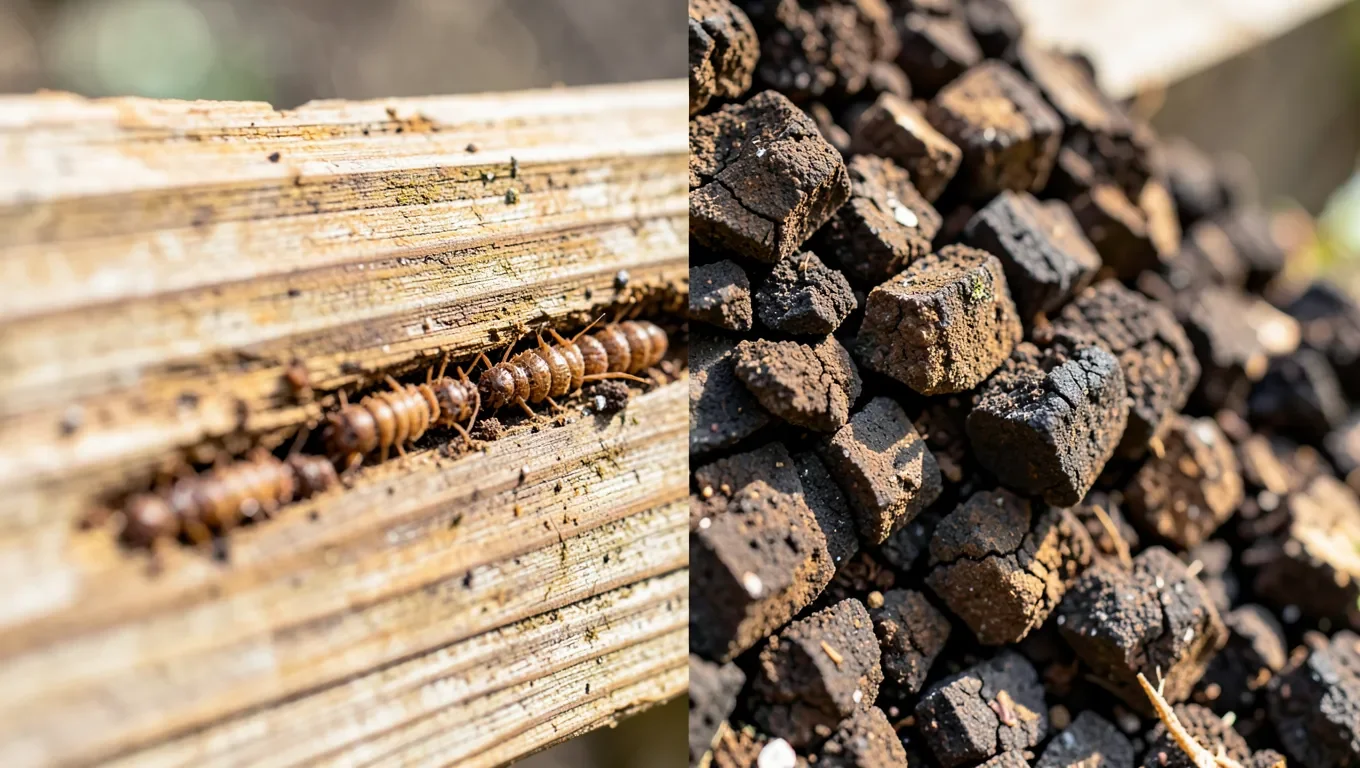
Termites tunnel with the grain, following the softer spring-growth layers of the wood and leaving the harder summer-growth layers as thin walls between galleries. Cut into an active termite gallery and you’ll see long, smooth-walled channels running the same direction as the grain, often packed with mud or fecal pellets (subterranean species) or left clean and hollow (drywood species).
Wood rot cracks across the grain, breaking the wood into a checkerboard of small cubes. This cuboidal cracking pattern is the single most recognizable sign of advanced brown/dry rot – it looks like a dried-up lake bed shrunk down to fit on a board. White rot doesn’t cube the same way; instead it leaves long, stringy fibers that pull apart easily by hand.
Signs of Termite Damage
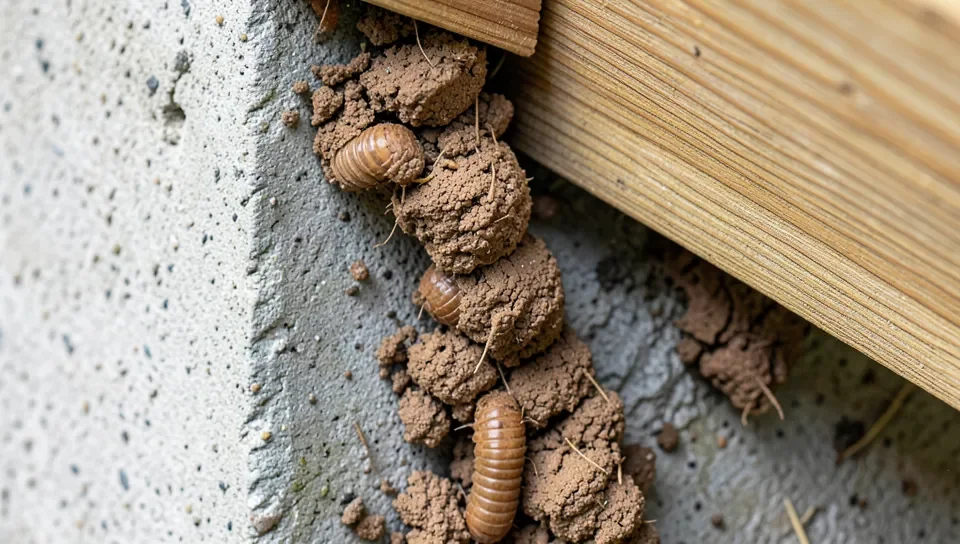
- Mud tubes: pencil-width to finger-width dried mud tunnels running up a foundation, pier block, or crawl space wall – usually 1/4 to 1 inch wide, light to dark brown, and gritty to the touch. These are built by subterranean termites and are one of the clearest signs you’ll find without opening up the wood.
- Frass: tiny, hard, six-sided pellets about the size of a grain of sand, pushed out of small “kick-out” holes by drywood termites and often piled in a small mound underneath. Subterranean termites don’t leave frass – they use their waste to help build their mud tubes instead.
- Hollow sound, intact surface: tap the wood and listen for a hollow or papery sound. Because termites eat from the inside out, the painted or finished surface can look completely normal right up until it’s structurally compromised.
- Dry at the tunnel: unlike rot, active termite galleries usually don’t feel wet to the touch – subterranean species bring moisture in through their mud tubes rather than needing the wood itself to be saturated.
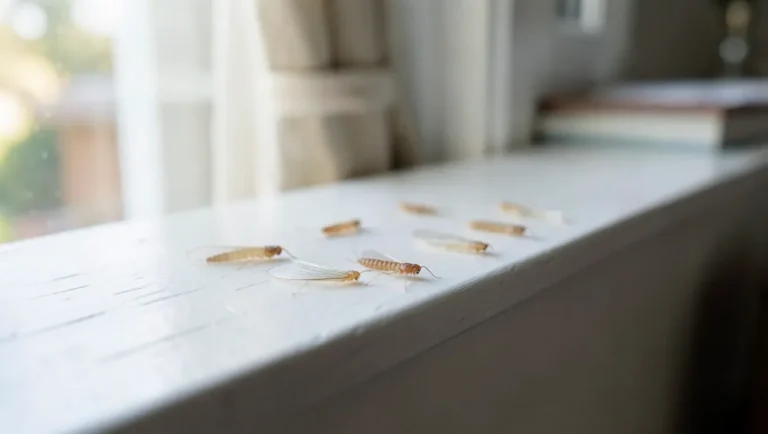
- Discarded wings: after a termite colony swarms to establish a new nest, you may find small, uniform, translucent wings shed near windowsills or light fixtures.
Signs of Wood Rot
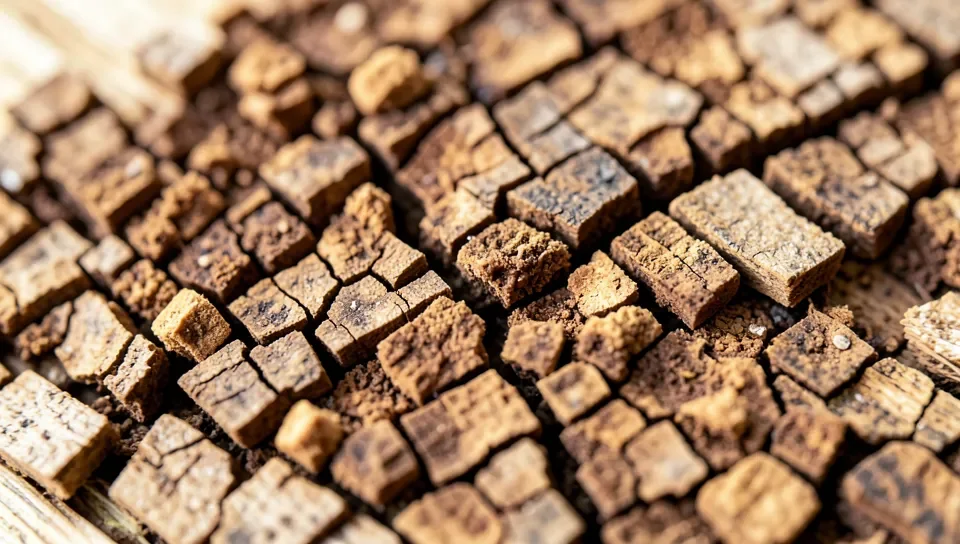
- Cuboidal cracking: the wood splits into small cube-shaped chunks across the grain, the classic visual signature of brown/dry rot.
- Musty, earthy smell: a distinct fungal odor that termite damage never produces – if you smell dampness or mildew near the damaged wood, that’s a strong point toward rot.
- Soft or spongy texture: press a screwdriver or awl into the wood. Rotted wood compresses easily or crumbles; sound wood resists. White rot in particular can feel stringy and pull apart in fibers rather than crumbling into cubes.
- Discoloration: brown rot darkens and browns the wood; white rot bleaches it pale and gives it a stringy, bleached-out look.
- A moisture source nearby: rot almost always traces back to a leaking roof, missing flashing, poor grading, a plumbing leak, or condensation – check window frames, roof seams, deck ledger boards, and areas below plumbing fixtures first.
- A wet moisture-meter reading: sustained readings above roughly 20% wood moisture equivalent are what let rot fungi establish in the first place – a meter reading is the most objective single confirmation you can get without lab testing.
Termites vs. Wood Rot: Side-by-Side Comparison
| Sign | Termite Damage | Wood Rot |
|---|---|---|
| Cause | Insects (subterranean, drywood, or dampwood termites) | Fungal decay (brown/dry rot or white rot) |
| Damage direction | Tunnels with the grain | Cracks across the grain (cuboidal) |
| Texture | Hollow inside, surface often intact | Soft, spongy, or crumbly throughout |
| Smell | None distinctive | Musty, earthy odor |
| Moisture | Wood usually feels dry at the damage | Wood reads wet, above ~20% WME |
| Visible evidence | Mud tubes, frass pellets, shed wings | Discoloration, cube-shaped cracking |
| Confirm with | Visual inspection, pest control probe | Pin-type moisture meter |
Can You Have Both at the Same Time?
Yes, and it’s more common than most homeowners expect. Wet, rotted wood is softer and easier to tunnel through, and it’s actually more attractive to subterranean termites because they need moisture too – a chronic leak or poor grading can produce both problems from the same root cause. When that happens, fixing the moisture source stops the wood rot from spreading, but it does nothing about an established termite colony; you still need pest control for that half of the problem. Finding one doesn’t rule out the other, so if you’ve confirmed rot, it’s still worth checking for mud tubes or frass nearby, and vice versa.
What to Do Once You Know Which One You Have
If you’ve found mud tubes, frass, or hollow-sounding wood with no obvious moisture source, that points to termites – call a licensed pest control operator rather than just replacing the damaged wood, since the colony itself is what needs treating. Borate-based wood treatments can help protect new or replacement lumber going forward, but they won’t eliminate an active infestation on their own.
If the wood reads wet, smells musty, and cracks into cubes, that’s rot – find and fix the moisture source first (a leaking gutter, missing flashing, or poor drainage), because repairing the wood without stopping the water just means the same section will rot again. For small pockets of decay in an otherwise sound structural member, an epoxy consolidant-and-filler repair can work; our wood rot epoxy repair guide walks through that process. For a beam or sill plate with extensive cuboidal cracking, full replacement is usually the safer call.
Either way, if the affected wood is load-bearing – a sill plate, joist, or structural post – get a professional inspection before deciding on a repair versus replacement, since both termite tunneling and advanced rot can hollow out far more of the wood’s strength than the surface damage suggests.
Frequently Asked Questions
Can I tell termite damage from wood rot just by looking at it?
Often yes, if you check the right details. Look for mud tubes or frass pellets (termites) versus musty smell or cube-shaped cracking (rot). If it’s still unclear, a moisture meter reading is the fastest objective test – rotted wood reads wet, termite-damaged wood usually doesn’t.
Does wood rot spread to other wood the way termites do?
Rot fungi can spread to adjacent wood as long as the moisture that supports them is present, but unlike a termite colony, rot has no independent way to travel once its wood dries out below roughly 20% moisture content. Fixing the moisture source effectively stops it.
How often should I check for termites and wood rot?
An annual inspection is a reasonable baseline, and it’s worth checking sooner in high-humidity regions, after any roof or plumbing leak, or if you notice discoloration, softness, or a musty smell in any exterior wood.
What’s the best way to prevent wood rot?
Control moisture at the source: fix leaks promptly, keep gutters and downspouts clear, grade soil away from the foundation, and make sure crawl spaces and attics are properly ventilated. Sealed or treated wood in high-exposure spots like deck ledgers and sill plates also helps.
How do I know if termite treatment actually worked?
Watch for a stop in new mud tube construction, no fresh frass accumulating, and no swarmers appearing during swarm season. Most pest control companies also schedule a follow-up inspection to confirm the colony is gone rather than just relying on visible signs alone.
Final Thoughts
The fastest way to separate termite damage from wood rot is to check which direction the damage runs and whether the wood is wet. Termites tunnel with the grain and leave dry, often surface-intact wood behind; wood rot cracks across the grain into cubes, feels soft, and is always tied to a moisture problem. Mud tubes and frass point to termites and a pest control call; a musty smell and a wet moisture-meter reading point to rot and a moisture fix. If you’re still narrowing down whether what you’re looking at is even termite activity in the first place, our full guide to identifying termite damage signs covers that piece in more depth. Either problem is manageable once you know which one you’re actually dealing with – the mistake to avoid is treating one like the other.
Sponsored / affiliate links. As an Amazon Associate I earn from qualifying purchases. I may earn additional commission from eligible campaigns.