Termite Nest on Wall: Effective Solutions to Protect Your Home
Discovering a termite nest on your wall can be alarming. These tiny pests can cause significant damage if left unchecked.
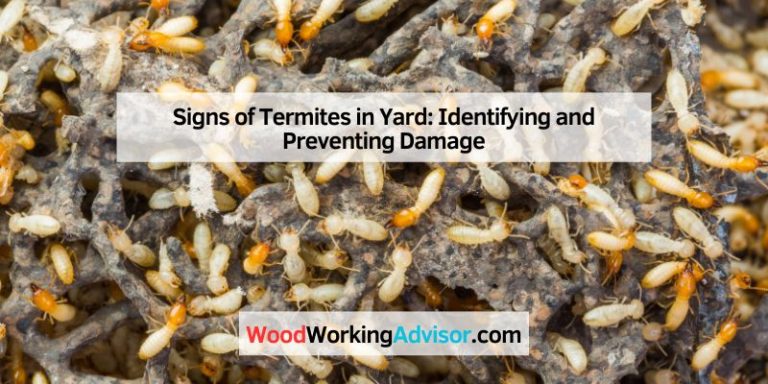
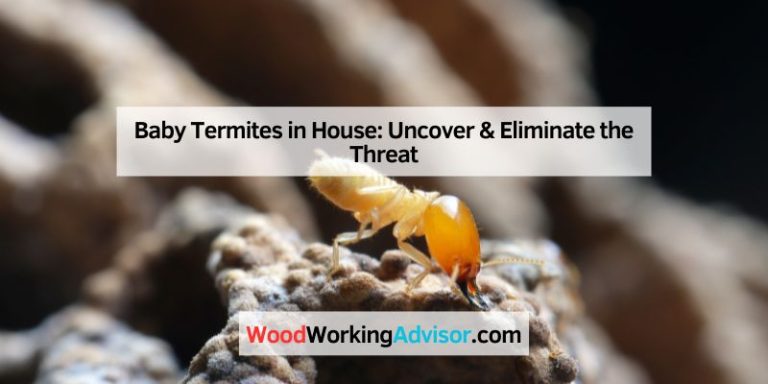
Termites thrive in hidden spaces, and walls provide the perfect environment for them. They work silently, often going unnoticed until the damage becomes severe. A termite nest on your wall is a serious problem, as it can weaken the structure of your home.
It’s important to understand what to look for and how to deal with it promptly. In this blog post, we’ll explore the signs of termite infestation, the damage they can cause, and effective ways to remove them. By the end, you’ll know how to protect your home from these destructive insects. Let’s dive in and take the first step towards a termite-free home.
Identifying Termite Nests
Hey friends, today we’re diving into a topic that might make your skin crawl a bit – identifying termite nests on walls. Termites can be sneaky little creatures. They often hide in plain sight, causing damage before you even notice them. But don’t worry. By learning how to identify these pests, you can protect your home and avoid costly repairs.
Signs Of Infestation
So, how do you know if termites have moved into your walls? Look out for these telltale signs:
- Mud Tubes: Termites build these tiny tunnels on walls, often near the foundation. They use them to travel and stay moist.
- Hollow Sounding Wood: Tap on your walls. If it sounds hollow, termites might be munching away inside.
- Discarded Wings: Swarming termites shed their wings. Check your window sills or floors for these small, translucent pieces.
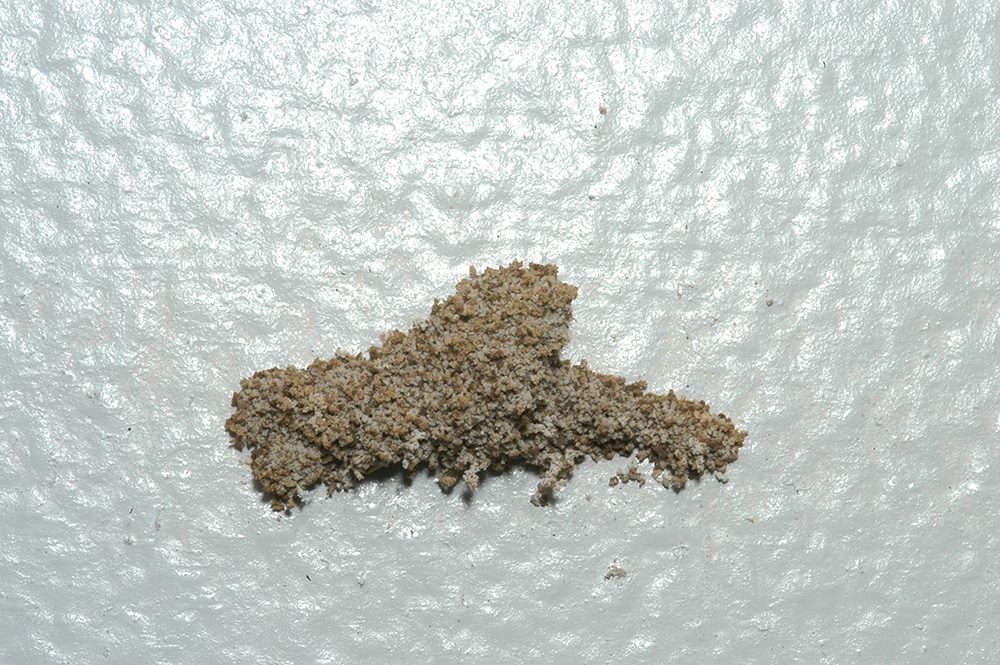
- Frass: Termite droppings look like tiny wood-colored pellets. If you see these, it’s a sign they are nearby.
Common Nest Locations
Termites aren’t picky about where they set up home. However, they do have some favorite spots:
- Walls: Especially those with wooden studs or drywall. Termites can easily burrow through these materials.
- Foundation: The base of your home is a common entry point. It’s close to the ground and often moist, a termite’s paradise.
- Attics: Believe it or not, termites can get up there too. They love the wooden beams and insulation materials.
- Bathrooms: The moisture and warmth make bathrooms a perfect nesting ground.
By keeping an eye out for these signs and knowing where termites like to nest, you can stay one step ahead. It’s like playing a game of hide and seek, but you have the advantage. Stay vigilant, and your home will thank you.
Risks Of Termite Infestation
Termite infestations pose serious risks to homes. These tiny pests can cause substantial damage if left unchecked. Understanding the dangers can help in preventing severe consequences. Here, we discuss the significant risks of termite infestation.
Structural Damage
Termites feed on wood. They can weaken the structure of your home. This can lead to costly repairs. Walls, floors, and ceilings can become unstable. Termite nests can cause wood to crumble. Structural damage is a major concern with termite infestations.
Health Concerns
Termites themselves are not harmful to humans. But their nests can create health issues. Mold and fungi often grow in termite nests. These can cause allergic reactions. Mold spores can trigger asthma and respiratory problems. Keeping homes termite-free is crucial for health.
Preventing Termite Infestation
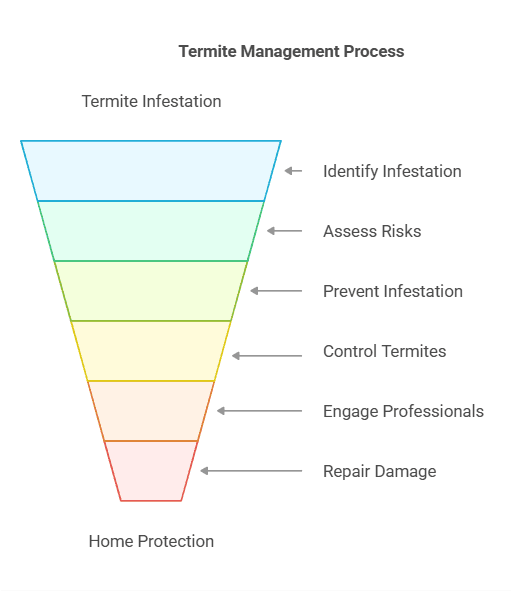
Termite nests on walls can be a homeowner’s worst nightmare. These tiny pests can cause big damage if not dealt with promptly. But, the good news? You can stop them before they start. Let’s look at some simple steps to keep your home safe from these sneaky invaders.
Moisture Control
Termites love moisture. It’s like candy to them. So, keeping your home dry is key. Here’s how:
- Fix leaks: Check for leaks in the roof, pipes, and walls. Repair them quickly.
- Ventilation: Good airflow keeps things dry. Use fans or vents in places like basements and attics.
- Gutters: Clean them regularly. This stops water from pooling around your home’s foundation.
Regular Inspections
Think of inspections like a doctor’s check-up for your home. Regular checks can spot problems early. Here’s what to do:
- Look for signs: Mud tubes, droppings, and hollow wood are red flags.
- Check outside: Walk around your home. Look at the foundation and walls for any signs of termites.
- Professional help: Once a year, get a pro to inspect your home. They know what to look for.
Preventing termite infestation is easier than you think. With a little effort, you can keep your home safe and sound. I recently had a friend who found termites in their wall. They followed these steps and avoided major damage. So, start today and protect your home from these tiny terrors.

Credit: www.reddit.com
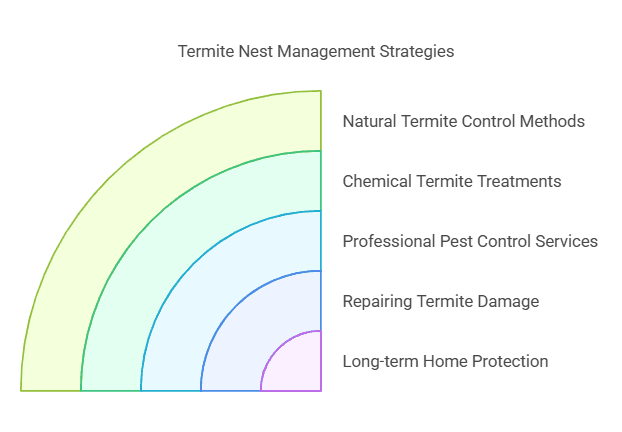
Natural Termite Control Methods
Discover natural methods to handle termite nests on walls. Use essential oils like orange or neem oil for non-toxic control. Introducing beneficial nematodes can also help eliminate termites effectively.
Termites can cause significant damage to walls. Natural methods can help control them. These methods are safe and environmentally friendly. They can be effective without harsh chemicals.
Beneficial Nematodes
Beneficial nematodes are tiny worms. They are natural predators of termites. They enter termite bodies and release bacteria. This kills the termites from the inside.
Nematodes are easy to apply. Mix them with water and spray on the affected area. They are safe for humans and pets.
You can buy nematodes online or at garden stores. They are a natural and effective termite control method.
Essential Oils
Essential oils can repel termites. They disrupt the termites’ ability to communicate. This makes it hard for them to build nests.
Orange oil is a popular choice. It contains d-limonene, which kills termites on contact. Mix orange oil with water and spray it on the nest.
Another effective oil is neem oil. It disrupts termite growth and reproduction. Apply neem oil to the affected areas for best results.
Clove bud oil can also be used. It is toxic to termites and repels them effectively. Mix a few drops with water and spray it on termite-infested areas.
Using essential oils is a natural way to control termites. They are safe and easy to use.
Chemical Termite Treatments
Dealing with a termite nest on your wall can be challenging. Chemical termite treatments offer an effective solution to eradicate these pests. These treatments are designed to target and eliminate termites directly, ensuring your home remains safe and secure.
Termiticides
Termiticides are liquid chemicals applied to soil or structures. They create a barrier that termites cannot cross. This method is effective in killing existing termites. It also prevents new infestations. Professionals use specialized equipment to apply termiticides. This ensures thorough coverage and maximum effectiveness.
Baiting Systems
Baiting systems use poisoned bait to attract termites. The bait stations are placed around your home. Termites consume the bait and carry it back to their colony. This method targets the entire colony, not just individual termites. It provides a long-term solution to termite problems. Baiting systems are less invasive and safer for pets and humans.
Professional Pest Control Services
Termite nests on walls can cause serious damage. They weaken the structure of your home. This is where professional pest control services come in. Experts have the knowledge and tools to handle termite infestations efficiently. They ensure your home remains safe and sound. Let’s dive into more details about when to call a professional and how to choose the right pest control company.
When To Call A Professional
Spotting a termite nest on your wall is a clear sign. Call a professional immediately. Termites work fast. Delaying can lead to extensive damage. If you see mud tubes or hollow wood, it’s time to act. Professionals can assess the situation accurately. They will provide a suitable solution. Early intervention is key to preventing severe damage.
Choosing A Pest Control Company
Choosing the right pest control company is crucial. Look for licensed and certified professionals. Check their experience and reputation. Read reviews and ask for references. Ensure they use safe and effective treatments. Ask about their methods and guarantees. A good company will offer a clear plan and follow-up services. They will communicate clearly and answer all your questions. Your home deserves the best protection.
Repairing Termite Damage
Termite infestations can leave significant damage to your walls. Repairing termite damage is a crucial step in maintaining your home’s integrity. This guide will help you assess and repair the damage caused by these destructive insects.
Assessing Damage
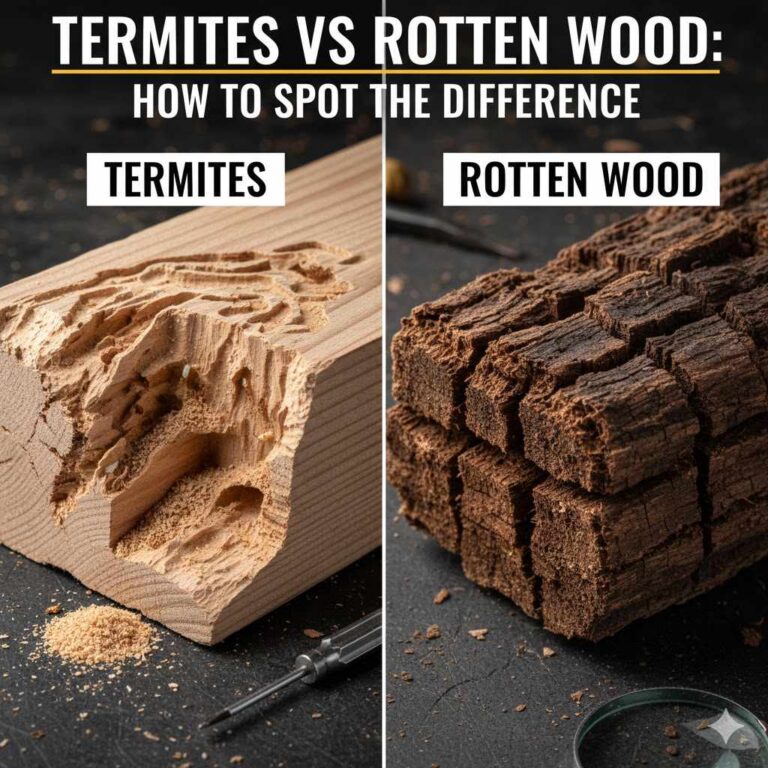
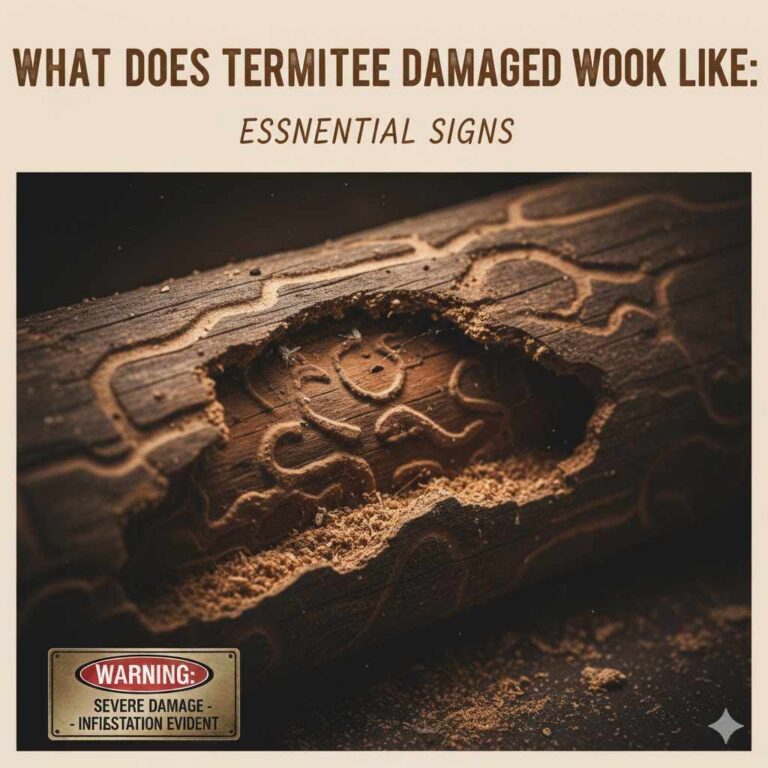
Begin by inspecting the affected areas thoroughly. Look for signs like hollow-sounding wood, small holes, or mud tubes. Check the extent of the damage to understand how much repair is needed. Use a flashlight to see inside cracks and crevices.
Probe the wood with a screwdriver. If it feels soft or crumbles, termites have damaged it. Note down all affected areas for a comprehensive repair plan.
Repair Techniques
Once you have assessed the damage, it’s time to start repairs. For minor damage, use wood fillers. These fillers can be applied directly to the holes and gaps. Allow the filler to dry, then sand it smooth.
For more severe damage, remove and replace the damaged wood. Cut out the affected sections using a saw. Replace them with new, treated wood to prevent future infestations. Secure the new wood with nails or screws.
For structural damage, consult a professional. They can ensure the repairs are safe and effective. Always apply a fresh coat of paint or sealant to protect the repaired areas.
Credit: www.reddit.com
Long-term Home Protection
Long-term home protection against termites ensures a safe living environment. Termites can cause severe damage if not addressed promptly. By following preventive measures and maintaining your home, you can safeguard it effectively.
Preventive Measures
Seal any cracks or gaps in your walls. Termites can enter through the smallest openings. Regularly inspect your home’s foundation for signs of termite activity. Use termite-resistant materials during any construction or renovation.
Keep wood piles and debris away from your home’s exterior. Termites are attracted to wood and can easily migrate from these sources to your home. Ensure proper drainage around your home to prevent moisture buildup. Termites thrive in damp environments.
Home Maintenance Tips
Regularly check and maintain your home’s plumbing. Leaks can create the perfect environment for termites. Keep your gutters clean and free from debris. Clogged gutters can lead to water damage and attract termites.
Trim back any plants or trees that touch your home. Vegetation can act as a bridge for termites. Store firewood at least 20 feet away from your home. Elevated firewood storage is better to avoid termite infestation.

Credit: hawxpestcontrol.com
Frequently Asked Questions
Should I Destroy A Termite Nest?
Yes, destroy a termite nest immediately to prevent damage. Consult a professional pest control service for effective removal.
How Do You Get Rid Of Termites In The Wall?
Eliminate termites in the wall by using a professional exterminator. Apply termiticide, set up bait stations, or use borate treatments. Regular inspections and maintaining dry conditions can prevent infestations.
Do Termites Build Nests On Walls?
Yes, termites can build nests on walls. They often create mud tubes for protection and access to food sources.
What Are Signs Of Termites In Walls?
Signs of termites in walls include hollow-sounding wood, faint lines or grooves, small holes, and discarded wings. You may also notice mud tubes or droppings.
Conclusion
Eliminating a termite nest on your wall is crucial. These pests can cause significant damage. Act quickly to protect your home. Regular inspections help spot issues early. Professional pest control can provide effective solutions. Simple preventive measures can also help.
Keep your home safe and termite-free. Remember, early detection is key. Safeguard your investment today.