Tools for Splitting Firewood: Essential Gear Guide
Imagine the satisfying crack of a log splitting perfectly in two. There’s nothing quite like the smell of fresh firewood and the warmth it brings to your home.
If you’re looking to make this process easier and more efficient, you’re in the right place. Splitting firewood doesn’t have to be a backbreaking chore. With the right tools, you can transform this task into an enjoyable, even meditative activity.
Whether you’re an experienced woodsman or a beginner, having the right equipment can save you time and energy. We’ll explore the essential tools that will make your firewood splitting experience smoother and more rewarding. Ready to discover the secret to effortless wood splitting? Let’s dive in and find the perfect tools for you.
Axes And Mauls
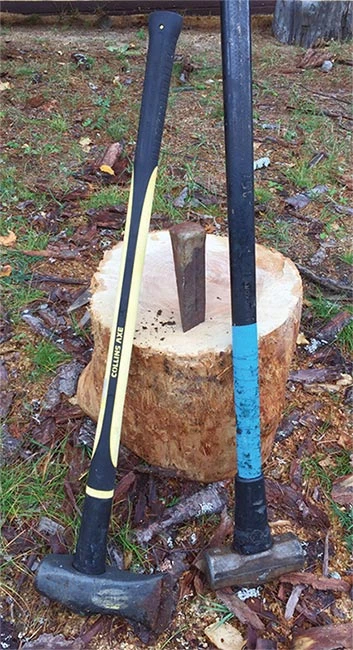
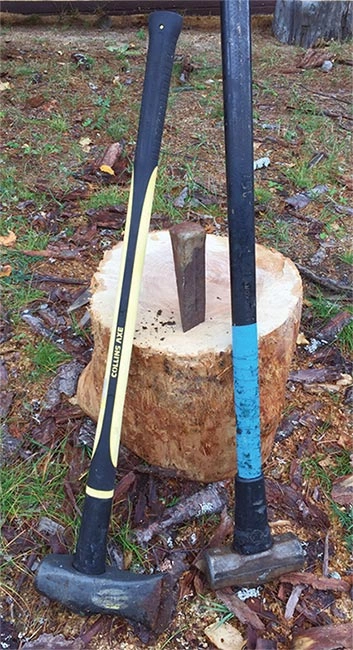
The right axe makes chopping wood easier. Axes come in different sizes and weights. A lightweight axe is good for small pieces of wood. A heavy axe is for big logs. Check the handle. It should feel comfortable in your hands. Wood handles are classic but can break. Fiberglass handles are strong and last longer. Always keep your axe sharp. A sharp axe cuts wood better.
Mauls are bigger than axes. They have a wedge-shaped head. This shape helps split wood easily. Mauls are good for tough logs. Their weight gives more force to each swing. A maul’s handle is longer. This helps in swinging with more power. Using a maul can be less tiring over time. It does more work with less effort. Choose a maul for large firewood tasks.
Splitting Wedges
Wedges help split logs into smaller pieces. The basic wedgeis like a triangle. It is heavy and made of metal. Another type is the diamond wedge. It has four sides and splits wood faster. Then there is the cone wedge. It is round and digs deep into wood.
Place the wedge on the wood’s end. Tap it with a hammer or a mallet. Use short taps at first. Increase the force gradually. As the wedge goes deeper, the wood splits. Be careful with your hands. Safety is important. Watch where you stand. Keep kids away from the area. Wear gloves for protection. Use goggles for eye safety. Working smart is better than working hard.
Credit: www.homedepot.com
Log Splitters
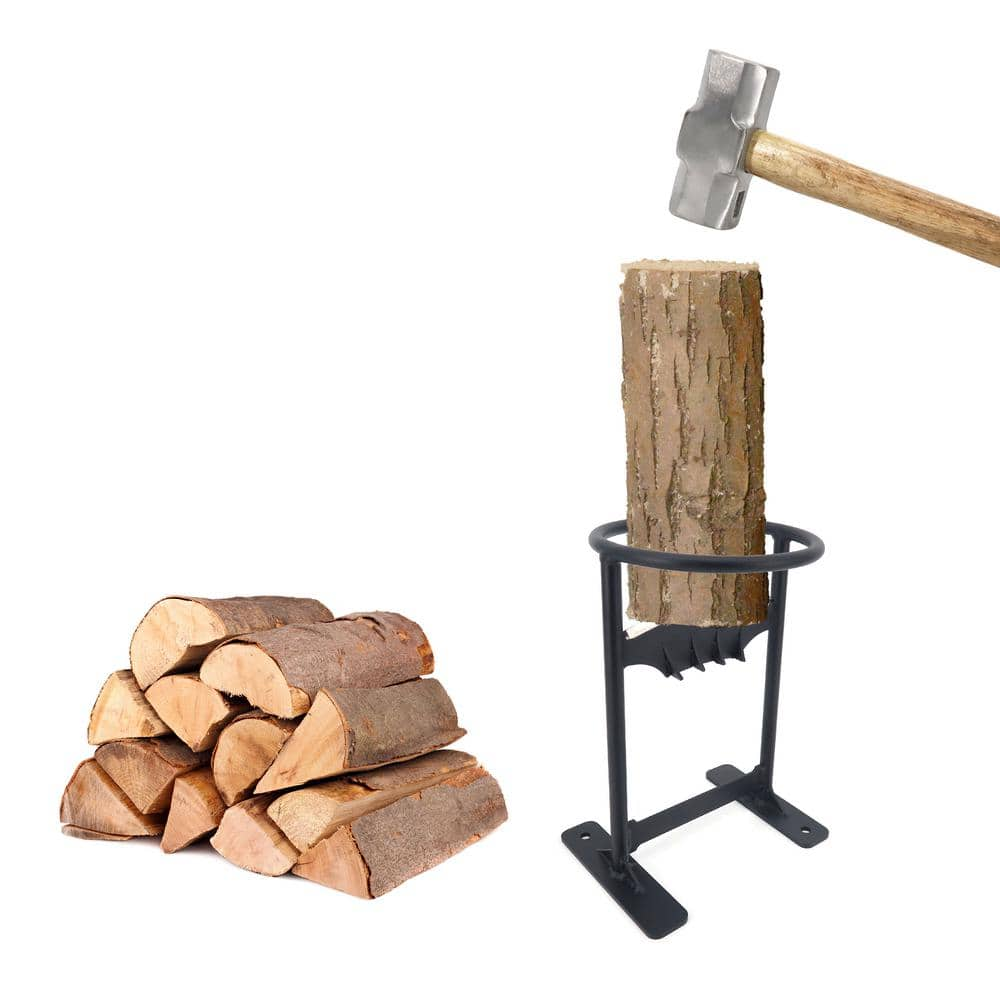
Manual log splittersneed human power to work. You place the log and then pull or push the lever. These splitters are quietand do not use electricity or gas. They are good for small jobs. They are also cheap and easy to carry. But they can be hard to use with big logs.
Electric log splitters use power from a wall plug. They are easy to startand work fast. They are cleanand do not make much noise. Electric splitters are good for medium jobs. They need a plug nearby to work.
Gas-powered log splitters are very strong. They are good for big logs and heavy jobs. These splitters can be used anywhere because they do not need a plug. They are very powerfulbut can be loud and need gas to work.
Safety Gear
Splitting firewood can be risky. Wearing protective clothingis important. You need a strong jacket. It protects your arms and body. Long pants are good too. They keep your legs safe. Durable boots are a must. They protect your feet from falling wood. Make sure your clothes fit well. Loose clothing can catch on tools.
Safety glassesshield your eyes. Wood chips can fly everywhere. Glasses prevent injuries. Gloves are also essential. They keep your hands safe. Splinters can hurt a lot. Gloves help you grip tools better. Choose gloves that fit snugly. Loose gloves can be dangerous. Safety gear keeps you protected. Always wear your gear.
Maintenance Tools
Keeping tools sharp is very important. Sharp tools make work easy and safe. Use a sharpening stone for axes and hatchets. A file works well for saws. Always follow the tool’s angle while sharpening. It helps maintain the tool’s shape. Check for any nicks or chips. Smooth them out carefully. Never rush. Take your time to do it right.
Regular checks keep tools in good shape. Look for rust and dirt. Clean tools after every use. Oil the metal parts to prevent rust. Store tools in a dry place. Moisture can damage them. Tighten any loose handles or screws. A loose handle is dangerous. Check for cracks or splits. Replace broken parts quickly. This keeps your tools ready for the next job.
Credit: northernwoodlands.org
Choosing Wood For Splitting
Oakis a hard wood. It burns long and hot. Mapleis another tough choice. It’s strong and dense. Pineis soft and easy to split. But it burns quickly. Birch has a smooth bark. It’s easy to handle.
Each wood type has its own traits. Some are hard, others soft. Choose based on your needs. Hard woods last longer. Soft woods ignite faster. Consider these traits before splitting.
Seasoned woodis dry. It burns well and gives more heat. Green woodis fresh cut. It’s wet and hard to burn. Seasoned wood is lighter to carry. Green wood is heavier. Drying wood makes it seasoned. This takes time and patience.
Always check moisture before use. Dry wood cracks when hit. Wet wood is tough. Choose wisely for easy splitting.
Tips For Efficient Splitting
Using the right technique makes splitting firewood easier. Hold the axe with both hands. Keep your feet apart. Aim for the center of the log. Swing the axe with a firm grip. Let the weight of the axe do the work. Practice helps you get better. Stay focused and be safe.
Stacking firewood needs care. Make sure logs are dry. Place logs off the ground. This keeps them dry and safe. Stack logs neatly. Leave space for air to move. Airflow helps wood dry faster. Cover the top to protect from rain. Check the stack often. Avoid bugs and mold. Dry wood burns best.

Credit: m.youtube.com
Frequently Asked Questions
What Are Essential Tools For Splitting Firewood?
Essential tools include a splitting maul, axe, and wedge. A splitting maul is heavy-duty and ideal for tough logs. An axe is lighter and suitable for smaller wood. A wedge is used with a sledgehammer to split larger logs. These tools ensure efficient and safe firewood splitting.
How Do You Choose A Splitting Maul?
Consider weight, handle length, and head material. Heavier mauls provide more force but require strength. Longer handles offer better leverage. Choose durable materials like steel for the head and fiberglass for the handle. These features ensure efficient and safe firewood splitting.
Why Use A Log Splitter Over An Axe?
Log splitters offer speed and efficiency, reducing physical effort. They are ideal for large quantities of wood. Unlike an axe, a log splitter can handle tougher, knottier logs with ease. Investing in a log splitter can significantly save time and energy in splitting firewood.
Can A Chainsaw Be Used For Splitting Firewood?
A chainsaw is not ideal for splitting. It’s primarily for cutting logs into sections. Splitting requires tools like a maul or axe. Chainsaws can be used for bucking, but splitting tools are necessary for dividing logs along the grain. Proper tools ensure safe and efficient firewood preparation.
Conclusion
Choosing the right firewood tools makes the job easier. Axes, mauls, and wedges offer different benefits. Axes are great for small logs. Mauls handle tougher wood. Wedges help split big pieces. Manual tools keep costs low. Electric splitters save time and energy.
Each tool suits different needs. Safety gear is essential. Gloves and goggles protect you. Proper technique prevents injuries. Maintain your tools for longevity. A sharp blade works better. Splitting firewood feels rewarding. Enjoy the warmth of your hard work.