Treated Wood Menards: Durability Meets Affordability
Treated wood at Menards is specially treated to resist decay and insect damage. It is ideal for outdoor projects like decks and fences.
Treated wood is a popular choice for various construction projects due to its durability and resistance to environmental factors. Menards offers a wide selection of treated lumber, catering to both DIY enthusiasts and professional builders. This type of wood undergoes a chemical treatment process, enhancing its longevity and making it suitable for outdoor applications.
Whether you need materials for a new deck, fence, or landscaping, treated wood provides the strength and resilience required for lasting results. Choosing the right type of treated wood ensures your projects withstand the test of time while maintaining their aesthetic appeal. Menards simplifies the shopping experience with quality options and competitive pricing.
Introduction To Treated Wood Menards
Treated wood from Menards offers durability and reliability. It’s perfect for outdoor projects. This wood resists rot, insects, and harsh weather. Homeowners and builders trust Menards for their quality products. Let’s explore the benefits and features of treated wood.
Affordable Quality For Building Projects
Treated wood at Menards provides great value. It combines quality with affordability. Here are some key points about it:
- Cost-effective solution for outdoor structures.
- Available in various sizes and types.
- Ideal for decks, fences, and landscaping.
Menards sources its wood responsibly. This means better quality and sustainable practices. The treated wood meets industry standards. Customers can trust its performance.
Preserving Wood For Longevity
Treated wood is designed to last longer. The treatment process protects the wood from damage. Here are some benefits:
| Benefit | Description |
|---|---|
| Insect Resistance | Prevents termite and beetle damage. |
| Rot Resistance | Withstands moisture and decay. |
| Weather Durability | Holds up against rain, snow, and sun. |
Using treated wood means less maintenance. This saves time and money. Investing in treated wood ensures beautiful and lasting projects.
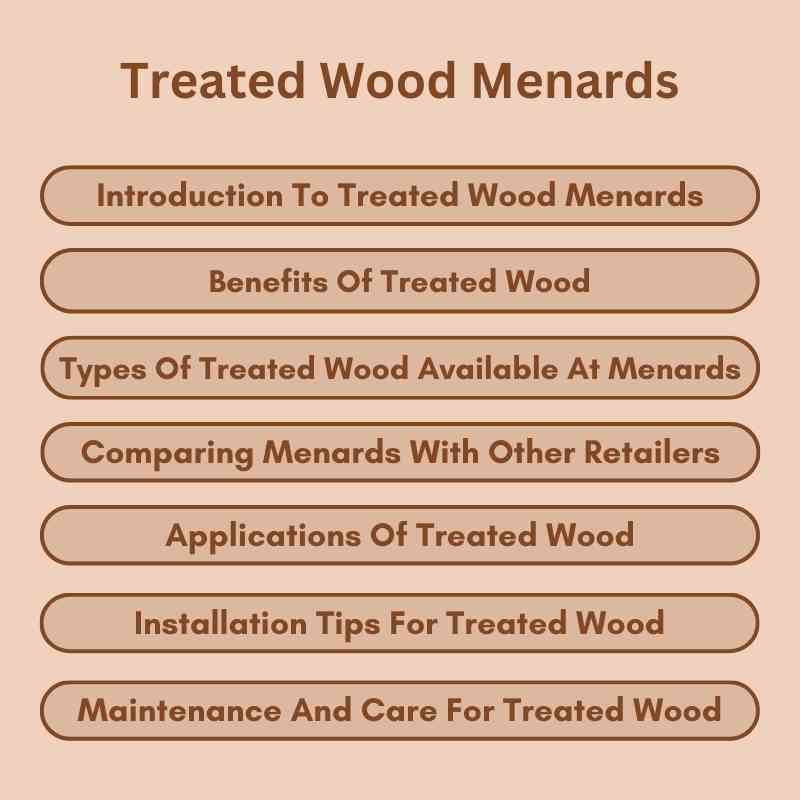
Benefits Of Treated Wood
Treated wood offers numerous advantages for construction projects. Its special treatment provides enhanced protection. This makes it an excellent choice for outdoor structures. Below are some key benefits of treated wood.
Enhanced Durability Against Elements
Treated wood excels in durability. It withstands harsh weather conditions effectively. Here are some benefits:
- Water Resistance: Treated wood repels moisture. This reduces the risk of rot.
- Insect Protection: Chemicals used in treatment deter pests. This prevents infestations.
- Mold Resistance: Treated wood resists mold growth. This keeps structures clean and safe.
These features ensure that structures made from treated wood last longer. Homeowners enjoy peace of mind with this reliable material.
Cost-effective Material For Construction
Treated wood is a budget-friendly option. It offers great value for money. Here’s why:
| Feature | Cost-Effective Benefit |
|---|---|
| Long Lifespan | Reduces replacement costs over time. |
| Low Maintenance | Fewer repairs save money. |
| Availability | Widely available at competitive prices. |
Choosing treated wood can lead to significant savings. It combines affordability with long-lasting performance. Many builders prefer it for various projects.
Types Of Treated Wood Available At Menards
Menards offers a variety of treated wood options. These woods are designed to resist decay, insects, and fire. Selecting the right type is essential for your project. Here are the main categories of treated wood you will find at Menards.
Pressure-treated Lumber
Pressure-treated lumber is a popular choice for outdoor projects. This wood is infused with chemicals to resist moisture and pests. Here are key features of pressure-treated lumber:
- Ideal for decks, fences, and outdoor furniture.
- Available in various sizes and lengths.
- Typically made from pine or fir.
Here’s a quick comparison of pressure-treated lumber grades:
| Grade | Usage | Durability |
|---|---|---|
| Ground Contact | Direct soil contact | High |
| Above Ground | Non-soil contact | Medium |
Fire-retardant Wood Options
Fire-retardant wood is treated to resist flames and slow down burning. This type of wood is crucial for safety in buildings. Benefits of fire-retardant wood include:
- Reduces the risk of fire damage.
- Ideal for interior and exterior applications.
- Available in various styles and finishes.
Consider these factors when choosing fire-retardant wood:
- Check for certification labels.
- Determine the project location (interior or exterior).
- Consider aesthetic preferences and finishes.
Menards provides both pressure-treated and fire-retardant options. Choose the right type for your project to ensure longevity and safety.
Comparing Menards With Other Retailers
Choosing the right retailer for treated wood can be challenging. Menards offers unique advantages. Understanding how it compares with other stores is essential. This section covers price competitiveness and product range.
Price Competitiveness
Price is a crucial factor for buyers. Menards often stands out in affordability. Here is a quick comparison of prices:
| Retailer | Price per Board Foot |
|---|---|
| Menards | $2.50 |
| Home Depot | $2.75 |
| Lowes | $2.60 |
Menards generally offers lower prices. This can help save money on larger projects. Frequent sales also attract budget-conscious shoppers.
Range And Quality Of Products
Menards boasts an impressive selection of treated wood. The quality is often high, making it a preferred choice.
- Variety of sizes available
- Different wood types for various projects
- Strong pressure-treated options
Other retailers may have limited selections. Here’s a quick look:
- Home Depot: Smaller variety of treated wood
- Lowes: Good quality but fewer size options
Menards excels in both variety and quality. This makes it a top choice for DIY enthusiasts and contractors.
Applications Of Treated Wood
Treated wood is versatile and durable. It serves many purposes. From outdoor projects to residential needs, it fits various applications. Here’s a closer look at its most common uses.
Outdoor Structures
Treated wood is ideal for outdoor structures. Its resistance to moisture and pests makes it a top choice. Here are some popular uses:
- Decks: Great for entertaining and enjoying nature.
- Fencing: Provides security and privacy.
- Gazebos: Perfect for shade and relaxation.
- Garden beds: Enhances landscaping and plant growth.
Treated wood withstands harsh weather. It resists rotting and insect damage. This ensures long-lasting outdoor projects.
Residential Construction Uses
Treated wood also plays a key role in residential construction. Builders rely on its strength and durability. Here are some common applications:
- Framing: Supports walls and roofs.
- Subflooring: Provides a sturdy foundation.
- Posts and Beams: Essential for load-bearing structures.
- Steps and Railings: Ensures safety and accessibility.
Using treated wood in construction enhances durability. It reduces maintenance costs over time. Homeowners appreciate its longevity and reliability.
| Application | Benefits |
|---|---|
| Outdoor Structures | Weather-resistant, pest-resistant, long-lasting. |
| Residential Construction | Strong, durable, reduces maintenance costs. |
Installation Tips For Treated Wood
Installing treated wood requires careful planning and execution. Proper techniques ensure safety and maximize durability. Follow these tips for a successful installation.
Proper Handling And Safety
Safety is crucial during installation. Here are some key practices:
- Wear protective gear: Use gloves, goggles, and a mask.
- Lift with care: Use your legs, not your back.
- Use tools correctly: Follow the manufacturer’s instructions.
- Keep your workspace clean: Remove debris to prevent trips.
- Store wood properly: Keep it off the ground and covered.
Best Practices For Longevity
Extend the life of your treated wood with these techniques:
- Seal the ends: Apply sealant on cut ends.
- Avoid soil contact: Use spacers or concrete footings.
- Regular maintenance: Inspect and clean annually.
- Use proper fasteners: Choose corrosion-resistant materials.
- Keep it dry: Ensure good drainage around the wood.
| Tip | Description |
|---|---|
| Seal the ends | Protect cut ends with sealant to prevent moisture damage. |
| Avoid soil contact | Prevent wood decay by using spacers or footings. |
| Regular maintenance | Inspect and clean wood to maintain its appearance. |
| Use proper fasteners | Choose materials that resist rust and corrosion. |
| Keep it dry | Ensure proper drainage to avoid moisture buildup. |
Maintenance And Care For Treated Wood
Treated wood requires proper care to last long. Regular maintenance keeps it looking great. Follow these tips to extend its lifespan and maintain its beauty.
Regular Inspection And Upkeep
Inspect your treated wood regularly. Look for signs of wear or damage. Check for:
- Cracks or splits
- Discoloration
- Signs of rot
- Insect infestations
Address any issues quickly. Repair or replace damaged sections. Regular upkeep helps maintain structural integrity.
Cleaning And Refinishing
Keep treated wood clean. Use a mild detergent and water. Follow these steps:
- Mix detergent with water in a bucket.
- Use a soft brush to scrub the wood.
- Rinse thoroughly with water.
Refinish treated wood every few years. Choose a suitable wood sealant. This helps protect against moisture and UV rays. Apply sealant according to the manufacturer’s instructions.
| Cleaning Frequency | Refinishing Frequency |
|---|---|
| Every 6 months | Every 2-3 years |
Maintain your treated wood for lasting durability. Regular care ensures your investment remains beautiful and functional.
Environmental Considerations
Using treated wood raises important environmental questions. Understanding its impact helps consumers make informed choices. Let’s explore the eco-friendliness of treated wood and its disposal options.
Eco-friendliness Of Treated Wood
Treated wood can be environmentally friendly. It extends the life of wood, reducing waste. Here are key points to consider:
- Durability: Treated wood lasts longer than untreated wood.
- Resource Efficiency: It uses fewer trees over time.
- Natural Alternatives: Some treatments use plant-based chemicals.
- Certifications: Look for certified sustainable wood products.
Research shows that treated wood can be a sustainable choice. Always check for eco-labels. These labels indicate responsible sourcing and treatment methods.
Disposal And Recycling Options
Proper disposal of treated wood is crucial. Follow local guidelines for safe disposal. Here are some options:
| Disposal Method | Description |
|---|---|
| Landfill | Check local regulations for disposal. |
| Recycling | Some companies recycle treated wood. |
| Repurposing | Use treated wood for new projects. |
Always wear protective gear when handling treated wood. This helps ensure safety during disposal or repurposing. Educate yourself about the best practices for treated wood management.
Customer Experiences With Menards Treated Wood
Customers share their positive experiences with Menards Treated Wood. Many appreciate its durability and quality. Users report successful projects using this wood. Let’s explore their testimonials and real-life project highlights.
Testimonials And Reviews
Here are some notable customer testimonials:
- John D. – “The treated wood from Menards has held up great. No signs of rot!”
- Lisa S. – “I built a deck, and it looks fantastic. Easy to work with!”
- Mark T. – “Best quality for the price. Highly recommend!”
Customers consistently praise the affordability and strength of Menards treated wood. Many mention its resistance to pests and weather damage.
Real-life Project Highlights
Menards treated wood has been used in various projects:
| Project Type | Location | Customer Feedback |
|---|---|---|
| Deck Construction | Minneapolis, MN | “Sturdy and beautiful. Will last for years!” |
| Garden Bed | Madison, WI | “Perfect for my plants. No wood rot!” |
| Fence Installation | Chicago, IL | “Strong and reliable. Looks great around my yard!” |
These projects showcase the versatility and quality of Menards treated wood. Users find it easy to work with and long-lasting.
Future Of Treated Wood In Construction
The future of treated wood in construction looks bright and promising. Innovations in treatment processes enhance durability and sustainability. Builders and homeowners value treated wood for its reliability and cost-effectiveness. As environmental concerns rise, treated wood adapts to meet these needs.
Innovations In Wood Treatment
New technologies improve the quality of treated wood. These advancements focus on reducing harmful chemicals while maintaining strength. Some key innovations include:
- Pressure Treatment: Uses heat and pressure for deeper penetration.
- Water-Based Preservatives: Safer for the environment and users.
- Thermal Modification: Enhances wood resistance to moisture.
These methods ensure longer-lasting wood. Builders use treated wood in various applications, from decks to structural beams.
Predicted Market Trends
Market trends indicate a steady rise in treated wood usage. Several factors drive this growth:
- Increased Demand: More homeowners prefer wood for aesthetics.
- Sustainable Practices: Eco-friendly treatment methods become popular.
- Regulations: Stricter building codes promote treated wood.
Experts predict a shift toward more sustainable options. This shift encourages companies to innovate further.
The table below highlights expected growth in the treated wood market:
| Year | Market Growth (%) |
|---|---|
| 2023 | 5% |
| 2025 | 7% |
| 2030 | 10% |
Treated wood’s future in construction aligns with sustainability goals. Innovations and trends show a promising path forward.
Frequently Asked Questions
What Is Treated Wood At Menards?
Treated wood at Menards refers to lumber that has been chemically treated to resist rot, insects, and weather damage. It is commonly used for outdoor projects like decks, fences, and landscaping. Menards offers various sizes and types, ensuring you find the right product for your specific needs.
How Long Does Treated Wood Last?
The lifespan of treated wood can vary based on environmental conditions and maintenance. Generally, it lasts 20 to 30 years when properly cared for. Regular sealing and protective coatings can extend its durability, making it an excellent investment for outdoor applications.
Is Treated Wood Safe For Gardens?
Yes, treated wood is safe for gardens, but precautions are necessary. Use pressure-treated wood that meets safety standards, especially for edible plants. Always allow the wood to dry before planting to minimize chemical leaching into the soil, ensuring a healthy garden environment.
Can I Paint Or Stain Treated Wood?
Absolutely! You can paint or stain treated wood. However, it’s essential to wait until the wood has dried completely, which can take several months. Using quality exterior paints or stains will enhance the wood’s appearance and provide additional protection against the elements.
Conclusion
Treated wood from Menards offers durability and versatility for various projects. Its resistance to rot and pests makes it a reliable choice. Whether you’re building a deck or a garden bed, this wood can enhance your outdoor spaces. Choose Menards for quality treated wood that meets your needs and expectations.