Treated Wood Treatment: Ensuring Longevity & Strength
Treated wood undergoes a treatment process to enhance its resistance to decay, insects, and moisture. This treatment extends the lifespan of wood used in construction and outdoor projects.
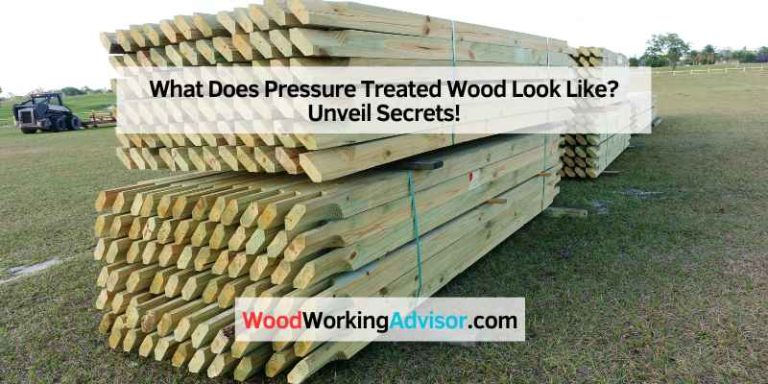
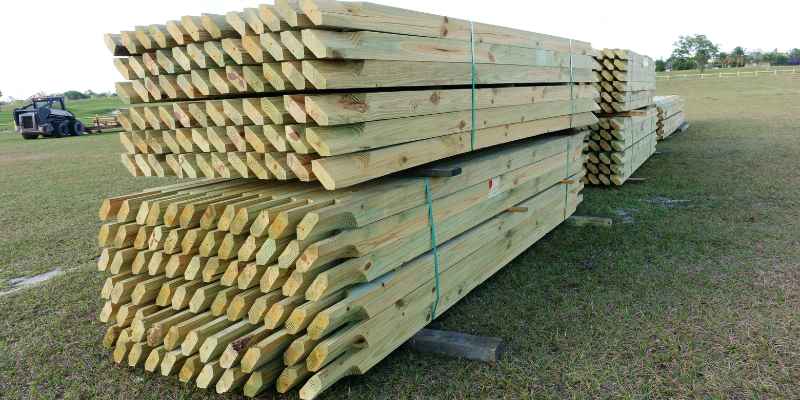
Treated wood is a popular choice for various construction applications due to its durability and longevity. The treatment process typically involves infusing wood with preservatives, making it suitable for outdoor use. This process protects against rot, insects, and harsh weather conditions.
Homeowners and builders often use treated wood for decks, fences, and landscaping. Choosing treated wood not only ensures a longer-lasting product but also reduces maintenance costs over time. Understanding the benefits of treated wood can help you make informed decisions for your construction and landscaping needs. Embrace the advantages of treated wood for a reliable and sustainable building solution.
Introduction To Treated Wood
Treated wood is specially processed to resist decay and insects. This makes it a popular choice for various outdoor projects. The treatment enhances durability and longevity. Homeowners and builders often prefer treated wood for its strength and reliability.
Why Choose Treated Wood?
Treated wood offers several advantages:
- Durability: It lasts longer than untreated wood.
- Resistance: It withstands moisture, insects, and fungi.
- Cost-effective: Fewer replacements save money over time.
- Versatility: Suitable for various applications.
Common Uses Of Treated Wood
Treated wood is used in many projects:
- Decking: Perfect for outdoor decks and patios.
- Fencing: Ideal for building durable fences.
- Landscaping: Great for garden beds and retaining walls.
- Playgrounds: Safe for children’s play structures.
- Posts and Beams: Strong supports for buildings.
| Application | Benefits |
|---|---|
| Decking | Withstands weather and heavy foot traffic. |
| Fencing | Prevents rot and pest damage. |
| Landscaping | Enhances garden aesthetics and functionality. |
| Playgrounds | Provides a safe environment for kids. |
| Posts and Beams | Supports structures with strength and stability. |
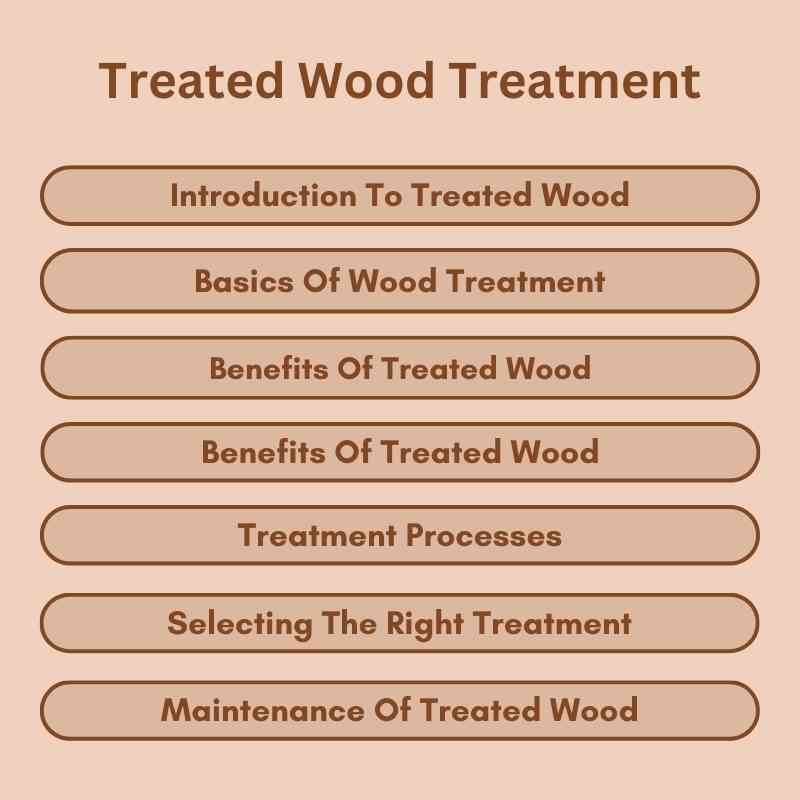
Basics Of Wood Treatment
Wood treatment protects and enhances the durability of wood. It prevents decay, insect damage, and weather effects. Understanding wood treatment is vital for maintaining wooden structures and furniture.
What Is Wood Treatment?
Wood treatment involves applying chemicals or processes to wood. This process enhances its resistance to pests and moisture. Treated wood lasts longer and remains structurally sound.
Common methods include:
- Pressure treatment
- Surface treatment
- Heat treatment
- Natural oil treatment
Types Of Wood Treatments
Different types of treatments serve various purposes. Here’s a quick overview:
| Type of Treatment | Description | Best Use |
|---|---|---|
| Pressure Treatment | Involves forcing preservatives into wood. | Decks, fences, and outdoor furniture. |
| Surface Treatment | Applies a protective coating on the surface. | Indoor furniture and cabinetry. |
| Heat Treatment | Uses heat to eliminate pests and increase durability. | Shipping pallets and outdoor structures. |
| Natural Oil Treatment | Uses natural oils to protect wood. | Furniture and decking. |
Choose the right treatment based on your project needs. Each method offers unique benefits. Proper treatment extends the lifespan of your wood.
Benefits Of Treated Wood
Treated wood offers many advantages for construction and outdoor projects. It withstands harsh conditions and lasts longer than untreated wood. Here are some key benefits of using treated wood.
Enhanced Durability
Treated wood is specially processed to resist wear and tear. This wood lasts longer than regular wood. It can endure various environmental factors.
- Longer lifespan compared to untreated wood.
- Less prone to cracking and splitting.
- Holds up well against pests.
Investing in treated wood means fewer replacements over time. This durability saves money in the long run.
Resistance To Elements
Treated wood has exceptional resistance to the elements. Rain, snow, and sun can’t easily damage it. Here are some key points:
| Element | Resistance Level |
|---|---|
| Water | High |
| UV Rays | Moderate |
| Insects | High |
This wood type stands strong against moisture and pests. It is perfect for outdoor decks and fences.
Treatment Processes
Treated wood undergoes specific processes to enhance its durability. These processes protect against moisture, insects, and decay. Understanding these methods helps in choosing the right wood for your project.
Pressure Treating Explained
Pressure treating is a popular method for wood treatment. It involves forcing chemical preservatives deep into the wood fibers.
Here’s how the process works:
- Wood is placed in a pressure chamber.
- Air is removed to create a vacuum.
- Preservatives are injected at high pressure.
- Pressure is released, allowing the wood to absorb the chemicals.
This method ensures maximum protection. Treated wood is ideal for outdoor use and construction.
Non-pressure Treatment Methods
Non-pressure methods include various techniques that do not use high pressure. These methods are often simpler and less expensive.
Common non-pressure treatments include:
- Surface Coatings: Paints or sealants applied on wood.
- Dip Treatment: Wood is submerged in preservative solutions.
- Hot Oil Treatment: Wood is soaked in hot oils to enhance resistance.
These methods provide basic protection. They are suitable for indoor projects.
| Method | Advantages | Best Use |
|---|---|---|
| Pressure Treating | Deep penetration, long-lasting | Outdoor structures |
| Surface Coatings | Easy application, cost-effective | Indoor furniture |
| Dip Treatment | Effective for small items | Garden stakes |
| Hot Oil Treatment | Natural oils, eco-friendly | Indoor decor |
Selecting The Right Treatment
Choosing the right treatment for wood is essential. It ensures durability and longevity. Many factors influence this decision. Understanding these factors helps in making informed choices.
Factors To Consider
Several factors impact the selection of wood treatment:
- Wood Type: Different woods absorb treatments differently.
- Environment: Consider moisture, sunlight, and temperature.
- Purpose: Identify if it’s for outdoor or indoor use.
- Budget: Prices vary based on treatment type and brand.
Always assess these factors before making a decision. Proper treatment prolongs the life of the wood.
Treatment For Different Wood Types
Different types of wood require specific treatments. Here’s a table to help:
| Wood Type | Recommended Treatment |
|---|---|
| Softwood | Pressure treatment with preservatives |
| Hardwood | Oil-based treatments for moisture resistance |
| Treated Wood | Sealants for added protection |
Softwoods need pressure treatments. Hardwoods benefit from oil-based solutions. Treated wood requires sealants. Always check the specific needs of your wood type.
Maintenance Of Treated Wood
Maintaining treated wood ensures its longevity and durability. Proper care prevents decay and enhances its appearance. Regular maintenance keeps your wood structures safe and beautiful.
Routine Care Tips
Follow these simple tips to maintain your treated wood:
- Clean Regularly: Use a soft brush and mild soap.
- Inspect Periodically: Check for any signs of damage.
- Apply Sealant: Use a high-quality sealant every few years.
- Remove Debris: Clear leaves and dirt to avoid moisture buildup.
- Trim Vegetation: Keep plants away to allow air circulation.
Spotting Signs Of Decay
Identifying decay early can save your wood. Watch for these signs:
- Discoloration: Look for dark spots or fading color.
- Softness: Check if the wood feels spongy.
- Cracking: Notice any visible cracks or splits.
- Mold Growth: Look for patches of mold or mildew.
- Insect Damage: Inspect for holes or tunnels from pests.
By following these tips, your treated wood will last longer and look great.
Safety Considerations
Using treated wood safely is very important. Proper handling and disposal can prevent health risks. Treated wood often contains chemicals to resist rot and insects. Understanding safety measures can help you enjoy your project without harm.
Handling Treated Wood Safely
Follow these steps for safe handling of treated wood:
- Wear gloves to protect your skin.
- Use a dust mask or respirator.
- Wear safety glasses to shield your eyes.
- Keep treated wood away from food and pets.
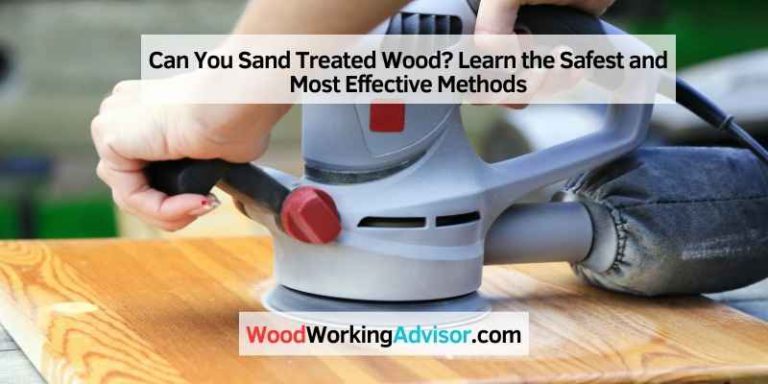
Always wash your hands after working with treated wood. Avoid cutting or sanding it indoors. Proper ventilation reduces inhaling harmful dust.
Disposal Of Treated Wood
Disposing of treated wood properly is crucial. Follow local regulations for disposal. Here are some safe disposal options:
- Contact local waste management services.
- Use designated disposal sites for hazardous materials.
- Never burn treated wood; it releases toxic fumes.
- Consider recycling if available in your area.
Do not throw treated wood in regular trash. Check with local authorities for safe practices. Proper disposal keeps the environment safe.
Innovations In Wood Treatment
New technologies are changing how we treat wood. These innovations focus on durability, sustainability, and safety. They help in protecting wood from pests and decay. Let’s explore two significant areas of innovation: eco-friendly alternatives and advancements in treatment technologies.
Eco-friendly Alternatives
Eco-friendly wood treatments are gaining popularity. They protect wood without harming the environment. Here are some common eco-friendly options:
- Plant-Based Oils: These oils penetrate wood, offering natural protection.
- Water-Based Treatments: These have fewer volatile organic compounds (VOCs).
- Bio-Based Preservatives: Made from renewable resources, these are effective and safe.
- Heat Treatment: This method uses high temperatures to eliminate pests.
Using eco-friendly options helps reduce environmental impact. Homeowners and builders are choosing these sustainable solutions.
Advancements In Treatment Technologies
Recent advancements have made wood treatment more effective. Here are some key innovations:
| Technology | Description | Benefits |
|---|---|---|
| Micronized Copper | Small particles of copper protect wood from insects. | Safe for humans, effective against decay. |
| Thermal Modification | Heating wood changes its properties. | Improved durability, reduced moisture absorption. |
| Pressure Treatment | Involves forcing preservatives into the wood. | Deep protection against rot and pests. |
These advancements create longer-lasting wood products. Builders can now use wood that stands the test of time.
Case Studies
Case studies showcase real-world examples of treated wood treatment. They highlight successes and failures. These stories provide valuable insights into best practices.
Success Stories
Many companies have successfully implemented treated wood solutions. Here are a few notable examples:
| Company | Project | Outcome |
|---|---|---|
| GreenBuild Corp | Outdoor Decking | Increased lifespan by 20 years |
| EcoWood Solutions | Commercial Fencing | Reduced maintenance costs by 30% |
| TimberTech | Garden Structures | Enhanced durability and aesthetics |
These companies used advanced treatments. They achieved longer-lasting, more durable wood products.
Lessons Learned From Failures
Not every project succeeds. Several failures provide key lessons:
- Inadequate Treatment: Some wood was not treated properly.
- Poor Quality Materials: Using low-quality wood led to rapid decay.
- Lack of Maintenance: Neglect caused significant damage over time.
These failures reveal the importance of quality control. Proper treatment and regular maintenance are crucial for success.
Future Of Wood Treatment
The future of wood treatment is bright and innovative. New technologies and sustainable methods are evolving quickly. These changes will enhance durability and safety while protecting our environment.
Emerging Trends
Wood treatment is shifting towards sustainable practices. Here are some key trends:
- Bio-based preservatives: Natural substances replace harmful chemicals.
- Smart treatments: Sensors monitor wood conditions in real-time.
- Recyclable materials: Focus on using recyclable and renewable resources.
- Enhanced durability: Treatments improve resistance to pests and rot.
Research And Development
Research is crucial for advancing wood treatment. Scientists explore new methods to improve efficiency. Here are some areas of focus:
| Research Area | Description |
|---|---|
| Nanotechnology | Using nanoparticles for stronger, longer-lasting wood. |
| Eco-friendly treatments | Developing natural options that protect health. |
| Wood modification | Changing wood at the molecular level for better performance. |
| Predictive analytics | Using data to forecast wood treatment needs. |
These advancements will shape the wood treatment industry. The goal is to create safer, more effective solutions for everyone.
Frequently Asked Questions
What Is Treated Wood Treatment?
Treated wood treatment involves applying chemicals to wood to protect it from pests, rot, and weather damage. This process enhances durability and extends the lifespan of wood products. Common treatments include pressure treatment and chemical preservatives, ensuring wood remains functional in outdoor and high-moisture environments.
Why Is Treated Wood Important?
Treated wood is crucial for outdoor construction and landscaping. It resists decay and insect damage, making it ideal for decks, fences, and garden structures. By choosing treated wood, homeowners ensure their investments last longer, reducing maintenance costs and enhancing overall safety in outdoor settings.
How Long Does Treated Wood Last?
The lifespan of treated wood varies based on several factors. Typically, it can last 15 to 30 years, depending on the treatment method and environmental conditions. Proper maintenance, such as sealing and staining, can further extend its life, making it a reliable choice for various outdoor projects.
Can Treated Wood Be Painted Or Stained?
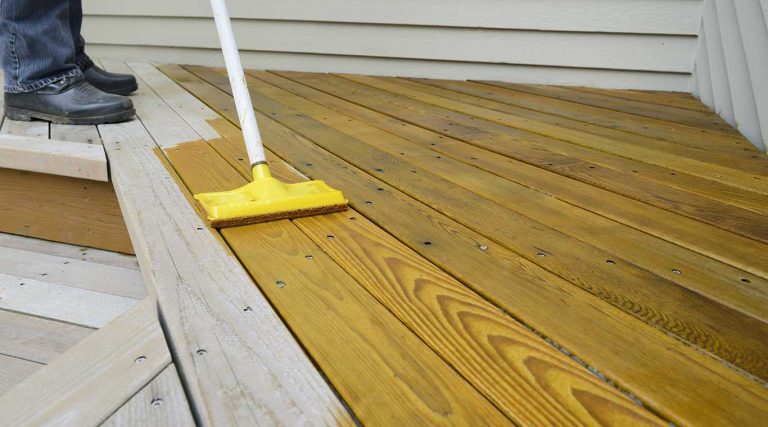
Yes, treated wood can be painted or stained. However, it’s essential to allow the wood to dry properly before applying any finish. Using high-quality exterior paint or stain will enhance its appearance and provide additional protection against moisture and UV damage, ensuring lasting beauty and durability.
Conclusion
Treated wood offers durability and resistance against environmental factors. Proper treatment enhances its lifespan and protects against pests. Choosing the right treatment method is crucial for optimal performance. Always consider the specific needs of your project. Invest in quality treated wood for lasting results and peace of mind in your construction endeavors.