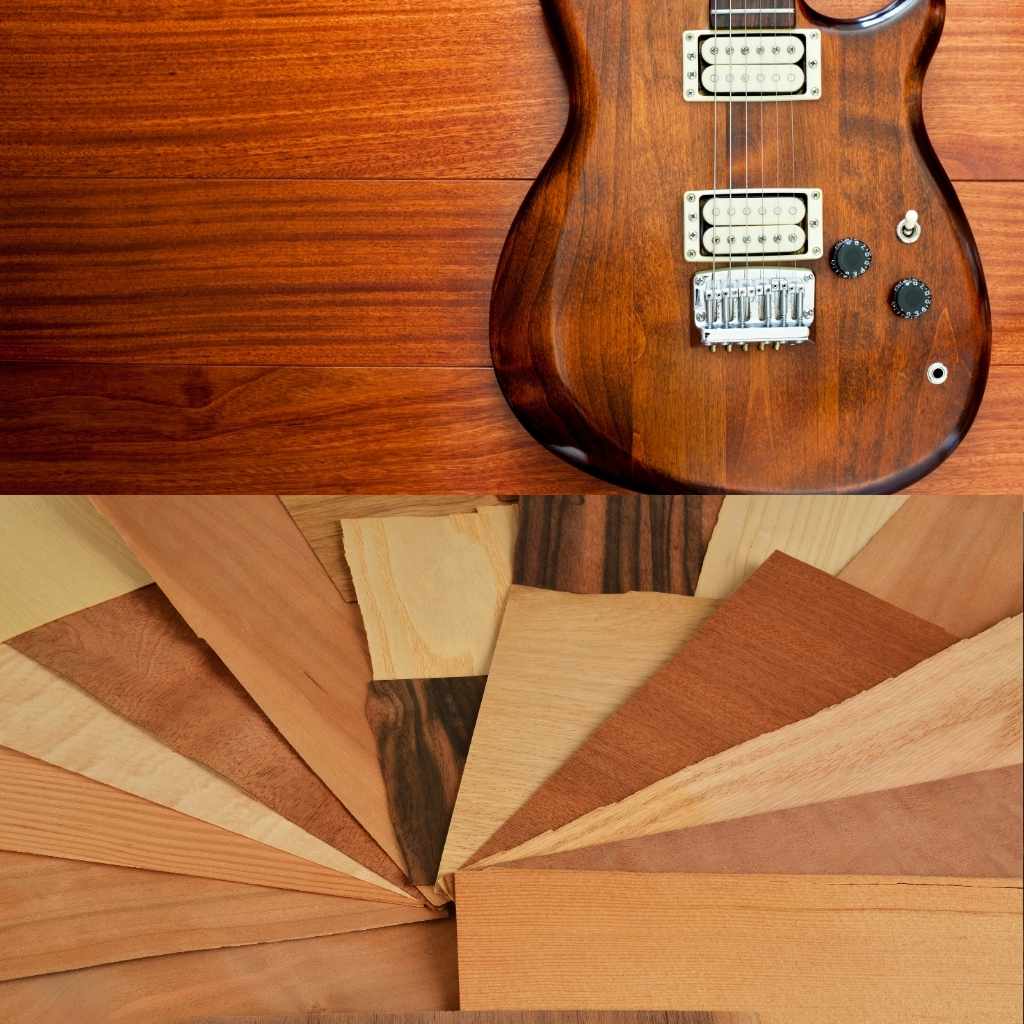
Walnut Vs Mahogany Color: Ultimate Guide to Rich Wood Tones
Choosing the perfect wood color for your furniture or interior can be tricky, especially when deciding between walnut and mahogany. Both offer rich, warm tones that can transform your space, but which one truly fits your style and needs?
If you’re wondering how these colors compare and which will bring out the best in your home, you’re in the right place. Keep reading to discover the key differences and find out which wood color matches your vision perfectly.
Walnut Color Characteristics
Walnut wood is famous for its rich, warm tones. It offers a deep, natural beauty that suits many styles. The color varies depending on the cut and source of the wood. Walnut can range from light brown to dark chocolate shades. This variety makes it popular for furniture and interior design.
Its color adds warmth without being too dark or heavy. Walnut wood creates a cozy and elegant atmosphere. Understanding its color traits helps in choosing the right wood for projects.
Natural Hue And Variations
Walnut has a natural brown tone with subtle hints of purple and gray. The color changes with light and age. Some pieces show lighter sapwood edges that contrast with the darker heartwood. No two walnut boards look exactly the same. This natural variation adds uniqueness to every item made from walnut.
Grain Patterns
Walnut grain is usually straight but can also be wavy or curly. The grain often displays interesting swirls and figures. These patterns enhance the wood’s visual appeal. The texture feels smooth and fine to the touch. Grain patterns help walnut stand out in furniture and decor.
Aging And Patina
Walnut darkens slightly over time, gaining a rich patina. This aging process adds depth and character. Exposure to sunlight can deepen the color naturally. The wood’s surface becomes softer and more inviting with age. This patina is highly valued by wood lovers and collectors.
Mahogany Color Traits
Mahogany color is prized for its warm and rich appearance. It adds elegance to furniture and interiors. Understanding its traits helps in choosing the right wood for your project. The color varies but always brings a classic, timeless feel.
Typical Shade Range
Mahogany color ranges from reddish brown to deep red. Some pieces show a hint of golden or pink tones. The shade depends on the wood’s origin and how it is finished. This variety makes mahogany versatile for different styles.
Grain And Texture
Mahogany has a straight and fine grain pattern. The texture is smooth and even to the touch. Sometimes it shows subtle waves that add character. Its consistent grain makes it easy to work with and polish.
Color Changes Over Time
Mahogany darkens slightly with age and exposure to light. The red tones deepen, giving the wood more depth. Proper care helps maintain its rich color longer. Natural aging adds charm without losing beauty.
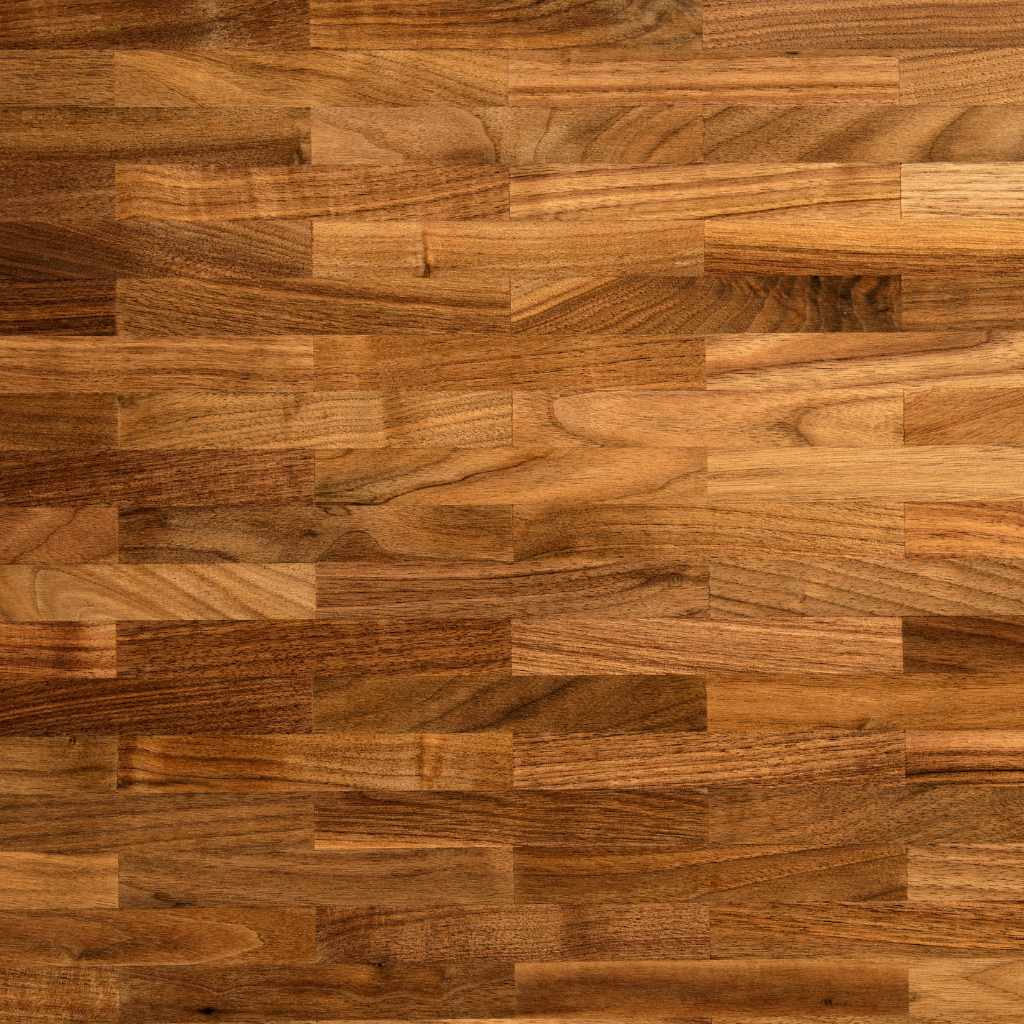
Comparing Walnut And Mahogany
Walnut and mahogany are two popular wood choices for furniture and decor. Each has a unique color that changes the look of any room. Understanding their differences helps in picking the right wood for your space.
Both woods have rich tones but offer distinct moods. Walnut tends to be darker and cooler, while mahogany has a warmer, reddish hue. These traits affect how each wood fits with various interior styles.
Warmth And Depth
Walnut shows deep brown shades with subtle gray undertones. It feels calm and grounded in a room. Mahogany glows with red and orange tones, adding warmth and energy. This wood creates a lively and inviting atmosphere. Depth in walnut comes from its complex grain patterns. Mahogany’s smooth grain adds elegance and richness.
Color Stability
Walnut keeps its color well over time. It darkens slightly but stays consistent. Mahogany can lighten or darken based on light exposure. Sunlight may cause mahogany to fade or deepen its red tones. Both woods benefit from proper care to maintain their colors. Walnut offers a steadier look with less change.
Visual Impact In Interiors
Walnut suits modern and traditional spaces with its neutral tone. It pairs well with cool or warm colors. Mahogany stands out in classic or formal interiors. It complements creams, golds, and rich colors. Walnut provides subtle sophistication. Mahogany delivers bold, dramatic charm. Both add luxury but in different ways.
Choosing Based On Wood Tone
Choosing the right wood tone can change the look and feel of your space. Walnut and mahogany offer distinct colors that suit different styles. Understanding their tones helps in making the best choice for your home or office.
Each wood type has its unique shade and warmth. Walnut has a rich, deep brown color with cool undertones. Mahogany shows a reddish-brown hue with warm, inviting tones. Knowing these differences guides your decision.
Matching Existing Décor
Consider the colors of your walls, furniture, and flooring. Walnut blends well with neutral or cool palettes. Mahogany fits best with warm colors like beige, gold, or cream. Picking the right tone keeps your space balanced and pleasant.
Lighting Effects On Color
Natural and artificial light change how wood tones appear. Walnut looks darker in low light but brightens under sunlight. Mahogany shines with a warm glow in soft lighting. Test samples in your room to see how light affects each color.
Combining With Other Materials
Wood tones mix differently with metals, fabrics, and stones. Walnut pairs nicely with cool metals like steel or chrome. Mahogany matches well with brass or copper finishes. Choose materials that enhance the wood’s natural tone for a stylish look.
Applications Of Walnut And Mahogany
Walnut and mahogany are popular wood choices for many projects. Each wood offers unique colors and textures. These differences affect their uses in homes and offices. Understanding their applications helps in picking the right wood for your needs.
Furniture Styles
Walnut suits modern and rustic furniture styles. Its rich brown color adds warmth to tables and chairs. Mahogany fits classic and elegant furniture. Its deep reddish tone gives a luxurious look to cabinets and dressers. Both woods bring beauty and strength to furniture pieces.
Flooring Options
Walnut flooring creates a cozy, inviting space. It shows natural grain patterns that add character. Mahogany floors offer a timeless and rich appearance. The wood’s hardness ensures long-lasting durability. Each wood type enhances the room’s mood and style.
Decorative Accents
Walnut is great for picture frames, bowls, and small decor. Its smooth finish highlights natural wood patterns. Mahogany works well for moldings and trim work. The color adds depth and sophistication to accents. Both woods improve the look of interior details.
Maintaining Rich Wood Colors
Maintaining rich wood colors in walnut and mahogany furniture keeps them looking beautiful for years. These woods have deep, warm tones that can fade or dull over time. Proper care helps preserve their natural charm and enhances their durability. Simple steps in cleaning and refinishing go a long way in protecting their color.
Cleaning Tips
Use a soft cloth to dust walnut and mahogany regularly. Avoid harsh chemicals that can strip the wood’s finish. Mild soap mixed with water works well for gentle cleaning. Always dry the wood immediately to prevent moisture damage. Clean spills quickly to avoid stains. Regular cleaning keeps the wood vibrant and fresh.
Avoiding Color Fading
Keep walnut and mahogany away from direct sunlight. UV rays cause wood colors to fade over time. Use curtains or blinds to protect furniture from harsh light. Maintain stable room temperature and humidity to prevent wood cracking. Use coasters and mats to protect surfaces from heat and water. These steps slow down color fading and preserve wood beauty.
Refinishing Techniques
Refinishing restores the original color and shine of walnut and mahogany. Light sanding removes old finish and smooths the surface. Choose a stain that matches the wood’s natural tone. Apply a protective coat like varnish or oil for durability. Allow each layer to dry completely before applying the next. Refinishing refreshes the wood and extends its life.
Frequently Asked Questions
What Is The Main Color Difference Between Walnut And Mahogany?
Walnut has a rich, dark brown color with subtle gray undertones. Mahogany shows a reddish-brown hue with warm, deep tones. This difference makes walnut cooler and mahogany warmer in appearance.
Which Wood Color Is Better For Modern Interiors?
Walnut’s darker, cooler tone suits modern and minimalist designs well. Mahogany’s warm, reddish color fits traditional and classic interior styles better. Choose based on your desired ambiance.
Does Walnut Or Mahogany Fade Faster In Sunlight?
Mahogany tends to fade faster due to its reddish pigments. Walnut generally maintains its color longer under sunlight exposure. Proper finishing and care help both woods resist fading.
How Do Walnut And Mahogany Colors Affect Furniture Style?
Walnut’s deep brown creates a sleek, contemporary look. Mahogany’s reddish tones offer a rich, elegant, and vintage feel. Both add distinct character to furniture based on color preferences.
Conclusion
Walnut and mahogany each bring unique color and charm to woodwork. Walnut shows rich, dark brown tones with subtle warmth. Mahogany offers deep reddish hues that catch the eye. Choosing between them depends on your style and space. Both woods add beauty and character to any room.
Think about the mood you want to create. Either choice will make your furniture stand out. Trust your taste and enjoy the natural look. Simple yet elegant finishes fit many designs. Let the colors guide your decision easily.