African Mahogany Wood: Janka Rating, Species & Cost
African mahogany wood is a premium hardwood harvested from three related genera (Khaya, Entandrophragma, and Afzelia), not a single species, and quality varies sharply between them. Density runs about 550 kg/m³ with a Janka hardness near 1,100 lbf, but only FSC- or PEFC-certified lumber confirms it was not illegally logged. This guide covers species identification, hardness and grain, sustainable sourcing, and the best uses for furniture, cabinetry, and boat building.
The Allure Of African Mahogany
Best African Mahogany Board Pick
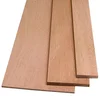
Rockler African Mahogany Wood Board, 1/4in S4S – $19.99
S4S-milled 1/4-inch African mahogany, ready for the veneering and marquetry work this guide covers — no extra planing needed.
- Best for: veneering, marquetry, and thin decorative panels
- Why we picked it: S4S milling matches the fine, straight grain this guide describes, ready to use with no extra surfacing
- Main drawback: 1/4in stock only — not thick enough for structural furniture parts
Compare more African mahogany board options
 Option 1 Pack of 5, 3/4in x 2in x 30in Boards – $45.90
|
 Option 2 Pack of 2, 3/4in x 4in x 48in Boards – $78.95
|
 Option 3 3/4in x 6in Boards (2-Pack) – $53.90
|
As an Amazon Associate we earn from qualifying purchases.
African Mahogany captivates with its beauty and strength. This wood stands out in furniture and decor. Its unique features make it a sought-after material.
The Heart Of The Rainforest
African Mahogany comes from tropical rainforests. These forests are rich in biodiversity. The trees grow tall, reaching up to 150 feet. They thrive in warm, humid climates.
This wood is known for its durability. It resists decay and insects. Craftsmen value it for its workability. The grain patterns tell stories of nature’s artistry.
A Spectrum Of Colors
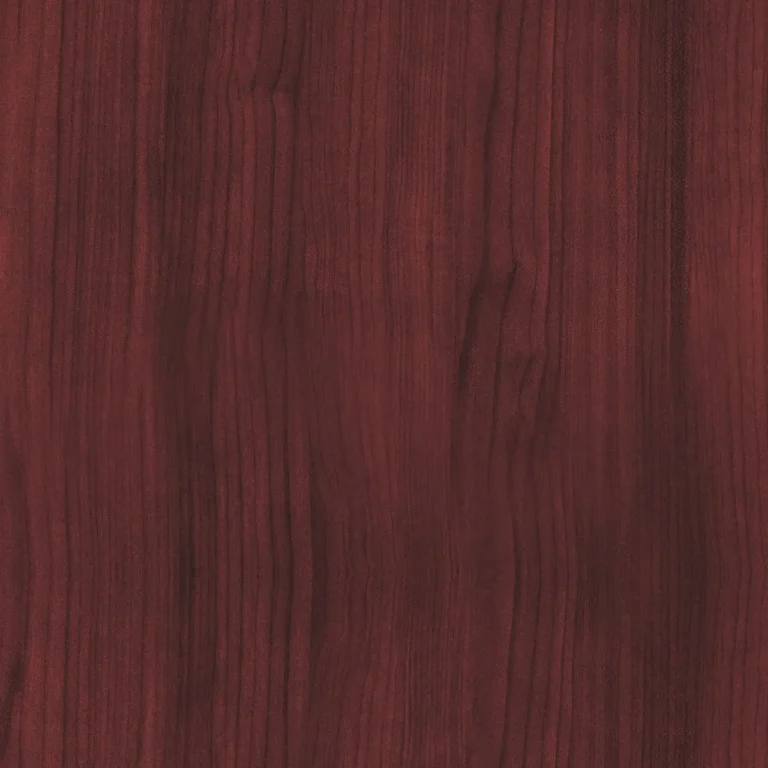
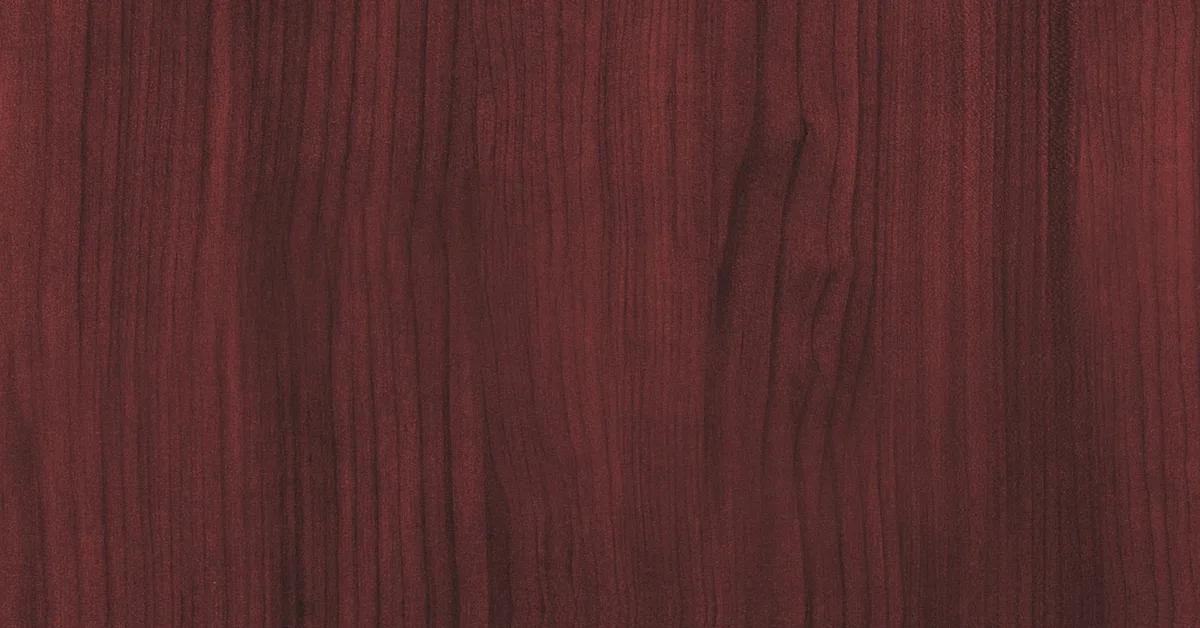
African Mahogany features a wide range of colors. It can be light brown to deep red. The wood often has dark streaks, adding depth.
- Light Brown: A warm, inviting shade.
- Medium Brown: Offers a rich, classic look.
- Dark Red: Provides a bold statement.
- Streaked Variations: Unique patterns enhance visual appeal.
These colors deepen over time. Exposure to light adds richness. Each piece is unique, making it special.
Craftsmen often use African Mahogany for:
- Furniture
- Cabinetry
- Musical instruments
- Boat building
This wood combines beauty with functionality. It is truly an attractive choice for various applications.
Physical And Mechanical Properties
The physical and mechanical properties of African Mahogany wood contribute to its popularity. This wood is known for its strength, durability, and beauty. Understanding these properties helps in choosing the right applications for this wood.
Density And Hardness
African Mahogany has a medium density. This density affects its strength and workability. Here are the key points about its density and hardness:
- Density: Approximately 550 kg/m³
- Hardness: Janka hardness rating around 1,100 lbf
This wood is strong yet easy to work with. It resists dents and scratches effectively. Its hardness makes it suitable for high-traffic areas.
Grain And Texture
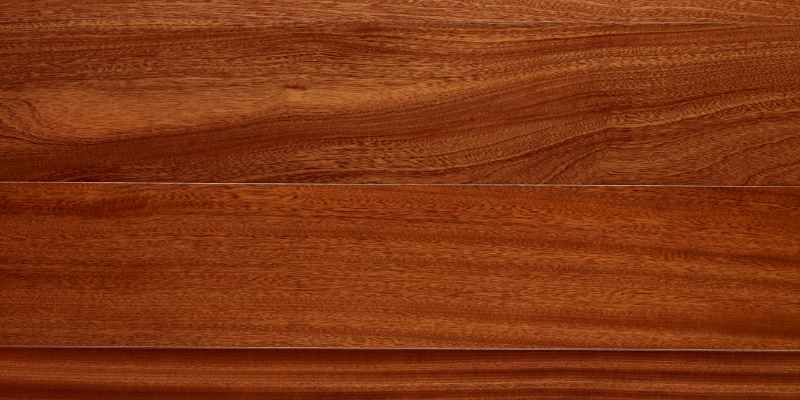
The grain and texture of African Mahogany are quite striking. It features a straight grain with occasional interlocking patterns. This creates a unique visual appeal. Here are some characteristics:
| Feature | Description |
|---|---|
| Grain Pattern | Straight with occasional waves |
| Texture | Fine and smooth |
| Color | Rich reddish-brown to golden tones |
This wood takes stain and finishes very well. Its natural luster enhances its beauty. African Mahogany is perfect for furniture and cabinetry.
Sustainability And Sourcing
African Mahogany is prized for its beauty and durability. Its popularity raises questions about sustainability and responsible sourcing. Understanding these aspects is key for eco-conscious consumers and builders.
Conservation Efforts
Various organizations work to protect African Mahogany. They focus on sustainable practices and habitat preservation. These efforts include:
- Creating protected areas for mahogany trees.
- Implementing reforestation programs.
- Educating local communities about sustainable forestry.
Conservation is vital. It ensures future generations enjoy this beautiful wood. Responsible management helps maintain the ecosystem.
Certified Suppliers
Purchasing from certified suppliers guarantees responsible sourcing. Look for certifications like:
| Certification | Description |
|---|---|
| FSC (Forest Stewardship Council) | Ensures forests are managed sustainably. |
| PEFC (Programme for the Endorsement of Forest Certification) | Promotes sustainable forest management worldwide. |
Choosing certified suppliers supports sustainable practices. It encourages the growth of healthy forests. This helps protect biodiversity and wildlife habitats.
Versatility In Use
African Mahogany wood stands out for its versatility. It adapts to various applications. Its unique properties make it a favorite among artisans and manufacturers.
Furniture And Cabinetry
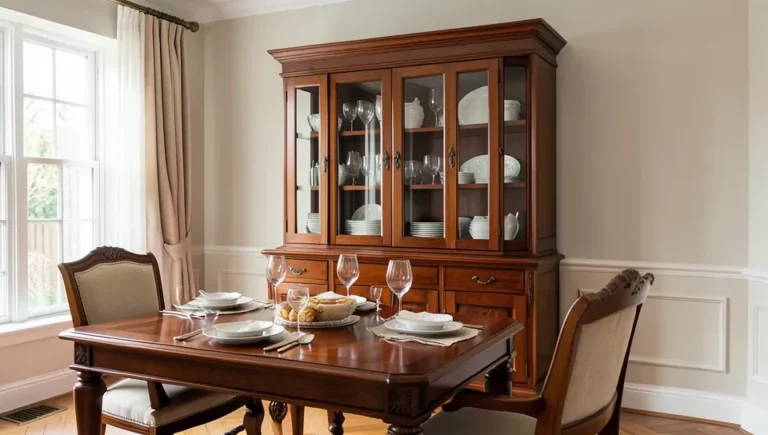
African Mahogany is perfect for furniture and cabinetry. It offers a rich, warm color that enhances any space. Its durability ensures long-lasting pieces.
- Tables: Strong and stylish for dining or coffee.
- Chairs: Comfortable and sturdy for everyday use.
- Cabinets: Elegant storage solutions that last for years.
Craftsmen appreciate its easy workability. It takes stains and finishes beautifully. This wood can be shaped into intricate designs.
| Furniture Type | Features |
|---|---|
| Dining Tables | Sturdy, elegant, and perfect for gatherings. |
| Dressers | Stylish storage with a timeless look. |
| Bookshelves | Durable and beautiful for any room. |
Boat Building
African Mahogany is also popular in boat building. Its resistance to moisture makes it ideal for marine environments. The wood is lightweight yet strong.
- Hull Construction: Provides strength and stability.
- Decking: Offers a beautiful finish and durability.
- Cabin Interiors: Adds a touch of luxury on the water.
Boat builders trust African Mahogany for its longevity. It withstands harsh conditions while looking stunning. This wood is a top choice for many marine projects.
Working With African Mahogany
African Mahogany is a stunning wood known for its durability and beauty. Craftsmen often choose this wood for furniture and cabinetry. Understanding how to work with African Mahogany enhances its natural qualities.
Machining And Shaping
Machining African Mahogany requires the right tools and techniques. This wood cuts easily and offers a smooth finish. Here are some tips:
- Use sharp blades for clean cuts.
- Adjust the feed rate to avoid tear-out.
- Start with a low speed when using routers.
Shaping African Mahogany can be done using various methods:
- Power tools for quick results.
- Hand tools for detailed work.
- Sandpaper to smooth edges and surfaces.
Drilling is straightforward. Use a sharp bit to prevent splintering. Pre-drill holes for screws to avoid splitting.
Finishing Techniques
Finishing enhances the natural beauty of African Mahogany. Different techniques bring out its rich colors.
Consider the following finishing methods:
| Technique | Description |
|---|---|
| Staining | Apply a wood stain to enhance color. |
| Sealing | Use a sealant to protect the surface. |
| Polishing | Buff the wood for a glossy finish. |
Always test finishes on a small area first. This ensures the desired look. Allow each coat to dry completely. Sand lightly between coats for a smooth texture.
Working with African Mahogany can be rewarding. Proper techniques will showcase its beauty and durability.
Durability And Maintenance
African Mahogany wood is known for its strong durability. This wood can withstand various environmental conditions. Proper maintenance ensures its beauty lasts for years.
Resistance To Decay
African Mahogany is highly resistant to decay. This feature makes it ideal for outdoor furniture and structures. It contains natural oils that repel moisture and insects.
Here’s a quick overview of its resistance:
| Feature | Benefit |
|---|---|
| Natural Oils | Repels moisture and insects |
| Dense Grain | Prevents water absorption |
| Durable Structure | Resists wear and tear |
Care And Upkeep
Caring for African Mahogany is simple and straightforward. Regular maintenance keeps it looking great. Follow these steps to ensure its longevity:
- Cleaning: Use a soft cloth to wipe dust off.
- Polishing: Apply wood polish every few months.
- Protection: Use coasters under drinks.
For outdoor items, consider these tips:
- Store furniture indoors during harsh weather.
- Apply a protective sealant yearly.
- Check for signs of damage regularly.
These simple steps will keep your African Mahogany wood in excellent condition.
Comparative Analysis
Understanding African Mahogany wood requires a closer look. This section compares it with other hardwoods. It also evaluates cost-benefit considerations.
Against Other Hardwoods
African Mahogany stands out among various hardwoods. Here’s how it compares:
| Wood Type | Durability | Grain Pattern | Color |
|---|---|---|---|
| African Mahogany | High | Straight | Rich reddish-brown |
| Oak | Very High | Open grain | Light brown to deep brown |
| Maple | High | Fine grain | Light cream to reddish-brown |
| Teak | Very High | Straight | Golden brown |
African Mahogany offers a beautiful grain and rich color. Its durability makes it suitable for furniture and cabinetry. Oak and Teak are also durable, but their grain patterns differ. For a closer species-level look, see how it compares in African Mahogany vs Genuine Mahogany and African Mahogany vs Sapele.
Cost-benefit Considerations
Pricing is crucial when choosing wood. Here’s a quick overview of costs:
- African Mahogany: Moderate to high cost
- Oak: Generally more affordable
- Maple: Moderate cost
- Teak: High cost due to rarity
Consider these factors:
- Longevity: African Mahogany lasts long, reducing replacement costs.
- Aesthetics: Its rich color adds value to any project.
- Sustainability: Sourced responsibly, it supports eco-friendly choices.
Investing in African Mahogany can yield better long-term benefits. Its unique properties and beauty often justify the cost.
Creative Inspirations
African Mahogany wood inspires creativity in various fields. Its beauty and durability attract artists and designers. This wood can transform spaces and create stunning pieces.
Historical Uses
African Mahogany has a rich history. Ancient civilizations valued its qualities. Here are some historical uses:
- Furniture: Used for making high-quality furniture.
- Musical Instruments: Crafted into guitars and pianos.
- Boat Building: Ideal for constructing boats due to its resistance to water.
- Carvings: Skilled artisans created intricate carvings.
These uses showcase its versatility and timeless appeal.
Modern Design Trends
Today, African Mahogany wood remains popular in design. It fits various styles. Here are some modern trends:
| Design Trend | Description |
|---|---|
| Minimalism | Simple designs emphasize the wood’s natural beauty. |
| Rustic Charm | Brings warmth and character to modern homes. |
| Eco-Friendly Design | Promotes sustainable sourcing and craftsmanship. |
| Artisan Craftsmanship | Focuses on unique, handmade pieces with personality. |
These trends highlight the wood’s adaptability. Designers and homeowners cherish its rich color and grain.
Frequently Asked Questions
What Is African Mahogany Wood?
African Mahogany is a hardwood species renowned for its durability and beauty. It features a rich, reddish-brown color that deepens over time. This wood is commonly used in furniture, cabinetry, and flooring due to its resistance to warping and decay.
Its fine grain and smooth texture make it highly sought after.
Where Does African Mahogany Grow?
African Mahogany primarily grows in tropical regions of Africa, including countries like Cameroon, Ghana, and the Republic of Congo. It thrives in humid, warm climates, often found in dense forests. The tree can reach impressive heights, contributing to its large, valuable timber.
Sustainable harvesting practices are crucial for its conservation.
How Strong Is African Mahogany Wood?
African Mahogany is known for its exceptional strength and stability. It has a high density, making it resistant to impacts and wear. This strength ensures that it maintains its shape and appearance over time. It’s a reliable choice for both indoor and outdoor applications, enhancing its versatility.
Is African Mahogany Sustainable?
Sustainability depends on responsible harvesting practices. Some sources of African Mahogany are certified by organizations promoting sustainable forestry. However, it’s vital to choose products with credible certifications. This ensures that the wood is sourced ethically, protecting ecosystems and supporting local communities.
Always look for sustainability labels when purchasing.
Conclusion
African Mahogany wood stands out for its beauty and durability. It’s perfect for furniture, cabinetry, and flooring. Its rich color and fine grain make it a favorite among craftsmen. Investing in African Mahogany not only enhances your space but also ensures long-lasting quality.
Choose this wood for timeless elegance in your home.
Sponsored / affiliate links. As an Amazon Associate I earn from qualifying purchases. I may earn additional commission from eligible campaigns.