Mahogany Wood Rosettes: The Real Reason Trim Carpenters Use Them
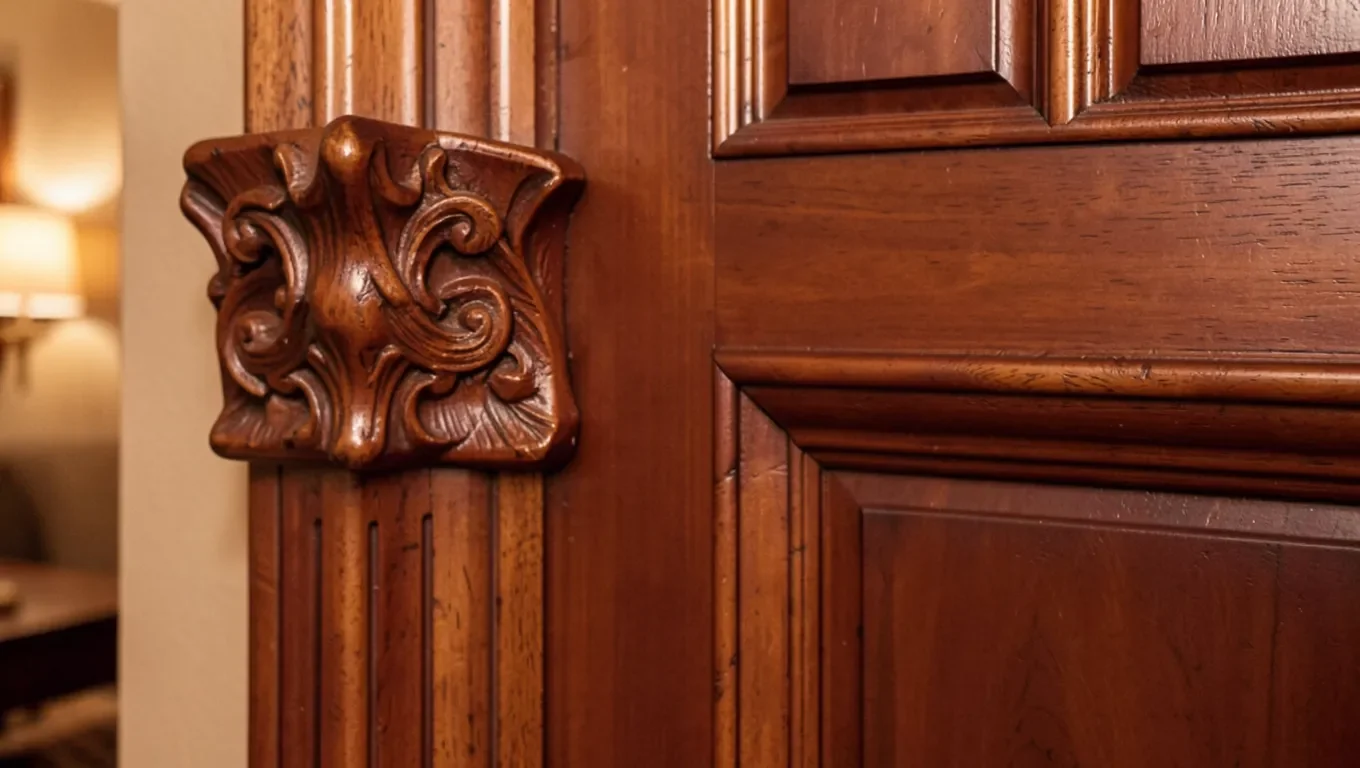
Mahogany wood rosettes are decorative round or square corner blocks used at door and window trim intersections — and their real practical value goes beyond looks: they let a carpenter skip cutting mitered corners entirely. The casing simply butts flush against the rosette’s flat edge, which is both faster to install and more forgiving of small measurement errors than a precise 45-degree miter joint.
Why Trim Carpenters Actually Use Rosettes
A Real Buyable Rosette Block
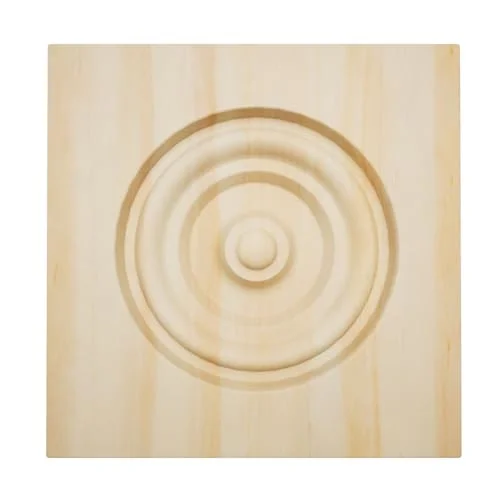 |
Americraft Solid Hardwood Stain-Grade Bullseye Rosette, 4.5″ – $7.88 Stain-grade hardwood (not always mahogany specifically) that can be stained to closely match a mahogany trim scheme.
|
A mitered trim corner has to be cut at a precise 45-degree angle on both pieces to close cleanly — any small error creates a visible gap. Rosette-and-plinth-block trim systems (a rosette at the top corners, a plinth block at the floor) sidestep this by using square-cut casing that simply meets the block’s flat side, which is both a real time-saver and a more forgiving technique for anyone without a lot of miter-cutting experience.
Real Sizes and Solid Wood vs. MDF
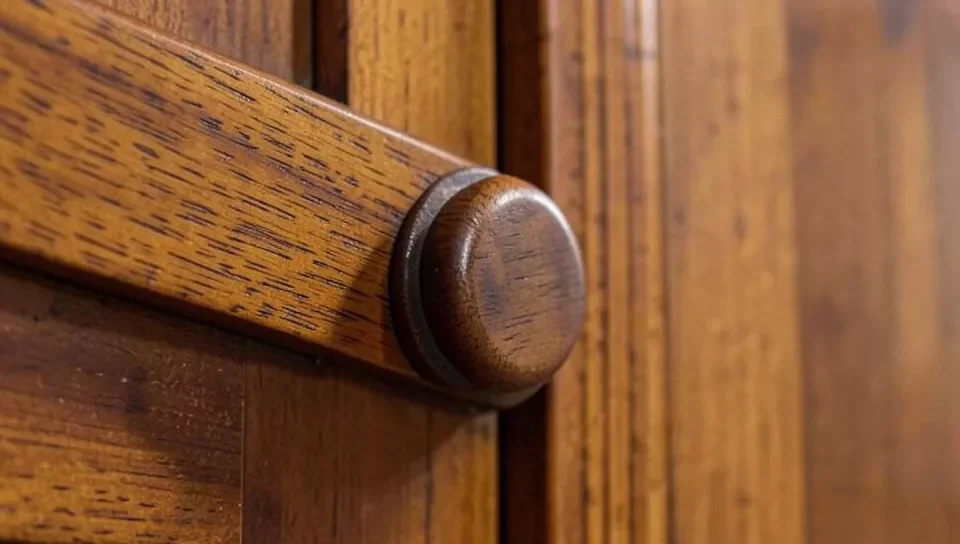
Common rosette sizes run roughly 2-1/2″ to 4-1/2″ square or round, matched to the width of the casing they’ll meet. Solid hardwood rosettes (genuine mahogany or stain-grade alternatives) cost more than primed MDF versions but take stain evenly and hold detail better over time; MDF rosettes are paint-grade only and a reasonable budget choice specifically when the trim will be painted, not stained.
Installing: Glue and Finish Nails, Nothing Exotic
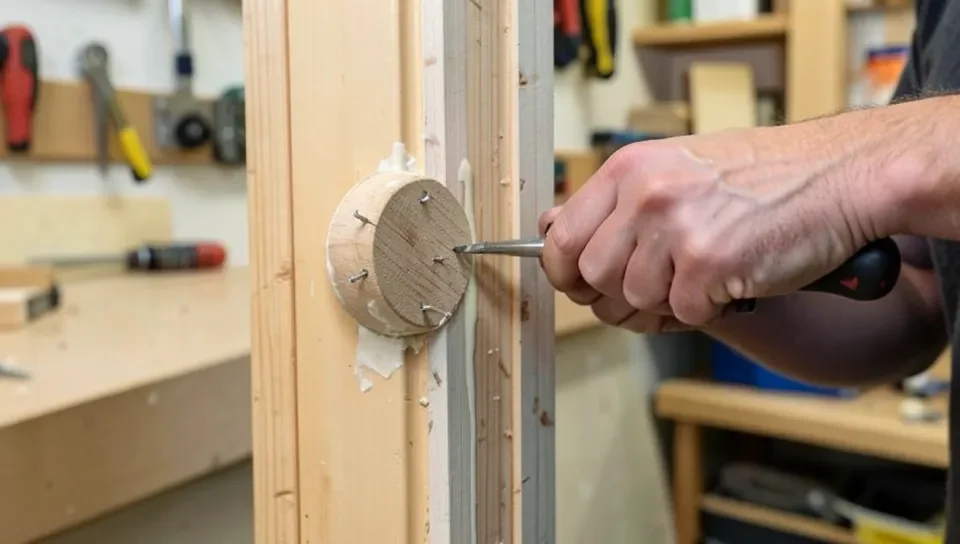
Installation is straightforward: attach the rosette to the wall first with wood glue and finish nails at the trim corner location, then run the vertical and horizontal casing pieces up to meet its flat edges. Pre-finishing or pre-staining the rosette before installation (matching it to the rest of the trim) is easier than trying to stain it in place once the casing is already attached around it.
Frequently Asked Questions
Do rosettes serve a real function, or are they just decorative?
Both. They look decorative, but they also let you skip mitered trim corners entirely by giving the casing a flat edge to butt against instead.
What size rosette do I need?
Match the rosette’s width to your casing width, typically 2-1/2″ to 4-1/2″ for standard residential trim.
Should I choose solid wood or MDF rosettes?
Solid hardwood if you plan to stain the trim; MDF is paint-grade only but a reasonable budget choice if the trim will be painted.
Conclusion
Mahogany or stain-grade wood rosettes are a real trim-carpentry technique, not just decoration — they eliminate mitered corners and are more forgiving for less experienced installers. Choose solid wood for a stained trim scheme, MDF for painted trim.
Sponsored / affiliate links. As an Amazon Associate I earn from qualifying purchases. I may earn additional commission from eligible campaigns.
 The Hardwood Edge Mahogany Hardwood Planks - 2-Pack Mahogany Wood for Unfinished Wood Crafts - 1/8’’ (3mm) 100% Pure Hardwood - Laser Engraving Blanks - Exotic Mahogany Planks for Crafts and Gifts
 The Hardwood Edge Mahogany Hardwood Planks - 4-Pack Mahogany Wood for Unfinished Wood Crafts - 1/8’’ (3mm) 100% Pure Hardwood - Laser Engraving Blanks - Exotic Mahogany Planks for Crafts and Gifts