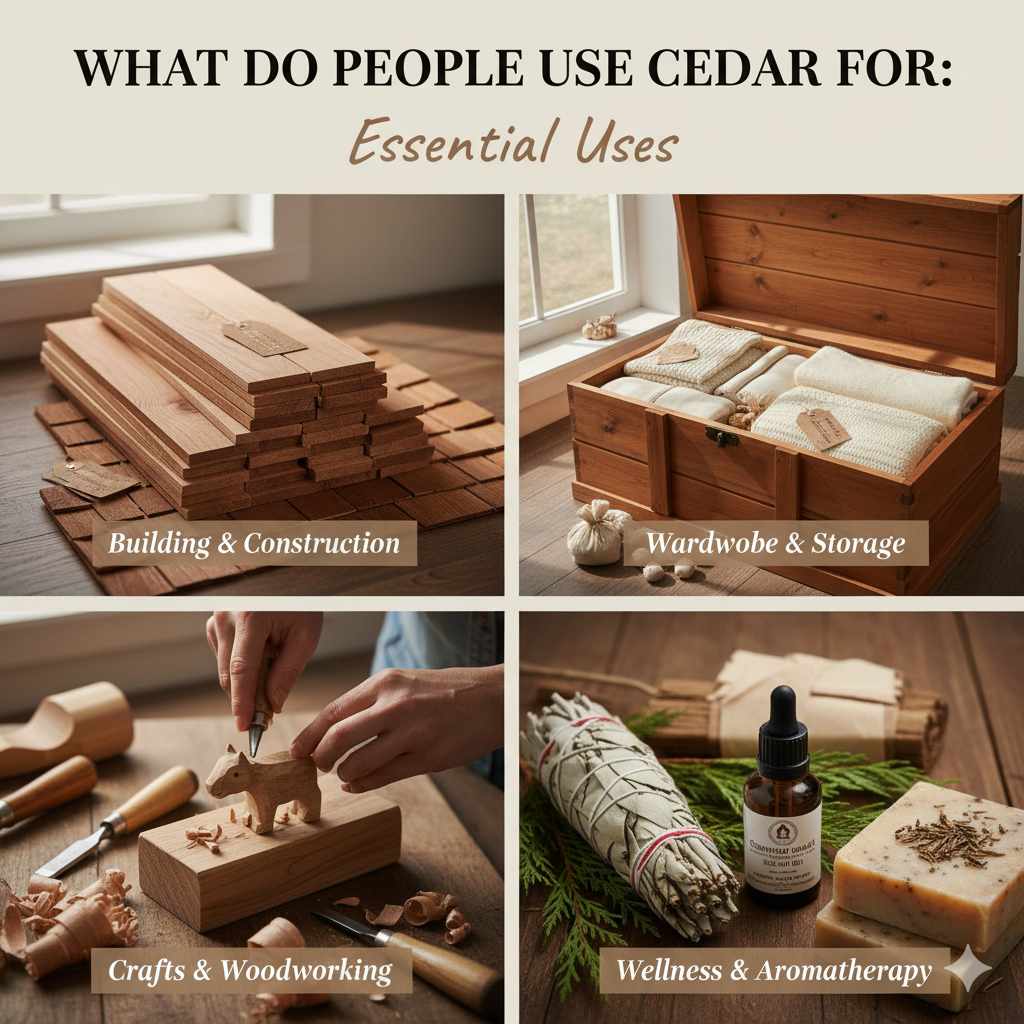
What Do People Use Cedar For: Essential Uses
Do you ever wonder about that wonderful, aromatic wood called cedar? People use cedar for a surprising number of things! From keeping clothes fresh to building beautiful outdoor furniture and protecting your home, cedar’s natural qualities make it incredibly versatile for DIY projects and everyday life.
Have you ever smelled that distinct, fresh scent and wondered what it was? Chances are, you were smelling cedar! This beautiful wood is a favorite for many reasons, especially for those of us who love to build things or keep our homes in great shape. If you’re curious about cedar and its many talents, you’re in the right place. As your woodworking buddy, I’m here to break down exactly why cedar is so popular and what amazing things people use it for. We’ll explore its unique benefits and the rewarding projects you can tackle with it. Get ready to discover the essential uses of cedar!
Why Cedar? The Natural Advantages
Before we dive into all the amazing things cedar is used for, let’s talk about why it’s such a popular choice. Cedar isn’t just pretty; it’s packed with natural superpowers! Growing up, I learned that a good project starts with good materials, and cedar offers some truly outstanding benefits:
- Natural Aroma: Cedar has that unmistakable, pleasant scent that many people find relaxing. It’s especially known for its repelling properties against moths and other insects.
- Insect and Rot Resistance: The natural oils in cedar make it highly resistant to decay, termites, and other wood-boring insects. This is a huge advantage, especially for anything that goes outdoors or needs to last a long time.
- Durability: Cedar is relatively strong and stable, meaning it doesn’t warp or shrink too much with changes in humidity or temperature. This makes it a reliable choice for construction and furniture.
- Lightweight: Compared to many hardwood species, cedar is quite light, making it easier to handle, transport, and build with, which is a big plus for DIYers.
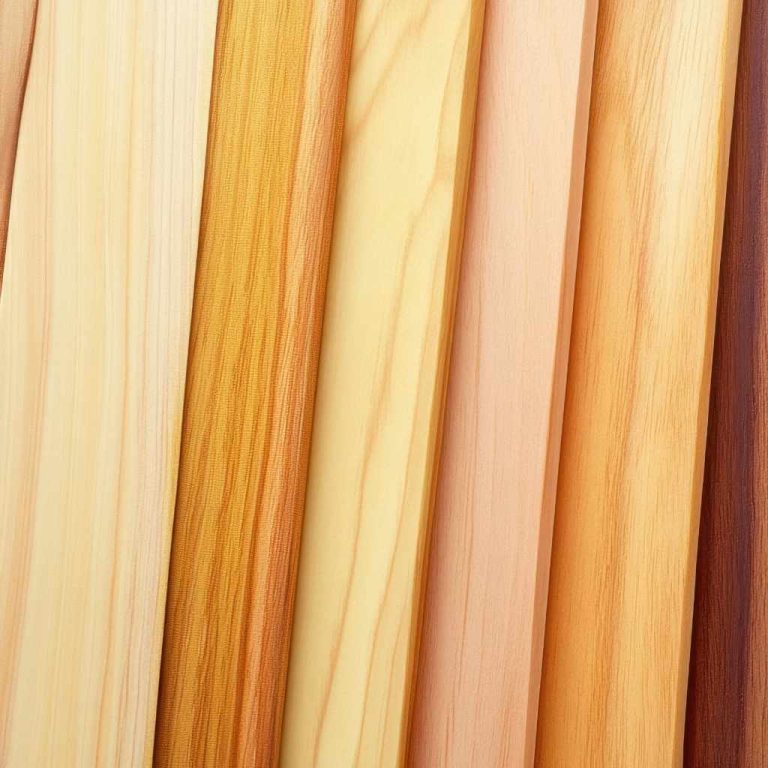
- Natural Beauty: Cedar comes in beautiful colors, often reddish-brown to lighter straw tones, with attractive grain patterns. It looks fantastic with minimal finishing.
Cedar Indoors: Protecting and Beautifying Your Home
Even though cedar is famous for outdoor use, its unique properties make it a star inside your home too. Think about spaces where you want to keep things fresh and protected. That’s where cedar shines!
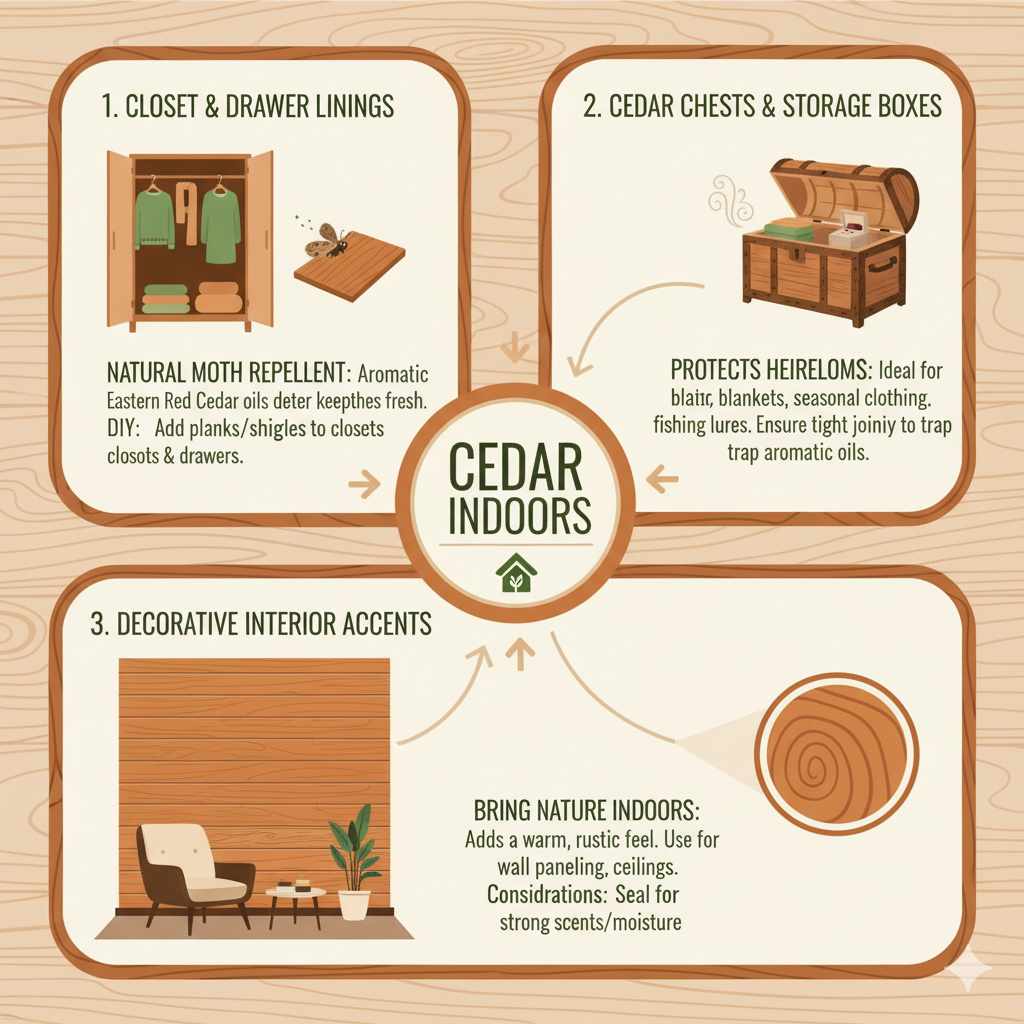
1. Closet and Drawer Linings for Moth Repelling
This is probably one of the most famous indoor uses for cedar. The natural oils in aromatic cedar, often called Eastern Red Cedar, act as a natural moth repellent. When moth larvae try to munch on your wool sweaters or cashmere scarves, the scent of cedar deters them. It also gives your clothes a lovely, fresh fragrance, kind of like a natural air freshener!
How it works: The volatile oils in the wood are released into the air, creating an environment that moths and other fabric pests find unpleasant and toxic. This keeps your clothes safe without using harsh chemicals.
DIY Project Idea: You can buy cedar planks or shingles and easily attach them to the walls of your
closet or the bottoms of drawers. Make sure to get splinter-free cedar, and a light sanding every year or two can help release more of that wonderful scent.
2. Cedar Chests and Storage Boxes
Remember those beautiful cedar chests your grandma might have had? They’re not just for show. These chests leverage that same moth-repelling power to protect blankets, heirlooms, and seasonal clothing. Cedar boxes are also excellent for storing things like fishing lures (the oils can supposedly help keep them from rusting!) or even spices, though it’s best to use food-grade cedar for that.
Crafting Tips: When building a cedar chest, ensure a tight-fitting lid to trap the aromatic oils inside, maximizing their effectiveness. Use tight joinery to keep the precious scent from escaping too quickly.
3. Decorative Interior Accents
While not as common as for cabinetry, cedar can be used for beautiful interior wall paneling, accent walls, or even ceiling treatments. The rich colors and natural grain add a rustic, warm, and organic feel to a room. It’s a fantastic way to bring a touch of nature indoors.
Considerations: Be mindful of the aromatic properties. If you’re sensitive to strong scents, you might want to seal the wood or use it in a less enclosed space. For areas with a lot of moisture, like bathrooms, ensure proper ventilation or a good sealant. For more information on wood finishes and their effects, check out resources from the Woodshop News, a great resource for finishing techniques.
Cedar Outdoors: Durability and Beauty for Your Yard
This is where cedar truly shows off its strengths. Its natural resistance to the elements makes it a top choice for almost anything you can imagine in your backyard or patio space.
1. Decks and Patios
Cedar is a go-to wood for building beautiful and long-lasting decks. It withstands moisture, UV rays, and pests much better than many other woods. Plus, it looks gorgeous, with a natural warmth that complements any landscape. Unlike some treated lumber, cedar often doesn’t require chemical treatments to resist decay, making it an attractive option for those seeking more natural materials.
Pros of Cedar Decks:
| Benefit | Description |
|---|---|
| Natural Resistance | Resists rot, decay, and insect infestation without chemical treatments. |
| Dimensional Stability | Less likely to warp, twist, or crack compared to other woods. |
| Aesthetics | Rich color and attractive grain bring natural beauty to outdoor spaces. |
| Lightweight | Easier to work with and install. |
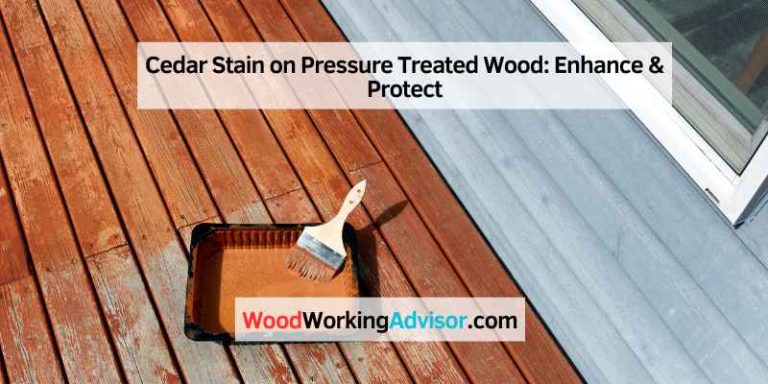
DIY Tip: For a finished look, sand your deck boards smooth and then apply a clear water sealant or a stain in a complementary color. Regular cleaning will keep it looking its best.
2. Fences and Gates
A cedar fence offers both privacy and curb appeal. Cedar’s natural durability means your fence will stand strong against weather and insects season after season. It’s a classic choice that enhances the look of any property. Gates made from cedar are equally robust and attractive.
Why Cedar Fences? Their natural oils protect against moisture and pests, reducing the need for frequent repairs. They also weather beautifully to a silver-gray patina over time if left unfinished.
3. Outdoor Furniture
Cedar is a top material for building outdoor furniture. Adirondack chairs, benches, picnic tables – they all look fantastic and last for years when made from cedar. The wood’s natural oils protect it from the elements, meaning your furniture can often be left outside year-round.
Building Tips: Use corrosion-resistant screws (like stainless steel or coated deck screws) to prevent unsightly rust stains from forming on the wood. Ensure good drainage by not trapping water against the wood’s surface.
4. Planters and Garden Beds
Gardeners love cedar for building raised garden beds and planters. Its resistance to rot means it won’t quickly break down when constantly exposed to moist soil. This makes your garden structures last much longer, saving you time and money on replacements. Plus, the natural oils are safe for plants.
DIY Raised Beds: Simply cut cedar boards to your desired dimensions, assemble them into a box shape, and secure with screws. For a longer-lasting bed, you can line the inside with heavy-duty plastic sheeting, making sure to leave the bottom open for drainage.
5. Siding and Roofing
Cedar shingles and shakes have been used for centuries as siding and roofing materials. They offer excellent insulation, are naturally fire-resistant (especially when treated), and provide unparalleled natural beauty. The interlocking nature of shingles also helps to shed water effectively.
Learn More: For detailed information on wood siding and its benefits, including cedar, the Fine Homebuilding magazine website often has excellent guides and articles on exterior construction using wood.
6. Other Outdoor Structures
Think pergolas, arbors, privacy screens, and even saunas. Cedar’s ability to withstand moisture and decay makes it an ideal choice for any outdoor project that needs to endure the elements. Its light weight also makes constructing larger items more manageable.
Specialty and Craft Uses for Cedar
Beyond the larger construction and furniture projects, cedar has some wonderful niche uses, often appreciated by crafters and hobbyists.
1. Wood Carving and Craft Projects
Cedar is a pleasure to carve. Its relatively soft texture and straight grain make it easy to work with, even for beginners. It holds detail well and doesn’t split easily, making it perfect for small carvings, decorative items, birdhouses, or even toys. Its natural scent also adds a pleasant dimension to handmade items.
2. Cedar Blocks and Balls for Drawers and Closets
For a simple and effective way to freshen up drawers and closets, cedar blocks and balls are a popular choice. You can tuck them into corners, hang them from hangers, or place them amongst folded clothes. They are a natural, chemical-free way to keep your fabrics smelling fresh and deter pests.
3. Incense and Ceremonies
Historically and in many cultures, cedar wood has been burned as incense. Its fragrant smoke is often used for purification rituals, meditation, or simply to create a calming atmosphere. Different types of cedar have distinct aromatic profiles, each with its own ceremonial significance.
4. Construction of Musical Instruments
Certain types of cedar, like Western Red Cedar, are sometimes used in the construction of musical instruments, particularly for soundboards of guitars and other stringed instruments. Its resonant qualities can contribute to the instrument’s tone and projection, though it’s less common than spruce or mahogany.
5. Saunas
Cedar is a highly favored wood for building saunas. It can withstand high temperatures and humidity without warping excessively, and it releases a pleasant aroma when heated, enhancing the sauna experience. Its natural resistance to moisture also means it holds up well to the steamy environment without rotting.
Pros and Cons of Using Cedar
Like any material, cedar has its advantages and disadvantages. Knowing these will help you make the best choice for your project.
| Pros | Cons |
|---|---|
| Excellent natural resistance to rot, decay, and insects. | Can be more expensive than some common lumber types like pine. |
| Pleasant, natural aroma (especially aromatic cedar). | Softer than hardwoods, so it can dent or scratch more easily if subjected to heavy impact. |
| Dimensionally stable; resists warping and shrinking. | The natural oils can sometimes stain or transfer to fabrics if in direct contact (especially aromatic cedar). |
| Lightweight and easy to work with for DIY projects. | Availability can vary by region, and specific grades or types might be harder to find. |
| Naturally beautiful appearance. | Requires proper finishing if you want to maintain its original color long-term, especially outdoors. |
| Environmentally friendly (when sustainably harvested). | Can be prone to splintering if not handled or cut carefully. |
Getting Started: Tips for Working with Cedar
If you’re inspired to start a project with cedar, here are a few tips to make your experience smooth and successful:
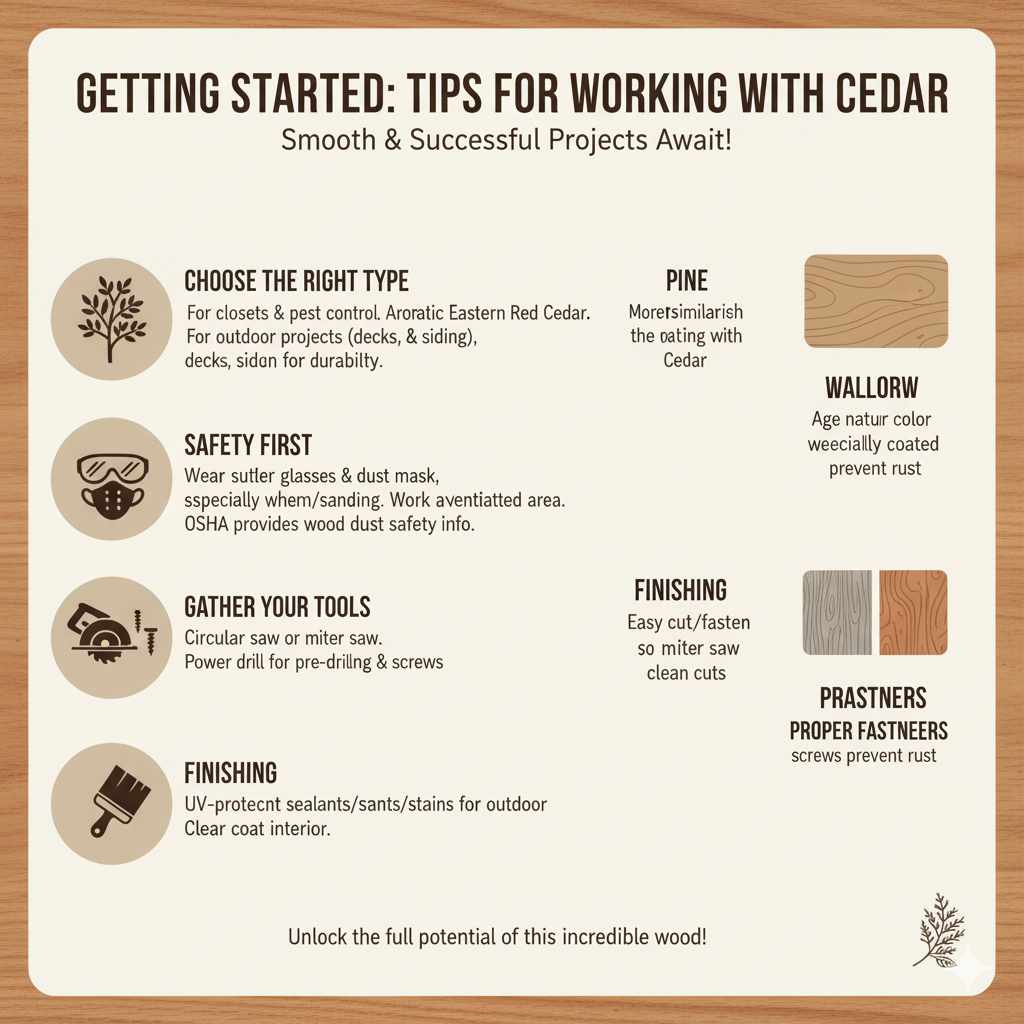
- Choose the Right Type: For closets and pest control, aromatic Eastern Red Cedar is best. For outdoor projects like decks or siding, Western Red Cedar is typically preferred for its durability and stability.
- Safety First: While cedar is natural, its dust can be an irritant. Always wear safety glasses and a dust mask, especially when cutting or sanding. Work in a well-ventilated area. If you’re unsure about wood dust safety, the Occupational Safety and Health Administration (OSHA) has valuable information on wood dust hazards and control measures.
- Gather Your Tools: Cedar is easy to cut and fasten. A good circular saw or miter saw will make clean cuts, while a power drill is great for pre-drilling holes and driving screws.
- Finishing: Decide if you want to let cedar age naturally to a weathered gray, or if you want to preserve its rich color. For outdoor projects, UV-protectant sealants or stains are recommended. For interior projects, a clear coat can add protection and enhance the wood’s natural beauty.
- Proper Fasteners: For outdoor projects, use stainless steel or specially coated screws to prevent rust.
Frequently Asked Questions About Cedar Uses
What makes cedar wood so special?
Cedar wood is special because it produces natural oils that give it a fantastic scent and help it resist rot, decay, and insects. This makes it very durable, especially outdoors or for storage.
Is cedar expensive compared to other woods?
Cedar can be a bit more expensive than basic pine or drywall, but its natural durability and resistance to pests and rot often make it a more cost-effective choice in the long run, especially for outdoor applications or items you want to last.
Can I use cedar indoors for furniture?
Absolutely! Cedar is wonderful for indoor furniture, especially for chests and closets because of its insect-repelling properties. It also has a lovely natural color and grain that looks great.
Is cedar safe to use around food?
Generally, yes. Many people use untreated cedar for cutting boards and kitchen utensils. However, it’s always good to check the specific type of cedar and ensure it hasn’t been treated with chemicals if you’re using it for food preparation.
How do I maintain cedar outdoor furniture?
Cedar furniture is quite low-maintenance. You can let it turn a silvery gray naturally, or apply a sealant or stain to preserve its natural color. Occasional cleaning with mild soap and water is usually all that’s needed. While cedar is naturally resistant, a protective finish can extend its life even further.
What are the main types of cedar used for projects?
The most common types for projects are Eastern Red Cedar (Aromatic Cedar) and Western Red Cedar. Eastern Red Cedar is known for its strong aroma and insect-repelling qualities, perfect for closets. Western Red Cedar is loved for its beauty and durability in outdoor construction like siding and decks.
Will cedar stain my clothes if used in a closet?
Untreated cedar, particularly aromatic cedar, can sometimes leave a slight red or reddish-brown hue on fabrics if they are in direct, prolonged contact. This is usually a light transfer of the natural color. To prevent this, you can seal the wood or place a thin barrier, like acid-free paper, between the cedar and your clothes.
Conclusion: The Enduring Appeal of Cedar
As you can see, the question “What do people use cedar for?” has a wonderfully diverse answer! From the practical protection it offers in your closets and the beautiful durability it brings to your outdoor living spaces, to its role in crafts and even specialized uses like saunas, cedar is a wood that truly earns its reputation.