Does Cedar Mulch Repel Fleas? What the Evidence Really Shows
Cedar mulch can help repel fleas outdoors — cedrol and thujone oils in the wood are natural deterrents fleas avoid — but the effect fades once the mulch dries out or gets rained on. A 2023 peer-reviewed study on cedar tar found repellency up to 100% against ticks versus DEET, though ordinary yard mulch never reaches that concentration. This guide covers the research, correct application, and stronger alternatives for an active flea problem.
Quick Answer
Yes, but only partially. Cedar mulch’s cedrol and thujone oils repel some fleas near treated soil, but a 2023 study measured cedar’s strongest tick-killing effect from concentrated tar — not ordinary mulch — so treat it as one layer of prevention, not a cure.
What’s In Cedar Mulch That Fleas Dislike?
Best Cedar Flea Repellent Pick
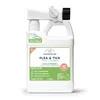
Wondercide Flea & Tick Yard Spray, 32 oz
A hose-end cedarwood oil spray that treats up to 5,000 sq ft of yard in one application.
- Best for: Treating fleas and ticks across an entire yard, not just mulched beds
- Why we picked it: Uses 12.63% cedarwood oil — the same active compound this article’s research covers — instead of a synthetic pesticide
- Main drawback: Effect fades within days in hot weather; verified buyers report needing to reapply every 1–2 weeks during flea season
Compare more cedar flea-repellent options
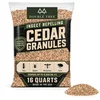 Option 1 Double Tree Cedar Granules, 16 Qt
|
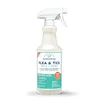 Option 2 Wondercide Cedarwood Spray, 16 oz
|
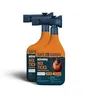 Option 3 Sunday Nix Ticks Cedar Oil Yard Spray, 2-Pack
|
As an Amazon Associate we earn from qualifying purchases.
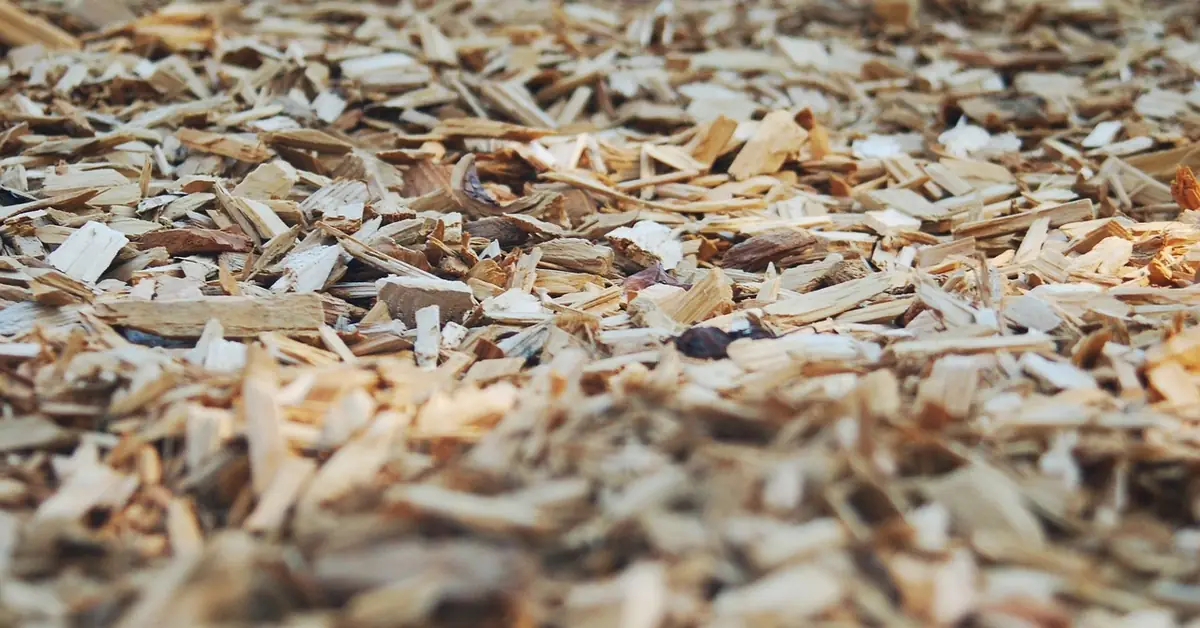
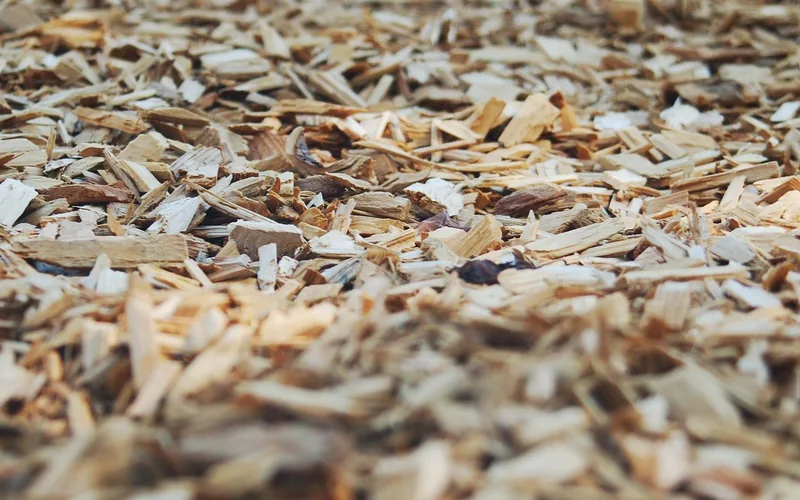
Cedar mulch is shredded cedar bark and wood that contains cedrol, thujone, and cedrene — aromatic terpenes stored in the wood’s natural oils. These compounds are what give fresh cedar mulch its sharp, distinctive smell, and that same scent is what fleas, moths, and several other insects tend to avoid. The concentration is highest right after the mulch is spread and drops steadily as the wood dries out in sun and rain.
Does the Research Actually Back This Up?
Cedar’s insect-repelling reputation isn’t just folklore. A study published via NCBI/PMC in 2023 tested Cedrus libani tar against the brown dog tick and found mortality rates of 77.7% and 82.2% at just a 1% concentration, with repellency reaching up to 100% when compared against the synthetic repellent DEET.
📊 Concentrated cedar tar produced 77.7% and 82.2% mortality in brown dog ticks at just a 1% concentration, with repellency rates up to 100% versus DEET — Source: peer-reviewed study, Parasites & Vectors-affiliated research via NCBI/PMC, 2023.
The important caveat: that study used concentrated cedar tar, not shredded cedar mulch, and it tested ticks rather than fleas specifically. Separate research on cedar oil confirms the same compounds disrupt fleas’ ability to sense hosts, but a 2 to 3 inch layer of yard mulch delivers a fraction of that concentration. This is echoed by our related coverage on whether cedar wood actually kills fleas outright — repelling and killing are two different effects, and mulch leans toward the former.
How Long Does Cedar Mulch Repel Fleas, and Where It Falls Short
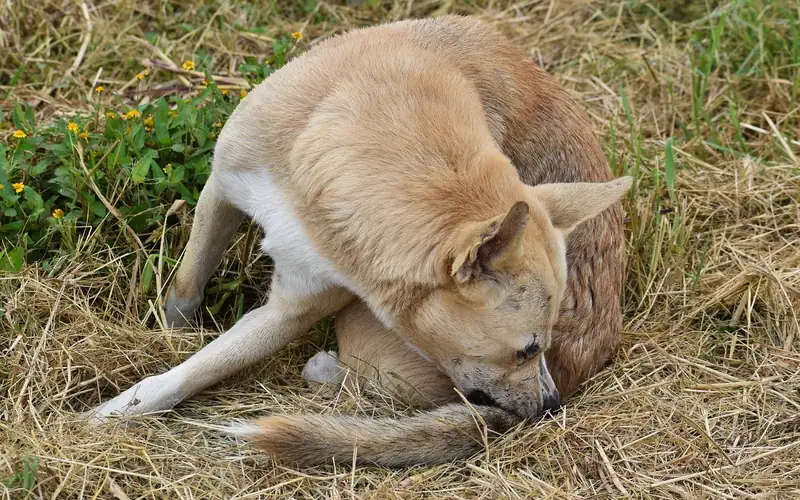
Effectiveness depends heavily on climate and maintenance. In hot, dry regions the aromatic oils evaporate within a few weeks, while in cooler, shaded areas the scent can last closer to two months. Rain accelerates the loss — a heavy storm can wash away much of the oil on the mulch surface within days. Cedar mulch also will not eliminate an existing infestation on its own; it reduces new fleas settling into treated soil but does nothing for fleas already established on pets or indoors.
“Cedar mulch alone almost never matches the concentration used in lab studies — it’s a helpful layer of prevention around beds and fence lines, not a substitute for treating pets directly when fleas are already active.”
Cedar Mulch vs Other Natural Flea Repellents
Cedar mulch is one tool among several natural flea-control options, and each one fits a different part of the problem. The table below compares how they work and where each is the better choice.
| Method | How It Works | Best For |
|---|---|---|
| Cedar mulch | Cedrol and thujone oils evaporate off wood chips, deterring fleas near treated soil | Garden beds and yard edges you’re already mulching |
| Cedar oil spray | Concentrated cedar oil applied directly kills fleas on contact and repels new ones | Treating an active infestation fast |
| Diatomaceous earth | Microscopic silica dries out flea exoskeletons on contact | Carpets, dry areas, and pet bedding indoors |
| Beneficial nematodes | Microscopic worms watered into soil that hunt flea larvae underground | Shaded, moist lawn areas where larvae hide |
How to Apply Cedar Mulch for Flea Control
- Choose real cedar, not dyed mulch: Pick bags labeled cedar or cedarwood — dyed red hardwood mulch doesn’t contain the oils that repel fleas.
- Apply a 2 to 3 inch layer: Spread cedar mulch 2 to 3 inches deep around garden beds, dog runs, and shaded yard edges where fleas hide.
- Target shaded, humid spots first: Fleas favor cool, moist areas under decks, fences, and dense shrubs, so concentrate mulch there first.
- Replenish every 6 to 8 weeks: Cedar’s aromatic oils evaporate as the mulch dries, so refresh it roughly every 6 to 8 weeks during flea season.
- Pair it with a direct treatment: Use a cedar oil spray or diatomaceous earth on pets and indoor areas that mulch alone can’t reach.
For the reapplication schedule above, see our full breakdown of how often to replace cedar mulch season by season.
Is Cedar Mulch Safe Around Pets?
Cedar mulch is generally considered safe for dogs and cats when used in moderation outdoors, though some pets can have mild skin sensitivity to the oils with prolonged direct contact. For a full safety breakdown, including how much exposure is too much, see our guide on whether cedar chips are safe for dogs. If you’re deciding between mulch types for a pet-heavy yard, our comparison of using cedar chips as mulch covers the tradeoffs in more depth.
Frequently Asked Questions
Does cedar mulch really repel fleas?
Yes, but only partially. Cedar mulch contains cedrol and thujone, aromatic oils fleas find unpleasant, so it can reduce flea activity in mulched areas. It is not a standalone flea treatment — a 2023 peer-reviewed study found concentrated cedar tar killed 77.7% to 82.2% of ticks in lab conditions, far higher than what a thin layer of yard mulch delivers.
How long does cedar mulch repel fleas before it needs replacing?
Cedar mulch’s flea-repelling scent typically fades within 6 to 8 weeks outdoors, faster in hot or rainy climates where the oils evaporate more quickly. Once the strong cedar smell is gone, so is most of the repellent effect, so plan to refresh the top layer on that schedule during flea season.
Is cedar oil spray more effective than cedar mulch for fleas?
Cedar oil spray is generally more effective against an active flea problem because it delivers a far higher concentration of oil directly onto fleas and their habitat. Cedar mulch works better as ongoing prevention in garden beds, while a cedarwood spray treats a specific outbreak faster.
Can cedar mulch be used indoors to repel fleas?
In small amounts, yes — cedar chips or blocks in closets, pet beds, or storage areas can help repel fleas indoors. Loose cedar mulch itself is better suited to outdoor garden use; for indoor flea control, a cedar oil spray or diatomaceous earth applied to carpets and bedding works more reliably.
Conclusion
Cedar mulch genuinely can help repel fleas — its cedrol and thujone oils are backed by real research on cedar’s insect-repelling properties — but it works best as one layer in a broader flea-prevention plan, not a replacement for treating pets or an active infestation directly. Apply a fresh 2 to 3 inch layer in shaded, humid trouble spots, replace it every 6 to 8 weeks, and pair it with a cedar oil spray or diatomaceous earth when fleas are already a problem.
For related reading, see whether cedar wood repels mosquitoes the same way, or browse our full cedar wood guide hub for staining, sealing, and pest-related cedar topics.
Sponsored / affiliate links. As an Amazon Associate I earn from qualifying purchases. I may earn additional commission from eligible campaigns.