How to Make Cedar Look Like Old Barn Wood (Real DIY Method)
Cedar turns gray barn-wood color fastest with a vinegar and steel wool soak, not stain alone — dissolved iron reacts with tannins already in the cedar, so unlike pine you can skip the tea pre-treatment step most guides require. A 12-hour soak gives a light gray, a 24-48 hour soak or a 15-minute gentle boil gives a deeper, more weathered tone. This guide covers the real ratio, timing, a wire-brush texture step, and a no-mix commercial alternative.
What You’ll Need
Best No-Mix Wood Aging Pick
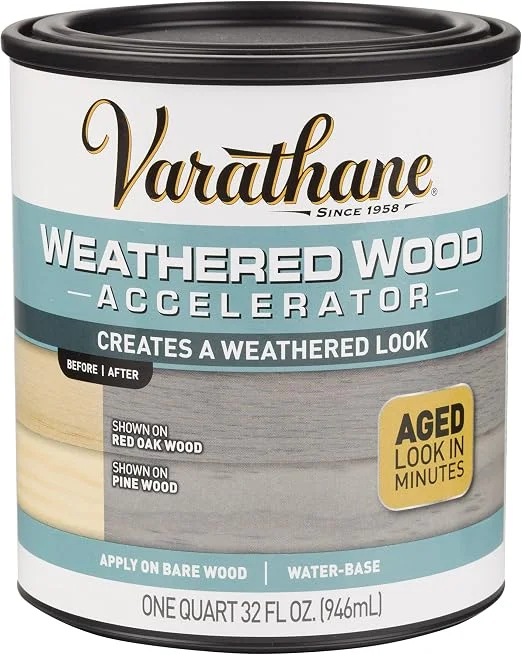 |
Varathane Weathered Gray Wood Accelerator, Quart – $15.27 Uses the same tannin-reaction chemistry as the DIY vinegar and steel wool soak, but grays cedar within minutes instead of a 12+ hour wait.
|
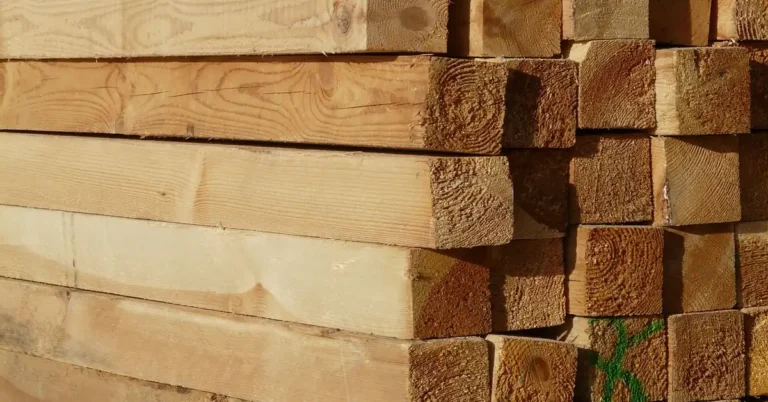
- Cedar boards, cleaned and sanded (120-150 grit) to remove any mill glaze
- 0000 (fine) steel wool, 1-2 pads
- White vinegar, 2-3 cups per pad of steel wool
- A glass jar with a loose-fitting lid (the reaction releases hydrogen gas — don’t seal it tightly)
- A natural-bristle or foam brush
- A stiff wire brush for texturing
- Safety goggles and gloves
Prefer to skip mixing your own solution? A bottled wood-aging accelerator (below) uses the same tannin-reaction chemistry ready-to-use.
Why Cedar Works Better Than Pine for This
The vinegar and steel wool solution works by dissolving iron into a mild iron acetate, which then reacts with tannins in the wood to form a dark gray-black pigment right in the fibers. Cedar already contains a moderate amount of natural tannins (part of what makes it rot- and insect-resistant), so the reaction happens directly on bare cedar. See our guide to which woods naturally go gray with age for why cedar and teak weather this way even without any treatment at all. Low-tannin woods like pine need a separate strong black tea wash brushed on first to supply enough tannin for the reaction — cedar generally doesn’t need that extra step.
Step-by-Step: The Vinegar and Steel Wool Method
- Pull apart the steel wool so it dissolves faster and fully submerge it in the vinegar in your glass jar, lid on loosely.
- Let it sit at least 12 hours for a light gray result, or 24-48 hours for a deeper, more weathered tone. For faster results, gently simmer the vinegar and steel wool for 15-30 minutes in a well-ventilated area instead.
- Strain out the leftover steel wool through an old cloth or coffee filter so it doesn’t scratch the wood during application.
- Brush the solution onto clean, sanded cedar in the direction of the grain, covering the surface evenly in one pass — don’t wipe it off.
- Let it dry fully, 2-6 hours, before judging the color — the gray continues to darken as it dries and oxidizes.
- Apply a second coat if the first pass looks too light once dry, and let that dry fully too.
Wire-Brushing for Real Barn-Wood Texture
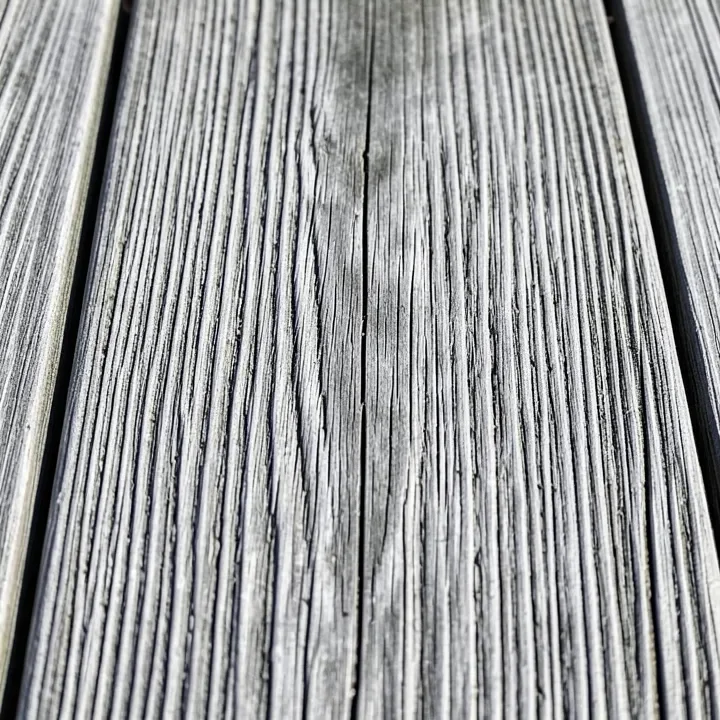
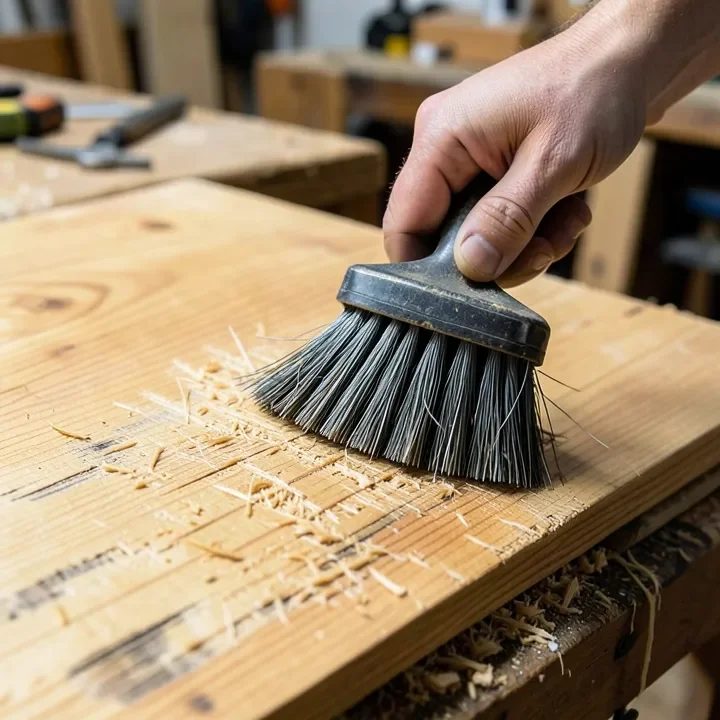
Color alone reads as “stained,” not “aged” — if you want to double-check your result against the real thing, our barn wood species identification guide covers what genuinely weathered wood grain looks like. Real barn wood gets its texture from decades of soft spring-wood fibers wearing away faster than the harder summer-wood grain lines, leaving a raised, ridged surface. Recreate that by dragging a stiff wire brush along the grain (never across it) after the wood is fully dry from the vinegar treatment — a few firm passes is usually enough on cedar, since it’s already a relatively soft wood. Vacuum off the loosened fibers before applying any topcoat.
DIY Solution vs. a Bottled Accelerator: Which Should You Use?
The DIY vinegar-and-steel-wool soak costs almost nothing but needs 12+ hours of lead time before you can use it. The bottled accelerator above costs more per project but grays the wood within minutes of brushing it on, with a more consistent, repeatable color from one application to the next — worth it if you have a large area or can’t plan a day ahead for the soak.
“The detail that actually sells the barn-wood look isn’t the gray color, it’s the wire-brushed texture underneath it — skip that step and even a perfect color match still reads as stained new wood.”
Frequently Asked Questions
How can I distress cedar wood effectively?
Wire-brush the wood along the grain after it’s dry to remove soft spring-wood fibers, leaving a raised, ridged texture like real weathered wood. Combine this with a vinegar and steel wool gray wash for both the texture and color of aged barn wood.
What ratio of vinegar to steel wool should I use?
Use about 2 to 3 cups of white vinegar per pad of 0000 (fine) steel wool, pulled apart so it dissolves faster. Let it sit at least 12 hours for a light gray, or 24 to 48 hours for a deeper tone.
Is it safe to use vinegar and steel wool to age wood?
Yes. It’s a simple iron-acetate and tannin reaction with no toxic fumes, though the jar will release a small amount of hydrogen gas, so keep the lid on loosely rather than sealed, and work in a ventilated space.
How long does it take to age cedar with this method?
The steel wool needs to soak in vinegar for at least 12 hours before use. Once brushed onto the cedar, the color takes 2 to 6 hours to fully develop as it dries and oxidizes; a second coat can be added afterward if needed.
Conclusion
A vinegar and steel wool soak turns cedar gray using the same tannin reaction real weathering relies on — cedar’s natural tannins mean you can skip the tea pre-treatment other woods need. Pair the color with a wire-brushed texture pass for the raised-grain look that actually sells the aged effect, or reach for a bottled wood-aging accelerator if you’d rather skip the mixing and waiting.
Sponsored / affiliate links. As an Amazon Associate I earn from qualifying purchases. I may earn additional commission from eligible campaigns.