What Do Termite Holes Look Like? Uncover the Signs
Are you worried that those mysterious little holes in your wooden furniture might be more than just wear and tear? Termites could be the silent invaders causing hidden damage in your home.
Recognizing the signs early can save you time, money, and a lot of stress. So, what do termite holes actually look like? You might be surprised to learn they are often smaller and more discreet than you expect, making them easy to miss.
We’ll reveal the telltale signs and help you identify these pesky intruders before they turn your home into a costly repair project. Keep reading to protect your investment and ensure peace of mind.
Credit: andersonpestsolutions.com
Identifying Termite Holes
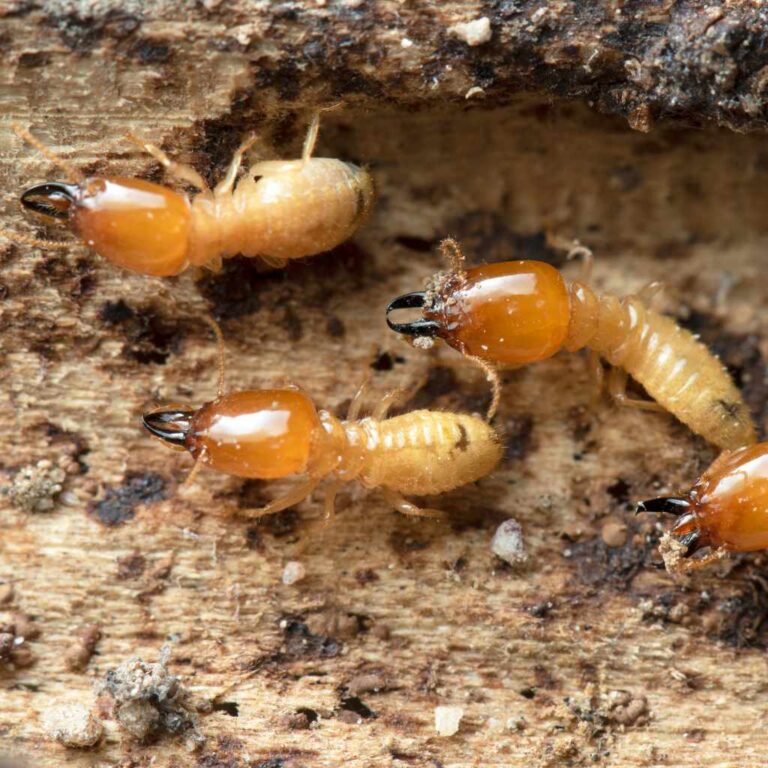
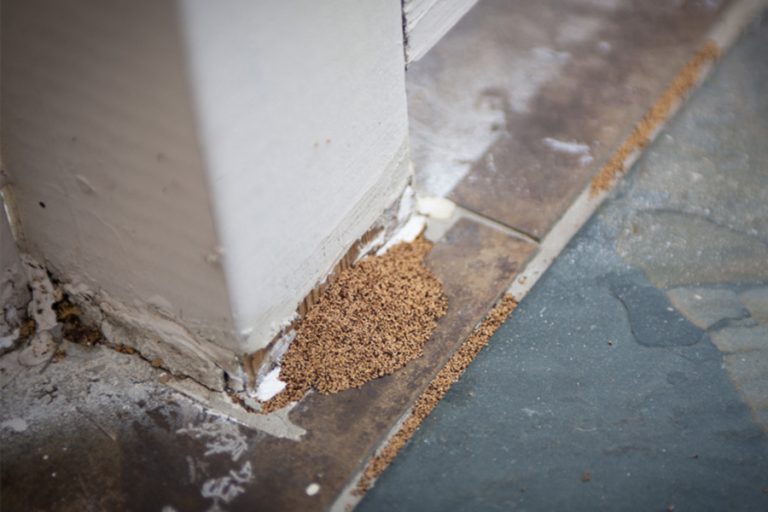
Termite holes are small and round. They appear on wood surfaces. These holes are often tiny. You may see them in wood furniture. You might notice dust near these holes. This dust is called frass. Frass looks like sawdust. Termites leave frass behind. Frass shows termite activity.
Termites create mud tubes. These tubes are brown and rough. They climb walls or wood. Mud tubes protect termites. They are easy to spot. Holes are hidden. Check for soft wood. Soft wood can hide holes. Use a flashlight to see better. Look for holes in dark corners. Holes are signs of termites.

Credit: stampedepestcontrol.com
Common Locations
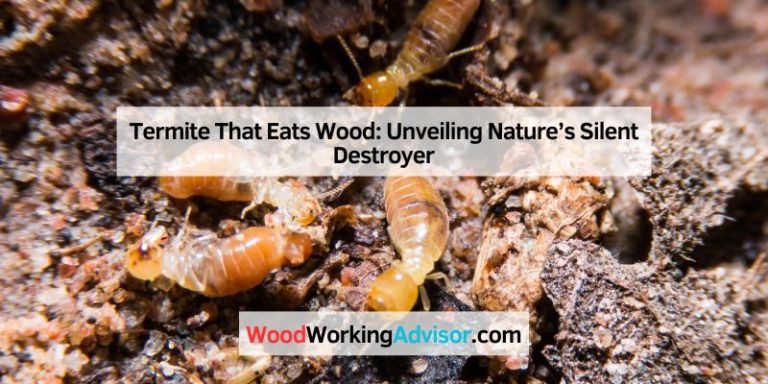
Termites love wood. They dig tiny holes in wooden structures. These holes are often small and can be hard to spot. Wood may look damaged or have a rough surface. Sometimes, you see dust or wood shavings near the holes. This is a sign of termites. Keep an eye on wooden beams and furniture.
Termites can also create holes in drywall. These holes are usually small and round. They might be covered by paint or wallpaper. Plaster can have thin cracks or lines. Termites may leave soil or mud trails near these holes. Check walls for signs of damage or stains. Termite holes can ruin the look of your walls.
Characteristics Of Termite Holes
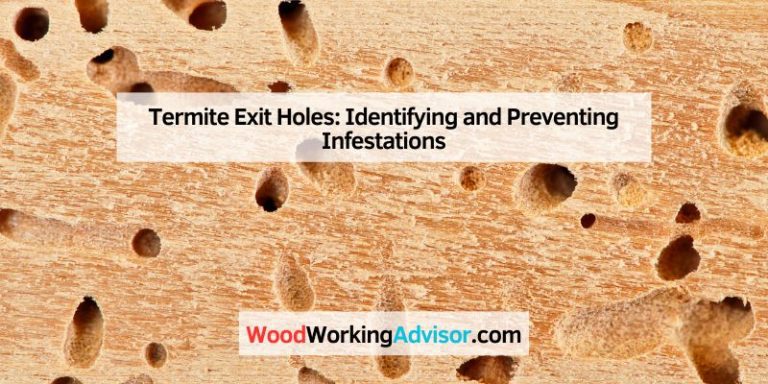
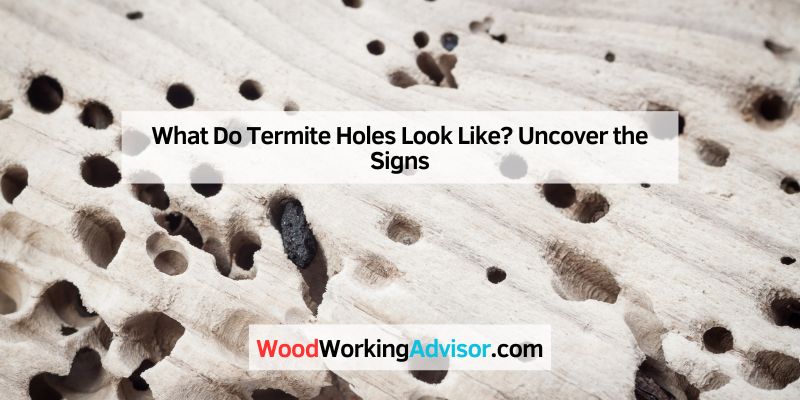
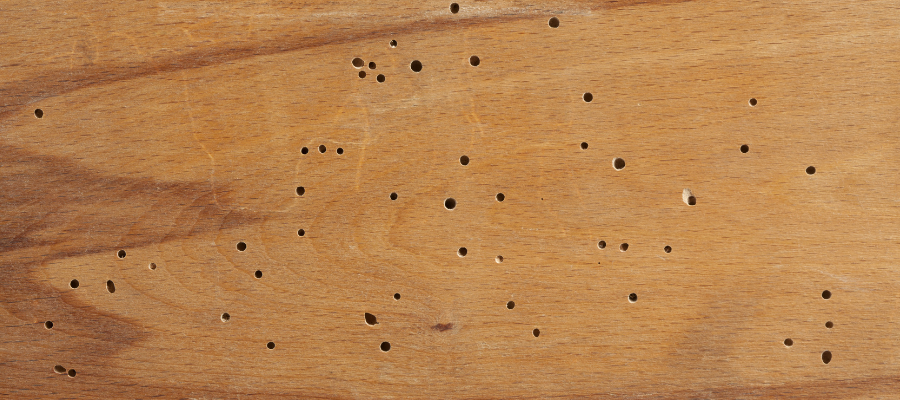
Termite holes are often small and round. Most holes are less than an inch wide. Some holes may appear oval or even irregular. Termites make these holes to exit their nests. They use these holes to search for food. Sometimes, holes may be hidden under wood or paint. Size may vary depending on the termite type.
Termite holes have rough edges. Edges are not smooth like other holes. They may look like tiny craters. The color of holes often matches the wood. Light brown or dark brown colors are common. Some holes may have a sandy look. Termites leave behind dust near these holes. This dust is called frass. Frass is tiny and resembles sawdust.
Signs Of Termite Activity
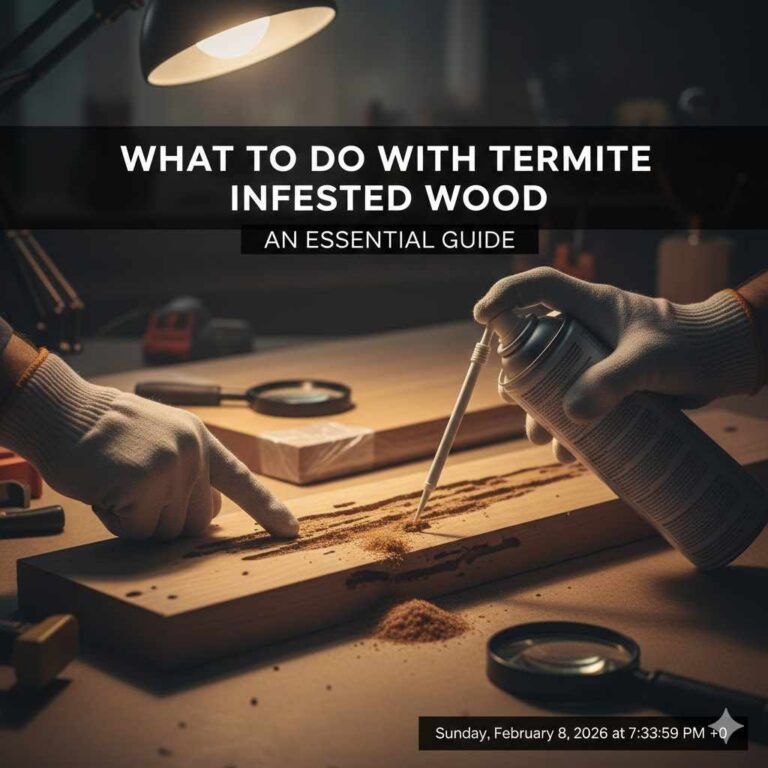
Termites leave behind tiny droppings called frass. These look like sawdust piles. Frass is found near wooden objects. It is a sign of termites chewing wood. The texture is powdery. It can have different colors. The color depends on the wood termites eat. Keep an eye out for these small piles.
Mud tubes are another sign. Termites build them for safety. These tubes are small and brown. They connect the ground to wood. Mud tubes help termites stay moist. They are often found on walls. Look for these tubes on foundation walls. They can be thin or thick. These tubes protect termites from light.
Differentiating From Other Pests
Tiny holes in wood signal termites. These holes are often small and round, resembling pin-sized gaps. Unlike other pest damage, termite holes appear in clusters, indicating an infestation.
Ant Holes Vs Termite Holes
Ant holes are usually neat and round. They often have small dirt mounds around them. Termite holes are different. They are irregular and look messy. You might see bits of wood around. Ants prefer open ground. Termites love wood and dark places. Their holes can be hidden in walls. Ant holes are easy to spot. Termite holes can be sneaky.
Carpenter Bees And Termites
Carpenter bees make holes in wood. These holes are clean and round. Termite holes are not like this. They are rough and jagged. Carpenter bees do not leave mud trails. Termites often leave mud tubes. Bees prefer dry wood. Termites like damp wood. Carpenter bee holes can be seen outside. Termite holes are often hidden inside.
Preventing Termite Infestation
Check your home every few months for termites. Look for small, round holes in wood. These holes might mean termites are there. Call an expert if you find any. An expert can help remove them safely. Regular checks can stop big problems later. This keeps your home safe and strong.
Termites love damp places. Fix any water leaks in your home. Keep your gutters clean and dry. Make sure the ground around your house is dry too. Use fans or vents in wet areas. This keeps termites away. Dry places are not good for them. Protect your home from these bugs.
When To Call A Professional
Termites leave tiny holes in wood. These holes can be hard to spot. They often look like pinpricks. Spotting these holes might mean termites have been busy. If holes keep appearing, it might be time for help. Mud tubes on walls can be another clue. These tubes are brown and easy to see. They help termites move safely.
Wood damage can be a big problem. Termites eat wood from the inside. This makes the wood weak and unsafe. You might see cracks or sagging floors. Doors and windows might not close right. These are signs of severe termite damage. Professionals can check and fix the problem. They know how to handle termite invasions.

Credit: pestgnome.com
Frequently Asked Questions
How To Tell If It’s A Termite Hole?
Look for small, round holes in wood, often with sawdust nearby. Termite holes may have mud tubes. Check for hollow-sounding wood and discarded wings. These signs indicate possible termite activity.
Is It Safe To Sleep In A House With Termites?
Sleeping in a house with termites is generally safe for health. Termites don’t pose direct threats to humans. However, they can cause structural damage, which might lead to safety issues over time. Regular inspections and prompt extermination are recommended to prevent damage and maintain a safe living environment.
Do Small Holes In Wood Mean Termites?
Small holes in wood often indicate termite activity. Termites create tunnels as they feed on wood. Other signs include discarded wings and mud tubes. Early detection prevents extensive damage. Contact a pest control expert for a professional inspection if you suspect an infestation.
Do Termites Leave Holes In The Ground?
Yes, termites can leave holes in the ground. Subterranean termites create tunnels and holes for nesting. These holes are often small and may be mistaken for other insect activity. Observing mud tubes or damaged wood nearby can help identify termite presence.
Regular inspections can prevent serious damage.
Conclusion
Identifying termite holes is crucial for protecting your home. These tiny holes indicate active termite presence. Early detection helps prevent severe damage. Regular inspections can save you money and stress. Look for small, round holes and mud tubes. These are common signs of termites.
Act quickly if you spot them. Professional pest control can help manage infestations. Protect your home by staying vigilant. Understanding termite signs keeps your property safe. Keep learning to safeguard your investment. Stay alert, and your home will thank you.