What Does Termite Eaten Wood Look Like? Signs and Solutions
Termites can cause serious damage to wooden structures. They eat wood, leading to costly repairs.
Ever wondered what termite-eaten wood looks like? Termites are small insects, but their impact can be huge. They chew through wood, causing significant structural damage over time. Recognizing the signs of termite damage early can save you a lot of trouble and money.
In this blog post, we will explore what termite-eaten wood looks like, the telltale signs of an infestation, and how you can identify them in your home. By understanding these signs, you can take action before the damage becomes severe. Stay with us to learn more about these silent destroyers and how to protect your property.
Introduction To Termite Damage
Termite damage can cause serious issues in homes. These pests can eat away at wood structures, leading to costly repairs. Understanding termite damage helps you take quick action to protect your home.
Common Misconceptions
Many people think termites only attack old houses. This is not true. Termites can infest new homes too. Another myth is that termites are easy to spot. Often, they work silently and out of sight.
Importance Of Early Detection
Early detection of termites can save you money. Look for signs like mud tubes and hollow wood. Catching an infestation early reduces repair costs. Regular inspections are key to spotting termites before they cause major damage.
Identifying Termite Eaten Wood
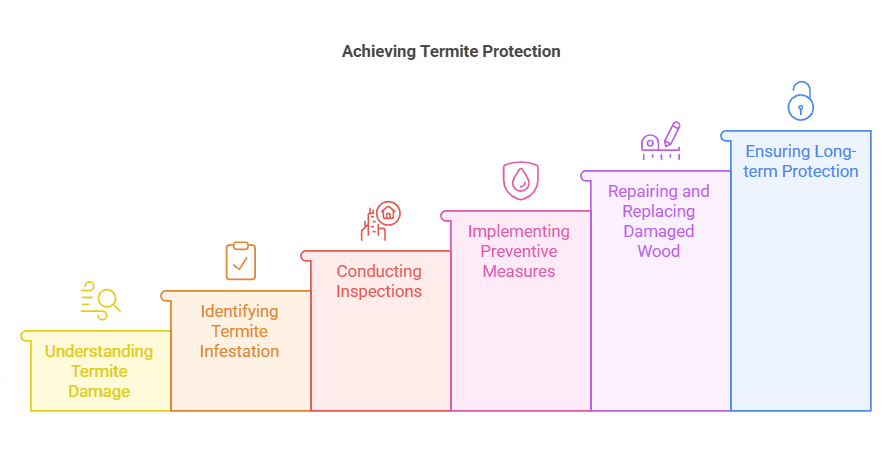
Termites can cause serious damage to wooden structures. Identifying termite eaten wood is crucial. It helps prevent further destruction. You can spot signs of termite damage in various ways.
Visual Indicators
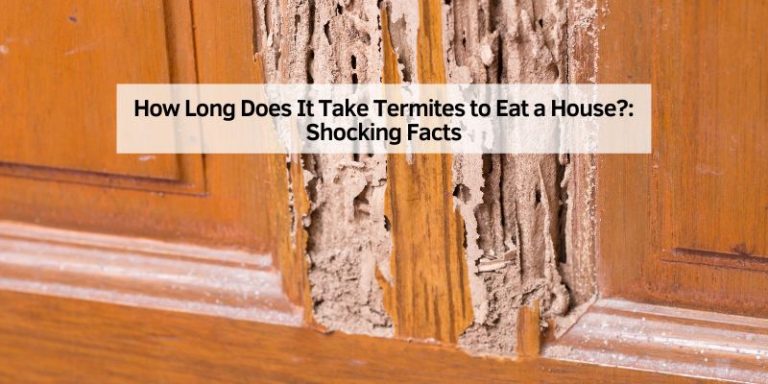
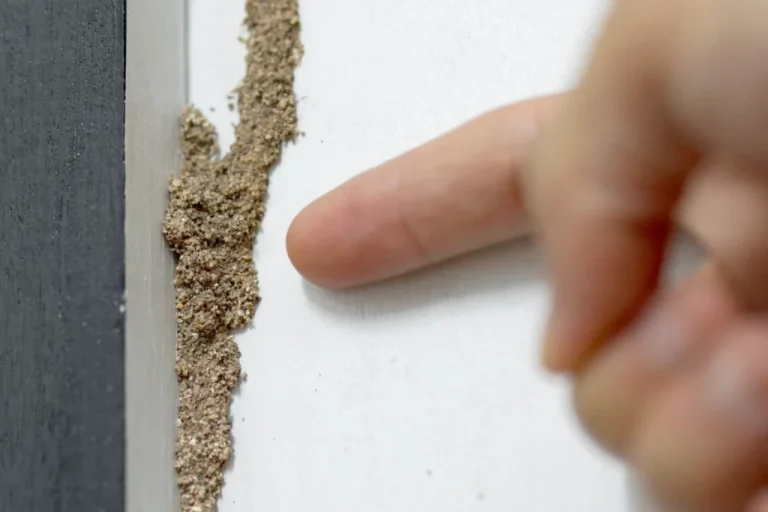
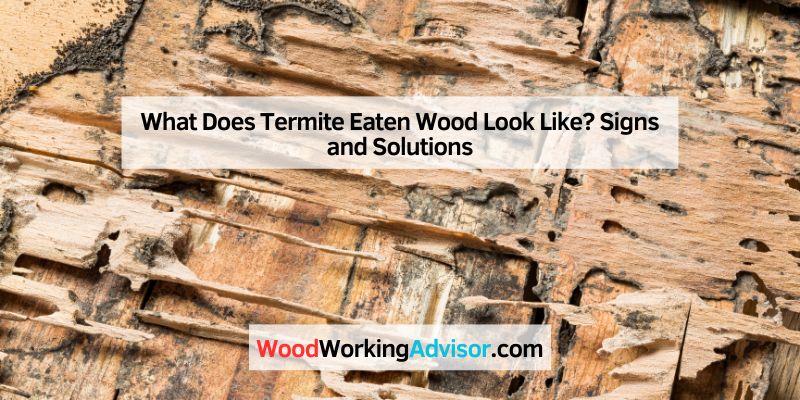
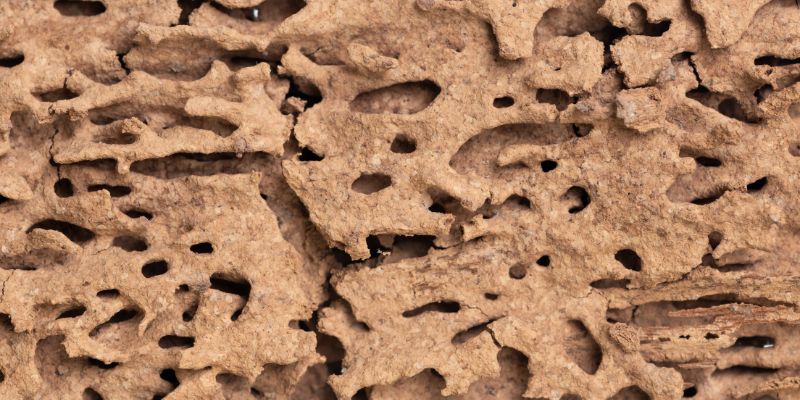
Look for small holes in the wood. These are often entry points for termites. You may also see tunnels or grooves. Termites create these as they eat through the wood. Dust or frass, a powdery substance, is another sign. It is left behind by termites.
Textural Changes
Termite eaten wood often feels hollow. Tap on the wood. If it sounds empty, termites may be the cause. The surface may also appear uneven. It can feel bumpy or gritty. The wood might crumble easily. This is due to the loss of structure.
Common Signs Of Termite Infestation
Termites can cause serious damage to homes. Recognizing the signs of an infestation early can save you from expensive repairs. Here are some common signs of termite infestation that you should be aware of.
Mud Tubes
Termites build mud tubes to protect themselves. These tubes are made from soil and wood particles. You will find them on walls, foundations, and other surfaces. They are often pencil-thin but can be larger. Break open a tube and check for live termites. If you see them, you have an active infestation.
Discarded Wings
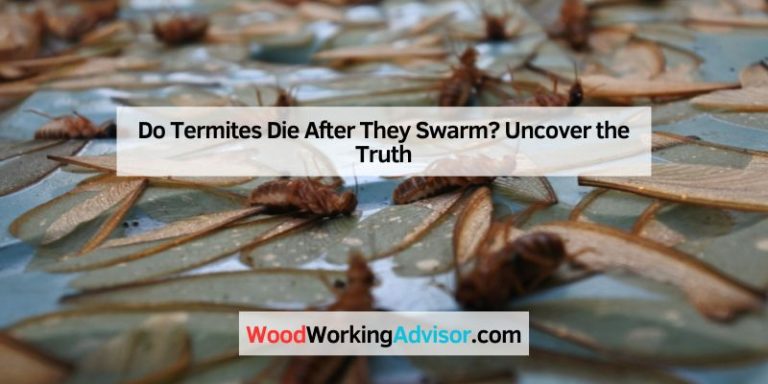
Winged termites, or swarmers, leave their nests to start new colonies. After finding a mate, they discard their wings. You might find these wings near windows, doors, or other entry points. The wings are often the same size and translucent. Finding discarded wings is a clear sign of a nearby termite colony.
Types Of Termites And Their Impact
Hey friends, termites can be a big problem. They eat wood and damage buildings. It’s important to know about different types of termites. Why? Because they cause different kinds of damage. Understanding them can help you protect your home better.
Subterranean Termites
Subterranean termites live in the soil. They build huge nests underground. These termites need moisture to survive. So, they stay close to the ground.
Impact:
- They make mud tubes to reach wood.
- They can damage the foundation of your home.
- Their colonies are large, causing widespread damage.
Imagine walking into your basement and finding mud tubes. That’s a sign of subterranean termites. They are sneaky and work from the ground up. They can cause serious structural issues if not addressed quickly.
Drywood Termites
Drywood termites are different. They do not need soil. They live in dry wood above ground. You might find them in furniture, walls, or even your attic.
Impact:
- They create small colonies, but can still cause damage.
- They eat across the grain of the wood, making it weak.
- They leave behind tiny piles of wood-colored pellets (their droppings).
Think about that old wooden chair in your attic. One day you notice tiny holes and small piles of pellets. That’s a sign of drywood termites. They can ruin your furniture and wooden items over time.
So, both types of termites are bad news. Subterranean termites work from below. Drywood termites work from above. Knowing the difference can help you spot the signs early. And that can save you a lot of trouble.
What Does Termite Eaten Wood Look Like
Inspection Tips
Hey there! Termites can cause serious damage to your home if left unchecked. But don’t worry, with the right inspection tips, you can catch them early. This section will guide you through the inspection process, whether you choose to hire a professional or tackle it yourself. Let’s dive in!
Professional Inspection
Getting a professional inspection can be a great idea. Experts have the tools and knowledge to spot termite damage you might miss. Here’s what you can expect:
- Thorough Check: Professionals will inspect both the inside and outside of your home.
- Advanced Tools: They use tools like moisture meters and infrared cameras to detect hidden damage.
- Detailed Report: After the inspection, you’ll get a detailed report with findings and recommendations.
I remember the first time I had a professional inspection done. The peace of mind was worth every penny. Plus, they found termites in a spot I would have never thought to check!
DIY Inspection Tips
Prefer to do it yourself? No problem! Here are some simple tips to help you inspect for termites:
- Check Wood: Tap on wooden structures. Hollow sounds could mean termites.
- Look for Mud Tubes: Termites build mud tubes for protection. Check your foundation and walls.
- Inspect Paint: Bubbling or uneven paint can be a sign of termite activity.
- Examine the Yard: Don’t forget to inspect wooden fences and tree stumps in your yard.
Last summer, I decided to do a DIY inspection. I found some mud tubes near the foundation. That small discovery helped me catch the problem early and save on repair costs.
So, whether you go with a professional or do it yourself, regular inspections are key. They help you catch termite problems before they become big headaches. Happy inspecting!
Preventive Measures
Termites can cause severe damage to wooden structures. Preventive measures can help protect your property. These measures are both simple and effective. By taking these steps, you can reduce the risk of termite infestations.
Moisture Control
Termites thrive in moist environments. Keeping your home dry is essential. Fix any leaks in pipes and roofs. Ensure proper drainage around your home. Use dehumidifiers in damp areas. Check your basement and crawl spaces often. Good ventilation helps reduce moisture. This makes your home less attractive to termites.
Wood Treatment
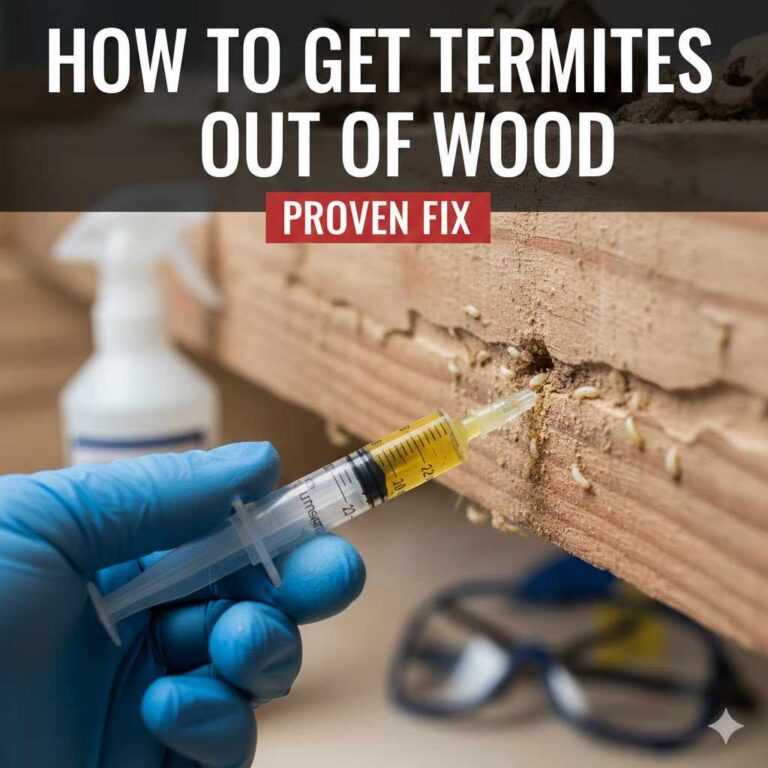
Treating wood is another effective way to prevent termites. Use termite-resistant wood for construction. Apply chemical treatments to existing wood. Borate solutions work well. They soak into the wood and deter termites. Regularly inspect wooden structures. Look for signs of termite damage. If you find any, treat the area immediately.
Solutions For Termite Damage
Termite damage can be devastating. These tiny pests can cause serious structural issues in your home. Addressing termite damage quickly is crucial. There are various solutions available.
Repair Options
Minor termite damage might be fixable with repairs. Wood filler can fill small holes left by termites. This can restore the wood’s appearance and strength. Professional pest control services can treat the affected areas. This prevents further damage.
Replacement Methods
Severe damage may require replacing the affected wood. This is often necessary if the wood’s structural integrity is compromised. Replacing wood ensures the safety and stability of your home. It is essential to hire a professional for this task. They will ensure the job is done correctly.
Long-term Protection
Termites can cause significant damage to wooden structures, leading to weakened foundations and costly repairs. Long-term protection involves regular inspections and treatments to ensure the safety of your property. Preventing termite infestations is key to maintaining the integrity of your home or building.
Termite damage can be costly and stressful. To protect your home long-term, you need a solid plan. This plan should include regular monitoring and professional treatments. With these steps, you can keep termites at bay and maintain your home’s integrity.
Regular Monitoring
Regular monitoring is key to spotting termites early. Inspect your home for signs of termites every few months. Look for damaged wood, mud tubes, and termite droppings. Use a flashlight to check dark areas like basements and crawl spaces. Early detection can save you from severe damage.
Professional help is also useful. Pest control experts can perform thorough inspections. They have tools and knowledge to find hidden termites. Schedule a professional inspection at least once a year.
Professional Treatments
Professional treatments are essential for long-term termite protection. Pest control companies offer various treatments. These include liquid treatments, bait systems, and fumigation. Each treatment has its advantages.
Liquid treatments create a barrier around your home. This barrier prevents termites from entering. Bait systems attract termites and then kill them. Fumigation is used for severe infestations.
Choose a treatment based on your home’s needs. Consult with a pest control expert to select the best option. This ensures effective and long-lasting protection. With regular monitoring and professional treatments, you can keep your home termite-free.
Credit: www.americanpoleandtimber.com
Frequently Asked Questions
What’s A Termite’s Favorite Food?
Termites love to eat cellulose, which is found in wood, paper, and plant materials. Wood is their favorite food.
What Is Termite’s Biggest Enemy?
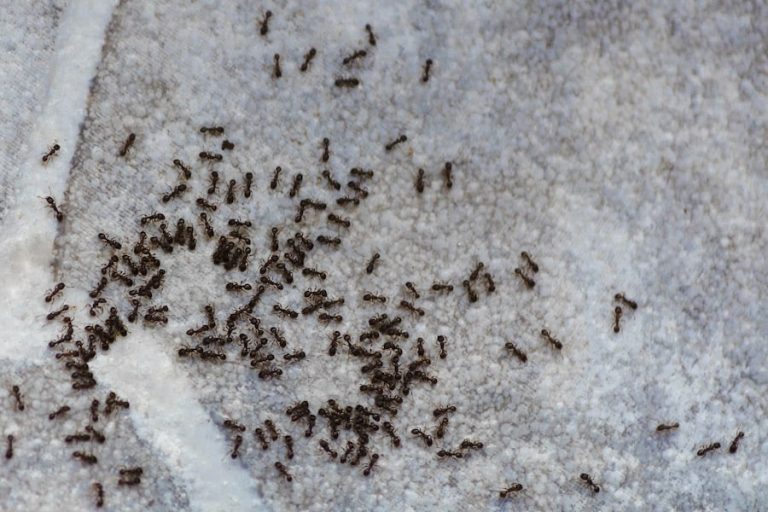
Termites’ biggest enemies are ants. Ants invade termite colonies, attack and eat them, causing significant damage to their population.
What Do Termites Hate The Most?
Termites hate sunlight, as it can kill them. They also dislike essential oils like orange and neem oil.
What Plants Do Termites Eat?
Termites eat wood, grass, leaves, and plant roots. They particularly enjoy decaying wood and cellulose-rich materials.
Conclusion
Termites can cause significant damage to homes and furniture. Regular inspections help in early detection. Protect your investment by staying informed and proactive. Simple steps like moisture control deter termites. Professional help is often necessary for severe infestations. Your home deserves the best care and attention.
Stay vigilant, and keep your property termite-free. Remember, prevention is easier than repair. Act now to safeguard your home.