What Fire Extinguisher is Used for Wood Paper And Fabric: Essential Guide
Imagine you’re at home, enjoying a peaceful evening, when suddenly you notice smoke coming from the living room. Panic sets in, and you rush to find a fire extinguisher.
But wait! Do you know which fire extinguisher is right for tackling fires involving wood, paper, or fabric? It’s a crucial question that could mean the difference between safety and disaster. Understanding the right tool for the job empowers you to protect your home and loved ones effectively.
You’ll discover what type of fire extinguisher is best suited for combustible materials like wood, paper, and fabric. By the end, you’ll be equipped with knowledge that ensures you’re prepared for any unexpected fire emergency. Keep reading to find out how you can make your home a safer place.
Types Of Fires
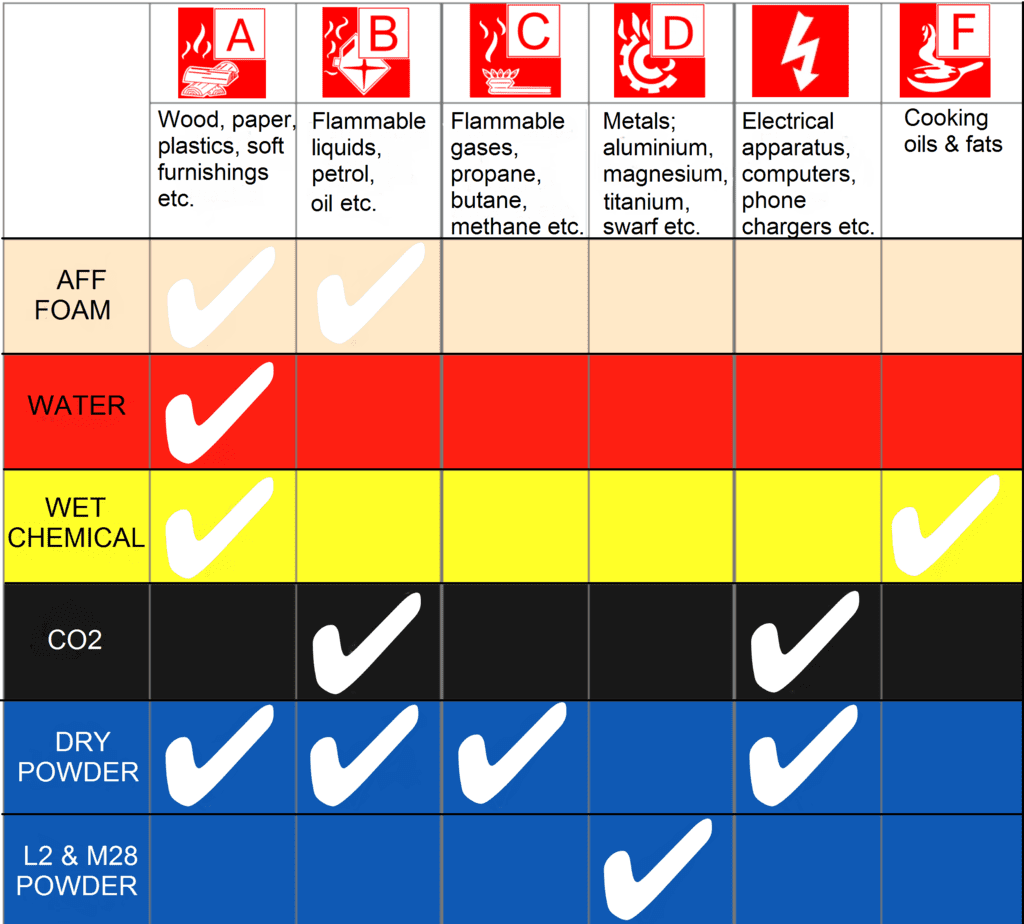
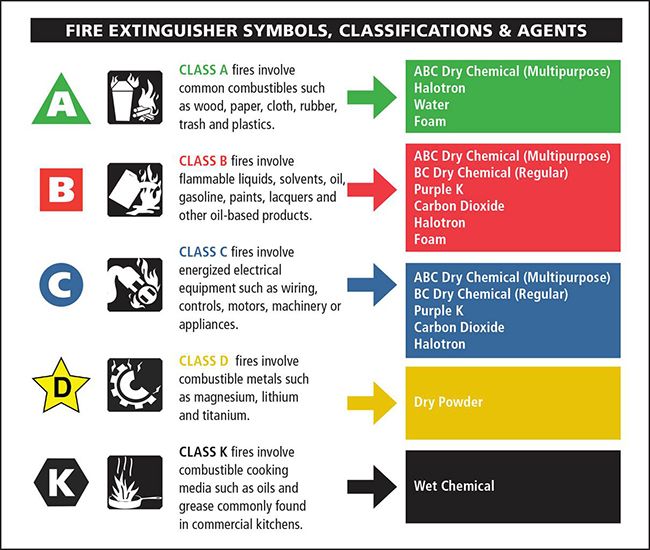
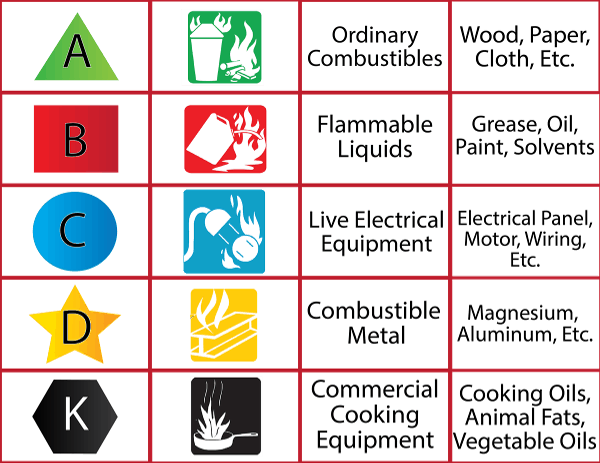
Fires involving wood, paper, and fabric require a specific extinguisher. Use a Class A fire extinguisher for these materials. It effectively douses flames with water or foam, tackling ordinary combustibles safely.
Classifications Of Fire
Fires have different classes. They are based on what burns. Class A fires involve wood, paper, and fabric. These materials burn easily. They need a special fire extinguisher. Not all fires are the same. Some fires need different ways to put them out. Knowing fire types helps stay safe.
Common Causes Of Wood, Paper, And Fabric Fires
Many fires start from careless actions. People leave candles burning. This can cause fires. Unattended cooking is another cause. It can lead to fires quickly. Electrical faults also start fires. Old wires can spark. Sparks can ignite materials. Be careful with matches and lighters. Keep them away from kids. These small actions can prevent big fires. Stay alert to avoid danger.
Credit: fireextinguisherdepot.com
Fire Extinguisher Basics
A fire extinguisher has several parts. The cylinderholds the extinguishing agent. The nozzledirects the spray. The handlehelps to grip it securely. The pinlocks the handle. It prevents accidental discharge. A gaugeshows the pressure level. It ensures the extinguisher is ready to use.
Different extinguishers work differently. Some use water, foam, or dry powder. Each agent targets specific fires. Wood, paper, and fabric fires need water or foam. These agents cool and smother flames. Using the right extinguisher is crucial. It stops the fire effectively.
Safety is very important. Check the extinguisher regularly. Ensure the gauge shows correct pressure. Keep it in an accessible place. Know how to use it. Practice with a trainer if unsure.
Always point the nozzle at the fire base. Keep a safe distance. Never use on electrical fires. It can be very dangerous. Remember, fire can spread quickly. Call professionals for help if needed.
Choosing The Right Extinguisher
Class A extinguishersare perfect for fires involving wood, paper, and fabric. They contain water or foam, which cools the fire. This stops the fire from spreading. These extinguishers are easy to find in homes and schools. They are simple to use. Just aim at the base of the fire and squeeze the handle. The foam or water will cover the fire. The fire will go out quickly. These tools are safe for most fires. But not for electrical or grease fires.
Features And Benefits
Class A extinguishers are lightweight. They are easy to carry. This makes them handy in an emergency. They are affordable. Most people can buy one for their home. They are also refillable. This means you can use them again. This saves money. They are also environmentally friendly. They do not harm the earth. Keep one nearby for safety.
How To Use A Fire Extinguisher
First, hold the fire extinguisher upright. Pull out the pin. This unlocks the handle. Next, aim the nozzle at the fire’s base. Stand about six feet away. Squeeze the handle slowly. Release the extinguishing agent. Sweep the nozzle side to side. Cover the fire completely. Continue until the fire is out. Be ready to move back. Safety first!
Forgetting to pull the pin is common. This makes the extinguisher unusable. Standing too close can be unsafe. The flames might reach you. Never aim at the flames’ top. Aim at the base. Using the wrong type of extinguisher is risky. Wood, paper, and fabric fires need a Class A extinguisher. Always check the label before use. Practice using an extinguisher helps. It builds confidence and knowledge.
Maintenance And Inspection
Routine Checksare vital for fire extinguishers. Always check the pressure gauge. It must be in the green zone. Ensure the extinguisher is not blocked by furniture or any other items. Verify that the pin is intact and the nozzle is clean. Shake the extinguisher regularly to prevent settling. These steps help keep it ready for use.
Signs of Wear and Tearcan affect extinguisher performance. Look for rust or corrosion on the body. Check the hose for cracks or damage. Inspect the label for fading or missing information. Notice any unusual sounds when shaken. If any issues are found, contact a professional for repair or replacement. Proper care ensures safety during emergencies.

Credit: fireextinguisherdepot.com
Legal And Safety Regulations
Fire extinguishers must meet strict standards. These rules keep people safe. Wood, paper, and fabric fires need the right type. Class A extinguishers work best. Check the labels before buying. The government sets these standards. Following rules prevents accidents. Inspect extinguishers regularly. Make sure they are in good condition.
Training is important for using fire extinguishers. People must know how to operate them. Practice helps in emergencies. Schools and offices should hold training sessions. Experts can teach these sessions. Everyone should know emergency exits. Fire drills help prepare for real fires. Safety is everyone’s responsibility. Keep fire exits clear.
Additional Fire Safety Tips
Keep fire hazards away. Things like candles and heaters. Avoid clutter. It can make fires spread faster. Check electrical cords often. Make sure they’re not damaged. Use smoke alarms. Test them every month. Keep exits clear. Always have a path to safety. Store flammable items properly. In safe areas. Teach kids about fire safety. They should know the rules.
Have a fire escape plan. Practice it twice a year. Know how to use fire extinguishers. They’re important in emergencies. Call 911 immediately. If a fire breaks out. Stay low to the ground. Smoke rises, so stay low. Feel doors before opening. If they’re hot, find another way. Use a wet cloth. Cover your mouth and nose. Don’t use elevators. Use stairs to escape. Meet at a safe spot. Everyone should gather there.
Credit: mungerconstruction.com
Frequently Asked Questions
What Type Of Fire Extinguisher For Wood Fires?
A water-based fire extinguisher is best for wood fires. It cools the burning material, effectively stopping the fire. Class A extinguishers are specifically designed for materials like wood, paper, and fabric. Always ensure the extinguisher is suitable for the materials involved.
Can A Foam Extinguisher Be Used On Paper?
Yes, a foam extinguisher can be used on paper. It is effective for Class A fires, including wood, paper, and textiles. Foam extinguishers work by cooling the fire and forming a barrier between the fuel and the fire.
Are Fabric Fires Common With Electrical Fires?
Fabric fires can occur with electrical fires. This is because fabric materials near electrical sources can easily ignite. Use a CO2 or dry powder extinguisher for electrical fires. Ensure to address the electrical source first.
Why Are Water Extinguishers Used For Wood?
Water extinguishers are used for wood because they are effective in cooling and extinguishing Class A fires. Water-based extinguishers quickly reduce the temperature and prevent re-ignition. They are ideal for organic materials like wood, paper, and fabric.
Conclusion
Choosing the right fire extinguisher is crucial for safety. For wood, paper, and fabric fires, use a Class A extinguisher. It effectively handles these materials. Always check the extinguisher’s label before use. Training is essential to ensure proper usage. Regularly inspect fire extinguishers for readiness.
Safety equipment must be accessible at all times. In case of a fire, stay calm and act quickly. Prioritize calling emergency services if needed. Protecting lives and property is the top priority. Stay informed, prepared, and safe. Fire safety knowledge can save lives.