What Happens To Cedar In Sea Wolves: Essential Guide
Cedar in “Sea Wolves” doesn’t undergo a physical transformation; rather, it serves as a crucial element in the narrative, symbolizing resilience, natural beauty, and the enduring spirit of the wild. The wood’s presence highlights the connection between the characters and their environment.
Hey there, woodworking enthusiasts and nature lovers! Ever wondered about the connection between cedar wood and the intriguing world of “Sea Wolves”? It’s a question that pops up, and it might seem a bit mysterious at first. But don’t worry! As your friendly woodworking mentor, Md Meraj, I’m here to break it down for you in a way that’s easy to understand and super interesting. We’ll explore how cedar wood isn’t just a material in stories but a symbol that resonates deeply with themes of strength and the wild. Let’s dive in and uncover the story cedar tells in the “Sea Wolves” universe!
Understanding Cedar: More Than Just Wood
Cedar, in general, is a wood that has captured human imagination for centuries. Its appealing aroma, natural resistance to decay, and beautiful grain patterns have made it a favorite for everything from fencing and outdoor furniture to decorative chests and even pencil manufacturing. Its durability and pleasant scent are not just practical benefits; they contribute to a feeling of natural elegance and longevity.
In stories and symbolic language, cedar often represents:
- Resilience: Like the mighty trees that withstand harsh weather, cedar embodies strength and endurance.
- Purity and Strength: Many cultures associate cedar with protection and spiritual significance.
- The Natural World: Its distinct fragrance and texture connect us directly to the forests and wild landscapes.
“Sea Wolves” and the Symbolic Role of Cedar
When “Sea Wolves” comes into the picture, the presence of cedar isn’t just for show. It’s woven into the fabric of the story, acting as a silent narrator of themes and emotions. Think about it: “Sea Wolves” often conjures images of rugged coastlines, dense forests, and a life lived in close harmony with nature. Cedar naturally fits into this setting.
The phrase “what happens to cedar in Sea Wolves” is less about a literal, physical change to the wood and more about its symbolic meaning within the narrative context. Here’s what it generally signifies:
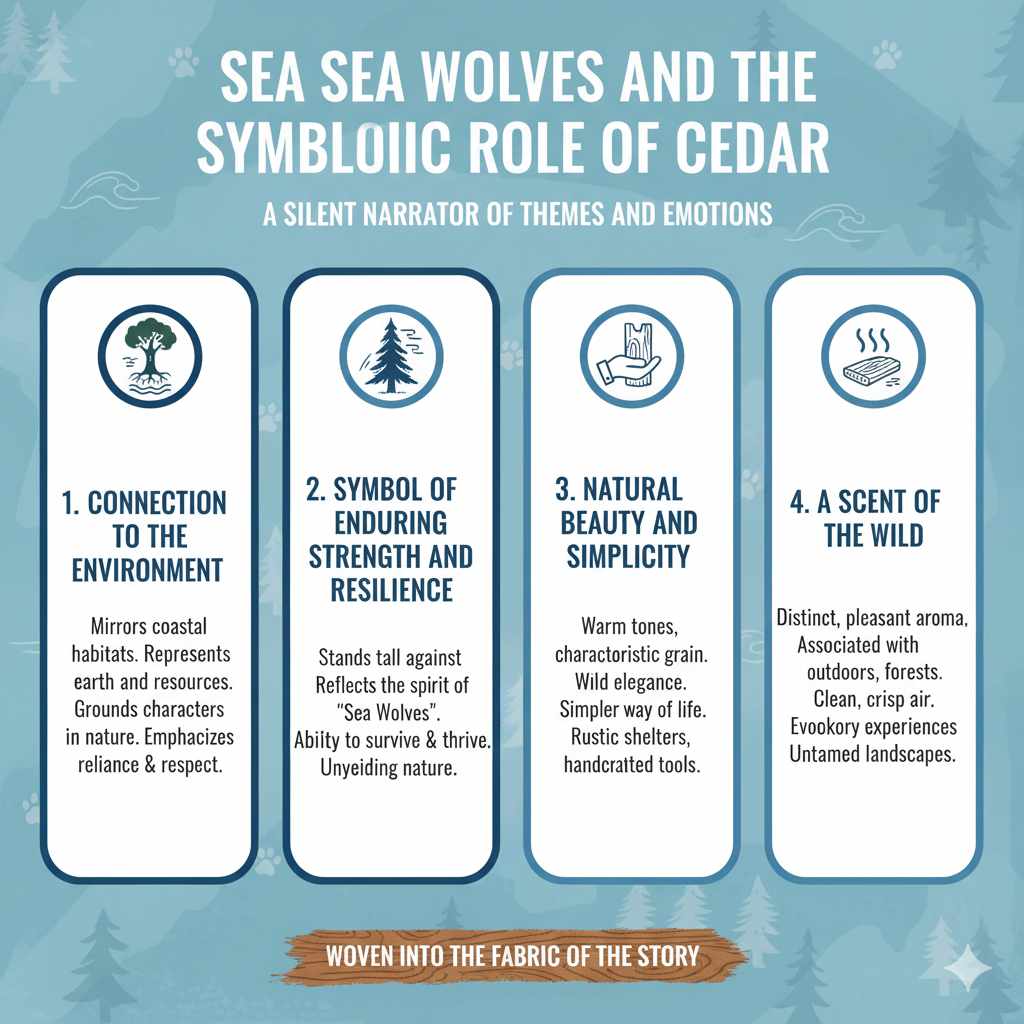
1. Connection to the Environment
Cedar trees are often found in coastal or wild regions, mirroring the habitats where “Sea Wolves” might roam or where the story’s characters live. The wood can represent the very earth and resources that sustain these communities or individuals. It grounds the characters in their natural surroundings, emphasizing their reliance on and respect for their environment.
2. Symbol of Enduring Strength and Resilience
Just as a cedar tree stands tall against storms, the wood can symbolize the enduring spirit of the “Sea Wolves” themselves. Whether this refers to a pack of wolves in nature or a metaphor for a group of people living a wild, independent life, cedar’s inherent toughness reflects their ability to survive and thrive in challenging conditions. It’s a subtle nod to their unyielding nature.
3. Natural Beauty and Simplicity
Cedar wood possesses a natural, unpretentious beauty. Its warm tones and characteristic grain can add a touch of wild elegance to any setting. In the context of “Sea Wolves,” it might represent a simpler way of life, free from artificiality, and appreciative of the inherent beauty found in the natural world. Think of rustic shelters, handcrafted tools, or traditional elements that speak of a life lived authentically.
4. A Scent of the Wild
Did you know cedar has a distinct, pleasant aroma? This scent is often associated with the outdoors, forests, and a clean, crisp air. When cedar is present in “Sea Wolves,” its fragrance can evoke specific sensory experiences, instantly transporting the reader or viewer to the wild, untamed landscapes that are central to the story’s atmosphere.
Beyond the Symbolism: Practical Uses of Cedar
While the symbolic role of cedar in narratives like “Sea Wolves” is rich, it’s also worth remembering the practical qualities that make cedar such a valuable material in the real world. These qualities often inform why a storyteller might choose to include it.
Why Cedar is a Great Wood Choice:
- Natural Insect Repellent: Cedar contains natural oils that deter moths, mildew, and other insects. This is why it’s often used for closet linings and storage chests.
- Moisture Resistance: Its natural oils also make it resistant to rot and decay, making it excellent for outdoor applications like decking, fencing, and siding, which can feature in coastal settings.
- Thermal Properties: Cedar is a good insulator, which can be a subtle but important consideration for dwellings or structures within a story’s setting.
- Lightweight and Stable: It’s relatively lightweight, making it easier to work with, and it doesn’t tend to warp or shrink significantly once dried.
- Aesthetically Pleasing: The rich color and attractive grain patterns are beautiful on their own.
These practical benefits mean that when cedar appears in a setting, it often implies durability and a connection to natural protection, reinforcing its symbolic meanings.
Working with Cedar: A Beginner’s Perspective
If the idea of working with cedar sparks your interest, you’ll be happy to know it’s a wonderfully accessible wood for beginners. Its forgiving nature and pleasant scent make it a joy to handle.
Essential Cedar Projects for Beginners:
- Cedar Planters: Perfect for small herb gardens or flowers, these are relatively simple to construct and add natural beauty to any outdoor space.
- Cedar Birdhouses: A fun project that can attract local wildlife and is typically straightforward to build.
- Cedar Coasters: Small, useful, and a great way to practice precise cutting and finishing.
- Cedar Scented Storage Boxes: Combine the practical insect-repellent qualities with simple box construction.
Basic Cedar Woodworking Tools You’ll Need:
For these beginner projects, you don’t need a workshop full of fancy equipment. Here’s a starting list:
- Measuring Tape: For accurate measurements.
- Pencil: For marking cuts.
- Saw: A handsaw is perfectly fine to start. A miter saw or circular saw can speed things up later.
- Drill: For pilot holes and driving screws.
- Screwdriver or Drill Bits: To match your screws.
- Sandpaper: For smoothing edges and surfaces. Start with medium-grit (like 120) and finish with fine-grit (like 220).
- Clamps: To hold pieces in place while glue dries or while you fasten them together.
- Safety Glasses: Absolutely essential for protecting your eyes!
- Work Gloves: Optional, but can protect your hands.
Always remember to work in a well-ventilated area and keep your tools clean and sharp. If you’re using power tools, familiarize yourself completely with their operation and safety features before you begin.
Cedar Varieties and Their Characteristics
Not all cedar is created equal! Different types of cedar have distinct characteristics in terms of color, scent, and durability. Understanding these can help you appreciate why certain cedars might be chosen for specific applications, both in real life and in storytelling.
Here’s a quick look at some common types:
| Cedar Type | Common Uses | Key Characteristics |
|---|---|---|
| Western Red Cedar | Siding, decking, shingles, outdoor furniture, fences | Lightweight, highly resistant to rot and decay, rich aroma, reddish-brown to pinkish-red color, very stable. |
| Eastern Red Cedar | Pencil wood, closet lining, fence posts, handicrafts. Considered a softwood. | Aromatic, naturally pest-resistant, splits easily, deep reddish-brown heartwood, often knotty. |
| Spanish Cedar | Cigar box interiors, humidors, cabinetry, musical instruments | Lightweight, aromatic (though different from North American cedars), easy to work, knot-free lengths common, pale pink to reddish-brown. Although called “cedar,” it’s not in the Cedrus genus. |
| Aromatic Red Cedar | Closet lining, chests, moth repellent sachets | Strong, distinctive aroma, moth-repelling properties, prone to checking (fine cracks). |
The type of cedar used can subtly enhance the story’s setting. For instance, Western Red Cedar might suggest a majestic, imposing presence in a forest, while Aromatic Red Cedar could imply practical household uses for protection against nature’s nuisances.
Cedar in Coastal Environments: Durability and Resilience
Given the “Sea Wolves” context, it’s natural to think about how cedar fares in maritime or coastal environments. Cedar’s inherent resistance to moisture and decay makes it exceptionally well-suited for these challenging conditions.
Western Red Cedar, for example, is a popular choice for coastal construction precisely because it can withstand high humidity and salt spray better than many other wood species. This resilience is key.
Consider these points:
- Salt Tolerance: While no wood is immune to the effects of salt, cedar’s natural oils provide a significant barrier against the corrosive properties of salty air and water.
- Moisture and Fungi Resistance: Coastal areas are often damp. Cedar’s natural compounds help it resist fungal growth and rot, which are common problems in humid environments.
- Wind Resistance: The strength and stability of cedar, particularly older growth, make it suitable for structures that must endure strong coastal winds.
In “Sea Wolves,” if cedar is depicted as part of a dwelling, a boat, or even scattered driftwood, it reinforces the theme of endurance. It suggests that even in harsh, windswept, and salty conditions, there are elements of nature that not only survive but thrive, mirroring the spirit of the “Sea Wolves” themselves.
For more on how wood types perform in coastal environments, reputable sources like the Forest Products Laboratory (part of the U.S. Forest Service) offer detailed research.
Cedar’s Role in Craftsmanship and Authenticity
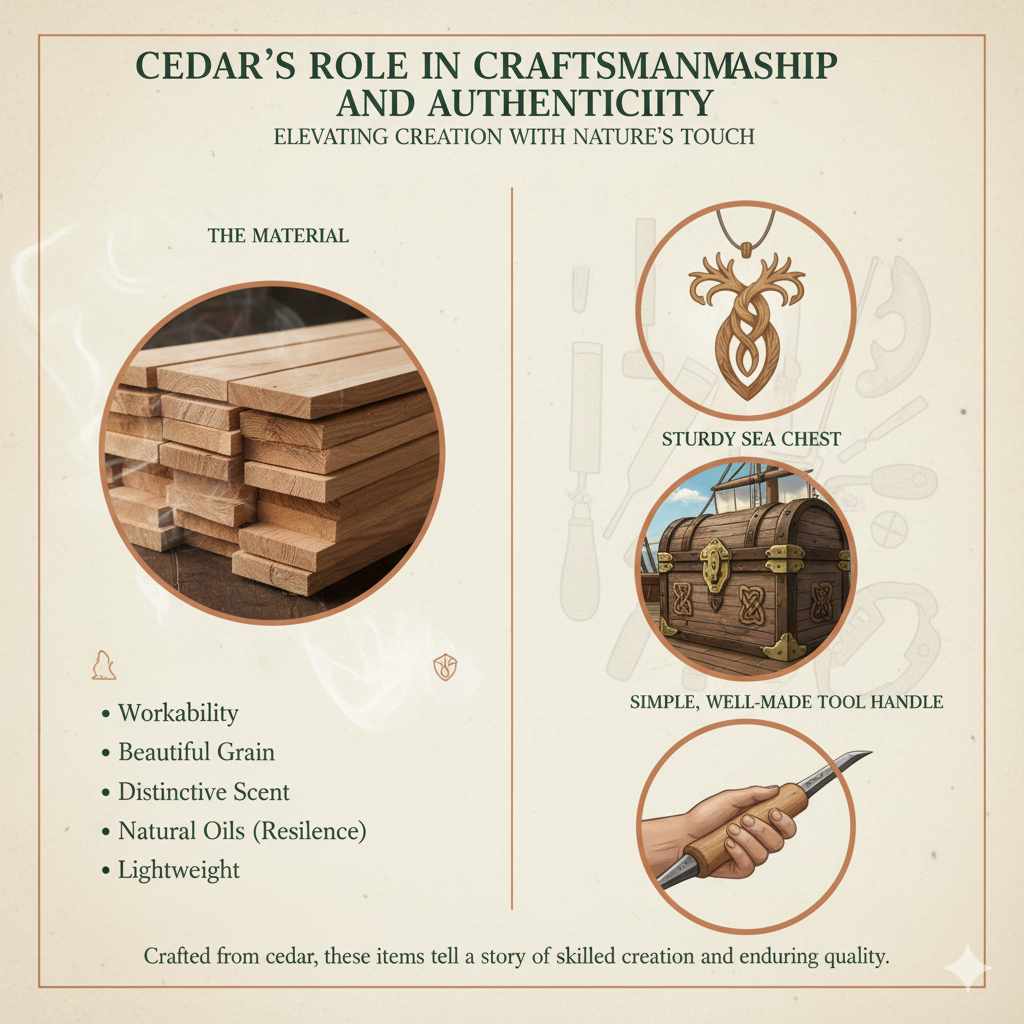
In any context where craftsmanship is valued, cedar often plays a significant role. Its workability, combined with its beautiful grain and scent, makes it a rewarding material for makers. When cedar appears in a narrative, it can elevate the sense of authenticity and skilled creation.
Imagine a handcrafted item made from cedar:
- A carved talisman: Representing protection and connection to nature.
- A sturdy sea chest: Holding treasured belongings, resilient against the sea air.
- A simple, well-made tool handle: Offering a comfortable, natural grip.
These items, crafted from cedar, speak of a dedication to quality and an appreciation for natural materials. In “Sea Wolves,” the use of cedar could be a way to highlight the skills of the characters or the historical authenticity of their way of life. It suggests something is built to last, made with care, and deeply connected to the surroundings.
FAQ: Your Cedar and “Sea Wolves” Questions Answered
Let’s tackle some common questions beginners might have about cedar, especially as it relates to themes like those found in “Sea Wolves.”
What does cedar represent in a story like “Sea Wolves”?
In narratives like “Sea Wolves,” cedar typically symbolizes resilience, enduring strength, a connection to the natural world, and simplicity. Its presence often grounds characters in their environment and reflects their own tough, enduring spirits.
Does cedar actually change when it’s near “Sea Wolves”?
No, cedar wood itself does not physically change or transform due to the presence of “Sea Wolves.” The connection is symbolic and thematic within the story. “Sea Wolves” refers to a narrative context, not a literal phenomenon affecting wood.
Is cedar wood good for outdoor projects?
Yes, cedar is an excellent choice for outdoor projects! It’s naturally resistant to rot, decay, and insect infestations, making it ideal for decks, fences, siding, and outdoor furniture. Its durability is a major advantage.
Is cedar hard to work with for beginners?
Cedar is generally considered one of the easier woods for beginners to work with. It’s relatively soft, lightweight, and cuts cleanly, making it forgiving for mistakes and enjoyable to craft with.
Why is cedar so aromatic?
The distinctive scent of cedar comes from natural oils and “extractives” within the wood. These compounds not only create the aroma but are also responsible for its natural resistance to insects and decay.
Can cedar wood be used for boat building?
Yes, certain types of cedar, like Western Red Cedar, have been used in boat building, especially for components like planking and decking, due to their lightweight nature and resistance to rot. However, other woods are often preferred for structural elements needing extreme strength.
What’s the difference between Western Red Cedar and Aromatic Red Cedar?
Western Red Cedar is known for its excellent durability, rot, and insect resistance, making it superb for outdoor use. Aromatic Red Cedar is highly prized for its strong, pleasant scent and moth-repelling qualities, commonly used for closet linings and chests. While both are cedars, their primary applications and characteristics differ significantly besides the scent and durability.
Conclusion
So, what happens to cedar in “Sea Wolves”? It embodies the very essence of the wild, natural world that stories like “Sea Wolves” often explore. Cedar doesn’t transform; instead, it represents. It stands as a symbol of resilience against the elements, a testament to the beauty of nature, and a quiet reminder of the enduring spirit found in both the wilderness and the characters who inhabit it. Its natural durability and pleasant aroma make it not just a narrative device but a beloved material in woodworking, offering beginners a fantastic entry point into crafting beautiful, functional items.
Whether you’re enjoying a story that features this wonderful wood or picking up a tool to craft with it yourself, the legacy of cedar is one of strength, beauty, and a deep connection to the great outdoors. Keep exploring, keep creating, and embrace the enduring qualities of cedar – you’ll find them inspiring, both in your projects and in your appreciation for the natural world! Happy woodworking!