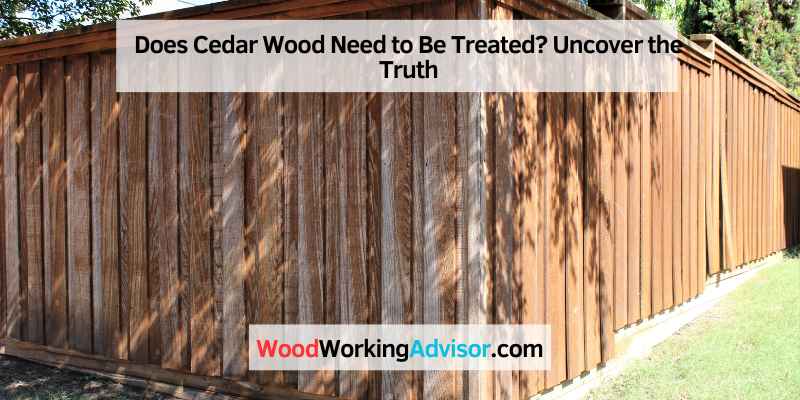
Does Cedar Wood Need to Be Treated? (Outdoor vs Indoor Rules)
Untreated cedar wood naturally resists rot, decay, and insects thanks to thujaplicin oils in its heartwood — no sealant required for basic durability. But left bare outdoors, cedar weathers to silver-gray within about a year, and iron in standard nails can leave black stains behind. This guide covers when treatment actually helps, why indoor aromatic cedar should never be sealed, and the exact fasteners that prevent tannin staining.
Quick Answer
Cedar wood does not need to be treated for basic decay and insect resistance — its natural oils handle that on their own. Treatment is optional for outdoor cedar (decks, fences, siding) to slow graying and add UV protection, but indoor aromatic cedar (closets, chests) should never be sealed, since sealing blocks the moth-repelling oils that make it useful in the first place.
Why Untreated Cedar Resists Decay on Its Own
Best Cedar Sealer Pick
Ready Seal Exterior Wood Stain & Sealer, Natural Cedar
A stain-and-sealer-in-one formulated to match cedar’s natural tone while blocking UV fade and moisture in a single coat.
- Best for: matching or restoring cedar’s original honey-brown color on decks and fences
- Why we picked it: no back-brushing required and can be recoated without stripping or sanding first
- Main drawback: longer cure time in humid climates than water-based alternatives
Compare more cedar sealer options
 Option 1 Olympic WaterGuard Woodland Cedar Stain & Sealer
|
 Option 2 Thompson’s WaterSeal Semi-Transparent Stain
|
 Option 3 DEFY Extreme Wood Stain and Sealer in One
|
As an Amazon Associate we earn from qualifying purchases.
Cedar heartwood contains thujaplicins — natural fungicidal and insecticidal compounds concentrated in the darker inner wood, not the lighter sapwood. These compounds are what earn Western red cedar heartwood a “resistant to decay” rating under USDA and AWPA durability standards, the same classification system used to rank pressure-treated lumber. That is why a fence board cut from heartwood can outlast an identical board cut mostly from sapwood by a decade or more, even with zero finish applied to either.
This natural resistance is also why cedar shows up throughout our cedar wood coverage as the go-to choice for outdoor builds — and, indoors, why the same oils that repel rot outdoors also repel moths and beetles in a cedar wood chest.
When Treating Cedar Actually Helps
Skipping treatment will not rot an outdoor cedar structure, but it does trade away color and a few years of service life. Left bare, cedar fades from honey-brown to silver-gray within 6–12 months as UV light breaks down the surface lignin — a cosmetic change, not a structural one. A well-built, properly ventilated cedar deck or fence typically lasts 15–20 years untreated; add a semi-transparent stain or sealer and reapply it every 2–3 years, and the same structure commonly reaches 25–30 years before boards need replacing.
📊 Untreated cedar decking: 15–20 years. Treated and maintained cedar decking: 25–30 years. — Source: Cedar industry durability data (Real Cedar / regional cedar deck builders, 2026)
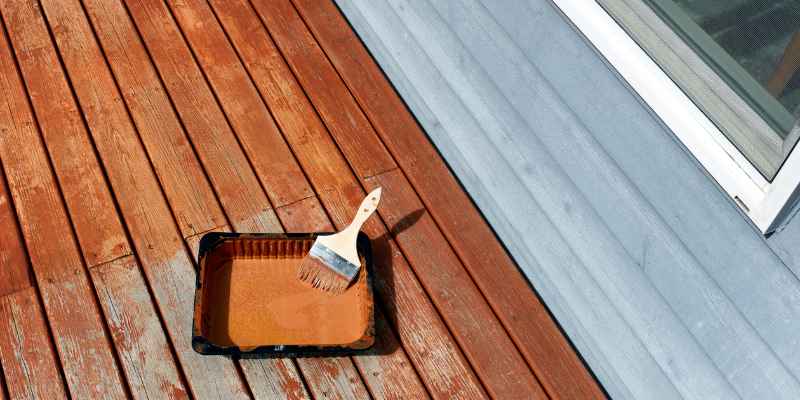
Treatment is worth the effort mainly in three situations: you want to keep the original honey-brown color rather than let it gray, the wood sits in near-ground contact or a splash zone where moisture lingers, or you are matching an existing stained deck or fence line. If none of those apply and you like the weathered silver look, you can skip treatment entirely and just treat cedar later if your priorities change — sealing bare, sun-grayed cedar still works as long as the surface is cleaned first.
The Fastener Rule That Prevents Black Staining
Cedar’s tannins solve one problem and create another: those same extractives react with iron to produce a blue-black stain wherever a standard steel nail, screw, or bracket touches the wood. The discoloration shows up as streaks bleeding out from every fastener head, and it happens whether the cedar is treated or left bare — it is a chemical reaction between the metal and the wood, not a coating failure.
The fix is choosing the right fastener before you build, not fixing the stain afterward. Hot-dip galvanized, stainless steel, or aluminum fasteners do not react with cedar’s extractives and will not cause this staining. Standard electroplated or bright steel fasteners will, usually within a few weeks of the first rain.
📊 Iron-tannin staining on cedar is a chemical reaction between extractives and metal — it is not rust runoff, and it happens even with some lower-grade “stainless-coated” fasteners. — Source: Western red cedar siding manufacturers’ care and maintenance guidance
If staining has already appeared, a mild oxalic acid wood cleaner will usually lift it, but the fastener still needs to be swapped or the stain returns. This is one of the most common finish complaints on cedar fences and siding — and the easiest one to avoid entirely at the framing stage.
Indoor Aromatic Cedar Should Never Be Sealed
Everything above applies to outdoor cedar. Indoor aromatic cedar — the reddish lining used in closets, chests, and drawer liners — works on the opposite principle, and treating it the way you would a deck actively ruins it.
The moth- and insect-repelling scent of aromatic cedar comes from oils that continuously migrate to the wood’s surface and evaporate into the enclosed space. Sealing, staining, or varnishing that surface traps the oils below the finish and stops the vapor release almost completely — the wood keeps its smell up close, but stops repelling anything. This is a common mistake when building a cedar-lined chest or closet: sealing the interior for a glossy look defeats the entire purpose of using cedar in the first place.
Instead, leave aromatic cedar unfinished, and lightly sand the surface every 1–2 years once the scent fades — sanding reopens the wood’s pores and restores oil migration without needing any product at all. For the full breakdown of what to use where indoors, see our guide on treating cedar wood for indoor use.
How Cedar Performs in Different Climates
Humid and Coastal Climates
Cedar resists rot well in humid conditions, but constant moisture still causes surface checking (fine cracks) and encourages mold growth on the surface film, not inside the wood. A semi-transparent, oil-based sealer that lets the wood breathe works better here than a film-forming finish, which can trap moisture underneath.
Hot, Dry, and High-UV Climates
Dry heat pulls moisture out of cedar faster than humid climates do, which raises the risk of brittleness and cracking rather than rot. A sealer with UV inhibitors slows the surface graying and fading that dry, sun-heavy regions accelerate, and regular cleaning keeps trapped debris from holding moisture against the grain during the rare wet spell.
How to Treat Cedar the Right Way, If You Choose To
Sealers and stains penetrate the surface and add UV and moisture protection; preservatives (copper- or borate-based) go further and are typically reserved for ground-contact applications rather than a fence or deck surface. Whichever you choose, application order matters more than the product itself:
- Strip and clean: remove any existing failed finish and wash the surface with a cedar-safe deck cleaner to lift dirt, mildew, and surface tannins before anything new goes on.
- Let it dry fully: give the wood 48–72 hours to dry completely after cleaning — sealing over damp cedar traps moisture underneath the new coat.
- Sand lightly: a light pass with fine-grit sandpaper smooths raised grain and opens the surface so the finish penetrates instead of sitting on top.
- Apply a cedar-specific stain or sealer: use a product formulated for cedar (see the picks above) and follow the manufacturer’s coat count and dry time — most cedar sealers only need one coat.
| Factor | Left Untreated | Sealed & Maintained |
|---|---|---|
| Decay/insect resistance | Naturally resistant on its own | Same resistance, no real gain here |
| Color | Fades to silver-gray in 6–12 months | Holds honey-brown tone between coats |
| Typical outdoor lifespan | 15–20 years | 25–30 years |
| Maintenance | Occasional cleaning only | Reseal every 2–3 years |
| Best for | Fences, sheds, a natural weathered look | Decks, siding near color-matched trim |
Maintenance Considerations for Either Choice
Whether you treat cedar or leave it bare, inspect it at least once a year — ideally before and after the harshest weather your area sees. Look for loose or damaged boards, soft spots that indicate trapped moisture, and any dark streaking near fasteners (see the fastener section above). Soft spots are the one sign worth acting on immediately; see our guide on how long cedar actually lasts before it rots for what to check and when replacement beats repair. If you did seal or stain the wood, plan on reapplication every 2–3 years; sun exposure, rainfall, and the specific product all shift that window, so follow the manufacturer’s guidance for the product you chose rather than a fixed calendar date.
Frequently Asked Questions
Can you leave cedar untreated?
Yes. Cedar’s natural oils make it resistant to decay and insects without any finish. Left untreated, it will weather to a silver-gray patina within about a year while keeping its structural integrity for 15–20 years outdoors.
Do I need to seal cedar wood outdoors?
No, not for protection — cedar doesn’t need sealing to resist rot. Sealing is worth doing if you want to keep the original color, add UV protection, or extend a deck’s service life from roughly 15–20 years to 25–30 years.
Does cedar decking need to be treated for outdoor use?
No. Cedar decking does not require treatment to resist rot or insects. Treatment is optional and mainly affects color retention and longevity, not whether the deck will rot without it.
How long does untreated cedar wood last outdoors?
Untreated cedar typically lasts 15–20 years outdoors in a properly ventilated installation without ground contact. Poor drainage, ground contact, or a harsh coastal climate can shorten that; regular sealing can extend it to 25–30 years.
Should you seal a cedar closet or cedar chest?
No. Sealing aromatic cedar traps the oils that give it a moth-repelling scent, which defeats its purpose. Leave interior cedar surfaces unfinished and lightly sand them every 1–2 years to refresh the scent instead.
What screws or nails should I use with cedar?
Use hot-dip galvanized, stainless steel, or aluminum fasteners. Standard steel fasteners react with cedar’s tannins and leave blue-black staining around every screw or nail head, usually within a few weeks of exposure to rain.
Cedar’s natural oils mean treatment is optional for decay resistance, whether it’s a fence, deck, or siding — the real decision is about color, UV protection, and matching your fastener choice to avoid staining. Indoors, aromatic cedar breaks that rule entirely: leave it unfinished so its oils can keep working.
Sponsored / affiliate links. As an Amazon Associate I earn from qualifying purchases. I may earn additional commission from eligible campaigns.