What is Boiled Linseed Oil Used for: Versatile Applications Revealed
Boiled linseed oil is a versatile product with many uses. It is commonly used in woodworking, painting, and home improvement projects.
This oil is derived from flaxseed and goes through a boiling process, which speeds up drying time. Its rapid drying makes it perfect for treating wood, enhancing its appearance, and protecting it from damage. Not only does it beautify wooden surfaces, but it also provides a durable finish that can withstand the elements.
Boiled linseed oil is a favorite among craftsmen and DIY enthusiasts for its ability to preserve and protect wood while providing a rich, natural finish. Whether you are restoring furniture, sealing a deck, or adding a final touch to your woodwork, boiled linseed oil offers a reliable solution.
Introduction To Boiled Linseed Oil
Boiled linseed oil has been used for centuries. People used it to protect wood. This oil comes from flax seeds. It was popular in ancient times. Artists used it in their paintings. Woodworkers loved its protective qualities. It made wood look beautiful. It also kept wood from rotting. Many old buildings had linseed oil on them. This oil helped them last longer.
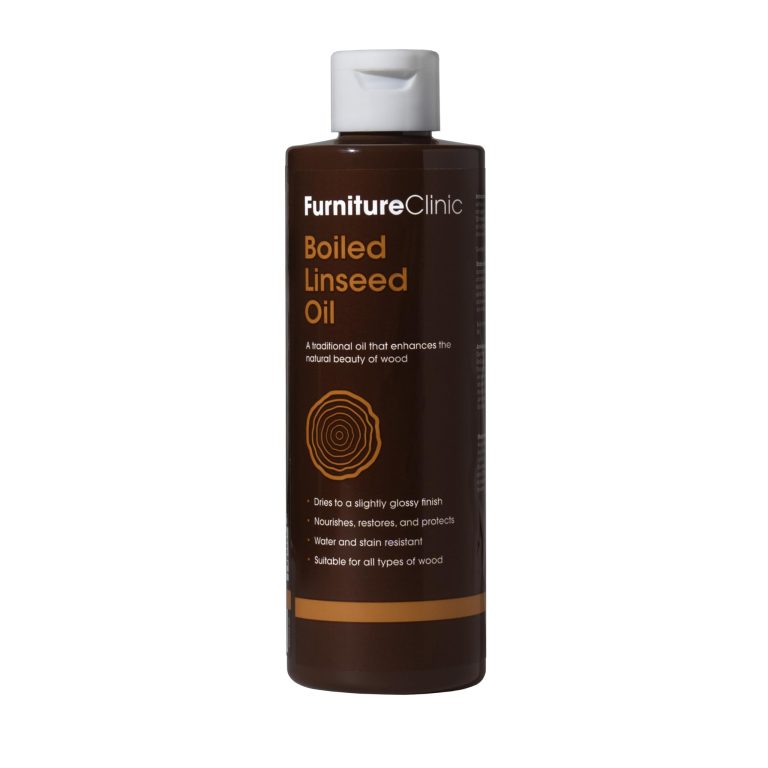
Boiled linseed oil is a thick liquid. It dries quickly. It is different from raw linseed oil. The boiled version has added chemicals. These chemicals make it dry faster. It also has a strong smell. This oil is yellow-brown in color. It feels sticky to touch. It is water-resistant. This means it keeps water away from surfaces. It also protects wood from insects. It makes wood look shiny.
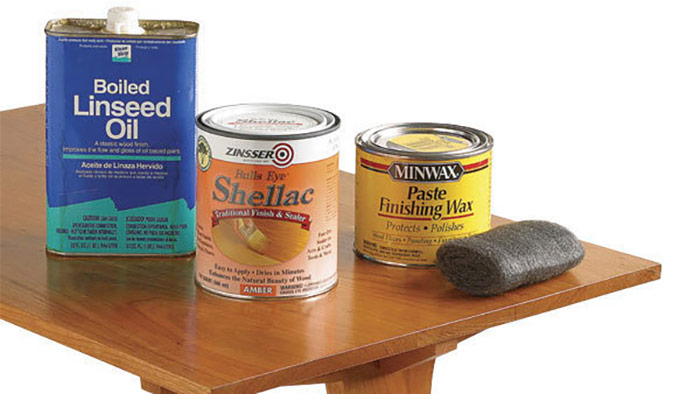
Credit: www.finewoodworking.com
Wood Finishing
Boiled linseed oil enhances wood grain by making it more vibrant. It brings out the natural beauty of the wood. The oil penetrates deep into the wood fibers. This makes the grain look richer and fuller.
Protection against moisture is another benefit. Boiled linseed oil creates a strong barrier. This barrier keeps water out. This helps to prevent wood from rotting. It also stops mold and mildew. The oil dries fast and hard. This makes it great for outdoor wood.
Metal Protection
Boiled linseed oil can help prevent rust on metal. It creates a protective coating that keeps moisture away. Water causes rust. The oil keeps the metal dry. This oil is easy to apply and dries fast.
First, clean the metal surface well. Use a cloth or brush to apply a thin layer of boiled linseed oil. Let it dry for a few hours. Apply a second coat for better protection. Repeat this process a few times for the best results. Always work in a well-ventilated area for safety.
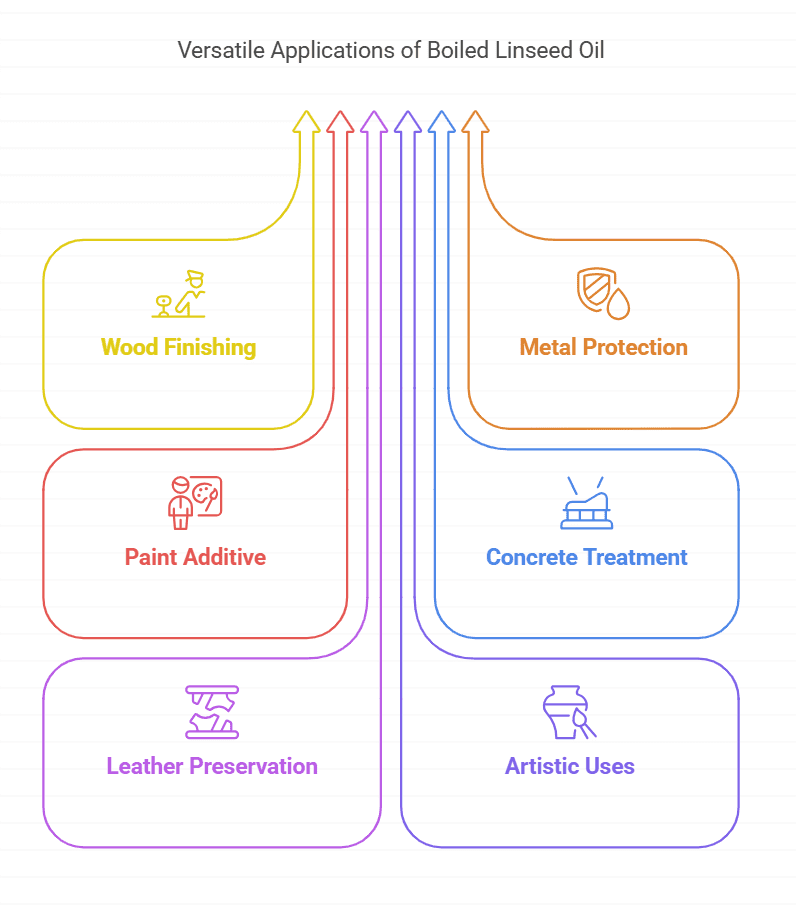
Paint And Stain Additive
Boiled linseed oil helps paint flow better. It makes the paint spread smoothly. This gives a nice finish. Smooth paint means fewer brush marks. Better flow makes painting easier. This oil is used by many painters. It is a simple trick.
Boiled linseed oil makes paint last longer. It protects the paint. It improves durability. Paint stays strong and looks good for years. This oil prevents cracking and peeling. It adds strength to the paint layer. Many people use it for wood surfaces. It keeps wood safe from damage.
Concrete Treatment
Boiled linseed oil can seal concrete surfaces. It creates a barrier. This barrier keeps out water and dirt. Concrete stays clean and dry. The oil helps the surface last longer.
Concrete can crack over time. Boiled linseed oil helps prevent this. The oil seeps into the concrete. It makes the surface more flexible. This helps stop cracks from forming.

Credit: www.youtube.com
Leather Preservation
Boiled linseed oil is great for conditioning leather. It helps keep leather soft and smooth. Dry leather can crack and get damaged. Applying boiled linseed oil adds moisture back into the leather. This makes it last longer. Always clean leather before using the oil. Use a soft cloth to apply a thin layer. Let it soak in for a few hours. Wipe off extra oil after that. Your leather will look new and feel soft.
Old leather can get stiff. Boiled linseed oil helps restore flexibility. Stiff leather can be hard to use. This oil makes it bend and move easily. Apply a small amount to the stiff parts. Rub it in gently. Let the oil sit for a while. Repeat if needed. Your leather items will move smoothly again. This is good for leather shoes, bags, and jackets. The oil works on all leather types. Keep your leather flexible and strong.
Artistic Uses
Artists use boiled linseed oil as a medium in oil painting. It helps mix the paint smoothly. It can thin the paint and make it dry faster. It also gives a glossy finish to the painting. This oil can protect the artwork from cracks and damage.
Boiled linseed oil is useful in many craft projects. It can seal wood surfaces and protect them. It makes the wood look shiny and rich. People use it for woodworking and furniture making. It is easy to apply and safe for indoor use. This oil can also be used on clay and metal crafts.
Maintenance And Care Tips
Keep boiled linseed oil in a cool, dry place. Store it in a metal or glass container with a tight lid. Keep the container away from direct sunlight. Proper storage prevents spoilage and fire hazards. Do not store it near heat sources.
Always wear gloves when using boiled linseed oil. Keep the area well-ventilated to avoid fumes. Dispose of oily rags in a metal container with water. This prevents spontaneous combustion. Keep the oil away from children and pets.
Environmental Considerations
Boiled linseed oil is natural. It comes from flax seeds. It’s biodegradable. This means it breaks down easily. It’s non-toxic. It does not harm plants or animals. Using it is safe for the environment. It does not release harmful chemicals. This makes it a good choice for eco-friendly projects.
Dispose of boiled linseed oil properly. Do not throw it in the trash. Recycle it if possible. Check local rules for disposal. Some places accept it at hazardous waste centers. Never pour it down the drain. This can pollute water. Store it in a sealed container until disposal.

Credit: www.furnitureclinic.co.uk
Frequently Asked Questions
What Is The Best Use Of Boiled Linseed Oil?
Boiled linseed oil is best used for wood finishing, enhancing durability and providing a rich, glossy finish. It also protects metal surfaces from rust.
What Are The Disadvantages Of Using Linseed Oil On Wood?
Linseed oil can take long to dry and may attract mildew. It offers limited protection against water and UV damage.
Does Boiled Linseed Oil Waterproof Wood?
Boiled linseed oil provides some water resistance but does not fully waterproof wood. It enhances the wood’s durability and appearance.
What Is The Difference Between Linseed Oil And Boiled Linseed Oil?
Linseed oil is raw and takes longer to dry. Boiled linseed oil is treated to dry faster and offers better protection.
Conclusion
Boiled linseed oil is a versatile and practical choice. It protects wood, enhances its beauty, and extends its life. You can use it for furniture, decks, and tools. Its natural finish appeals to many. Applying it is straightforward and requires little effort.
Boiled linseed oil remains a popular choice for both DIY projects and professional work. Explore its benefits and see the results for yourself.