What is Fine Woodworking: Crafting Elegance & Precision
Fine woodworking is the craft of creating high-quality furniture and other wooden items. It emphasizes precision, aesthetics, and craftsmanship.
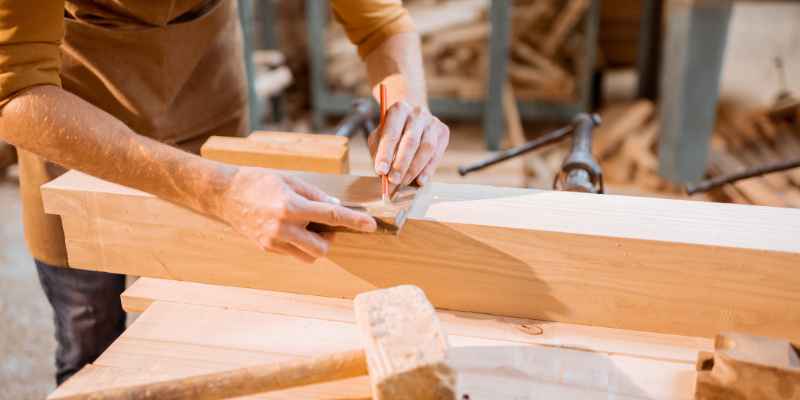
Fine woodworking is an art form that combines skill and creativity to produce exceptional wooden pieces. This craft involves using various techniques and tools to shape, join, and finish wood meticulously. Enthusiasts and professionals alike cherish fine woodworking for its ability to create lasting, functional art.
Whether it’s crafting a bespoke table or intricate cabinetry, the focus remains on quality and detail. Woodworkers often draw inspiration from nature, architecture, and personal experiences, resulting in unique creations. With a rich history, fine woodworking continues to evolve, attracting a community passionate about craftsmanship and artistry. Engaging in this craft can be both rewarding and fulfilling.
The Essence Of Fine Woodworking
Fine woodworking combines skill and creativity. Craftsmanship plays a vital role in this art. Every piece reflects the woodworker’s passion and dedication.
Quality materials are essential. They determine the strength and beauty of the final product. Using premium woods enhances the overall appeal. Each type of wood has unique characteristics.
Choosing the right tools is also important. They help create precise cuts and shapes. Mastering these tools leads to better craftsmanship.
Fine woodworking is a journey of learning. Each project teaches new skills. With practice, woodworkers improve and create amazing works of art.

Tools Of The Trade
Hand tools are essential for precision in fine woodworking. They allow for detailed work and fine adjustments. Common hand tools include chisels, hand planes, and saws. Each tool helps achieve clean cuts and smooth surfaces.
Power tools offer efficiency and speed in woodworking projects. They save time and reduce physical effort. Common power tools include table saws, routers, and drills. These tools are great for larger projects and repetitive tasks.
Techniques That Define Excellence
Joinery mastery is key to fine woodworking. It involves precise connections between pieces of wood. Techniques like dovetail, mortise and tenon, and finger joints create strong bonds. Mastering these methods enhances durability and beauty.
Surface finishing techniques play a big role in the final look. Sanding, staining, and sealing are essential steps. Proper sanding ensures smooth surfaces. Staining adds color and highlights grain patterns. Sealing protects wood from damage and moisture.
Combining joinery skills with finishing techniques creates stunning pieces. Each technique contributes to the overall quality. Skilled artisans know the importance of both.
Design Principles In Woodworking
Design principles in woodworking are crucial for creating beautiful pieces. Balancing form and function ensures that items look good and serve their purpose well. A chair must be comfortable, while also looking stylish.
Incorporating wood grain and texture adds unique character to each piece. Every type of wood has its own grain pattern and color. This makes each item one-of-a-kind. Use different textures to create contrast and interest.
Choosing the right finish highlights the wood’s natural beauty. A glossy finish enhances the grain, while matte options provide a softer look. Pay attention to how finishes affect the overall design.
The Process From Start To Finish
Choosing the right wood is crucial for fine woodworking. Different types of wood have unique qualities. Consider hardwoods like oak or maple for durability. Softwoods like pine are easier to work with.
Check for defects like knots or cracks. These can affect the final piece. Aesthetics matter too, so look for interesting grain patterns. Each wood type brings its own character to the project.
Take your time selecting wood. This step sets the foundation for your creation. Remember, the right wood makes all the difference in quality.
Challenges And Solutions
Wood movement can be a big challenge in fine woodworking. Humidity and temperature changes cause wood to expand and contract. This can lead to gaps or cracks in your projects. To manage this, use proper drying techniques and choose stable wood types.
Achieving tight joints is essential for a strong piece. Always use the right glue and clamps. Make sure to cut joints accurately. Test fit each joint before gluing. This prevents mistakes and ensures a perfect fit.
Learning And Mastering The Craft
Fine woodworking is a rewarding skill. Many resources are available for beginners. Books and online tutorials help you learn basic techniques. You can find videos that show step-by-step processes.
Local workshops offer hands-on experience. Joining a class allows you to ask questions. Mentorship from experienced woodworkers can enhance your skills. Many communities have clubs focused on woodworking.
| Resource Type | Examples |
|---|---|
| Books | “The Complete Manual of Woodworking” |
| Online Courses | Udemy, Skillshare |
| YouTube Channels | Woodworking for Mere Mortals |
Advanced workshops can help refine your techniques. These often focus on specific skills. Look for programs that teach advanced joinery or finishing techniques. Learning from experts can elevate your work.
The Community And Culture
Fine woodworking is more than just a craft. It is a vibrant community. Many woodworkers share their skills and stories. Connecting with other woodworkers can inspire creativity and learning. Joining local clubs or online forums helps build friendships.
Showcasing your work is important. Many platforms allow woodworkers to display their creations. Social media, craft fairs, and websites are great options. Selling your work can turn a hobby into a business. Always use high-quality images to attract buyers. Pricing should reflect the effort and materials used. Engaging with customers builds trust and loyalty.
Frequently Asked Questions
What Is Fine Woodworking?
Fine woodworking is a craft focused on creating high-quality wooden furniture and items. It emphasizes precision, aesthetics, and functionality. Craftsmen often use traditional techniques and tools, resulting in unique, durable pieces. This art form combines skill, creativity, and a deep appreciation for wood as a material.
How To Start Fine Woodworking?
To start fine woodworking, gather essential tools like saws, chisels, and drills. Begin with simple projects to build your skills. Enroll in workshops or find online tutorials for guidance. Additionally, practice patience and attention to detail. Over time, you’ll develop your techniques and style.
What Materials Are Used In Fine Woodworking?
Fine woodworking primarily uses hardwoods like oak, cherry, and walnut. These woods offer durability and beauty, enhancing the final product. Softwoods, like pine and cedar, can also be utilized for specific projects. Selecting the right material is crucial for achieving desired results and ensuring longevity.
What Are Common Fine Woodworking Techniques?
Common techniques include joinery, sanding, and finishing. Joinery methods, such as dovetails and mortise-and-tenon, ensure strong connections. Sanding smooths surfaces, while finishing techniques like staining or varnishing enhance aesthetics. Mastering these techniques is essential for producing high-quality wooden pieces that stand out.
Conclusion
Fine woodworking is an art that blends skill, creativity, and precision. It allows artisans to create beautiful, functional pieces that stand the test of time. By understanding the techniques and principles involved, anyone can appreciate the craftsmanship behind fine woodworking.
Embrace this rewarding hobby and discover the joy of creating with wood.