What is Miter Saw Used for: Essential Woodworking Tool
A miter saw is primarily used for making precise crosscuts and angled cuts in wood and other materials. It’s ideal for framing, molding, and trim work.
A miter saw is a vital tool for both DIY enthusiasts and professional carpenters. It excels in delivering clean, accurate cuts, making it perfect for various projects. Whether you’re crafting furniture or installing baseboards, this tool ensures precision. The saw’s adjustable blade angles allow for versatile cuts, including miter and bevel cuts.
Users appreciate its speed and efficiency, which saves time on the job. With a miter saw, achieving professional-grade results becomes easier. Safety features, like blade guards, enhance usability, making it accessible for beginners. Understanding how to use a miter saw effectively can elevate your woodworking skills significantly.
Introduction To Miter Saws
A miter saw is a powerful tool used in woodworking. It makes precise cuts at different angles. This tool is essential for many carpentry projects. Let’s explore the basics and key features of miter saws.
The Basics Of Miter Saw
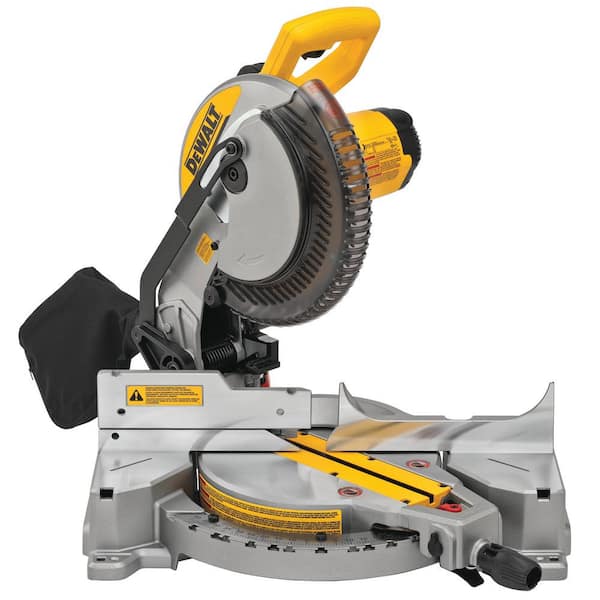
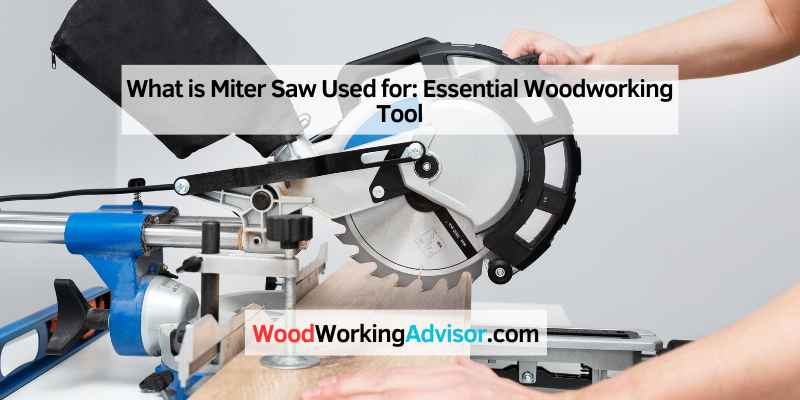
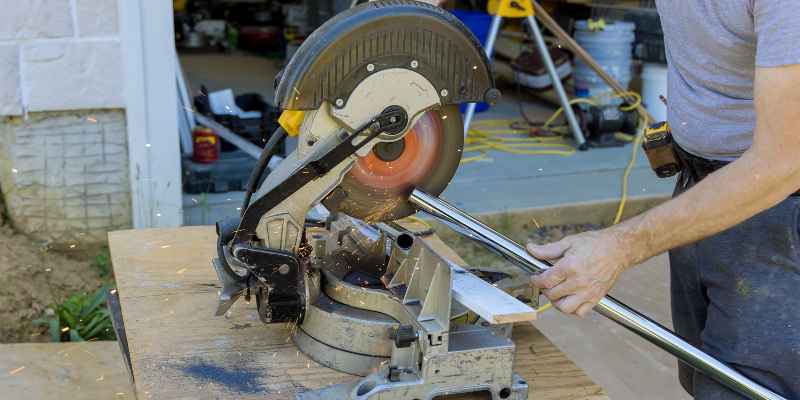
A miter saw is designed for cutting wood and other materials. It has a sharp blade mounted on a swing arm. This allows the blade to pivot left or right.
Common uses include:
- Creating angled cuts for frames.
- Making crosscuts in lumber.
- Cutting trim and molding pieces.
Key Features
Understanding the features of a miter saw helps in choosing the right one. Here are important features to consider:
| Feature | Description |
|---|---|
| Blade Size | Common sizes are 10-inch and 12-inch. |
| Angle Adjustments | Usually adjusts between 0° to 45°. |
| Laser Guide | Helps in making precise cuts. |
| Bevel Capability | Allows for compound cuts. |
These features enhance the versatility and accuracy of a miter saw.
Types Of Miter Saws
Miter saws are essential tools for precise cutting. They come in various types, each suited for different tasks. Understanding these types helps in choosing the right one for your project.
Standard Miter Saw
The standard miter saw is the most basic type. It allows you to make angled cuts. Here are some key features:
- Best for crosscuts and miter cuts.
- Easy to use for beginners.
- Ideal for simple framing and molding tasks.
This saw is lightweight and portable. It’s perfect for smaller projects and DIY tasks.
Compound Miter Saw
The compound miter saw adds more flexibility. It can tilt to make bevel cuts. Key advantages include:
- Creates complex angles and cuts.
- Great for crown molding and trim work.
- Offers more precision than standard models.
This type is excellent for professionals and serious hobbyists. It enhances creativity in woodworking projects.
Sliding Compound Miter Saw
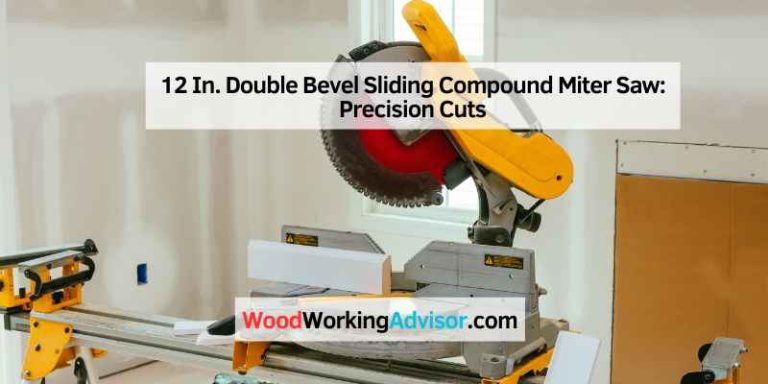
The sliding compound miter saw is the most advanced. It features a sliding arm for wider cuts. Here’s what it offers:
- Can cut wider boards easily.
- Combines both miter and bevel cuts.
- Ideal for large-scale projects.
This saw is perfect for carpenters and contractors. It provides versatility and efficiency in cutting.
| Type of Miter Saw | Main Features | Best For |
|---|---|---|
| Standard Miter Saw | Basic angled cuts | Simple DIY projects |
| Compound Miter Saw | Bevel and miter cuts | Crown molding |
| Sliding Compound Miter Saw | Wider cuts with sliding arm | Large-scale carpentry |
Precision Cuts Made Easy
The miter saw is a powerful tool that makes cutting wood easy. It helps you create precise angles and clean edges. This tool is a favorite among carpenters and DIY enthusiasts. Let’s explore how it achieves this accuracy.
Accuracy In Woodworking
The miter saw ensures accuracy in woodworking projects. It allows you to cut with confidence. Here are some key features that enhance accuracy:
- Laser Guides: Many miter saws come with laser guides. They show where the blade will cut.
- Digital Displays: Some models feature digital displays. They help you set exact measurements.
- Stable Base: A sturdy base reduces vibrations. This keeps your cuts straight.
Using these features leads to clean and accurate cuts. This is essential for professional-looking projects.
Adjustable Angles For Versatility
The miter saw can cut at different angles. This feature adds versatility to your projects. You can easily adjust the saw to various angles:
| Angle | Use Case |
|---|---|
| 0° | Straight cuts for framing |
| 45° | Perfect for corners and trim |
| Compound Angles | Ideal for complex cuts in crown molding |
This adjustability makes the miter saw suitable for many tasks. You can tackle various woodworking challenges easily. Enjoy the flexibility it offers for all your projects.
Common Uses In Woodworking
A miter saw is a versatile tool in woodworking. It allows for precise cuts at various angles. This makes it perfect for many tasks. Here are some common uses in woodworking.
Creating Frames And Moldings
Frames and moldings enhance the beauty of any space. A miter saw cuts angles accurately. This is crucial for joints in frames and moldings.
- Picture frames
- Door casings
- Window trims
With a miter saw, you can:
- Measure and mark your wood.
- Set the angle on the saw.
- Make clean cuts for perfect joints.
Building Furniture
A miter saw is essential for furniture making. It allows for precise cuts in various materials. This includes hardwood and plywood.
Common furniture projects include:
- Tables
- Chairs
- Shelves
Using a miter saw, you can:
- Cut legs and supports at exact angles.
- Create joinery for stability.
- Achieve a professional finish.
Custom Carpentry Projects
Custom carpentry projects often require precision. A miter saw makes this easy. It helps in crafting unique designs.
Examples of custom projects include:
- Built-in bookshelves
- Accent walls
- Outdoor decks
With a miter saw, you can:
- Cut intricate shapes and angles.
- Ensure all pieces fit perfectly.
- Save time on complex cuts.
Safety First
Using a miter saw can be safe with the right precautions. Proper safety measures protect you from accidents. Always prioritize safety to enjoy woodworking and achieve great results.
Essential Safety Tips
- Wear Safety Gear: Use goggles, ear protection, and a dust mask.
- Check the Area: Keep your workspace clean and clutter-free.
- Use the Right Blade: Ensure the blade fits your project material.
- Secure the Material: Clamp the wood to prevent movement.
- Stand Firm: Keep a stable stance while operating the saw.
- Don’t Reach: Avoid reaching over the blade while cutting.
- Turn Off the Saw: Always unplug after finishing work.
Proper Handling And Maintenance
Proper handling and regular maintenance keep your miter saw safe. Follow these steps for best practices:
- Inspect Before Use: Check for damaged parts or loose screws.
- Keep It Clean: Remove sawdust and debris after each use.
- Lubricate Moving Parts: Use appropriate oil for smooth operation.
- Store Safely: Keep the saw in a dry, secure location.
| Task | Frequency |
|---|---|
| Inspect Saw | Before each use |
| Clean Saw | After each use |
| Lubricate Parts | Monthly |
| Check Blades | Before major projects |
Choosing The Right Miter Saw
Choosing the right miter saw is crucial for your projects. A good miter saw can make cuts faster and more accurate. Different types exist, each suited for specific tasks. Understanding your needs helps in making the best choice.
Factors To Consider
Several factors influence your miter saw selection:
- Type of Cuts: Decide if you need crosscuts or bevel cuts.
- Blade Size: Common sizes are 10-inch and 12-inch blades.
- Power: Look for a motor with at least 15 amps.
- Portability: Consider weight for easy transport.
- Laser Guide: A laser helps with accuracy.
Comparing Top Brands
Here are some popular miter saw brands:
| Brand | Features | Price Range |
|---|---|---|
| DeWalt | Durable, powerful, laser guide | $300 – $600 |
| Makita | Lightweight, smooth cuts | $250 – $500 |
| Bosch | Precision, easy adjustments | $300 – $550 |
| Ryobi | Budget-friendly, reliable | $150 – $300 |
Each brand offers unique features. Compare them based on your needs. Read reviews for more insights.
Accessories And Add-ons
Enhancing your miter saw experience requires the right accessories and add-ons. These tools boost functionality and improve accuracy. They help you achieve professional results with ease.
Enhancing Functionality
Accessories can transform a basic miter saw into a versatile tool. They allow for better precision and safety. Here are some key benefits:
- Improved Accuracy: Accessories help ensure precise cuts.
- Increased Safety: Safety features reduce the risk of accidents.
- Versatile Applications: Use your saw for various projects.
Must-have Accessories
Consider these essential accessories to maximize your miter saw’s performance:
| Accessory | Purpose |
|---|---|
| Laser Guide | Improves cutting accuracy with a clear visual line. |
| Extension Tables | Provides extra support for longer materials. |
| Dust Collection System | Keeps your workspace clean and safe. |
| Clamps | Secures the material for stable cuts. |
| Mitre Saw Stand | Enhances portability and stability. |
Investing in these accessories makes your miter saw more effective. With the right tools, any project becomes manageable. Enjoy improved results and efficiency with these must-have items.
Miter Saw Tips And Tricks
Using a miter saw can enhance your woodworking projects. Mastering the right techniques and avoiding common mistakes is key. Here are some valuable tips and tricks to help you get the best results.
Mastering Techniques
To effectively use a miter saw, consider these techniques:
- Proper Setup: Ensure your saw is on a stable surface.
- Use a Stop Block: This helps cut multiple pieces to the same length.
- Measure Twice: Always double-check your measurements before cutting.
- Secure Your Material: Use clamps to hold the wood in place.
- Maintain Blade Sharpness: A sharp blade cuts cleanly and safely.
These techniques will improve accuracy and efficiency.
Common Pitfalls To Avoid
Avoid these mistakes to achieve better results:
- Incorrect Angles: Always set the angle before cutting.
- Rushing the Cut: Take your time for precise cuts.
- Ignoring Safety Gear: Wear goggles and ear protection.
- Neglecting Maintenance: Regularly check and clean your saw.
- Using Dull Blades: Replace blades that show signs of wear.
Steering clear of these pitfalls will enhance your experience.
Frequently Asked Questions
What Is A Miter Saw Used For?
A miter saw is primarily used for making precise crosscuts and angled cuts in wood and other materials. It is ideal for framing, molding, and trim work. This tool allows users to create accurate angles, making it perfect for various woodworking projects.
How Does A Miter Saw Work?
A miter saw uses a circular blade mounted on a swinging arm. The blade lowers down onto the material to make cuts. Users can adjust the angle of the blade for precise miter cuts. This design ensures clean and accurate cuts every time.
Can A Miter Saw Cut Metal?
Yes, a miter saw can cut metal with the right blade. Use a metal-cutting blade specifically designed for this purpose. Ensure that the material is securely clamped down during the cutting process. This will provide safety and improve accuracy while cutting metal.
What Materials Can A Miter Saw Cut?
A miter saw can cut various materials, including wood, plastic, and some metals. It excels at cutting hardwood, softwood, and plywood. With the right blade, it can handle composite materials as well. Always check the blade specifications to ensure compatibility.
Conclusion
A miter saw is essential for any woodworking project. It ensures precise cuts at various angles. Whether you’re crafting furniture or framing a house, this tool enhances accuracy and efficiency. Investing in a quality miter saw will elevate your woodworking skills.
Embrace its versatility and transform your projects with confidence.