What Is Rubio Monocoat? Cost Per Sq Ft, Colors and Cure Times
Rubio Monocoat is a Belgian hardwax oil that colors and protects interior wood in a single layer, with 0 g/L VOC. The catch is that “one coat” means one thin layer wiped back to a dry feel, not a thick coat, and it cannot be topped up later. This guide covers the real cost per square foot, cure times, colors and how it compares with polyurethane.
What Is Rubio Monocoat?
Best Starter Size Pick
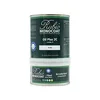 |
Rubio Monocoat Oil Plus 2C, Pure, 350 mL ($62.99) The Part A oil and Part B accelerator come in one combined can, so you get the 3 to 1 mix this guide describes already measured. Rubio lists it for roughly 175 sq ft.
|
As an Amazon Associate we earn from qualifying purchases.
Rubio Monocoat Oil Plus 2C is a two-component wood finish made by Muylle Facon BV in Izegem, Belgium. Part A is the pigmented oil and Part B is a clear accelerator that speeds up curing. According to the manufacturer’s technical data sheet, it colors and protects wood in one layer, contains no water or solvents, and can be used on solid wood, veneer and MDF, on furniture as well as floors. If you want the ingredient angle, see our separate article on what Rubio Monocoat is made of.
Unlike polyurethane, which builds a plastic-like film on top of the wood, Rubio is meant to soak into the surface fibers and leave very little on top. That is why the result feels like bare wood, why it has no visible overlaps or starting marks, and why a worn patch can be re-oiled without stripping the whole piece.
| Spec | What the data sheet says |
|---|---|
| Type | Two-component hardwax oil, interior use (this data sheet is for the interior line) |
| Mix ratio | About 3 parts A to 1 part B, stirred 1 to 2 minutes |
| VOC | 0 g/L for both Part A and Part B |
| Can sizes | 350 mL (275 mL A + 75 mL B), 1.3 L (1 L A + 0.3 L B), 3.5 L |
| Coverage | 30 to 50 square meters per liter, about 320 to 540 sq ft per liter |
| Working time after mixing | Up to 4 to 6 hours |
| Application temperature | 8 to 30 degrees C (about 46 to 86 degrees F) |
| Standard colors | 40, which can be blended |
| Shelf life | Up to 36 months unopened, kept dry and away from frost |
How Rubio Monocoat Works (and the One-Coat Myth)
The oil is spread on in a small zone, left to absorb for a few minutes, then wiped off. The data sheet says to remove all the excess within 15 minutes per zone and adds that the surface should feel dry afterward. That wipe-off step is the whole technique. Oil left sitting on top of the wood is not what the system is designed around, and it is the likeliest cause of a sticky or blotchy result.
This also corrects a common piece of advice, including advice that used to appear on this page: that you can add a second coat after a day for extra depth. Retailers describe Rubio as a one-layer system that will not accept a second coat on a properly wiped surface. If the color is too light, the fix is a different color in the first pass, not another layer. To see how this plays out on stained wood, read our guide on putting Rubio Monocoat over stain.
The 3 to 1 mix and the 15-minute wipe-off window both come straight from Rubio’s own sheet. Source: Rubio Monocoat Oil Plus 2C Technical Data Sheet, 2020
Rubio Monocoat Cost Per Square Foot
Most pages quote the can price and stop there. The number that matters is cost per square foot, and it swings a lot depending on can size and on whether you hit the best-case coverage. The table below uses live Amazon prices for the Pure color checked on 2026-10-07, the coverage printed on each listing, and a second pair of columns that assumes the low end of Rubio’s own 30 square meters per liter range.
| Size | Amazon price | Listed coverage | Cost per sq ft (listed) | Coverage at 30 m2/L | Cost per sq ft (low end) |
|---|---|---|---|---|---|
| 130 mL (Pure) | $31.99 | 65 sq ft | $0.49 | 42 sq ft | $0.76 |
| 350 mL (Pure) | $62.99 | 175 sq ft | $0.36 | 113 sq ft | $0.56 |
| 1.3 L (Pure) | $189.99 | 650 sq ft | $0.29 | 420 sq ft | $0.45 |
Two things stand out. The 1.3 L can is the cheapest way to buy by area, roughly 29 cents per square foot at the listed coverage against 49 cents for the 130 mL can. And at the low end of the range, even the big can lands near 45 cents, so budget for the worse number, not the best one.
A quick example: a 12 by 12 foot room is 144 sq ft. One 350 mL can covers that only if you reach the listed 175 sq ft. At the low-end figure of about 113 sq ft per can, you would run out, so a second can (or the 1.3 L) is the safer buy for floors.
Color also changes the price. On the same listings, a 350 mL can in Cotton White or Black is $77.99 against $62.99 for Pure, about 24 percent more, and a 1.3 L can in Natural is $241.99 against $189.99 for Pure, about 27 percent more. Prices move, so treat these as a snapshot and check the current listing before you plan a budget.
Rubio Monocoat Cure Times: What You Can Do and When
Cure time is where the Part B accelerator earns its price. Rubio’s cure-time page states the surface can be lightly used after roughly 24 to 36 hours, is about 80 percent cured at 48 hours, and is fully cured in about 5 days, assuming favorable application and drying conditions. Leave Part B out and the same oil takes about 21 days.
| Time after application | Status | What it means in practice |
|---|---|---|
| 24 to 36 hours | Light use | Walk on it in socks, put the piece back in service gently |
| 48 hours | About 80% cured | Still avoid heavy furniture and anything that could scratch |
| 5 days | Fully cured | Water and soap cleaning is allowed, per the data sheet |
| About 21 days | Cure time without Part B | Why you should always buy the A plus B set |
Source for these figures: Rubio Monocoat USA cure-time help page. Cold or damp rooms can stretch the schedule, and the data sheet limits application to 8 to 30 degrees C.
Rubio Monocoat Colors
The data sheet for the Oil Plus 2C line lists 40 standard colors, which can be blended for custom shades. Some retailer listings still say 55, which reflects an older palette, so check the swatch chart on the page you are buying from. The 40 names include Pure, Natural, White, Cotton White, Super White, Smoke, Charcoal, Black, Dark Oak, Chocolate, Mahogany, Walnut, Bourbon, Silver Grey, Slate Grey, Titanium Grey and Castle Brown.
| Goal | Colors to test first | Why |
|---|---|---|
| Keep the natural wood tone | Pure, Natural | The least color added, so the species and grain do the work |
| Lighter, washed look | White, Cotton White, Super White, Vanilla | Use on pale woods such as ash, maple or pine; test for how much they lighten |
| Grey tones | Smoke, Silver Grey, Slate Grey, Titanium Grey | Common on oak for a modern look |
| Warm brown | Bourbon, Chocolate, Walnut, Castle Brown | Deepens oak and pine |
| Dark and dramatic | Dark Oak, Charcoal, Black, Mahogany | Hides grain contrast; test on scrap first |
The same color looks different on oak, pine and maple, because the wood itself shows through. Always finish a scrap piece of the same species and sanding grit before you commit. Our look at how much polyurethane darkens wood shows why testing matters for any finish.
Rubio Monocoat vs Polyurethane and Other Finishes
These finishes work in different ways, so the comparison is less about which is better and more about what you are willing to maintain. Osmo Polyx-Oil is the closest competitor, since it is also a hardwax oil.
| Feature | Rubio Monocoat Oil Plus 2C | Osmo Polyx-Oil Original | Polyurethane (film finish) |
|---|---|---|---|
| How it protects | Soaks in, leaves a thin layer | Hardwax oil, soaks in | Builds a film on the surface |
| Layers | 1, with excess wiped off | About 24 m2 per liter for one coat, so a two-coat job covers about half that | Typically several coats |
| Spot repair | Re-oil the damaged area | Re-oil the damaged area | Patch repairs usually show, often needs sanding |
| Drying | Light use at 24 to 36 hours, full cure about 5 days | About 8 to 10 hours on clear, 24 hours on colors | Varies by type and coats |
| VOC | 0 g/L | Check the product sheet | Varies, many oil-based types are high |
Osmo figures come from the manufacturer’s published data (24 square meters per liter for one coat; roughly 8 to 10 hours drying on clear). The two-coat arithmetic is ours. Polyurethane varies too much by product to give one number, so check the can. For floors, our best hardwood floor finish comparison goes deeper, and the difference between wood finishes page explains film versus penetrating finishes.
If you already have polyurethane on the wood, do not assume Rubio will bond to it. Our article on polyurethane over Rubio Monocoat covers the reverse case, and the general rule is that a penetrating oil needs bare, open wood.
How to Apply Rubio Monocoat in Brief
This is the short version from the data sheet. The full walkthrough is in our how to apply Rubio Monocoat guide, and exact mix amounts are in the accelerator ratio guide.
- Sand and clean: sand the bare wood scratch-free without over-polishing it, vacuum, then wipe the last dust with Rubio Cleaner or water-pop the surface.
- Mix: stir A and B together for 1 to 2 minutes at about 3 to 1. Do not dilute it.
- Apply: spread a small amount on a zone of about 5 to 10 square meters (54 to 108 sq ft) with a cloth or a pad.
- Let it absorb: wait a few minutes.
- Wipe off: remove all the excess within 15 minutes per zone until the surface feels dry.
- Wait: light use after 24 to 36 hours, water and soap after 5 days.
Fire safety: the data sheet warns that oil-soaked cloths may combust spontaneously. Soak them in water before throwing them away, and do not leave a balled-up rag in a pile.
Use the mix within 4 to 6 hours. Rubio also says its maintenance products are required to keep the protection lasting, so plan for them in the budget.
Downsides of Rubio Monocoat
- Price: about 29 to 76 cents per square foot depending on size and coverage, per the table above.
- Technique-sensitive: missing the 15-minute wipe-off window is the main failure mode, and the fix is usually sanding back.
- No second layer: you cannot build color or sheen after the fact, so test first.
- Short mixed life: only 4 to 6 hours after mixing, so mix what you can use.
- Interior focus: the data sheet discussed here covers the interior line, not outdoor wood.
- Maintenance products: the manufacturer calls them imperative for long-term protection.
For moisture questions specifically, read our article on whether Rubio Monocoat is waterproof. The data sheet calls it water-resistant, which is not the same as waterproof.
Where to Buy Rubio Monocoat
The Oil Plus 2C set is sold through Amazon, through the manufacturer’s US site, and through specialty dealers. Rubio’s own dealer locator at RubioMonocoatUSA.com is the best way to find a local source. Specialty shops such as Green Building Supply and Oak Tree Supply also list the product. Always buy the combined A plus B set, not Part A alone, or you are back to the 21-day cure.
The 350 mL Pure set we link above was in stock at $62.99 when we checked on 2026-10-07. Prices change often, so confirm it on the listing.
Frequently Asked Questions
What are the downsides of Rubio Monocoat?
Its price per square foot is higher than most film finishes, the 15-minute wipe-off step leaves little room for error, and you cannot add a second layer later. It also has a short working life after mixing (4 to 6 hours) and the maker says its maintenance products are needed for long-term protection.
What is Rubio Monocoat made of?
Rubio describes it as a plant-based oil system. The data sheet lists Part A as an oily, pigmented liquid and Part B as a clear, odorless accelerator, with 0 g/L VOC and no water or solvents. For the exact components, check the safety data sheet.
Is Rubio Monocoat better than polyurethane?
It depends on what you value. Rubio gives a natural, open-grain look and allows local repairs, while polyurethane forms a protective film on the surface. Neither is better for every job, so match the finish to how the surface is used and how you want to maintain it.
Can you put a second coat of Rubio Monocoat on?
Not on the same fresh application. Rubio is a one-layer system, and once excess oil is wiped off the surface will not take another coat. Changing color or refreshing worn areas later is done with the right maintenance or renovation products on a cleaned surface.
How long does Rubio Monocoat take to cure?
With Part B, it can be lightly used after about 24 to 36 hours, is about 80 percent cured at 48 hours and is fully cured in about 5 days. Without Part B, the cure takes about 21 days.
Bottom Line
Rubio Monocoat is worth considering when you want a natural, repairable finish and you are willing to follow the wipe-off step exactly. Budget by area using the low-end coverage, buy the A plus B set, test your color on scrap, and give the surface five days before cleaning it with water. If you want to see the full range of finishes first, start at our wood finishing guide.
Sponsored / affiliate links. As an Amazon Associate I earn from qualifying purchases. I may earn additional commission from eligible campaigns.