What is the Definition of Ash Tree: Unveiling Nature’s Marvel
Have you ever strolled through a park or forest and wondered about the graceful trees with slender leaves and smooth bark? Chances are, you’ve encountered an ash tree.
But what exactly is the definition of an ash tree? Understanding this can enhance your appreciation for these magnificent plants and enrich your nature walks. We’ll delve into what makes the ash tree unique, touching upon its characteristics, significance, and the vital role it plays in our ecosystem.
Stick around to discover fascinating insights that might just change how you see these towering trees during your next outdoor adventure.
The Ash Tree: A Brief Description
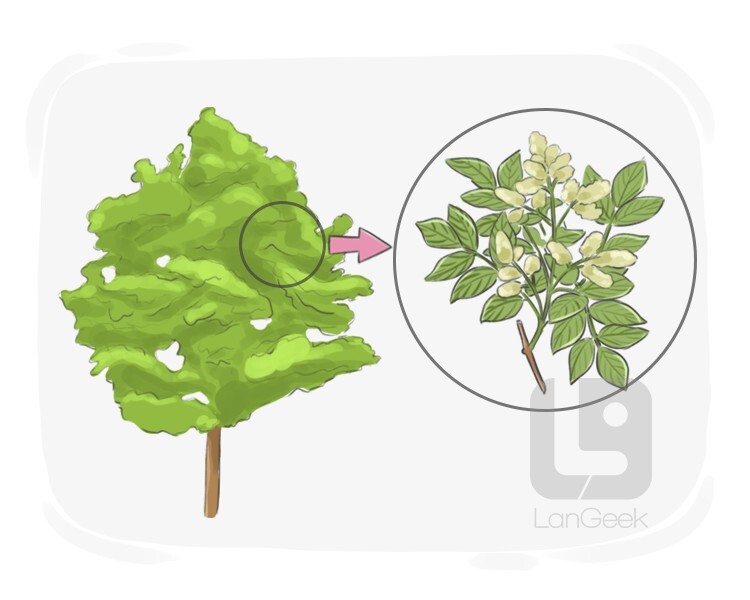
The Ash Tree is a tall, strong tree. It has a smooth, gray bark. Its leaves are long and slender. These trees grow in cool places. You can find them in parks and forests. Ash trees make good shade in summer. Their wood is strong. People use it to make furniture and sports equipment. These trees have small, green flowers. The flowers turn into seeds. Birds and animals love these seeds. Ash trees are important for the environment. They help keep the air clean. They also provide homes for many animals. Ash trees are a key part of many ecosystems.
Credit: dictionary.langeek.co
Species And Varieties
The Common Ash is known for its tall trunk. It grows up to 40 meters. Leaves are pinnate and dark green. It is often found in Europe. This tree likes moist soil. It can survive in cold climates. Many use its wood for furniture.
The White Ash is found in North America. It grows to 20-30 meters tall. Its leaves are lighter green. This tree is popular for baseball bats. People admire its strong wood. It prefers well-drained soil. Birds enjoy its seeds.
Green Ash trees are hardy and adaptable. They grow in wet soils and by riverbanks. They reach heights of 15-20 meters. Leaves are narrow and shiny. Many plant them in urban areas. They resist drought and wind well.
Physical Characteristics
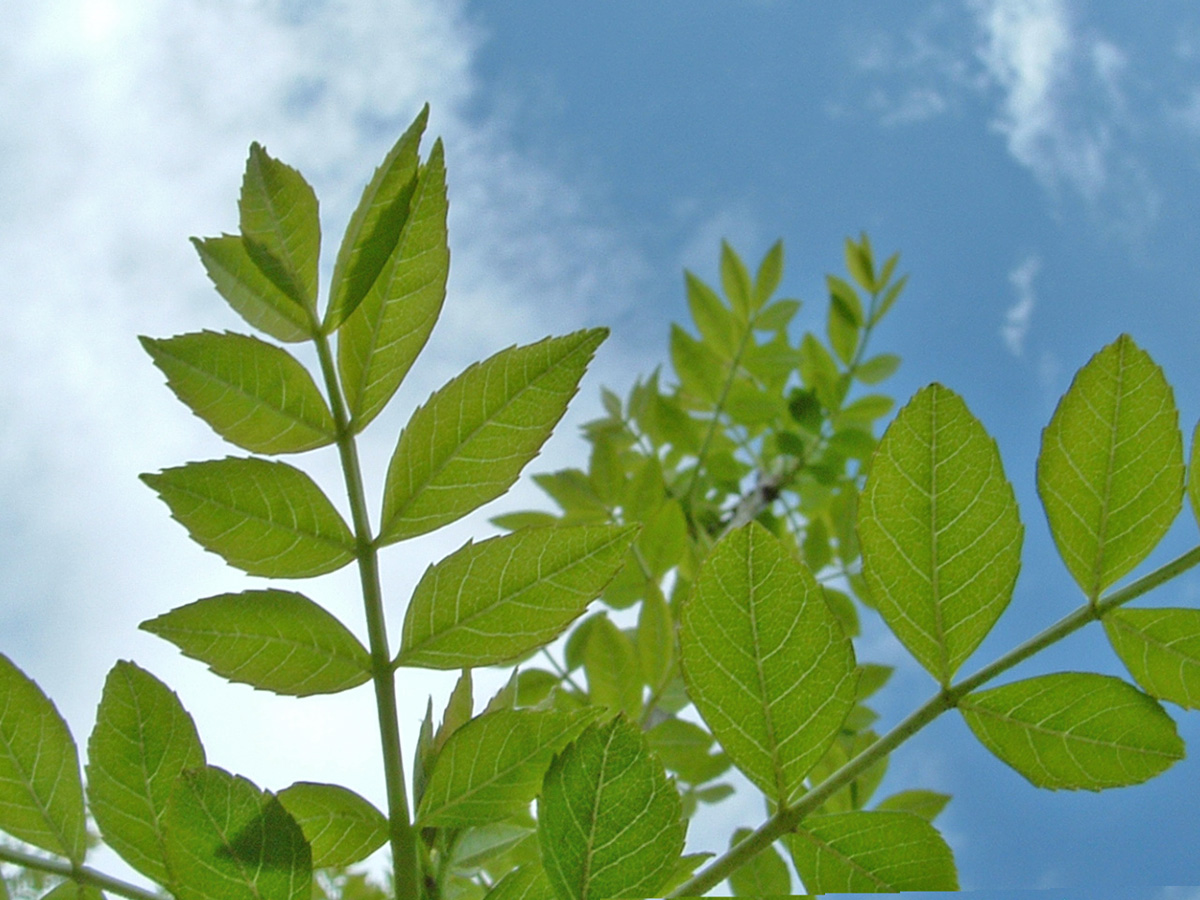
Ash trees have smooth, gray bark. Bark becomes rough with age. Leaves are compound and pinnate. Each leaf has 5 to 9 leaflets. Leaflets are pointed and have toothed edges. The leaves turn yellow in fall. This adds color to landscapes.
Ash trees grow tall. They reach 50 to 80 feet in height. Growth is fast. They add 2 feet every year. Trees have a rounded crown. Branches spread wide. This provides shade. Ash trees thrive in sunny places.
Ash trees have small flowers. Flowers are green or purple. They bloom in spring. Flowers grow in clusters. Seeds are called samaras. Samaras are winged. They spin like helicopters when falling. Seeds help the tree spread.
Credit: en.wiktionary.org
Habitat And Distribution
Ash trees grow in many parts of the world. They are commonly found in North America, Europe, and Asia. Each region has its own types of ash trees. They thrive in both forests and open lands. These trees are important in their ecosystems. They provide habitat and food for many animals.
Ash trees like temperate climates. They enjoy places with mild summers and cold winters. Rainfall is important for them. Too much heat can be harmful. They are not suited for tropical areas. The right climate helps them grow strong and tall.
These trees prefer well-drained soil. They grow well in loamy soil which is rich in nutrients. Clay soil is not ideal for them. Sandy soil can also be challenging. They need soil that holds some moisture but not too much. Good soil keeps the ash tree healthy.
Ecological Importance
Ash trees are crucial in many ecosystems. They help control soil erosion. Their roots hold soil together. This keeps land stable. Ash trees also improve air quality. They absorb pollutants from the air. This makes the environment cleaner.
Many animals depend on ash trees for food and shelter. Birds build nests in their branches. Deer and other animals eat the leaves. Insects find homes in the bark. These trees support diverse life forms. Their presence enriches habitats for wildlife.
:max_bytes(150000):strip_icc()/fraxinus-excelsior--more-commonly-known-as-the-ash-tree-92243236-63e89ef92d24426d97f58c5dd9ea4f32.jpg)
Credit: www.thespruce.com
Cultural And Historical Significance
The ash tree holds deep meanings in many stories. It often symbolizes strength and protection. Some tales say it connects the earth and sky. This tree is seen as a bridge between worlds. People believed it had magical powers. Its wood was used in sacred rituals. In Norse mythology, it is Yggdrasil, the world tree. This tree is a symbol of life and knowledge.
Ancient people used ash trees in many ways. Its wood was strong and flexible. Perfect for making tools and weapons. It was also used to make musical instruments. The leaves were used in healing remedies. Some believed it could cure fevers and aches. The bark was used to make dyes. This tree was important for daily life. It provided shelter and food for many creatures.
Threats And Conservation
Ash trees face many threats from pests and diseases. The Emerald Ash Borer is a big problem. This small beetle eats ash tree bark. It can kill trees in just a few years. Fungal diseases also harm ash trees. They make leaves wilt and fall off. Protecting ash trees from these threats is very important. Healthy trees can fight pests better. Regular checking of trees helps too. Early detection saves trees from dying.
People work hard to save ash trees. Planting new trees is one way. It helps replace those lost to pests. Monitoring programs watch for pest spread. This helps in taking quick action. Public awareness is another key step. Teaching others about the threats helps save more trees. Conservation groups also research new solutions. They look for ways to make ash trees strong. Everyone can help by caring for local ash trees.
Ash Tree In Landscaping
Ash trees are common in parks and gardens. They provide shade and are beautiful. Their leaves turn yellow in the fall. Many people plant them for their beauty. They are often used as street trees. Their strong wood is used in furniture. This makes them valuable in landscaping.
Ash trees need regular watering. They grow tall and need space. Prune them to keep shape. Check for disease and pests. Use fertilizer to help them grow. They need sunlight and good soil. Regular care keeps them healthy and strong.
Frequently Asked Questions
What Defines An Ash Tree?
An ash tree is defined by its compound leaves, opposite leaf arrangement, and robust, straight trunk. It belongs to the genus Fraxinus. Ash trees produce winged seeds called samaras. They are commonly found in North America, Europe, and Asia. Their bark is usually gray and furrowed.
What Is The Ash Tree In The Bible?
The Bible does not specifically mention ash trees. It refers to trees in general for symbolic purposes. Ash trees, known for their strength and resilience, might represent growth and stability in biblical interpretations. Always consult specific Bible versions for context.
What Does Ashes Tree Mean?
An ash tree symbolizes strength, protection, and renewal in various cultures. Its wood is used for furniture and tools. Ash trees are known for their resilience and adaptability, thriving in diverse environments. Often found in mythology, they represent life and connection to the earth.
What Is So Special About Ash Trees?
Ash trees are known for their strong wood and beautiful foliage. They provide excellent shade and enhance landscapes. Ash trees are vital for wildlife, offering habitat and food. They are also popular in urban areas for their adaptability and tolerance to pollution.
Conclusion
Ash trees are vital to our environment. They provide shade and beauty. Their wood is strong and versatile. People use it for furniture and tools. These trees support diverse wildlife. Birds and insects find shelter and food. Ash trees face threats from pests and disease.
Conservation efforts are crucial. Protecting ash trees ensures ecological balance. Their presence enriches landscapes and communities. Understanding their importance is key. Cherish these trees and their contributions. Let’s safeguard their future together. Embrace their role in nature. Ash trees are more than just plants.
They are essential to life and harmony.