How Much Are Ash Logs Worth? Real Price Ranges by Grade
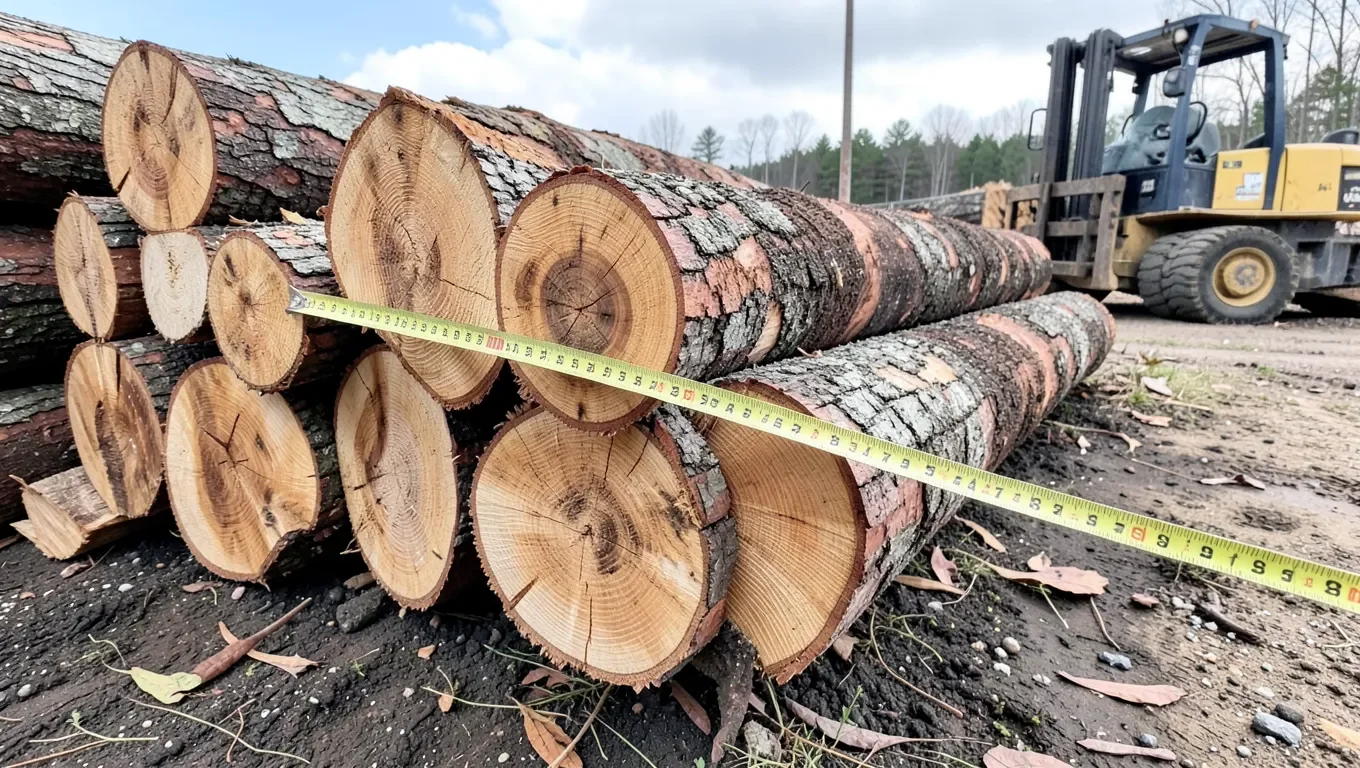
Ash logs sold as sawtimber typically run somewhere in the range of $150-500 per thousand board feet (MBF) at the mill, and clear, veneer-grade logs can bring several times that – but a huge share of the ash timber on the market right now is beetle-killed wood from the emerald ash borer, and that single fact affects pricing more than almost anything else in the industry today. Firewood-grade ash, by contrast, sells by the cord rather than board footage and is worth a fraction of sawlog prices. Where your logs actually land in that range depends on grade, diameter, and – increasingly – whether the tree died from the borer before or after it was cut.
The Emerald Ash Borer Effect on Price
Get A Real Board-Foot Number Before You Call A Buyer
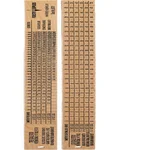 |
Forestry Suppliers Tree & Log Scale Stick – $34.99 Lay it across the small end of the log and read board-foot volume directly – the same tool foresters and log buyers use to estimate value in the field.
|
This is the detail most pricing guides skip, and it’s the single biggest factor shaping the ash log market in North America since the early 2000s. The emerald ash borer (EAB), an invasive beetle first found in Michigan in 2002, has killed tens of millions of ash trees across the eastern and midwestern US and Canada. That’s created two opposing price effects at once:
- Oversupply crashed general sawlog prices in heavily affected regions – when every landowner with dead or dying ash is trying to sell or salvage it at the same time, mills have more supply than they can absorb, and prices for standard-grade ash sawlogs in EAB-hit areas have often run well below historical ash pricing.
- A niche market emerged for “ambrosia ash” – wood from beetle-killed or beetle-damaged trees where the ambrosia fungus the beetles introduce leaves distinctive blue-gray staining in the grain. Some furniture and specialty woodworkers specifically seek this figured wood out and pay a premium for it, the opposite of what happens to plain sawlogs from the same outbreak.
If you’re sitting on ash logs from a tree that died from EAB, get it evaluated for staining and figure before assuming it’s only worth firewood or pulpwood rates – and get it milled or sold reasonably quickly, since standing dead ash degrades and becomes structurally unsafe to fell within a few years of the tree’s death.
The Three Value Tiers
| Grade | Typical Requirements | Relative Value |
|---|---|---|
| Veneer log | Large diameter (16″+), long, straight, defect-free, uniform color | Highest – can be several times sawlog price |
| Sawlog (grade 1-3) | Straight, minable defects, standard commercial diameter | Mid-range, ~$150-500/MBF typical, highly variable by region and buyer |
| Pulpwood / firewood | Smaller diameter, crooked, defect-heavy, or beetle-killed with structural decay | Lowest – priced by the cord or ton, not board footage |
These figures are rough, real-world ranges, not a quote – actual prices swing by region, by mill, and by month, so treat any number here (including the ones in this article) as a starting point for a conversation with a local buyer, not a firm offer.
What Actually Moves the Price
- Diameter and length. Board-foot volume scales up fast with diameter, and most log rules (Doyle, Scribner, International) reward larger-diameter logs disproportionately since less of the log is lost to the rounded outer edge (the “slab”).
- Straightness and defects. Knots, sweep (curve along the log’s length), cracks, and rot all reduce the usable lumber a mill can cut, and grading reflects that directly.
- Color consistency. Ash’s pale, even color is part of its appeal for flooring and furniture – streaking or discoloration (beyond the ambrosia-figure exception above) generally lowers grade.
- Local mill demand. A sawmill that specializes in tool handles or sporting goods (ash’s traditional strength application) may pay differently than one focused on flooring or furniture stock.
- Transportation distance. Log trucking is expensive per mile – a mill three hours away may offer less per MBF than one 20 minutes away, even for identical logs, simply to cover the haul.
How to Get a Real Number for Your Logs
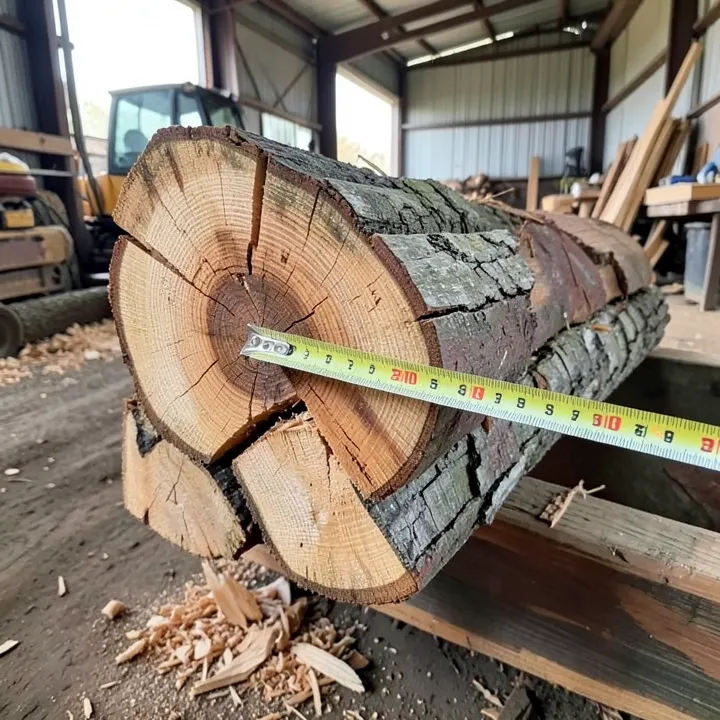
- Measure diameter at the small end (inside the bark) and length of each log – a log scale stick reads board-foot volume directly off these two measurements using a standard log rule.
- Photograph the end grain and any visible defects, sweep, or staining before you call anyone – a buyer can give you a much more useful estimate from photos than from a verbal description.
- Call at least two or three local sawmills or timber buyers – prices vary enough between buyers in the same area that a single quote isn’t a reliable market price.
- Ask specifically whether the mill has any interest in ambrosia/spalted figure if your logs are from EAB-killed trees – not every buyer looks for it, but the ones who do will pay noticeably more than a standard sawlog quote.
- Check current state or extension-service timber price reports if your state publishes one – several state forestry extension offices publish quarterly stumpage and sawlog price averages by species, which gives a more current regional baseline than any national estimate can.
Frequently Asked Questions
What is an ash log worth?
Standard sawlog-grade ash typically runs roughly $150-500 per thousand board feet at the mill, with veneer-grade clear logs bringing several times more and firewood/pulpwood-grade wood selling by the cord instead. Local demand, log diameter, and whether the wood is beetle-killed ash with sought-after ambrosia figure all move that number significantly – always confirm with local mills rather than relying on a national average.
How valuable is ash wood?
Ash is valued for its strength, flexibility, straight grain, and pale, even color, which make it a long-standing choice for flooring, furniture, tool handles, and sporting goods like bats. Emerald ash borer damage has reshaped the market – it’s crashed prices for plain sawlogs in hard-hit regions while creating a smaller premium market for figured, beetle-stained “ambrosia ash.”
How much does ash wood sell for retail (as lumber)?
Milled ash lumber commonly retails somewhere in the $5-15 per board foot range depending on grade, thickness, and whether it’s kiln-dried, though this varies by region and supplier. This is a separate number from raw log value – a log’s price reflects what a mill will pay before the cost of sawing, drying, and milling is added.
Can you sell standing ash trees, or do they need to be cut first?
Both are possible – some buyers purchase standing timber (stumpage) and handle the felling themselves, while others only buy logs already cut to length. If a tree died from emerald ash borer, get it evaluated and felled sooner rather than later – standing dead ash becomes brittle and structurally dangerous to work around within a few years, and mills generally won’t want logs that have degraded past a usable point.
Conclusion
Ash log value comes down to grade, diameter, and local buyer demand like any other hardwood – but the emerald ash borer has added a real wrinkle that’s specific to this species right now: oversupply depressing standard sawlog prices in affected regions, alongside a genuine premium market for figured wood from beetle-killed trees. Get an actual measurement, photograph the defects, and call more than one local buyer before assuming any single number quoted online applies to your specific logs.
Sponsored / affiliate links. As an Amazon Associate I earn from qualifying purchases. I may earn additional commission from eligible campaigns.