What is the Difference between Exterior Paint And Interior Paint: Explained
Have you ever stood in a paint store, surrounded by countless cans, wondering which paint is right for your next project? The decision between exterior and interior paint can be perplexing.
You might wonder why you can’t just use one type for both inside and outside walls. Is there really a difference, or is it just a marketing gimmick? If you want to make sure your home looks stunning and your paint job lasts, understanding the differences between exterior and interior paint is crucial.
You’ll discover what sets these paints apart, how they are specially formulated for their environments, and why choosing the right one can save you time, money, and effort. Stick with us, and you’ll become a paint-savvy homeowner, ready to tackle any painting challenge with confidence.
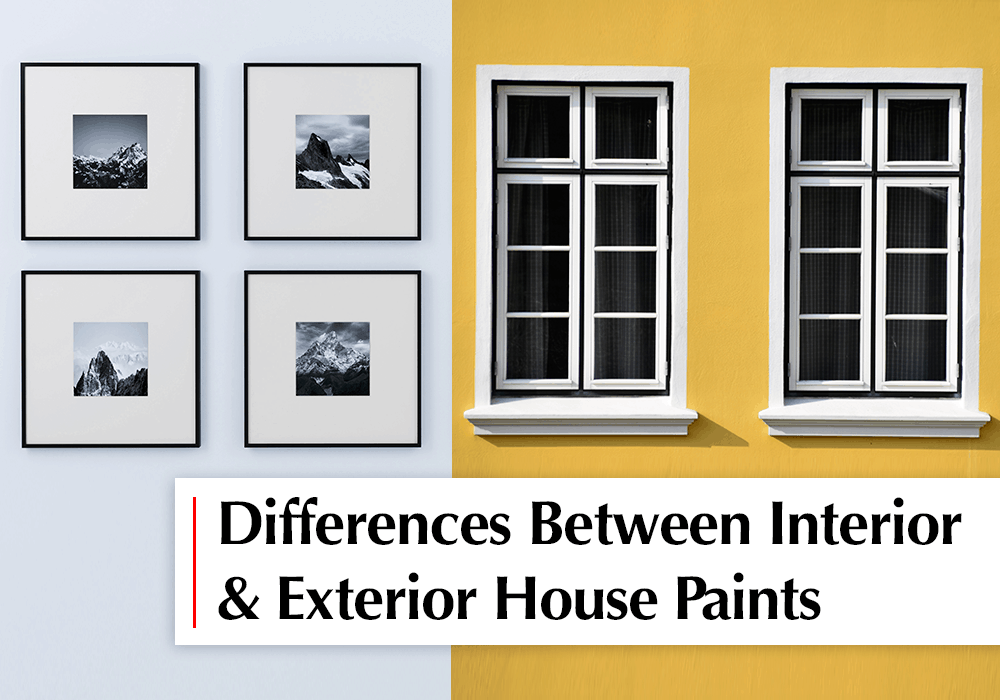
Credit: peekbrotherspainting.com
Composition Variations
Exterior paint contains additives for weather resistance. Interior paint focuses on durability and aesthetics for indoor environments. Both serve unique purposes, considering their distinct compositions and uses.
Binders And Resins
Exterior paint has special binders. They help the paint stick to walls. Interior paint uses different resins. They make the paint smooth and nice. Exterior binders are tough. They fight rain and sun. Interior resins are softer. They are best for indoor walls. Both types are important for their uses.
Pigments And Additives
Exterior paint has strong pigments. They make colors bright. These pigments can handle the sun. Interior paint uses safe pigments. These are good for indoor air. Additives in exterior paint keep bugs away. Interior paint has additives that stop mold. Each paint has its own special job. That makes them work well in their places.

Credit: www.youtube.com
Durability Factors
Exterior paint is made to resist weather. It faces rain, sun, and snow. Interior paint doesn’t need this. It stays inside. It doesn’t face the harsh weather. This is why exterior paint is tougher.
Interior paint fights against scratches and marks. Exterior paint battles the elements. It also resists cracks from the sun’s heat. Interior paint stays smooth and clean. It deals with daily bumps and scuffs.
Application Techniques
Exterior paint is designed to withstand weather elements, while interior paint focuses on aesthetics and durability indoors. Formulations differ; exterior paints resist UV rays and moisture, whereas interior paints offer easy cleaning and low odor. Understanding these variations ensures optimal results for each application.
Surface Preparation
Before painting, it’s key to clean the surfaces well. Interior paint needs a smooth surface. People often clean walls with soap and water. Exterior paint requires more care. Scrape off old paint and dirt. Sometimes, a power washer is used for this. Sanding is also common to make surfaces even. Proper prep makes paint stick better.
Tools And Equipment
Using the right tools helps a lot. For interior painting, rollers and brushes work best. They help cover large areas quickly. Small brushes help in corners. Exterior painting needs stronger tools. A sprayer can help with big walls. Ladders are essential to reach high places. Choose the right brush for thick paint. Proper tools make the job easier and faster.
Environmental Considerations
Exterior paint withstands weather, resisting sun and rain. Interior paint focuses on durability and easy cleaning. Both types prioritize specific environmental factors for their respective uses.
Voc Levels
Interior paints usually have lower VOC levels. This means fewer harmful chemicals. It’s safer for indoor air. Exterior paints might have higher VOCs. They need to handle weather and sun. Stronger chemicals help them last outside. Always check the label for VOC information.
Eco-friendly Options
Many paints today are eco-friendly. These are better for the planet. They release fewer chemicals into the air. Some brands offer both interior and exterior options. Look for paints labeled as “low-VOC” or “zero-VOC”. These are safer for your family and the environment. Choosing eco-friendly paints can help keep our air cleaner.
Cost Implications
Exterior paint costs more than interior paint. Weather protection is the key reason. Exterior paints must withstand rain and sun. This makes them more durable. Interior paints are cheaper because they face less wear and tear. They focus more on color and finish. The price difference can impact your budget. Choose wisely based on your needs.
Investing in quality exterior paint can save money over time. Good exterior paint lasts longer. This means fewer touch-ups and replacements. Interior paint needs more frequent updates. This can increase costs over time. Think of future expenses when choosing paint. Quality might cost more now but save later. Consider longevity in your decision.

Credit: www.homr.io
Aesthetic Choices
Interior paint offers more vibrant colors. It enhances the room’s look. Exterior paint has muted tones. It blends with nature. Finishes vary greatly. Glossy and matte are popular inside. Exterior finishes resist weather. They are often semi-gloss or satin. Choosing the right finish is important. It affects the overall appearance. Interior choices focus on style. Exterior options emphasize durability. Each type serves a purpose. Think about the room or surface. Choose colors that complement the environment. The finish adds character. It enhances the look or protects it.
Interior paint can have smooth textures. It creates a clean look. Exterior paint has rougher textures. It hides imperfections. Some textures add depth. Others provide a unique feel. Texture influences the room’s feel. It can make walls stand out. Exterior textures withstand the elements. They protect surfaces from damage. Choosing the right texture is crucial. It affects maintenance and appeal. Smooth textures are easier to clean. Rough textures hide dirt well. Consider the surface and environment. Decide based on needs and desires.
Frequently Asked Questions
What Are The Main Components Of Exterior Paint?
Exterior paint is formulated with additives for durability, weather resistance, and protection from UV rays. It typically contains more resins, which provide a harder surface, and mildewcides to prevent mold growth. These components ensure the paint withstands outdoor conditions and lasts longer on surfaces exposed to the elements.
Can You Use Interior Paint Outside?
Using interior paint outside is not recommended. Interior paint lacks the necessary additives to endure outdoor conditions. It may fade, peel, or crack when exposed to weather elements like rain or sunlight. Exterior paint is specially designed to resist these factors, ensuring long-lasting protection and appearance.
Why Is Interior Paint Not Suitable For Exteriors?
Interior paint lacks the weather-resistant properties required for outdoor use. It doesn’t contain UV blockers or mildewcides, making it prone to damage from sun, rain, and mold. Its formulation is meant for indoor environments, focusing on aesthetics rather than durability against harsh weather conditions.
Is Exterior Paint More Durable Than Interior Paint?
Yes, exterior paint is more durable than interior paint. It is designed to withstand harsh weather conditions, including rain, sunlight, and temperature changes. Its formulation includes additives for enhanced durability, ensuring it lasts longer and provides better protection for surfaces exposed to the elements.
Conclusion
Choosing the right paint makes a big difference. Exterior paint fights weather and sun damage. Interior paint offers style and easy cleaning. Each type serves a unique purpose. So, know your needs before buying. Check paint labels for guidance. Ask experts if unsure.
Quality paint gives better results and lasts longer. Both types come in many colors. Pick what suits your space best. A little research can save time and money. Happy painting!