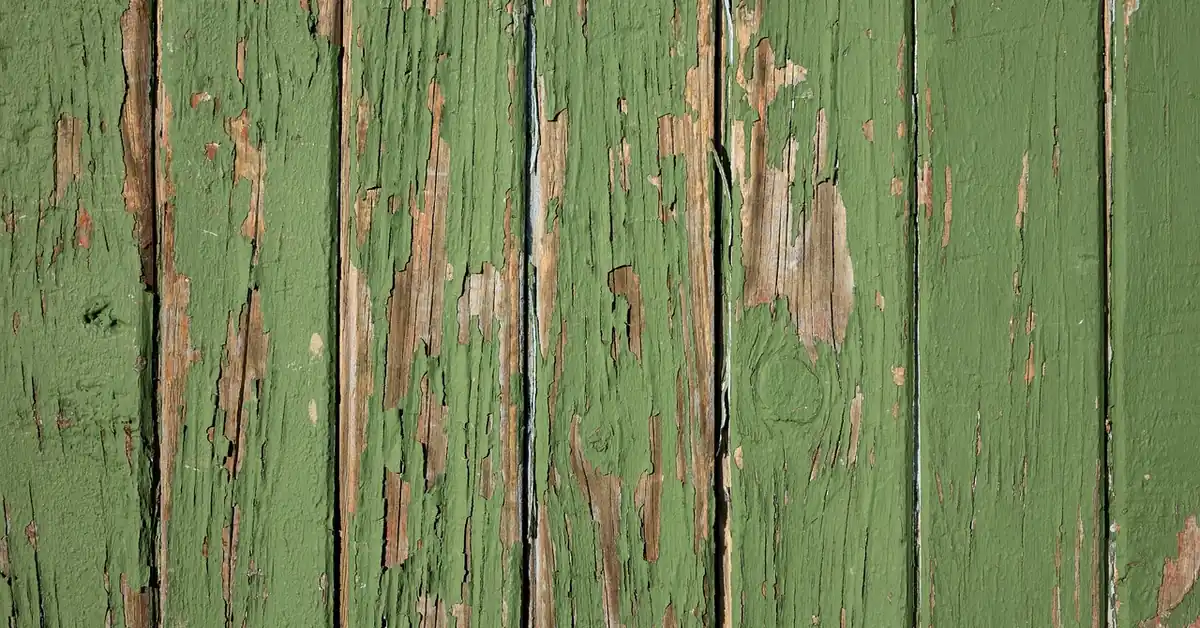
How to Remove Old Paint Safely: A Room-by-Room Guide
Old paint comes off walls, wood, and trim with scraping, heat, sanding, or chemical strippers — but the right method depends on the surface and, critically, whether the paint contains lead. Homes built before 1978 have roughly a 52% chance of some lead-based paint, per HUD/EPA data, and sanding it dry without testing first spreads toxic dust. This guide covers method selection by surface, EPA-compliant lead testing, and safe cleanup.
Test for Lead Paint First (If Your Home Predates 1978)
Best Paint-Removal Heat Gun Pick
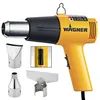
Wagner Spraytech HT1000 Dual-Temperature Heat Gun – $24.99
Two heat settings keep you under the 1,100°F scorch threshold this guide flags for the heat-gun method, with 3 nozzles for flat trim and detail work.
- Best for: confirmed lead-free flat wood surfaces and thick paint buildup
- Why we picked it: dual-temperature control matches the safer, lower-heat setting this guide recommends
- Main drawback: single-speed airflow, so large areas take longer than a variable-speed model
Compare more paint-removal tool options
 Option 1 Bates 10-in-1 Paint Scraper – $6.95
|
 Option 2 Citristrip Stripping Gel (40 oz) – $16.85
|
 Option 3 90-Count Lead Test Kit – $16.99
|
As an Amazon Associate we earn from qualifying purchases.
Lead-based paint was banned for residential use in 1978, so any surface painted before then may contain it. According to HUD’s 2011 American Healthy Homes Survey, roughly 52% of homes built before 1978 still have some lead-based paint on a surface — that number climbs to 76% for homes built before 1960. Testing takes a few minutes and changes which removal method is safe to use.
- Buy an EPA-recognized lead test kit (swab-based kits change color when they contact lead) and test every painted surface you plan to disturb, not just one room.
- If the test is positive, do not dry-sand, dry-scrape, or use an open-flame torch — all three aerosolize lead dust or fumes.
- Wet-scrape instead: mist the surface with water first so paint chips come off in pieces, not dust, then bag and dispose of debris as hazardous waste per your local guidelines.
- Use a HEPA-filter vacuum for cleanup — a standard shop vacuum pushes lead dust back into the air through its exhaust.
Under the EPA’s Renovation, Repair and Painting (RRP) Rule, anyone paid to disturb more than 6 square feet of interior paint (or 20 square feet exterior) in a pre-1978 home must be lead-safe certified. The rule does not apply to homeowners working on their own home, but the same wet-scraping and HEPA-cleanup precautions are worth following regardless — lead exposure risk doesn’t change based on who’s holding the scraper. If you’re unsure or the area is large, hiring an EPA lead-safe certified contractor is the safer call.
Gather Your Tools and Set Up the Room
Collect a scraper or putty knife, sandpaper or a power sander, and either a heat gun or a chemical stripper — you won’t need all three, just the one that matches your surface (see the comparison below). Add gloves, safety goggles, and a NIOSH-rated respirator (a paper dust mask does not filter lead dust or chemical fumes).
Lay a drop cloth and tape plastic sheeting over anything you’re not stripping. Open windows and run a box fan facing outward to pull fumes and dust out of the room rather than circulating them.
Choose the Right Method for Your Surface
Scraping, heat, sanding, and chemical strippers each work best on a different surface and paint thickness — matching the method to the job is what separates a clean strip from a gouged one.
| Method | Best Surface | Speed | Watch Out For |
|---|---|---|---|
| Manual scraping | Small areas, flat trim, window sills | Slow | Gouges soft wood if you push too hard |
| Heat gun | Flat wood surfaces, thick layers | Fast | Scorches wood over ~1,100°F; never use on lead paint — heat vaporizes lead |
| Chemical stripper | Carved detail, furniture, curves | Medium | Fumes — needs ventilation and glove/eye protection |
| Sanding | Large flat areas, final smoothing | Medium | Creates airborne dust — never dry-sand lead paint |
Manual Scraping
Push a sharp putty knife or paint scraper under the edge of the paint at a low angle and lift. Work with the wood grain, not against it, to avoid gouging. This is the slowest method but the safest for lead paint once the surface has been misted with water first.
Heat Gun
Hold the gun 2–3 inches from the surface and move it slowly in a sweeping motion until the paint bubbles, then scrape immediately behind the heat. Keep the temperature below 1,100°F — most household models top out around 1,200°F, so use a lower setting on painted wood. Never use a heat gun on paint that has tested positive for lead; high heat vaporizes lead into an inhalable fume that a dust mask won’t stop.
Chemical Paint Strippers
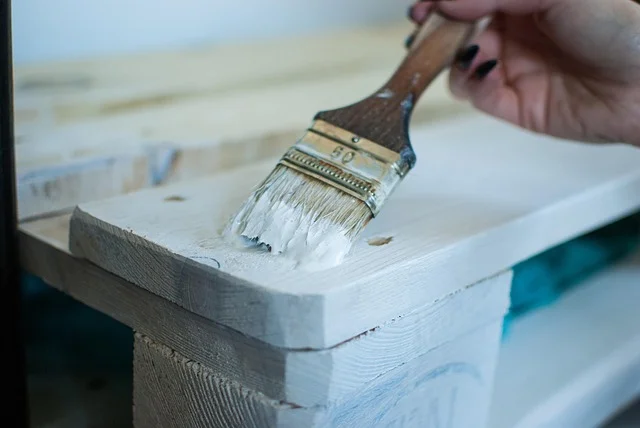
Solvent-based strippers (methylene chloride or NMP) work fastest but need the most ventilation. Citrus/soy-based gel strippers are slower — often a 30–60 minute dwell time versus a few minutes — but produce far less fume and are the better pick for indoor work with limited airflow. Brush the gel on in one direction, let it dwell until the paint wrinkles, then scrape it off and wipe residue with mineral spirits or water depending on the product label.
Sanding
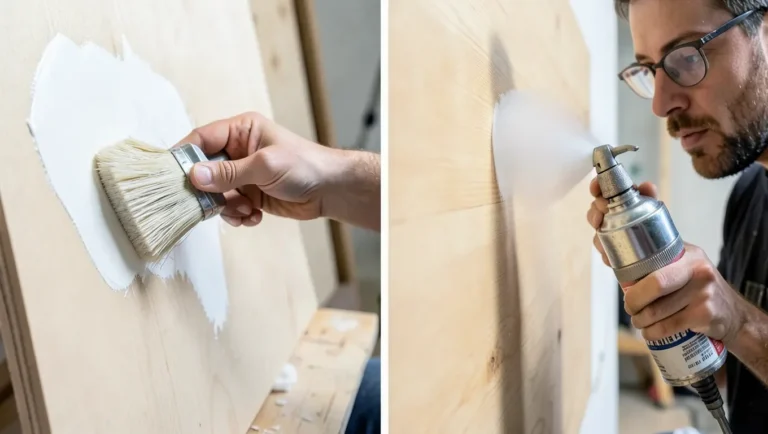
Start with 80-grit to cut through the bulk of the paint, then step up to 150- and 220-grit for a smooth final surface, always sanding with the grain. A random-orbital sander speeds up flat areas; hand-sand carved or detailed trim. Only sand paint you’ve already confirmed is lead-free — dry sanding is the single worst method for lead dust exposure.
Eco-Friendly Stripping Options
Citrus and soy-based strippers use plant-derived solvents instead of methylene chloride, so they don’t release the sharp fumes solvent-based products do. They’re biodegradable and safe for indoor use with normal ventilation. The tradeoff is dwell time — expect to wait 30 minutes to several hours for stubborn, multi-layer paint versus a few minutes for a solvent-based stripper.
Reduce waste while you work: use rags instead of paper towels, store leftover paint in airtight containers, and take unused paint and stripper residue to a household hazardous waste drop-off rather than the trash.
Safe Cleanup and Disposal
Sweep or HEPA-vacuum all paint chips and dust before they get tracked around the house — a standard shop vacuum recirculates fine lead dust through its exhaust, so don’t substitute one for a HEPA unit if lead is a possibility. Bag chips and dust in heavy plastic, seal it, and label it if it came from a positive lead test.
Old paint and paint waste should never go in regular trash or down a drain — most municipalities require drop-off at a household hazardous waste facility. Clean tools in warm soapy water; for oil-based paint residue, use paint thinner outdoors, away from open flame.
Common Mistakes That Make Paint Removal Worse
- Skipping the lead test on a pre-1978 surface — the single most common and most dangerous shortcut on this list.
- Dry-sanding or torching paint you haven’t tested — both aerosolize lead if it’s present.
- Mixing chemical strippers — combining products (or stripper with bleach-based cleaners) can produce toxic gas.
- Using a regular shop vacuum for lead-dust cleanup — it blows fine particles back into the air instead of trapping them.
- Pouring paint or stripper residue down a drain — it’s hazardous waste in most municipalities, not gray water.
📊 About 52% of U.S. homes built before 1978 contain some lead-based paint, and that share rises to 76% for homes built before 1960 — Source: U.S. EPA / HUD American Healthy Homes Survey, 2011
“Renovators must be certified and follow lead-safe work practices when disturbing paint in homes and child-occupied facilities built before 1978.”
If your project is specifically about stripping paint from a wood furniture piece down to bare, natural wood, our deep-dive comparison of chemical, heat, and sanding methods for wood walks through each technique step by step.
Frequently Asked Questions
How Do You Know If Paint Might Contain Lead?
Any paint applied before 1978 could contain lead — that’s when the U.S. banned it for residential use. A swab-based test kit gives a same-day answer; a certified lab test is more definitive if you need documentation.
Can I Use a Heat Gun on Old Paint?
Yes, but only on paint you’ve confirmed is lead-free. Keep the gun 2–3 inches away, stay below roughly 1,100°F, and scrape immediately behind the heat to avoid scorching the wood.
Will Goo Gone Remove Paint?
Goo Gone can soften some latex paint but isn’t a true paint stripper. Test a hidden spot first, and use a dedicated chemical stripper for full paint removal.
What Is the Best Solvent for Old Paint?
Strippers containing methylene chloride or N-Methyl-2-pyrrolidone (NMP) dissolve paint layers fastest, but need heavy ventilation. Citrus-based gel strippers are slower and safer for enclosed rooms.
Is It Safe to Sand Paint That Might Contain Lead?
No — dry sanding untested or lead-positive paint is one of the fastest ways to spread lead dust through a home. Test first, and if lead is present, wet-scrape instead of sanding.
Conclusion
Removing old paint comes down to matching the method to the surface — scraping and chemical strippers for detail work, heat and sanding for flat, confirmed lead-free wood. Test first if your home predates 1978; it’s the one step that determines whether every method after it is safe. Work in a ventilated area, clean up with a HEPA vacuum, and dispose of chips and residue as hazardous waste, not regular trash.
Sponsored / affiliate links. As an Amazon Associate I earn from qualifying purchases. I may earn additional commission from eligible campaigns.